Earlier in the first week of January 2026, my first book, a collection of short stories, CALL OF THE WILD & OTHER STORIES got published. A long-cherished dream was realised. The publisher, Mr. Debashish Nandi asked me, “Have you been to Kolkata Book Fair?” then went on, “It is the biggest book fair, if not in the world, definitely in Asia and of the country, bigger than the World Book Fair of Delhi.” Honestly, I had stopped going to all kinds of “fairs” because of the unprecedented crowd and pollution. I think I last visited the World Book Fair or whatever it was called then, at least two decades ago, with my family and it was quite a challenge to navigate through the crowd who had no interest in the books but have come for an outing.
I am kind of paranoid about the crowd/ gatherings that Kolkata attracts, for example the Durga Puja. But Debashish insisted that I must visit the KBF at least once to experience the grandeur. I was in two minds, because my book is a work of fiction that I wrote over the past one year and an easy read, nothing serious that will engage the readers in conversations over a cup of tea. Frankly, I don’t expect it to create even a ripple in the publishing world. So, what’s the point of spending money for the airfare and hotel? However, my better half, Deepika too insisted that I should go.
I checked with my Kolkata friends about the location of the fairground and he suggested to look for accommodation in Salt Lake area which is very close to the venue and “able feet” can walk the distance as well. I remembered another friend from NCR had stayed somewhere there and again requested my friend, Abhijit to help find a suitable guesthouse in Salt Lake. Thereafter, I booked my air tickets and the guesthouse, Smriti Villa in GD block of Salt Lake, a mere 2 km from the venue.
I reached Kolkata on 25th morning, my dear friend Atish surprised me by coming to the airport to pick me up instead of sending the car as was discussed over video call. Atish aka Soni, hadn’t had chance to have his breakfast, so we went to kiosk at the airport to munch something and a cup of tea before going over to the guesthouse.
The guesthouse, Smriti Villa was on the first floor of a privately built house having 4 bedrooms with attached bathrooms, a lounge area and kitchen. It was more like a serviced apartment. The check-in was smooth and the manager was very polite and helpful. We had a cup of tea and left for the fairground. Soni, dropped me at the gate no.7 of the venue promising to join along with Abhijit in the evening at the guesthouse.
The entry to the book fair was free but there was security check in place. The guard asked me, “Are you carrying cigarettes?” “No, I don’t smoke.” I replied. His next question, more like robot, baffled me. “Are you carrying lighter or matchbox?” “Why should I carry such a thing when I don’t smoke?” I retorted forgetting the advice of my friend to keep my mouth shut when confronting stupidity in Kolkata. I don’t know if the guard understood or not but waived me to enter.
I entered from the gate number 7 and realised the stall of the publisher Nandi Enterprises was at the other end near the gate number 2. I walked through the fair soaking in the sun as well as the atmosphere around me. The day was Sunday, a holiday for most and the Kolkatans, ever eager for festivities decided to throng the place in full strength. It was a family outing for them. I liked it because more people meant more sell of books. However, within next hour or so, my balloon of euphoria was punctured as I realised the majority of the crowd had no interest in the books, they simply drifted from one stall to the another, giving cursory glance to the displayed books. The only exception were the Bengali language publishers, Ananda, Mitra & Ghosh and Dey’s Publishing where there were queues to enter the stall. The only English language publishing house that attracted similar crowd was Hachette India stall.
As far as my book is concerned, it is just a collection of fictional short stories. Not a serious read but more like a book you read while waiting at airport/ railway station or on your journeys. My marketing/ sales instinct got the jolt when I saw, there was no effort on the part of the publisher to push his books, not just mine but whole bunch of his own publishing. And this was not an isolated case but across the book fair where the smaller publishing houses are simply there to announce their existence. I understand that it is not easy to campaign for your products if you are not trained in retail sales but one can perhaps hire youngsters for the duration of the fair to do the job for you, in fact, there were few stalls which were doing it. I spent almost 4 hours at the book fair and the thought dawned on me that it would have made no difference to the fate of my book if I had skipped it. Two people picked up my book while I was present inside the stall, going through the pages and left without purchasing any book!!!
In the evening, I decided to leave for my guesthouse but coming out did not see the familiar “Toto” or e-rickshaw anywhere. What I saw was the surging wave of humanity coming through aimlessly. They all wanted to be there at the Kolkata Book Fair, touted to be the biggest in the country. They were busy taking selfies and immediately posting on the social media. I opened the google map on my phone and started walking the 1.80 km to my guesthouse.
I was exhausted when I reached my room having woken up at 4 am and having been on my toes since then. I put my phone to charge and crashed out. My friends, Atish and Abhijit, as planned came around 7 pm and woke me up. It was a mini get-together of three Abs and turned out very pleasant and relaxing. Atish brought his elixir-of-life along with some Chakhna which we consumed in the space of 2.5 hours and then ordered food from Koshe Kosha, a restaurant I saw while walking back to the guesthouse from the fair ground. The food turned out to be good and tasty. During the evening, my lunch and dinner for next day was sorted out too, with Atish confirming to pick me up around 11 am and Abhijit inviting us over to his home in the evening.
Next morning, I woke up early and was ready for a cup of tea but found the guesthouse inmates including the manager were still sleeping. It was the Republic Day, a national holiday. I quietly slipped out to explore the neighborhood and find a tea vendor. Being in Kolkata, I knew there would be one not far from my location and I found one soon. A group of morning walkers, few years older to me, perhaps were enjoying their brew and vociferously talking amongst themselves, was what made me look at them and the existence of the tea stall. The “Lal Cha” or the black tea was very refreshing in the morning and I set out to explore further. I found a fruit seller at the corner from where I picked up a bunch of “Kathali Kola” or small banana, having very distinctive taste and aromatic, found only in the eastern part of the country.
Atish came around 11:30 am by which time I had my breakfast of Dosa and Medu Vada from Chennai Square having a Zomato rating of 4.4/5.0 and for a change, the ratings were right. We went to the City Centre Mall and had coffee at the Starbucks outlet. Atish reflected at the high price of the coffee there and the relatively much cheaper options available right across the road at the street-food vendor. I sipped my cappuccino and told him, “You can’t compare this coffee with that instant powder coffee, good things in life have a price.” He did not say anything but nodded his head in appreciation as he sipped his coffee. Thereafter, we took a quick look at the mall and left for our lunch.
The Saptapadi Bengali Restaurant is a theme-based restaurant in honor of the Superstar Bengali Actors Uttam Kumar & Suchitra Sen’s movie of same name. The movie was superhit when it was released for public viewing. I haven’t seen it. In fact, I haven’t seen much of Bengali cinema beyond the masters, Satyajit Ray, Mrinal Sen and Ritwik Ghatak in my youth days. The restaurant was small having around 24-30 pax capacity but the service and food ensure regular footfalls. We found a table for two and settled down. We ordered Muger Dal, Posto Bora, Mangshor Jhol and Sada Bhaat. And rounded it off with Nolen Gur ice-cream. The main course was excellent, light and yummy, the mutton soft enough to fall out from the bones. However, the ice-cream was average, the same flavor from Amul is far more delicious. The restaurant manager took our photo and presented us with a hard copy.
We visited the book fair once again and it being a national holiday, was full of humans thronging the place with gay abandon. Like the previous day, there was no interest, no compulsion to buy books, just roaming around clicking photos and sliding in and out of the stall giving cursory look at the books. However, the food stalls were bulging with crowds and the ground around was littered with disposable plates and glasses despite the availability of wastebins. I bade goodbye and best of luck to Mr. Nandi and came out to sanity.
In the evening as we were getting ready to go to Abhijit’s home, Nandini aka Chhoti, the darling daughter of Atish called to inform that she’s in the vicinity, at a food festival with her friend. I wanted to meet her, my god-daughter, so we went to the food festival. It wasn’t crowded like the book fair, apparently because it had a entry fee. Most of the stalls were of sweets from across the state and few savory stalls as well. One of them was selling octopus (grilled, fried or curry). I checked with Atish if he would like to try but he flatly refused. Chhoti excitedly confirmed that she and her friend had already tasted and it was delicious. We moved on and saw a stall selling pickles; I wanted to check-out the stuff and requested a sample of “Chunda Mango Chutney”. Must inform here that Chunda is primarily sliced mango (or even raw papaya) and made across the country but the spices vary from region to region. Having tasted the varieties from up north to the west, I wanted to check the eastern variety. The sales person offered me a spoonful and then kept offering 5/6 other pickles/ chutneys for tasting without my asking. This was the kind of salesmanship I missed at the book fair. I ended up buying 4 different pickles/ chutneys, would have bought more but keeping in mind the limited space in my cabin luggage, I let go few of the delicious offerings.
At Abhijit’s home, they were just him and his wife, Shukla, their elder son with his wife is settled in USA while the younger one being in merchant navy was away on duty. The evening was well spent chitchatting with them. They also have a third member at home, a beautiful Cocker Spaniel. It was kept in another room and became restless, scratching the door and barking. I told Abhijit to let him out but he was hesitant, felt the dog might become aggressive and bite. “Why will he bite, unprovoked?” I asked him. “He had bitten both me and Shukla.” He replied. Still I insisted that he let Simba out to meet us. He brought him out on a leash. Simba started barking at me but his tail was swinging left to right all along… most likely he was seeking my credentials. I told Abhijit to release him from the leash and I will be responsible if anything goes wrong. The moment, the leash was removed, Simba became calm and came to me sniffing me all over the place. His next move surprised both Abhijit and Shukla, Simba put his paws on my knees and demanded petting. His bonding with me was symbol of pure heart.
Later, after dinner, Abhijit and Shukla dropped me at the guesthouse.
While I was at Abhijit’s home, my cousin bro called up to inform that he was back in Kolkata from his Rajasthan trip and he will have breakfast with me the following morning.
I was ready for my bro when he called up to inform that he was running a bit late and I should have my breakfast without waiting for him. Honestly, I had no idea about the distances in Kolkata otherwise I would have told him to send me his location and I would take a cab to his home. He was coming from Belghoria to Salt Lake to take me back there to meet my octogenarian Aunt and then to Kasba near Acropolis Mall for lunch meet with my other cousins. Looking back, I know it was quite a task which he did with a smiling face. And that’s not all, later in the evening, he dropped me at the airport too.
Lunch menu was decided much earlier, biriyani from Arsalan. The venue was my cousin sister’s home but was shifted to my niece’s home. My niece is just about a year younger to me and we were very good friends, regularly corresponded through snail mail in our younger days.
On my arrival on the day one, the number lock of my suitcase somehow got corrupt and I had to break it to open the suitcase. Thereafter, I had to buy a lock to be able to check-in the luggage but kept forgetting every time I went out. I kept my eyes on the markets we passed by but did not a see a single shop that could possibly have a small lock for the suitcase. In such a situation I fell back on the Q-Commerce sites and ordered one from the Swiggy Instamart. It was delivered in eight minutes.
I had a fabulous time with my cousins and their better halves and thoroughly enjoyed the biriyani but the icing was the Chhanar Dalna prepared by my niece, a typical Bong dish where the paneer cubes are completely caramelized crisp but the inside remains soft and white. It reminded me of my mother’s cooking. I found out how she made it and have plans to try out in the near future. Needless to mention, I presented my cousins and niece, a copy of my maiden book. Hope they’ll enjoy the stories.
My flight back home was horrible; the aircraft was old and seats rattled. On top of it the flight was delayed by 30 minutes (officially) and over 45 minutes actually. When I landed I realized it was terminal 2 instead of usual terminal 3 where AI flights normally operate. Thankfully, Guddu Kumar was on his way and I instructed him to come to T-2 instead of T-3.
I finally reached home around midnight. Besides not-so-good experience at the Kolkata Book Fair, I had a very good time with my friends and cousins.
On 1st January 2024, Deepika & I, on our way to Varanasi aka Banaras, came back just before boarding the Vande Bharat Express from New Delhi Railway Station owing to a family tragedy. Ever since we have been hoping to visit the Holy City and this time our friends and long-time travel partners, Basus’ showed interest with finalising not only the itinerary but booking the train and Sugam Darshan (of Vishwanath Ji) tickets. They also shortlisted the hotels which we booked immediately. Then we were all set for exploring Varanasi or Banaras. The 2B in B (Basu’s & Bhattacharya’s in Banaras)!!
On 10th December night we embarked on the Shiv-Ganga Express from NDRS for Varanasi. The train left on time at 2005 hours with ETA Varanasi at 0600 hours. The AC first class was very nice and clean. Santanu had cautioned us that since there are no pantry car on the train, food will have to be carried with us which we did, only to find that the catering service was available right from snacks to dinner. We were five of us, so one berth was in a different cabin which I took up and slept peacefully. I was awake well before Deepika’s wake up call around 5:15 am. The train was ready to enter the station but was slowed down and finally reached the platform at 5:45 am, 15 minutes before time. The 15-days track record of the train revealed that it has been always on time or reached before time.
The driver of our pre-booked taxi was waiting for us outside the station. We were excited to have reached our coveted Holy city and took few pictures in front of the revamped Varanasi railway station. We decided to drop our luggage at the hotel but before that we stopped at a tea stall to quench our thirst with authentic Banarasi Masala Chai.
The driver, Rakesh showed us two iconic shops, Chachi ki Kachauri and Pahalwan Lassi, the latter had multiple outlets, all claiming to be the original. The uniqueness of Chachi ki Kachauri is the sitting arrangement, empty oil/ghee cannisters of 15kg are used as both seat as well as table, lined on the footpath next to the shop. A 30 rupees plate consisted of 4 kachauris with sabji and jalebi. The items were average in taste with the jalebi being a bit rancid, at least what we tasted.
Thereafter, we decided to walk to the Assi Ghat following the direction given by the hotel guard. The shop of Pahalwan Lassi was opening up, Santanu and I decided to check what’s available. The shopkeeper said that the lassi will take some time to prepare but Malai-O is ready. We readily bought two portions and gobbled it up in quick time before others could reach us. Afterall, Malai-O was on top of our culinary pilgrimage!!
When we reached Assi Ghat, we found the place sparsely crowded with yoga class happening at the adjacent ashram. Soon, the boatmen started marketing their boats for a ride. Sangeeta and Deepika had been entrusted with all negotiations and they hired a boat for an early morning ride. The boat ride was leisurely covering some of the important ghats like, Tulsi Ghat, Ganga Mahal Ghat, Hanuman Ghat, Dasashwamedh Ghat, Manikarnika Ghat Chausatti Ghat, Munshi Ghat, Nepali Ghat, Raj Ghat. It was cloudy as well as foggy so our boat kept close to the banks for us to see them clearly. Some people in other boats were throwing bird-feed attracting flocks of seagulls prompting us to take a few pictures. We spent almost two hours on the boat ride and the banks of Ganga before returning to the hotel only to find the rooms still not ready. We were directed to the third floor waiting room where we spent another hour eating Prayagraj Guava and playing cards (29).
By 1 pm we got our rooms and the first thing we did was to take bath and wear fresh clothes. Sangeeta ordered simple daal-chawal and aloo-gobi sabji for a late lunch. The daal was very tasty as was the sabji but later when we ordered the same dishes, it was average, maybe we were so hungry that our taste-buds were simply happy to get the taste.
We left for Assi Ghat around 4:30 to meet up with our boatman for the evening ride upto Namo Ghat and to watch the evening Ganga Arati at Dasashwamedh Ghat. The latter was a disaster, mainly due to our desire for the boat ride to Namo Ghat which was the farthest consuming precious time. When we reached Dasashwamedh Ghat, the place was jam-packed with boats of different size and shapes. Our boatman did his best by shoving other boats to take ours as close as possible. Still we were far off to get a real view of the spectacle of the evening arati.
We were given the first dose of commercialization of religion/ rituals here at the Dasashwamedh Ghat. At the end of the Ganga Arati, one of the apprentice pandit carried the ‘pradeep’ to the devotees/ audience placed on a big plate or thaali to take the blessings. We realised the blessing is directly proportional to the donation placed on the plate. When he came to us, Sangeeta searched her purse and could find only a hundred-rupee currency which she was compelled to place on the thaali, at the same time Deepika placed a twenty-rupee currency on the thaali. The young apprentice pandit put a ‘tika’ on the forehead of Sangeeta, seeing that Deepika expectantly asked for the ‘tika’. She was rudely rebuked by the man saying, “aap sleeper class ka ticket le ke first class mein safar karna chahate ho?” meaning, “you have paid for the second class whereas you want the luxury of first class.” This type of hypocrisy in the name of ritual is rampant across all the religious places (mandirs) in Varanasi. And the people wonder why the youngsters avoid such places.
We headed back to Assi Ghat and found it crowded with people both local as well as tourists. There was a pizzeria at the ghat where we thought we will have our dinner but the place did not have space even to stand. We came out and contemplated having our dinner at the hotel itself. Shinjini suggested, we try out the famed Banarasi Chaat. The closest one was at the Gaudulia, the famous Dina Chaat Bhandar and their signature chaat is Tamatar Chaat. The shop is located on a street which is not very wide and with parked vehicles on either side of the road, only one lane on either side is available for commuting. There were a sizeable number of customers waiting for their chaat which spilled on the road creating complete chaos. Looking at such chaos, Santanu wanted to leave immediately but was persuaded to stay put. I am sure, he mumbled a muted ‘thank you’ when he tasted the variety of chaat. Personally, I liked the aloo-tikki and the golgappas which were very different from what we get in Delhi.
Deepika and Santanu were brave enough to wake-up at 4 am and go to the Assi Ghat to witness the Morning Ganga Arati. I needed my 6 hours of sleep. We skipped breakfast to reach Kashi Vishwanath temple by 9 am at the gate no.4 for the Sugam Darshan for which we had purchased the ticket on-line. Though, we had a soft-copy of the ticket on our phones, Santanu insisted on a hard-copy (paper) and I realised the importance when we had to deposit our phones, purse (after taking out the money because otherwise how will we pay the ‘dakshina’), belt and smart-watch. The physical ticket needed to be endorsed/stamped at a location 100 metres from the entry gate. The person supposed to endorse wanted us to take the services of a designated pandit or ‘Panda’ which we refused. He tried hard to push us to ‘hire’ a panda by sending us to another person deliberately delaying process. Santanu lost his cool and gave him a sound verbal thrashing.
I do not know if the famous “Baba Vishwanth Gali” still exists in its old glory or not because the temple premises has been expanded hugely with the original temple in the middle of it. I had been to the old temple going through the gali negotiating the bulls or ‘Nandi’ of Lord Vishwanth many years ago and had the darshan of lifetime participating in “Doodhabhishek of the Lord” (milk bath). The blessings were free then. Deepika having learnt her lesson at the boat, offered a 500-rupee currency to the Mahant at the temple and received a garland as blessings. Considering the huge number of devotees visiting the temple every day, these Mahants must be earning few lakhs every month, tax-free.
A Panda had assigned himself to our group and guided us to the Gyanvapi temple within the main perimeter or parisar of the temple narrating us the story. According to the legend, the original Shivalinga was thrown in the well of the temple to save it from destruction by the army of Aurangzeb.
When the Kashi Vishwanath Mandir Parisar was created, many structures were demolished or cut-off, one such casualty is the Manikarnika Ghat, the cremation ghat believed to take the soul of the departed straight to heaven, was quite big as I remembered but now had shrunk considerably. Many terminally ill patients would come here in their last days waiting to depart and cremated hoping their soul to reach the heaven.
By the time we came out, breakfast time was over, we headed back to our hotel but decided to try out some restaurants nearby. After deliberating between an unknown brand of Banarasi Biriyani restaurant and the much known/ visited Sagar Ratna, we settled for the latter and had a hearty lunch which turned out to be the most expensive one as well. There was a Paan shop below the restaurant from where we had the flavourful Banarasi Paan, besides picking up few packs of Paan Masala.
In the evening, the girls wanted to explore the market for Banarasi sarees, Santanu and I had to go along feeling thoroughly bored. While they were busy stock-taking of the shop, Santanu and I explored the street from one end to the other which had nothing except garment shops. We came back and played few rounds of TwentyNine before going to the dining hall for dinner. We all were feeling tired and decided to call it a day. Santanu and Deepika wanted to visit Assi Ghat once more and Shinjini too showed interest in joining them. I knew it would be very difficult for Deepika to go for it twice in succession but did not discourage her. Next day, only father-daughter duo went to watch the morning arati at the Assi Ghat while we slept till late.
As we finished our breakfast, Sangeeta got a call from Rakesh our taxi driver confirming that he’s at the hotel gate. Our plan was to visit Sarnath, Buddhist religious site where Gautam Buddha gave his first sermons to his 5 disciples and Ramnagar Fort, the 18th century sandstone structure built by Maharaja Balwant Singh, the Kashi Naresh (King).
Our first destination was the Ramnagar Fort where we reached around 9:40 am and had to wait for 20-minutes as the fort gates opens only at 10 am. We bought the tickets for the museum not realising that it was the only thing that was to be experienced. Although, it is called a fort but the structure was far from being a fort and more of a palace with garages for the buggy, palanquin and cars in later period. The museum showcased the furniture, clothes and armoury of the bygone era. The most troubling part is the bad upkeep of the place, there were visible layers of dust on the artefacts, the lawns are not tended regularly as a result there are wild growths. No guides to explain the exhibits. And the Ganga River flowing below the fort is at her dirtiest. The authorities need to ramp up the place urgently and ensure proper maintenance. Salarjung Museum in Hyderabad can be their benchmark. The most memorable part our visit is the lassi we had from the 70 years old Shiv Prasad Lassi Bhandar. The thick Rabri Malai Lassi served in a Kulhad (earthen glass) was the authentic, flavourful and a must have when you visit the Kashi King’s Palace.
Rakesh suggested that we take a tour of the Banaras Hindu University (BHU) as by the time we return from Rajgir, the roads will be too crowded. The campus of BHU is huge with individual buildings and residents for both the teacher and scholars of different streams of knowledge. There is a Birla Temple in the campus attracting devotees. Interestingly, the deity in this Birla temple is different from all other Birla temple, the presiding deity here is Mahadev as opposed to the Vishnu and his consort in other Birla temples across the country viz. Delhi, Kolkata.
We took the service of a guide to explain us various sites at the Sarnath. We realised the importance of a guide while touring the historical sites in Madhya Pradesh. Surely, lot of times, the guides are not deeply aware of the history of the place but they do try to entertain you with local legends of the site. The guide’s service is “technically free” as per the govt order but they are open to receiving any amount that the tourist offers them. Anyways, our guide took us to the Buddha temple premises and showed us the “Bodhi tree” believed to be the place where Gautam Buddha gave his first sermon to his first five disciples. At the cost of being politically incorrect, I have sincere doubts that the Bodhi tree is 2500+ years old!!! We saw the temple constructed and maintained by the funding of Thai government. Then saw the tall statue of Gautam Buddha (80ft 9inches indicating the lifeline of Buddha including time spent in the womb of his mother), surrounded by a waterbody full of lotus and other flowers. The garden boasted of the replica of the Ashoka Stambh and Dharma Chakra. The Buddha statue is sculpted in line with the now destroyed statues at Bamiyan, Afghanistan. We found the size of the statue and the surroundings impressive but the sculpting is very amateurish missing finesse of the smaller one inside the temple.
The guide took us to the archaeological site from where the artifacts were excavated and now housed inside the museum but there was a huge line-up student from various schools around Varanasi who have come on discovery trip. The guide then suggested and took us to a village of craftsmen supposedly creating the famous Banarasi silk sarees and dress materials. It was a big disappointment as it turned out to be a regular shop in a village where they have a show-piece handloom only. We quickly came out and proceeded to the museum picking up few artifacts from the stalls on our way. The museum had mostly remnants of the sculptures and few utensils of the bygone era. Some of the monoliths were awe inspiring. Deepika and I have seen such artefacts and more on site at Ajanta, Ellora, Bhimbetka in the recent past and every time we felt proud of our rich heritage.
When we started for Varanasi, it was past our normal lunch time and all of us were hungry, the most popular eating places on our list were in Goudulia which was quite far from our location. Rakesh, our driver suggested we look for places in the Cantt. area which will fall on our way. Sangeeta wanted to go to the Taj property but the rest of us restrained her and found a decent eating place called Tandoor Villa right opposite the Taj property. I haven’t had my eggs for three days and when I saw they have egg-curry, I couldn’t resist, except Deepika, who opted for a vegetarian dish, all others echoed their choice for the egg-curry with rice. It was a very satisfying lunch especially as the service was prompt and the serving guys were most cordial. We left some space in the tummy for the Giani’s ice-cream and the Banarasi Paan available right next to the restaurant. We explored the street and found a shop selling Punjabi papad and pickles besides other nick-nacks and bought a few items.
On our way back, Deepika, Sangeeta and Shinjini went to a Saree shop called Taj Express close to our hotel while Santanu and I came back to rest for a while. However, in just about 15-minutes, Santanu came and suggested something that was too tempting to ignore. We came out of the hotel and headed towards the BHU. The original Pahalwal Lassi shop was close-by where we stopped to have Malai-O, the creamy, extremely light dessert only available during the winter months. Then we couldn’t resist the Malai Rabri Lassi, I am at loss of words to describe thick, rich flavourful drink that instantly uplifts your mood and energises. Next, we had the Banarasi Paan from the shop below the Sagar Ratna and bought few packs of Paan Masala as well. We walked the length of the street, almost to the gate of BHU and came back. Just as we were to go in, I found a small shop that was selling Champaran Meat. I have heard about the dish, a rich, aromatic mutton curry cooked in earthen pots. Since we were on a culinary pilgrimage, we decided to try it out. We ordered a pot of mutton curry with rice and a sabji for Deepika and told them that we will pick up after an hour or so. Our hotel was vegetarian only and we did not want to offend their sensibilities and asked him to pack it discreetly.
Traditionally, Champaran Meat is a rustic, slow-cooked mutton curry from Bihar, known for its smoky flavour, cooked in a sealed clay-pot with mustard oil, lots of onion, garlic and whole spices till the mutton is tender and juicy with its own juice. The curry is semi-dry and often taken with plain boiled rice or tandoori roti. We had it with both. The curry reminded me of the Chettinad Chicken I had in Chennai. There were fire and smoke and water oozing out from ear, nose, mouth and eyes and the tantalising, delightful taste prodded us to have more of it till the last piece. Later, Santanu and I collected the bones in the pot and dropped it at a garbage dump, ensuring the sanctity of Coco Casa.
In the morning, after breakfast, we got ready and packed our bags, ready for check-out and informed the front desk that we going out for short while and shall check-out by 12 noon as discussed and agreed when we checked-in. One of the front desk guy named Vimlesh Rawat started acting smart, telling us to vacate the room then only or latest by 11 am. So, I casually asked him, “Or else?” He was about to tell me the hotel policy, when Sangeeta pointed to him that his own Manager had agreed to the 12-noon check-out. I found this man to be unfit for hospitality industries, not because of this incident but he had been rude even when we were checking-in and never once greeted any of the resident guests.
We walked out of the hotel and headed towards the Durga Mandir, supposed to be within 500-600 metres from the hotel, turned out to be approx. a kilometre. The day being Sunday, there was rush of devotees, I decided to stay out and did Santanu. It took about 25-minutes to complete the darshan and once Deepika, Sangeeta and Shinjini came out, we headed for the Sankat Mochan Hanuman Mandir. Initially, we thought it to be close-by but it turned out to be quite far from the Durga Mandir. It seemed, lots of people have ‘sankat’ or problems in their life because the place was really crowded and unmanageable. Deepika & Shinjini went for the darshan while we waited outside.
We came back in the hotel before 12-noon and checked-out as our cab had come. Santanu announced that our train, the celebrated Vande Bharat Express is running late from Delhi and now is scheduled to depart from Varanasi an hour late around 4 pm. We had one extra hour but nowhere to go as Rakesh, our driver told us that he has another assignment from 2-pm and therefore can’t take us anywhere else. We stopped at a paan shop from where our revered PM had once had a paan. I asked for the same kind of paan that he had and it was really good, melt-in-the-mouth kind. We packed up few paan for post-dinner munching.
We were dropped off at the station around 1:45 pm and didn’t know how to pass the time but Shinjini found out an Executive Lounge where our entry became free courtesy the ICICI Bank credit cards. We had free vegetarian lunch and hot tea/coffee. The permit was for two hours and we easily passed the time playing TwentyNine. The train from Delhi finally entered the platform around 3:30 (1.5 hours late), the usual time for cleaning the train after one-leg of journey is 90-minutes but the staff entrusted with job did it in 60-minutes and the train was ready for departure around 4:30 pm. We estimated that if nothing untoward happens, we should reach Delhi around 12:30 am, it was not be… the Vande Bharat Express has a top speed of 130 kmph and it rarely reached anywhere near it, keeping the speed in the vicinity of 60-70kmph most of the time. However, on the brighter side, the seats with ample leg space in the Executive Coach, the food and the service, more than compensated the delay. We finally reached New Delhi Railway Station at 1:55 am. The station at that hour looked quite different, devoid of normal hullaballoo of the day time, the quietness and the low lights made it eerie. We came out looking for a pre-paid cab but none was available, finally Deepika negotiated with private cab driver and we took it to reach home around 2:40 am. We slept around 3 am, about the time, Basu’s reached their Gurugram home.
DAY THREE: Going Back to the Abode of our Forefathers
After concluding the first leg our journey, we were ready for the next, the first of which was a 100 km journey to Bhimbetka Rock Shelters, arguably the first settlement of humans in the subcontinent. And from thereon to the cleanest city of the country, Indore.
We had asked for our breakfast to be ready by 7:30 am but the hotel staff and the chef came in only after 7:30 to prepare our food, incidentally, we were the only guests at that time. We had our breakfast as quickly as possible and embarked on a journey of 2 hours 10 minutes, crossing the town of Sanchi. Initially, we drove through the two-lane state highway (Udaigiri Road-Ucher Road-Gulgaon Road) leading us to 4-lane NH 146 (Sagar-Bhopal Highway), then to NH46 till we reached the serpentine road leading to Bhimbetka Rock Shelters. The recent heavy downpour across the country has done extensive damage to the roads, not sparing even the National Highways. We were lucky that the day begun as dry and continued till we reached our destination.
The Bhimbetka Rock Shelters are an important archaeological site that spans the Paleolithic and Mesolithic periods, as well as the historic period. It exhibits the earliest traces of human life in India and evidence of the Stone Age starting at the site in Acheulean times. It is a UNESCO World Heritage Site that consists of seven hills and over 750 rock shelters distributed over 10 km. with evidence that at least some of the shelters were inhabited more than 100,000 years ago.
The rock shelters and caves provide evidence of human settlement and the cultural evolution from hunter-gatherers to agriculture, and expressions of prehistoric spirituality. Some of the Bhimbetka rock shelters feature prehistoric cave paintings and the earliest are dated to 10,000 BCE, corresponding to the Indian Mesolithic period. These cave paintings show themes such as animals, early evidence of dance and hunting from the Stone Age as well as of warriors on horseback from a later time (perhaps the Bronze Age). The Bhimbetka site has the oldest-known rock art in India, as well as is one of the largest prehistoric complexes. The Rock Shelters of Bhimbetka are 45 kilometres south-east of Bhopal, Madhya Pradesh at the southern edge of the Vindhya Range. South of these rock shelters are successive ranges of the Satpura hills. It is inside the Ratapani Wildlife Sanctuary, embedded in sandstone rocks, in the foothills of the Vindhya Range.
Bhimbetka meaning “Bhima’s resting place” or “Bhima’s lounge”, is compound word made of Bhima (second brother among the five Pandavas of Mahabharata) and Baithaka (seat or lounge). According to the native belief, Bhima during his exile used to rest here to interact with the locals. Bhima Worshiped Mata Vaishavi at this location and was blessed for concurring the forthcoming war. There is a famous Mata Vaishavi Temple existing at this place since long.
It was only in the 1970s that the scale and true significance of the Bhimbetka rock shelters was discovered and reported. Since then, more than 750 rock shelters have been identified. The Bhimbetka group contains 243 of these, while the Lakha Juar group nearby has 178 shelters. According to Archaeological Survey of India, the evidence suggests that there has been a continuous human settlement here from the Stone Age through the late Acheulian to the late Mesolithic until the 2nd century BCE in these caves. This information is based on the findings from the excavation of the site, the unearthed artifacts and goods, pigments present in deposits, as well as the rock paintings. The site contains the world’s oldest stone walls and floors. The origin of the raw materials utilized in certain monoliths uncovered at Bhimbetka has been traced back to Barkheda.
The site consisting of 1,892 hectares was declared as protected under Indian laws and came under the management of the Archaeological Survey of India in 1990. It was declared as a World Heritage Site by UNESCO in 2003.
The rock shelters and caves of Bhimbetka have a large number of paintings. Some of the oldest paintings are dated to 10,000 BCE, but some of the geometric figures date to as recently as the medieval period. The drawings and paintings can be classified under seven different periods and dating back to the earliest paintings to have belonged to the upper Palaeolithic to be as early as 40,000 years ago. The colours used are vegetable colours which have endured through time because the drawings were generally made deep inside a niche or on inner walls.
One rock, popularly referred to as “Zoo Rock”, depicts elephants, barasingha (swamp deer), bison and deer. Paintings on another rock show a peacock, a snake, a deer and the sun. On another rock, two elephants with tusks are painted. Hunting scenes with hunters carrying bows, arrows, swords, and shields also find their place in the community of these pre-historic paintings. In one of the caves, a bison is shown in pursuit of a hunter while his two companions appear to stand helplessly nearby; in another, some horsemen are seen, along with archers. In one painting, a large wild bovine (possibly a gaur or bison) is seen. Some of the animals identified are sloth bear, wolf, hyaena, rhinoceros, wild cattle, deer, antelopes, hare, monkeys, anteater, rats, fish, turtle, peafowl, some birds without any details among the wild animals and a domesticated dog. Deer and antelope are amongst the most numerous of the wild animals depicted. The pictures include groups of hunters; one such group is depicted as running away from a rhinoceros. Other groups are engaged in hunting deer, antelopes and other prey. Spear and bow and arrow are the main weapons of hunt; fish and turtle are being caught in a net, and rats are being driven out of their burrows to be caught. The paintings are classified largely in two groups, one as depictions of hunters and food gatherers, and in others as fighters, riding on horses and elephant carrying metal weapons. The first group of paintings date to prehistoric times while second one dates to historic times (around 5th to 3rd Century BCE). Most of the paintings from the historic period depict battles with use of swords, spears, bows and arrows.
Mitali knew someone in the Archaeological Survey of India (ASI) and we were directed to a knowledgeable Guide, Bimal Roy (or Rai). He suggested that we visit the most important 15 caves instead of wandering through the wildness. Given the limited time we had, the suggestion was welcomed and we followed him from cave no. 1 on an amazing journey of bygone era. Here, I would like emphasise the importance of a guide at such tourist interests, we would have wandered through the place often following crowds who would have been as clueless as we were and missed out seeing the wonders that Bimal showed us with explanation. The basic difference between rock shelters and caves is that the first one is a natural formation over a long period of time whereas the second one is manmade using tools. The Bhimbetka mountains were submerged in water (ocean) billions of years ago and emerged on the surface due to tectonic movements millions of years ago. The weather played its part in creation of these natural rock shelters over a period of time. The experience is beyond words and one must visit Bhimbetka with ample time to do complete exploration. The added attraction is the jungle safari of Ratapani Tiger Reserve which is expected to start soon after the monsoon break. It took us about 2+ hours to complete the tour of the rock shelters. We were hungry.
At the point where the Bhimbetka Road meets the highway, there’s a Midway Treat of MP Tourism where we stopped for lunch as well as the rain which started as soon as we reached there. The place wasn’t too big but clean and we were their first customer for lunch. The joyful news to the members of our group was that they served non-veg as well. We still had over 400 km to cover, so decided to go light on stomach and ordered simple egg-curry with rice, besides green salad and papad. While we were enjoying our meal, it rained heavily and stopped just in time for us to proceed to Indore.
Our journey through NH46 took us through Bhopal (could have taken the bypass but it would have increased the time significantly) and Dewas. There was a point where we could see a bridge over the river but it was barricaded forcing the traffic to go below it through the flowing river. I can now legitimately claim that I have driven my Jeep Compass through a river. It would have been a different story to tell if the current of the river was strong, the heavier vehicles could have made it to the other side but the smaller cars would have gone under. When we were approaching Dewas, it started raining again, the visibility became bad with fading lights forcing us to stop at a midway treat for tea n snacks.
We got into a huge traffic snarl when we were about 20-22 km away from Indore. The under-construction flyover was the cause; the service road was inundated with water and mud as also the invisible potholes due to waterlogging as well as darkness of the night. We treaded the path with utmost caution, driving at 20kmph or less taking over 45 minutes to cross the stretch of 2km. On the positive side, I can say that my Jeep Compass glided over the slush with ease.
Deepika having seen the reviews of our hotel in Indore was very apprehensive and the situation did not ease when both Tapas and I said that we haven’t checked the reviews before booking just two days before our trip. However, reaching there we realised it wasn’t as bad as the reviews made it look. The property, Hotel Kanchan Tilak has 50 guest rooms and situated next door to the famous 56 Dukan of Indore with ample parking space. As far as the condition of the property is concerned, it requires immediate and urgent renovations. On the last night of our stay, a portion of the false-ceiling of the bathroom in one of the rooms came crashing down. Fortunately, it happened in the dead of night when no one was using the facility. The quality of food was at best average. I will never revisit.
DAY FOUR: Visiting the Archeological Splendor
In the morning, after breakfast, we left for Mandu (Mandav) Fort also known as Jahaz Mahal, 100 km from Indore taking 2.5 hours. Our vehicles having been through the slush had become dual colour, the bottom half being brown and the parking attendant at the hotel did a wonderful job of cleaning them to their original glory.
We reached Mandu Fort around 11 am and it took some ingenuity to park our vehicles in the designated parking lot; the place was in complete chaos with nincompoops parking their vehicles rampantly disregarding the convenience of others, blocking the thoroughfare as if they own it. Anyways, we walked down to the fort and connected with our guide Raj Kumar, courtesy the contact of Mitali. He turned out to be extremely knowledgeable about the history of the fort and delighted us through his narration besides taking us to every nook n corner of the vast fort.
Mandu or Mandavgarh is an ancient city in the present-day Mandav area of the Dhar district located in the Malwa and Nimar region of western Madhya Pradesh, 35 km from Dhar city. In the 11th century, Mandu was the sub division of the Tarangagarh or Taranga kingdom. This fortress town on a rocky outcrop about 100 km from Indore is celebrated for its architecture.
Mandu gained prominence in 10th and 11th century under the Paramaras. The town of Mandu, situated at an elevation of 633 metres is perched on the Vindhya Range extending for 13 km while overlooking the plateau of Malwa to the north and the valley of the Narmada River to the south which acted as natural defences for the fort-capital of the Paramaras. As “Mandapa-Durga”, Mandu is mentioned as the royal residence in the inscriptions of the Paramara kings starting from Jayavarman II. In all probability, Jayavarman or his predecessor Jaitugi moved from the traditional Paramara capital Dhara to Mandu, because of attacks from the neighbouring kingdoms. Balban, the general of the Delhi’s Sultan Nasir-ud-din, was in the verge of capturing Paramara territory when the Paramaras also faced attacks from the Yadava emperor Krishna of Devgiri and the Vaghela king Visaladeva of Gujarat. Compared to Dhara, which is located in the plains, the hilly area of Mandu offered a better defensive position.
In 1305, the Muslim Sultan of Delhi Alauddin Khalji captured Malwa, the Paramara territory. Ayn al-Mulk Multani, the newly appointed Governor of Malwa, was sent to expel the Paramara king Mahalakadeva from Mandu and cleanse that place from “the odour of infidelity”. With the help of a traitor, Multani’s forces found a way to enter the fort secretly. Mahalakadeva was killed while attempting to flee, on 24 November 1305. When Timur captured Delhi in 1401, the Afghan Dilawar Khan, governor of Malwa, set up his own little kingdom and the Ghuri dynasty was established. His son, Hoshang Shah, shifted the capital from Dhar to Mandu and raised it to its greatest splendour.
Mohammed Khalji established the Khalji dynasty of Malwa (1436-1531) and went on to rule for the next 33 years. It was under his reign that the Malwa Sultanate reached its greatest height. He was succeeded by his son, Ghiyas-ud-din, in 1469 and ruled for the next 31 years. He had a large harem and built the Jahaz Mahal for housing the women, numbering thousands. Ghiyas-ud-din was poisoned at the age of 80, by Nasir-ud-din, his son. Thereafter, the history is mired with conspiracy, assassinations and betrayal for the next few centuries till the reign of Akbar, the Mughal Emperor.
One of the rulers was Baz Bahadur who was not only a connoisseur of music but an accomplished singer himself. Legend says that once he happened to listen to the melodious voice of Rani Roopmati and was so enamoured that he brought her to Mandu and settle her at the Rani Roopmati Pavilion, originally built as an army observation post. It offered a complete view of the fort area besides the Narmada River. When the news of the defeat of Baz Bahadur reached her, she committed suicide by swallowing a diamond ring to avoid capture by the marauding army.
The Mandu Fort is perhaps the largest fort in India if not of the world with interesting spots to explore.
Roopmati’s Pavilion A large sandstone structure originally built as an army observation post it is known today as Roopmati’s Pavilion. Rani Roopmati – the love interest of Baaz Bahadur lived here and is said to have gazed at the Baz Bahadur’s Palace – situated below and also at Narmada River, flowing through the Nimar plains far below, a river which the queen revered.
Baz Bahadur’s Palace Built by Baz Bahadur, this 16th-century structure is famous for its large courtyards encompassed by large halls and high terraces. It is situated below Roopmati’s Pavilion and can be seen from the pavilion.
Rewa Kund A reservoir constructed by Baz Bahadur for the purpose of supplying water to Rani Roopmati’s Pavilion. The reservoir is situated below the pavilion and hence is considered an architectural marvel because of its complex maze-like corridors for escaping any attack.
Darya Khan’s Tomb complex Darya Khan was a minister in the court of Mahmud Khalji II, and his tomb lies in a walled complex along with another tomb, a mosque, a pond, and an inn. At the centre of the complex is the massive sandstone tomb of Darya Khan.
Shri Mandavagadh Teerth temple is dedicated to Lord Suparshvanatha, belongs to Shwetambar sect of Jainism and has been attractively constructed with exquisite looks. It underwent expansion in 14th century. The 3 feet high idol of Lord Suparshvanath seated in padmansana is believed to be much older. Ruins of many other temples and idols can be seen here giving rise to the belief that the Islamic invaders took the short-cut of constructing their forts, palaces and mosques over already existing temples of Hindu, Buddhist and Jains.
Jami Masjid Inspired by the great mosque of Damascus, this enormous structure is striking in both its simplicity and architectural style-with large courtyards and grand entrances. At the front of Jaami Mosque, there are ruins of Asharfi Palace. There is a seven-story winning memorial at the north-east of the palace, now in ruins with only two floors visible.
Hoshang Shah’s Tomb India’s first marble structure, it is one of the most refined examples of Afghan architecture. Its unique features include the beautifully proportioned dome, intricate marble lattice work and porticoed courts and towers. It served as a template for the construction of Taj Mahal.
Jahaz Mahal/Ship Palace Situated between two artificial lakes, this two-storied architectural marvel is so named as it appears as a ship floating in water. Built by Sultan Ghiyas-ud-din-Khalji, it served as a harem for the sultan. Apart from the enthralling architecture, Jahaz Mahal is also a significant venue for the vibrant colours of the Mandu festival. With a series of adventure activities, music shows, lights, and balloon festivals that happen every year in the winter season. The sound and light show at the Jahaz Mahal is another interesting event that holds the eyes of every tourist.
Hindola Mahal Hindola Mahal – meaning Swing palace is so named due to its sloping side walls. The Hindola Mahal might have been constructed during the reign of Hoshang Shah about 1425 C.E. but may date to the end of the 15th century during the reign of Ghiyas al-Din. It is one of a set building making up the royal palace complex at Mandu, which consists of the Jahaz Mahal, the Hindola Mahal, the Taveli Mahal, and the Nahar Jharokha. The Hindola Mahal may have been used as a chamber to plan military expeditions with the top commanders.
The Darwazas (Gates) The wall encompassing Mandu has 12 major darwazas or gates. The present road, through which Mandu is reached passes through many of these.
At the end of the tour of Mandu Fort lasting 5.5 hours, we were exhausted and hungry as well. The contact person (Mr. Patankar) was at the gate to meet us and took us to the guest house to freshen up and then lead us to Sri Sai Baba Guest House Restaurant serving local (Malwa) cuisine, for lunch. Always enthused in trying out local delicacies, we ordered Kadhi Pakodi, Dal Paniye and Dal Bafley served with plain boiled rice. I can tolerate reasonably spicy food but the Paniye and Bafley were on a different level altogether and it got multiplied when I accidentally bit a very hot green chilli. Water flowed from my eyes and nose while fire came out from my ears and mouth. Amalda’s sister-in-law, Shraboni suggested to put a pinch of salt in the mouth to subdue the spiciness. Oh boy, it worked and I became normal in a jiffy. Great learning.
Reaching back to the parking lot, we found a Maruti Alto parked very irresponsibly blocking Topshe’s car and it had the parking brake applied. I used my previously used technique and asked Topshe to place the pillows that he had in his car, at the point of contact while I gently drove his car hitting the illegally parked car to create a gap large enough to take the car out.
It took us little over 2 hours to reach back in Indore. Deepika, Sumita and Sudipta went out to shopping at the insistence of Sumita and I predicted that while the other two will end up buying, Sumita won’t find anything worthwhile to buy. On the lighter side, it was her way of helping the shopkeepers do their stock-taking, once in a while. Topshe and I went in search for some dry savouries of Indore to take back home along with some sweets.
We ordered food and miscalculated the quantity, ending up with extra food on the table. The quality wasn’t that good to call for a doggy bag. After dinner, we played few rounds of TwentyNine and this time Topshe & I comprehensively beat Amalda-Manojit. I packed up our bags before hitting the bed.
We left for Delhi (Home) after breakfast passing through Ujjain, Kota and bypassing Sawai Madhopur and Jaipur. We wanted to visit Mahakaleshwar Jyotirlinga Temple in Ujjain on our way back but was advised to drop the plan as it was a festive weekend with thousands of people visiting would have been very crowded and would have delayed us significantly.
We stopped at roadside restaurant called Shri Krishna Restaurant and had one of the worst foods of the entire trip causing health issue with Sumita and Deepika.
As we bring closure to this amazing journey, the next one is eagerly awaited. Jai Hind.
This year (2025) Independence Day (15 August) offered a long weekend of 3 days and if one could add 2 more days, it became a fabulous 5-day break. We couldn’t have missed this chance. Together with Topshe and Gora, a road trip was planned in the hills, Shangarh and Sissu, both in Himachal Pradesh, are quaint non-commercialized urban villages offering breathtaking view of the mountains besides doable treks. Everything was fine and going as per plan till the nature decided to open up the skies to wash and cleanse the mountains, every day, news of cloudburst and landslides blocking the roads floated in and we were forced to focus on Plan-B, Madhya Pradesh. The sites closer home viz Khajuraho was already covered by us separately, earlier. I have heard of Bhim Betka Rock Shelters and its rock paintings dating back to 30000 to 10000 years, beginning of human race, and proposed it to Topshe. He in turn made a grand plan of not just Bhim Betka but included Udaigiri Caves, Sanchi Stupa (3rd Century BCE) and Mandu (Jahaj Mahal) Fort in the itinerary. We also thought of visiting Mahakaleshwar Jyotir Linga Temple in Ujjain, if time permitted. The proposed tour spanning 5 days started on 13th and culminated on the late evening of 17th August 2025 and was planned in two days’ time.
The tour party comprised of Tapas & Sudipta, Manojit, Amalda, Mitali & Shraboni (sister-in-law of Amalda), Sumita (Deepika’s friend), Deepika & I. Traveling in Kia Carens and Jeep Compass.
With so much content, I decided to do it in two parts… the account of first part is here.
Day One: The Day of Travel
We started from my home around 5:45 am, a clear 30 minutes delay from the proposed time and caught up with Topshe & others at the Mahamaya Flyover at 6:05 am. After a brief chat we began our journey. The first break came at Jewar Toll Plaza where we stopped for tea and bathroom break. And I realized in the hurried departure from home, I had forgotten to carry my black coffee flask.
We had our proper breakfast at the Chambal Spice restodhaba, Dholpur, where I had visited 3 years ago while traveling to Bengaluru by road with my son Ayush. At that time, we were informed that the place had started operation only a week ago; in three years, it had lost its shine both in ambiance as well as the quality of food and service.
The journey from thereon was a long one through NH44 and we were greeted with light showers on and off. Right after Morena, we took the NH46 towards Gwalior-Shivpuri. Unlike the NH44, this National Highway, a 2-lane road took us inside the towns and villages with local traffic pouring on it, maneuvering through such condition affected our time and consumption of fuel. After crossing Guna, we found some reprieve with lesser local traffic but rain and narrow 2-lane road did not allow us to speed up beyond 60-70 kmph. Since we had a heavy breakfast, we did not stop for the lunch but halted at a BP fuel station to freshen up. Unfortunately, the toilet at this place was extremely dirty prompting us to abandon the idea till we found the IO fuel station 100 meters away with a clean one. I was carrying boiled egg while Mitali had some homemade delicious cake which were devoured in quick time standing under the open skies ready to open up and it did.
As soon as we started for the final leg of our journey, we were greeted with light to heavy rains most of way to Udaigiri but the advantage was practically empty road allowing us zip through whenever the visibility improved. We reached our destination, Village Deck Resort around 7 pm, a good 13 hours journey. The lowest point in our travel from Delhi to Udaigiri was the abandoned cattle on the road, any distraction or slight mistake could have been fatal.
The Village Deck Resort can hardly be classified as a resort. It was spread over 3000 sq mtr with habitable rooms, a swimming pool, a water body with a flock of swans besides open grassland kept for future development. In their website the name was prefixed with “MPT” denoting “Madhya Pradesh Tourism”, a govt owned property but it was a misnomer…the place is privately owned and managed property. We were allotted 3 rooms in the main block and 2 rooms on the other side of the water body, supposed to be cottages. The wild smell around it suggested they were less frequently occupied. The rooms were of decent size with functional air conditions that quickly cooled down the temperature and evaporated the wild smell. We settled down and gathered at Sumita’s room to play a few rounds of Tambola that I had carried with us. Later, we had dinner at their dining hall, the food, we were told will be vegetarian throughout our stay as the property followed a strict vegetarian only principle.
Day Two: Exploring the Bygone Era
All of us were tired from the day-long road journey and therefore needed good sleep and rest for the day trip exploring the Sanchi Stupa and Udaigiri Caves, very close to our place of residence.
Sanchi Stupa is a Buddhist complex, famous for its Great Stupa, on a hilltop at Sanchi Town, district Raisen, Madhya Pradesh, India. It is located, about 23 kilometres from Raisen town and 46 kilometres north-east of Bhopal, capital of Madhya Pradesh.
The Great Stupa at Sanchi is one of the oldest stone structures in India, and an important monument to the historical architecture of India. The Sanchi Stupa was originally commissioned by the Mauryan emperor Ashoka in the 3rd century BCE. Its nucleus was a simple hemispherical brick structure built over the relics (bones) of the Buddha. It was crowned by the chhatra, a parasol-like structure symbolising high rank, which was intended to honour and shelter the relics. The original construction work of this stupa was overseen by Ashoka, whose wife Devi was the daughter of a merchant of Vidisha who was born in Sanchi which incidentally happened to be the venue their wedding. In the 1st century BCE, four elaborately carved toranas (ornamental gateways) and a balustrade encircling the entire structure were added. The stupa at Sanchi built during the Mauryan period was made of bricks which over the centuries and dynasties were overlayed with stones to stand in its current form. There are numerous stupas around Sanchi including the Relics of Sariputra and Mahamoggallana, now enshrined in the new Vihara. Sanchi Stupa is depicted on the reverse side of the Indian currency note of ₹200 to signify its importance to Indian cultural heritage.
During the later rule of the Shunga, the stupa no.1 (popularly called the Great Sanchi Stupa) was expanded with stone slabs to almost twice its original size. The dome was flattened near the top and crowned by three superimposed parasols within a square railing signifying the symbol of the dharma, the Wheel of the Law. The dome was set on a high circular drum meant for circumambulation, which could be accessed via a double staircase. A second stone pathway at ground level was enclosed by a stone balustrade. The railings around Stupa 1 do not have artistic reliefs, these are only slabs, with some dedicatory inscriptions. These elements are dated to circa 175–125 BCE. Although the railings are made up of stone, they resemble wooden fence, the joints between the coping stones have been cut at a slant, as wood is naturally cut, and not vertically as stone should be cut. There are short records of the donors inscribed on the railings as well as stone slabs in Brahmi script.
The decorations of Stupa No. 2 are probably the oldest extensive stupa decoration in existence and this Stupa is considered as the birthplace of Jataka illustrations. The reliefs at Stupa No.2 bear mason marks in Kharoshthi, as opposed to the local Brahmi script. This seems to imply that foreign workers from the north-west (from Gandhara, where Kharoshthi was the script in use) were responsible for the motifs and figures that can be found on the railings of the stupa. For the first time, clearly Buddhist themes are represented, particularly the four events in the life of the Buddha that are: the Nativity, the Enlightenment, the First Sermon and the Death.
Stupa No. 3 was built during the time of the Shungas, who also built the railing around it as well as the staircase. The Relics (bones) of Sariputra and Mahamoggallana, the disciples of the Buddha are said to have been placed in Stupa No. 3, these relics boxes were excavated in 1950’s and are kept in the vault of the nearby museum. Every year, they are taken out and displayed for public viewing on the last Sunday of the month of November coinciding the inauguration of the museum by Pandit J L Nehru, the first Prime Minister.
We had commissioned the services of an ASI certified guide, Rakesh, a very knowledgeable person, who took us through the site explaining each facet of the monument often interspersing with local folklore, e.g. the 40ft high Ashoka Pillar was cut into pieces and the lion head was taken by a local zamindar or land owner to adorn his home. We saw the black stone pieces of the pillar on site, the top portion with lion heads is now on display at the Bhopal Museum.
We did not realise that we spent more than 3.5 hours touring the Grand Stupa and the surroundings. There were groups of Buddhist devotees from Sri Lanka wearing a kind of uniform of similar T-Shirts with badges and caps for easy identification, were seen offering prayers at the site and doing parikrama or circumambulation of the Great Stupa. Some of us bought a few souvenirs from the vendors at the parking lot before leaving for our next destination, Udaigiri Caves.
The Udayagiri Caves are twenty rock-cut caves near Vidisha, Madhya Pradesh primarily denoted to the Hindu gods Vishnu and Shiva from the early years of the 3rd century CE to 5th century CE. They contain some of the oldest surviving Hindu temples and iconography in India. They are the only site that can be verifiably associated with a Gupta period monarch from its inscriptions. One of India’s most important archaeological sites, the Udayagiri hills and its caves are protected monuments managed by the Archaeological Survey of India.
Udayagiri caves contain iconography of Hinduism and Jainism. They are notable for the ancient monumental relief sculpture of Vishnu in his incarnation as the man-boar Varaha, rescuing the earth symbolically represented by Bhudevi clinging to the boar’s tusk as described in Hindu mythology. The site has important inscriptions of the Gupta dynasty belonging to the reigns of Chandragupta II (c. 375-415) and Kumaragupta I (c. 415-55). In addition to these, Udayagiri has a series of rock-shelters and petroglyphs, ruined buildings, inscriptions, water systems, fortifications and habitation mounds, all of which remain a subject of continuing archaeological studies. The Udayagiri Caves complex consists of twenty caves, of which one is dedicated to Jainism and all others to Hinduism.
The Udaigiri Caves was on our way back from Sanchi towards our hotel. We were told that only a portion on the ground level is open to public as a Leopard family with 4 cubs have taken shelter in one of the upper caves and it would not be wise to disturb them. The caves at the ground level were all gated and locked without any source of light inside, so we had to be satisfied with the inscriptions outside each cave. At the cave number 13, we could see the rock-cut image of reclining (sheshshayi) Lord Vishnu on the coil of primeval snake, Sheshnag with his head resting on one of his four hands. It is one of the earliest and largest single-rock sculpture of reclining Vishnu. In another cave, visible clearly was the image of Lord Vishnu in Varaha Avatar rescuing the earth depicted as Bhudevi.
I had a mild hope of seeing the leopard family in the wild but it remained unfulfilled. We came back to the Village Deck Resort, very hungry, just in time as the skies opened up for the next one hour with torrential rain. We enjoyed our food and the rains from the safety of the dining hall.
We rested for couple of hours and then played tambola through the evening before dinner time. Later, I teamed up with Topshe while Amalda partnered Manojit for few hands of TwentyNine to end the first leg of our journey.
“At least you can enjoy the cool weather of Bengaluru instead of roasting in Delhi.” Deepika insisted and so I tagged along with her to spend a few days with Ayush and Rajashree.
Deepika’s friend Moushumi suggested we go out for 3-4 days to Belur & Halebeedu, a Hoisala heritage site about 100 miles from Bengaluru. However, the idea could not fructify because of the not-so-good road condition and the unpredictable rains in Karnataka. In any case, I was contended to spend the days at home and cook up some savouries for the kids. Then Moushumi came up with another heritage place, Lepakshi Temple, a day trip from Bengaluru on NH44 (Bengaluru-Hyderabad Highway). We decided to go on Tuesday 3rd June but on Sunday morning my nose turned ticklish and by evening it became full blown cold with running nose and mild fever, thankfully, Deepika was carrying medicine for such eventualities. I must confess that on Sunday, even though all indications suggested that I take complete rest but rest of the gang wanted to go out for lunch on the only Sunday afternoon for a family outing. Sunday happened to be Bengali Jamai Shashti, a day when the son-in-law is pampered to the hilt with a royal feast and we decided to visit the famous restaurant of Kolkata Mitra Café, only to be turned away with a waiting time of over an hour. Rajashree searched for alternative restaurants in the vicinity and came up with Bier Garten, a roof top restaurant…the weather was decent enough to enjoy a nice meal and a pint of draught beer. Now, you can imagine what aggravated my sinuses!!
By Tuesday, with strong doses of anti-allergy medicines, I felt better and we decided to take the trip to Lepakshi. I suggested we hire a driver to drive Moushumi’s Suzuki XL-6 automatic, not being sure that I will be fit enough to drive. The ETD was 6:30 am to avoid the city traffic on a working day, accordingly Deepika & I reached Moushumi’s home at ACME, Bellandur only to find her sitting in her car, waiting for the driver to come. We waited for 30 more minutes with Moushumi trying to reach the driver or the agency that provides the services but no one responded. It was getting late, so I sat at the wheel and checked the vehicle’s functions. I felt confident to drive the car and we took off around 7:30 am.
It took us one hour to traverse through the city to reach the highway to Hyderabad. I had experience of driving on this stretch having made multiple visits to Bengaluru while stationed at Hyderabad. In those days, there weren’t many good decent places to stop for a bite. I asked Deepika and Moushumi to look for a breakfast place and they came up with A2B (Adyar Ananda Bhavan), a restaurant serving South Indian cuisine but soon realised that we had crossed it by many miles. Then we came across a signage promoting a restaurant called Koteshwaram, about a kilometre away from our location.
Koteshwaram turned out to a nice restaurant with option of fine dining as well as option for a quick bite on the go from the counter. It was a new place started operation four months ago. The food was Karnataka-Andhra influenced… thick dosa and mildly sweet sambhar but otherwise very tasty. On the table was a “tent-card” showcasing their desserts and one item instantly touched a chord in my heart. It was “Jelly Ice-cream”, reminded me of the times I used tag along with my brothers to the football match and afterwards would walk 5 km to Connaught Place from Ambedkar Stadium, Delhi Gate for the promised hamburger and cream jelly at the Indian Coffee House.
After our leisurely breakfast stretching over an hour, we started for our destination. The Google Map showed our destination, Lepakshi Temple, only 1:15 hour away, I drove sedately at 80 kmph (within speed limit) and reached our destination around 11 am, from the outside, it looked a small edifice, making us wonder if we reached the correct location!!
It is actually Veerbhadra Temple at Lepakshi. Veerabhadra Temple is a Hindu temple located in the Lepakshi, in the state of Andhra Pradesh, India. The temple is dedicated to the Virabhadra, a fierce form of the god Shiva.
Built in the 16th century, the architectural features of the temple are in the Vijayanagara style with profusion of carvings and paintings at almost every exposed surface of the temple. It is one of the centrally protected monuments of national importance and is considered one of the most spectacular Vijayanagara temples. The fresco paintings are particularly detailed in very bright dresses and colours with scenes of Rama and Krishna from the epic stories of the Ramayana, the Mahabharata and the Puranas and they are well preserved.
There is a very large Nandi (bull), mount of Shiva, about 200 metres (660 ft) away from the temple which is carved from a single block of stone, which is said to be one of the largest of its type in the world. The temple has been built on the southern side of Lepakshi town, on a low altitude hillock of a large exposure of granite rock, which is in the shape of a tortoise, and hence known as Kurma Saila. It is 140 kilometres away from Bengaluru. The approach from the National Highway NH44/ NH44 to Hyderabad that takes a branch road at the Karnataka-Andhra Pradesh border leading to Lepakshi, 12 kilometres away.
The temple was built in 1530 AD by Virupanna Nayaka and Viranna, both brothers who were Governors under the Vijayanagar Empire during the reign of King Achyuta Deva Raya, at Penukonda who were native to Karnataka. They belonged to the warrior merchant class of Veerashaiva Vani. The temple consists of only Kannada inscriptions. According to Skanda Purana, the temple is one of the Divyakshetras, an important pilgrimage site of Lord Shiva.
The main temple is laid out in three parts, these are: The assembly hall known as the Mukha mantapa or Natya mantapa or Ranga mantapa; arda mantapa or antarala (ante chamber); and the garbhagriha or the sanctum sanctorum. The temple, as an edifice, is encircled by two enclosures. The outermost walled enclosure has three gates; the northern gate is used regularly. The inner east gate is the entry to the assembly hall, which is a large sized open hall designed with a large space in its central part.
It is at the entrance to the sanctum sanctorum and has a profusion of sculptures and paintings over every inch of space on the columns and ceiling. The images on the pillars and walls are of divine beings, saints, guardians, musicians, dancers and 14 avatars of Shiva. Figurines of the goddesses Ganga and Yamuna flank the entrance to the sanctum. The exterior columns of this hall are built over a decorated plinth; the decorations are in the form of blocks of carved images of horses and soldiers. The columns are slim and have features of colonnettes carved with eaves, overhanging in a curved shape. The open space in the middle part of the hall is defined by large columns or piers which have carvings of triple figures.
In the columns in the northeastern part of the hall, there are images of Natesha flanked by Brahma and a drummer. In an adjoining column there are figurines of nymphs in dancing postures, flanked by a drummer and cymbalist. The column at the southwest part of the hall has an image of Parvathi, Shiva’s consort, flanked by female attendants. There are also carvings of divinities such as Bhringi with three legs and Bhikshatana carved in a dancing posture; this is in the northwestern part of the hall. The ceiling of the hall is fully covered with mural paintings depicting the scenes from the epics, the Mahabharata, the Ramayana, and the Puranas along with the life sketches of the benefactors of the temple.
The paintings in each bay on the ceiling of the main mandapa, the antarala and other shrines, depict the grandeur of Vijayanagara pictorial art. They are painted over an initial plaster layer of lime mortar. The colour scheme consists of vegetable and mineral colours of yellow, ochre, black, blue and green blended with lime water; the background is generally painted in red colour. Apart from figures of gods and goddesses, in the presence of the devotees arranged in rows, the frescoes also depict the incarnations of Vishnu. The paintings are in striking compositions where the particular emphasis is on the period costumes and facial expressions. The fresco in the ceiling of ardha mantapa (ante chamber), which is said to be Asia’s largest, measures 23 by 13 feet (7.0 m × 4.0 m). It has frescoes of the 14 avatars of Lord Shiva as: Yogadakshinamurti, Chandes Anugraha Murthy, Bhikshatana, Harihara, Ardhanarishwara, Kalyanasundara, Tripurantaka, Nataraja, Gouriprasadaka, Lingodbhava, Andhakasurasmahara…
The presiding deity deified in the sanctum sanctorum is a near life-size image of Veerabhadra, fully armed and decorated with skulls. There is a cave chamber in the sanctum where sage Agasthya is said to have lived when he installed the image of the Linga here. The ceiling in the sanctum above the deity has paintings of the builders of the temple, Virupanna and Viranna, regally dressed and crowned with headgear similar to those adorning the Krishnadevaraya’s bronze statue in Tirupati. They are depicted, with their entourage, in a state of reverential prayer, being offered sacred ashes of their family deity.
Within the temple complex, on the eastern wing, there is a separate chamber with Shiva and his consort Parvathi carved on a boulder. In another shrine chamber there is an image of Lord Vishnu. Within the temple precincts, to its eastern side, there is huge boulder of granite stone which has carving of coiled multi-hooded serpent providing an umbrella cover over a Shiva Linga.
The apparently “hanging pillar” is yet another attraction in the temple. There is a gap between the base of the pillar and ground through which cloth and paper can be passed, as the pillar is slightly dislodged and touching the ground only on one side. A huge granite Nandi (bull), 20 feet (6.1 m) in height and 30 feet (9.1 m) in length, bedecked with garlands and bells, carved out of a single block stone, is located about 200 metres (660 ft) from the temple, which faces the statue of the serpent in the precincts of the temple.
We were awestruck by the temple’s architecture, stone carving and the fresco art. Deepika offered puja at the Veerbhadra temple for the peace and prosperity of the family. The priest offered us a small banana (Yellaki or Ilaichi Banana) as prasad. Coming out from the main temple, we made a parikrama of the temple complex, the expansive structure and use of the flat hilltop was simply amazing.
I was wearing my footwear sitting on the stairs to the temple when I noticed a few monkeys in the vicinity, two of them were scanning the area for food and one was peacefully sleeping. A group of devotees were passing through the gate which woke up the monkey and it looked at the source of the disturbance with irritation. In a swift movement, it swooped down on one of the devotees and snatched a banana that the man was holding in his hand, quickly peeling off the skin and devouring it. Deepika, unaware of the incidence walked straight towards Moushumi, sitting under the tree, a few feet away from the monkey, asking her to take a picture when the monkey rushed to her and in a swift movement took out the banana (prasad) that was barely visible from her purse. She panicked and started screaming but the monkey was neither interested in her nor in the purse. I told her to calm down and back off from the monkey. The scene was repeated once more on another hapless devotee.
We left for Bengaluru soon thereafter, hoping to evade the notorious evening traffic. The drive was uneventful except witnessing a crash on the other side of the road, a Toyota Hyrider had hit a tractor trolley with its engine completely gutted and a BMW tried best to avoid them but failed hitting the Toyota from behind. There was a huge man-made congestion of onlookers. It costed us precious 20 minutes before we could cruise again.
Reaching Bengaluru, we decided to stop for lunch at the Manyata Tech Park famous for a food court having the best of the restaurants. The food at the Nasi & Mee was excellent and every morsel was devoured by us. Under the specials, they had a sushi dessert called Mango Sticky Rice served with a coconut milk dip, mildly sweet with the natural sweetness of the mango. Even though, it was unique and flavourful, I felt, it lacked the sweetness one expects in a dessert, they could have added a bit of sweetener in the sticky rice before rolling it. Overall, we were very satisfied with both the quality and quantity of the servings, Thai Green Curry with Jasmine Rice, Veg Hakka Noodles and Prawn Curry for the main course as well as the dumplings for starters.
Moushumi, insisted that we stopover at her home for a cup of tea and rest a while before going home. I checked with Ayush if he can pick us up from there on his way back from office, detouring 20 minutes from his usual route and he confirmed affirmative. I handed over the wheels to Moushumi for the last leg of the journey to her home, as she knows the route while I would have needed constant guidance negotiating the heavy traffic. Later, Ayush picked us up but I realized the detour was a torture for his tired soul after a grinding day in the office.
After a sumptuous dinner and warm welcome by Indrajit and Jagrata, we left for the Service Apartment, EcoSuites by Stayvilla, arranged by Indrajit, about 3 km from his place. EcoSuites, Service Apartment has three 2-bedroom+lounge units per floor, newly constructed, albeit a bit inside…entry through a narrow lane but has car parking for 5-6 vehicles. The rooms are spacious with kettle for making tea/coffee, running hot n cold water and big screen television. I would say, it’s a 3+ star accommodation, rare to find at the price negotiated by my friend. We were informed that room service is available too, round the clock. Initially, we were booked for 2 rooms with extra bed for the 5th person but we got the third room as well. I had the room all to myself as other eligible members refused to share with me fearing my snoring which sounds like the roar of a lion!!!
In the morning, we checked with Indro if he can arrange for a 7-seater vehicle for all of us to travel together; after a while he called up to inform that practically all the bigger commercial passenger vehicles have gone to Prayagraj for Mahakumbh, which is true because we have seen them not only in Prayagraj but on the highways as well. Instead of hiring another smaller vehicle and take two of them, we decided to adjust in our Jeep Compass, Sudipta would sit in the front passenger seat while four of us would manage within the rear seat… Dil mein jagah honi chahiye baki sab adjust ho jata hai…
I wanted to have Dhuska with Aloo-Chhola Sabji, but it wasn’t readily available, so we settled for stuffed paratha and egg with hot tea for breakfast.
DAY ONE (Thursday 20.02.25)
Our first destination was Patratu Valley (I have visited this earlier with Indro), the serpentine road with breathtaking view at every turn makes the journey feel amazing. We stopped at the Patratu View Point to take some pictures of the valley below with the mountain range as backdrop but unfortunately, the day turned out to be cloudy hiding the mountains from view. Anyways, we clicked few selfies and pictures of us with the valley in the background.
There were few vendors selling street foods, we had the phoochka or golgappa from one such guy, the taste was average, lacked the punch associated with the item. I also had a plate of Aloo-tikki with Channa… the Channa tasted tangy and nice but the tikki was nowhere near the famed Delhi version. We had then rounded off with Amul ice-creams before going down to the valley to experience the Patratu Lake created by the dam.
There were a flock of gulls near the shore enjoying swim, occasionally fluttering their wings to hop over the water, apparently, they were fed by the tourists visiting the lake. A few of the tourists were taking boat rides as well, the speedboats creating a jet-spray in their wake reminded me of my boat ride in the expansive sea in Thailand. We bought the tickets for the boat ride and were picked up by the waiting boat which took us to the island on the lake at the far side, took a complete round and a smaller circle and we were back to the shore. It was a less than 10 minutes ride but thoroughly enjoyable, giving us a childlike thrill.
Our next destination was Palani Falls situated 11 km or 22 minutes’ drive away from our location. During monsoon and immediately afterwards, the sight is wonderful but as this winter had very scant rains, the water had completely dried and one only see the dark patches on the rocks marking the path of the water fall. We were disappointed. We spent few minutes at the gate deciding on our next destination, Indro suggested, Tuti Jharna Temple near Ramgarh off NH20, a 1.5 hour drive. Topshe took the wheel and I shifted to the rear seat to take nap.
I woke up when Topshe was navigating through a very narrow village lane of Sandi, reminding me of the numerous trips I had made through such village roads while dropping or picking up my son from his university, SNU situated on the GT Road, Chithara village.
We parked nearer to the temple complex in the middle of makeshift vendor stalls, empty but likely to come alive in the evening and walked to the temple complex. The atmosphere was serene and calm in the afternoon with a sound of water flowing in a stream coming from the distance becoming more prominent as we got closer to the temple. What struck us is the ancient structure of the temple blending seamlessly with the surrounding landscape. With anticipation we stepped inside, eager to uncover the stories and legends that had stood the test of time (please read at https://indroyc.com).
Tuti Jharna Temple… Continuous water flowing on the Shiv Linga.
The Tuti Jharna temple is renowned for a fascinating natural phenomenon—water flows continuously over the Shiva Linga, yet no visible source can be found. The mystery has baffled visitors for generations, with no scientific explanation to fully account for it. Some say it’s an underground spring, while others believe it to be a divine marvel. Regardless of the reason, the sight was mesmerizing—the steady flow of water over the ancient Shiva Linga, the rhythmic sound creating an almost meditative atmosphere. Standing there, we couldn’t help but be drawn into the temple’s serene and mystical aura. Whether science had an answer or not, didn’t matter—we were content simply to soak in the divine energy that seemed to permeate the place.
The handpump just outside the temple, water gushing out without any human intervention.
Our next destination was Chhinnamasta Kali Temple situated in Rajrappa, 38 km or 50 minutes’ drive from our location.
Nestled amidst the verdant hills of Jharkhand, the Chhinnamasta Temple in Rajrappa is a popular pilgrimage site for devotees of Shaktism. The temple is dedicated to Goddess Chhinnamasta, also known as Prachanda Chandika, who is revered as the embodiment of power, courage, and wisdom.
The journey to Rajrappa is not just a physical one but also a spiritual voyage through time and nature. The Damodar River, with its broad and flat valley, tells a geological story that spans millions of years. The Bhairavi or Bhera River, cascading from the Ranchi plateau, joins the Damodar, creating a picturesque waterfall and a sacred confluence. This spot, steeped in legend and myth, is where Goddess Chhinnamasta is said to have appeared before Lord Shiva and Parvati. This location has a special significance. It is at the union of Bhairavi nadi (female) coming from the top, meeting Damodar nada (male) signifying vipareeta rati (opposite copulation) pose as described in Devi Chhinnamasta’s dhyana (vipareeta rataturam). Here Bhairavi is active Shakti and Damodar is the male passive member of rati action. Damodar is very calm and Bhairavi is an active member.
Chhinnamasta (ছিন্নমস্তা) temple, dedicated to Goddess Chinnamasta (छिन्नमस्ता), is a marvel of Tantric architecture. Adorned with intricate carvings and sculptures depicting scenes from Hindu mythology, the temple stands as a testament to ancient craftsmanship. The main shrine houses the idol of Goddess Chhinnamasta, bedecked with flowers, jewels, and offerings from devotees. The temple complex also includes smaller shrines dedicated to various deities and a holy pond for ritual cleansing. (Source: Indrosphere, https://Indroyc.com)
My friends, when they came to Ranchi for Judhajit’s (only son of Indrajit & Jagrata) wedding, they missed out visiting the temple due to tremendous rush on the occasion of Akshaya Tritiya. However, this time we could actually go inside the Garbha-griha and offer our puja to Maa Chhinnamasta. When the Purohit asked the name of the Jajman, I automatically mentioned “Deepika”, perhaps because she’s the most important person in my life or perhaps I have reached a state of mind where the desires have ceased to exist… I am at peace with my current existence. I know, my friend, Madhav or Keshav is always with me (even when I am writing this) and keep guiding, removing obstacles from my path, like ensuring we could enter the city of Prayagraj, unhindered when many others faced daunting task of walking many miles to the Triveni Sangam. The Supreme One, often tests my resilience too, teaching me valuable lessons of life.
Just to clear doubts from the minds of those reading this, I generally avoid all ritualistic worshipping. I am agnostic by nature and thoughts. I believe, Madhav or the Supreme One is omnipresent in my life by manifesting in the form of friends and family who are wise and full of empathy, always guiding towards the path of Dharma. I am lucky.
After a very satisfying darshan of the Vigraha, we left for our hotel, dropping Indro at his home to freshen up, promising to return after an hour or so to devour another true Bong dinner. We had insisted that we take them out for dinner but Indro sighting the health of Jagrata had turned it down. Moreover, he said that since we are his guests, it is his right to feed us at least one meal a day. We couldn’t argue further and accepted his invite.
Jagrata, dished out another spread of true blue Bong culinary affair consisting of Shukto, Lal Shak-Posto, Sojne Phuler Batichocchori, Lau Chingri, Ilish Machher Jhol (Egg Curry for me), Sada Bhat & Nolen Gurer Rosogolla. Even as I write, my mouth is watering up…
We spent couple hours with them chatting and having a gala time, telling stories of our exploits during our school days and all the merriments we had at the weddings of our sons, Judhajit and Ayush.
DAY TWO (21.02.25)
On our last day in Ranchi, Indro suggested we go to Dassam Falls and then to the 16-Arm Durga Temple popularly known as Prachin Kalin Solah Bhuji Maa Dewri Mandir, through Taimara Ghati.It was a 68km or 1.5-hour journey from Indro’s home through Ranchi Ring Road and then NH33 or TATA Marg. This particular stretch of the road is alleged to be one of the top ten haunted roads of the world. And did we experience anything weird or paranormal?
From the Ranchi Ring Road, we took the exit to NH33 and Indro informed that up ahead, the stretch is known to be haunted though he had never experienced anything spooky. He informed that many travellers have on record said that their watch stopped or their vehicle got stalled in the middle of the road, some even confirmed sighting apparition of a veiled woman clad in white saree. We all became interested and extra alert to spot anything unusual that could be termed spooky. Just to tease my friends, I told them that our watches have suddenly leaped forward from 11:45 to 12 noon. They all checked their watches and were shocked.
Though, Indro had been on this stretch, particularly for Dassam Falls and Dewri Temple and knew the way to both places, the face of the road had changed since his last visit, so we had Google Maps directing us. All was going well when suddenly, the Google Map on the car screen went for a wild dance, it kept re-routing on a single straight road. We thought, it was because of network issue but all the phones showed full strength of the signal. We kept going straight for a while and then the Google Map became alive and directed us to take a u-turn after 3 more km; we had effectively overshot our right turn to Dassam Falls Road by almost 10-12 km. Why it happened, I don’t know, whether it has anything to do with paranormal activity or simply a momentary loss of GPS signal, I leave it to the readers to decide.
The Dassam Falls gets it’s name from the fact that during and after the monsoon, the water falls in 10 different streams from the rock. Dassam Waterfalls, at this time of the year was not the thunderous spectacle as it is during the monsoon, but still held a quiet, undeniable majesty. The water tumbled gracefully down the rugged rocks, splitting into multiple shimmering ribbons that caught the sunlight, creating a mesmerizing display. The verdant backdrop of dense forests framed the falls perfectly, adding to their serene beauty. We spent some time at different viewing platforms taking pictures, going down to the base for the majestic view of the cascading water falling down the rock-face. While coming up, I counted the steps, they are 206 steps from the base to the top surface. A good exercise for the 60-plus youngsters and it called for refreshment as well. We had the orange papaya, a local cultivation and wonderfully ripe n sweet tasting. We also bought Wild Berries (Indian Jujube), 500gm for just Rs.10/-. Coming back home, I made a tangy chutney of it using date-jaggery. We also had freshly made veggie fritters (pakodas) paired with hot masala tea. A family of monkey was following us from base in the hope of getting food but we had none to offer, disappointed they went after a young couple who were having something more interesting for the monkey family. While we were enjoying the fritters a chicken with 5-6 chicks wandered near us pecking at the food they could only see.
Our next destination was the famous Dewri Temple of 16-bhuja Maa Durga. On the way, stopped for a moment at the open roof temple of Maa Kali & Hanuman. The idols were out in the open as if to oversee the travellers on the road below and assure them a safe journey.
In the tranquil outskirts of Tamar, a quaint village nestled along the Jamshedpur-Ranchi Highway, lies a haven of divinity, the Deori Mandir. This sacred abode is home to Maa Deori, the revered sixteen-armed manifestation of Goddess Durga. As I revisit this timeless sanctuary after a prolonged hiatus, memories surge forth, weaving a tapestry of spirituality and folklore.Durga is a warrior goddess, and she is depicted to express her martial skills. Her iconography typically resonates with these attributes, where she rides a lion or a tiger, and has between eight and eighteen hands, each holding a weapon to destroy and create. The main attraction is that the idol is having sixteen hands, normally goddess Durga is seen with eight or ten hands.At the heart of Deori Mandir lies its pièce de résistance – the idol of Goddess Durga, bedecked with sixteen resplendent arms. This unique portrayal, deviating from the conventional depictions, exudes an aura of martial prowess and divine grace. Legends intertwined with the temple’s existence narrate sagas from epochs past, tracing its origins to the era of the Mahabharata.
Among the myriad narratives enshrined within its ancient walls, one resonates with the valour of Emperor Ashoka (Reigned ca. 268 – ca. 232 BCE) and his entreaty for divine intervention during the Kalinga War (ca. 260 BCE). The saga of a visionary king, stirred by celestial dreams, unveils the temple’s hidden sanctum amidst dense foliage, echoing the whims of destiny and devotion.According to folklore, a king of Tamar, believed to be in the 18th century, once saw a dream. The goddess told him that there was a temple in Deori, where she must be worshipped. Villagers, as directed by the king, cleared a forested patch to find a small temple with a stone statue of Durga. Ever since the deity is worshipped here.
Legend has it that whoever has tried to alter the structure of the temple has had to face the wrath of the gods and suffer consequences. Therefore, new construction is being done from outside keeping the original temple intact. (Source: Indrosphere, https://indroyc.com)
There was market place just outside the temple courtyard where the aboriginal or Adivasis from the nearby villages gathered to sell their produce. The veggies were absolutely fresh from the farm and many kinds of greens which I had never seen before. They were selling different kinds of lentils too, unpolished, unadulterated besides superfoods like quinoa and millets. I bought the Arhaar Dal and raw Turmeric from a lady. Sudipta was still drooling over the Lau-Chingri and Sojne phuler Chocchori, she bought both to take back home and surprise the children with culinary delights.
On our way back, we stopped at roadside restaurant, Panchvati Restaurant, near the Surya Temple, Bundu,primarily to use the restroom and have tea. As I was parking the Jeep, I saw a signage that said “Desi Bakre ka Mans Milta Hai Yahan” meaning Country Goat Meat available here. This intrigued me because, I have heard of “desi murga” as opposed to “broiler chicken” but didn’t know that such differentiation exists in the mutton category as well. Indro checked at the counter and we ordered for two plates of that with Tanduri Roti besides onion pakodas and tea. Whether it was a native or foreign goat, the mutton preparation was delicious with succulent, melt-in-the-mouth pieces of soft mutton. We thoroughly enjoyed the food and the break.
One of Pulak’s cousin lives in Ranchi whom he wanted to meet even if briefly, so on our way to the hotel, we dropped him in Doranda, a populous locality of Ranchi, very close to the MECON Housing Society famous for the residence of M S Dhoni, ex-captain of Indian Cricket Team on who’s life a biographical movie was made few years ago. Indro showed us the flat where he lived besides the school he attended and the football ground where he intended to become a footballer before destiny made him one of the iconic cricketers of this century.
We reached back to our hotel after dropping Indro to his home. After freshening up, I packed my stuff keeping the nightwear and a fresh set of clothes for our long journey to Varanasi enroute to home. Thereafter, putting my phone to charge, I took a quick nap before Gora came in to say it was time to visit Indro’s home for another dinner, this time prepared by his son, Judha and daughter-in-law, Tania. In effect, he had ensured we always have a home-cooked meal, at least once a day during our stay in Ranchi, besides ensuring we don’t spend any money on dinner.
The culinary spread, once again, a glorious spread of traditional Bengali delicacies, laced with the love and affection of the chef and simplicity of home-cooked delish. The fragrant Basanti Pulao, with its saffron-hued grains and subtle sweetness, paired with Guri Aloor Torkari, a tangy, mildly spicy and flavourful dry small potato curry (Jagrata’s creation). This was followed by the aromatic brilliance of Murg Kalimirch with creamy gravy with a hint of black pepper that tingled in your mouth, a delightful dish by Chef Judhajit. The hearty meal was rounded off by my favourite Lal Mishti Doi, it’s creamy and mesmerising taste of Nolen Gur kept lingering in our mouth long after our meal was done with.
More than the dinner, it was a celebration of friendship, shared histories, and the irreplaceable joy of gathering around a table filled with good food and great company. No restaurant, no matter how fancy, could ever match the warmth of a homecooked meal. I am sure, we all will remember our Ranchi Reunion as the epitome of Dil, Dosti & Yaarana till our last breath. We can never put to words our feelings of gratitude for Indro, Jagrata, Judhajit and Tania for the love and affection they showered on us throughout our stay in Ranchi.
We bade them adieu and prepared our long journey back home, halting overnight at BHEL Guesthouse in Varanasi. The journey back home was uneventful except the usual culprit being the NH19 right from Sasaram to Varanasi till we took the exit to the city only to face unruly, erratic traffic, typically UP. The final leg of journey was smooth ride via Purvanchal Expressway, Lucknow-Agra Expressway and finally Yamuna Expressway to Greater Noida and then home after dropping my friends at New Ashok Nagar.
The four of us, Tapas, Pulak, Gora and I were at the famous restaurant Al Jawahar in Jama Masjid, having lunch when our conversation turned towards the on-going Mahakumbh. Pulak revealed that he had already visited with his sons and it is very doable by road. That prompted us to plan our own trip to Prayagraj. I suggested that since we are going all that distance, we might as well go a little further to Ranchi (Jharkhand) to visit our dear friend Indrajit. Keeping everyone’s schedule and comfort in mind, we decided the dates, 18th to 23rd February and accordingly booked the hotel/ homestay at Prayagraj, Ranchi and Varanasi.
DAY ONE (TUESDAY 18.02.2025)
In view of the long distance, we decided to take my Jeep Compass… also I wanted to put some mileage as well… after 3.5 years, it hasn’t crossed 20000 km!!
I started from home at 5:35 am (target was 5 am) and reached the pick-up destination, Topshe’s home at around 6 am. There was a bit of apprehension whether the boot-space of Jeep would be able accommodate the luggage of 5 person but everything fitted in the space. We started for Prayagraj… Mahakumbh around 6:40 am, Google Map said 10 hours 50 minutes to the destination. HAR HAR MAHADEV…
A little bit about Kumbh Mela…
The Mahakumbh Mela is based on a legend about the churning of the ocean to find the nectar of immortality or Amrit. The story says that as Lord Vishnu was carrying the Kumbh or the vessel filled with Amrit, he had scuffles with the Rakshasas (Demons) and in the that melee four drops of the nectar fell at Triveni Sangam, Haridwar, Ujjain and Nashik making them sacred and the sites of the Kumbh Mela.
Prayagraj, located at the confluence of Ganga, Yamuna and Saraswati River. The third one is hidden.
Haridwar, the site where Ganga descends to the plains from Himalayas.
Ujjain, located on the banks of Kshipra river.
Nashik, located on the banks of Godavari river.
There are four kinds of Kumbh Melas, Magh Mela, happens every year in the months of Jan-Feb at the Prayagraj, Ardh Kumbh, every 6 years on a rotational basis at Prayagraj & Haridwar, Purna Kumbh, every 12 years again on a rotational at the above mentioned 4 sites and Mahakumbh, every 144 years at the Triveni Sangam, Prayagraj, based on the rare celestial event of alignment of the Sun. Moon and Jupiter. This year it was special because of the rarest celestial event when 7 planets aligned in a perfect trajectory. The science behind Maha Kumbh includes astrology, astronomy, and ancient Indian knowledge of geography and geomagnetic forces.
Astrology:
The timing of Maha Kumbh is based on the alignment of the Sun, Moon, and Jupiter.
When Jupiter enters Aquarius, the zodiac sign of Kumbh, and the Sun and Moon align, it’s time for the Maha Kumbh.
This rare celestial alignment is believed to create the perfect moment for the holy bath.
Astronomy:
The 12-year cycle of the Purna Kumbh is linked to the orbital period of Jupiter.
Jupiter takes approximately 12 years to complete one revolution around the Sun.
Geography & Geomagnetic forces:
The selection of Kumbh Mela sites reveals ancient India’s understanding of geography and geomagnetic forces.
These locations, often at river confluences, are believed to exhibit strong geomagnetic energy fields.
Ancient Indian knowledge:
Ancient Indian sages identified the 12-year cycle of Jupiter long before modern science recognized it.
Other beliefs:
Immersion in the holy waters represents surrendering the ego and worldly attachments, fostering humility and spiritual transformation.
Mahakumbh Mela 2025
Over 55 crore people took a holy dip in the Triveni Sangam during the 2025 Maha Kumbh Mela in Prayagraj, Uttar Pradesh. This is the largest gathering in human history for any religious, cultural, or social event. The Maha Kumbh Mela began on January 13, 2025 and continued until February 26, 2025. The number of people who took a bath at the Triveni Sangam represents over 50% of India’s Sanatan Dharm followers. The footfall at the Hindu pilgrimage surpassed the population count of all countries except India and China. On the eve of Maghi Purnima, more than 2 crore people took a holy dip in Triveni Sangam, the confluence of Ganga, Yamuna and Saraswati River. There are no precedence of such gathering of people in the history of mankind.
Back to our journey…
We had our first stop at the Food King adjacent to the Agra Toll Plaza where we had tea and the egg sandwiches prepared by yours truly. After freshening up, we continued our journey, Tapas took the wheels, it was first time driving an automatic vehicle for him, I explained the basics to him. The route was quite simple, Noida-Greater Noida Expressway, Yamuna Expressway, Agra Inner Ring Road, Agra-Lucknow Expressway and NH19 all the way to Prayagraj via Kanpur bypass.
We experienced heavier than usual traffic on the road, the reason perhaps is the non-availability of train tickets and skyrocketing airfares to Prayagraj, many people had decided to take the roads, especially as the road conditions have improved over the last 10 years. Anyways, it was a good sign, travelling with larger numbers are reassuring and kills the boredom of the emptiness of driving vast stretch of the tract.
An hour or perhaps more on the Agra-Lucknow Expressway, we found the exit to NH19 towards Kanpur. We refilled the tank right after hitting the NH19 at a Reliance Petrol Station. We needed to use the restroom but it was too dirty for our senses. Moving further, we found a Dhaba with a sizeable number of vehicles stopping and decided to take the break. We ordered for stuffed parathas with curd and took out the Luchi-Aloor Torkari prepared by Sudipta, better-half of Tapas. I forgot to mention that she was travelling with us as well becoming the fifth gang-member.
Tapas continued to drive, he truly loves driving long distance especially on the hilly roads, but was enjoying the driving an automatic on the plains. After the tummy full eating, I felt a little lazy and dozed off while Tapas drove without any incident. The NH19, often passed through some townships and villages with volume of local traffic, slowing us down. We reached the Kanpur bypass around 1:30 pm and realised so many people like us are headed to the Mahakumbh bearing the flags and banners of Sanatan attached to their vehicle. It also started the congestions on the road and at places we were stalled for more than 30 minutes.
Around 4:30 pm, still miles away from Prayagraj, we felt hungry and stopped at the Muskan Palace, a Baratghar or Banquette Hall, converted to a restaurant for the Mahakumbh yatris on NH19. They were serving a variety of lentils with rice only, we ordered one of each, Chhole, Rajma, Arhar dal with rice. Deepika, even on her off day, makes each of them far tastier and filling and if she’s in a mood, the dishes become finger lickingly delicious!!
Tapas had driven quite a distance since morning, so I took over the wheels. The drive to Prayagraj was more or less smooth with few intermittent congestions and we reached the “Y” fork where the lefthand side road boldly announced “way to Sangam” and the righthand side road was heavily guarded by the UP Police, allowing fewer vehicles to go through. Indrajit, my friend has a contact named Sonu with whom we were in touch and he suggested we take the righthand side road. Further, he told us to tell the cops, if stopped, that we are headed towards the airport, I did that and was allowed through the barricaded road. Once on that road, we stopped as Sonu said that he is sending some kind of “pass” which turned out to be a train ticket to Nagpur, changing our narrative from airport to the railway station. Our next hurdle to enter the heart of the city came near the Nehru Park area which had been converted to a massive vehicle parking area. I was in the middle lane of the traffic and for a good purpose as the vehicles on the left were diverted to the parking and the right lane were asked to take a u-turn for some other parking. I was behind a Scorpio SUV that had a large sticker declaring “Bhadoria Family”, we had on our way seen a convoy of at least 15-20 cars/ SUV with same sticker and had thought them to be a marriage party. The Bhadoriya Family must be having some influence as it was allowed to go through the barricade, without looking at the cops, I quickly followed it crossing the barrier. Madhav was with me and did the trick. Thereafter, we had a free run through the city and came to a roundabout from where the Google Map asked us to take the second exit for our homestay, a mere 2 km away. The road was barricaded, the vehicles ahead of me were taking the u-turn and an ambulance waited patiently for the passage through the prohibited road. The cops were communicating through walkie-talkie on the loudspeaker. The control room advised the cops to open the gate for the ambulance and close down immediately. This was enough for the alert drivers to follow the ambulance in close proximity to pass through. Soon, we reached the location as advised by the homestay guy but could not see “Vinayak Homestay” board anywhere. Tapas and Pulak went to check and called up our contact. With his new direction we drove through a lane to reach the house, parking was in the open, leaving space enough for another car to pass. The facilities at the homestay was bare minimum, a bed with clean sheet and a blanket, no towels (thankfully, we all carried our own); at the time of booking, they showed us pictures of the room including bathroom which claimed existence of geysers, however out of the three rooms, only one had a geyser but non-functional. It was matter of one night stay, so we weren’t too hassled.
We quickly freshened up and changed into appropriate clothing for the holy dip at the Triveni Sangam. The homestay owner, showed us a quick getaway to the river banks, the maps showed 3.4 km or 15 minutes of walking. We were elated being so close to the destination. We reached the ghat and saw Ganga flowing in full glory to meet her sisters Yamuna & Saraswati, we followed her for another 3.5 km to the Triveni Sangam with at least a million more faithful.
As we walked sedately towards the bathing ghats of Triveni Sangam, we came across humanity from all across the country speaking in variety of languages, some familiar, some alien. One thing was certain that the barrier of caste, creed and colour was non-existent at the Mahakumbh Mela, the assimilation of human race was complete.
We finally reached the bathing ghat, ready to take the dip in the holy water of the Sangam. Pulak, having taken the dip, few days back was ready for the repeat, Sudipta too was keen. Tapas, Gora and I had a look at the water and the people taking the dip in the confined bathing area, and stood back. I am no one to judge the belief and faith of the people but I could not convince myself to plunge into the pool of practically stagnated water; had the water been flowing freely like it was beyond the confines, I would have taken the dip. We bowed to the confluence of rivers and requested Pulak to splash the water on our head as a symbolic bath. Ironically, all the videos of the celebrities taking the holy dip shows free flowing rivers or perhaps the VVIP/VIP areas were differently curated than the one’s for the proletariat creating a class distinction, very contrary to the tenets or philosophy of the Mahakumbh, proving that money and power are more equal than faith.
We filled few bottles of the holy water for back home, the colour of the water was dark grey because of unwanted particles and muds; surprisingly, by morning, the water had become almost clear.
After more than 16000 steps or almost 12 km walking, we were hungry and looked for a decent place to have something. We found one in the market and ordered for Masala Dosa (only item available with minimal oil) and sat in the restaurant area. I am not commenting on the quality and taste of it but it did fill our hungry tummy.
We came back to the homestay, completely exhausted and crashed out.
DAY TWO (Wednesday, 19.02.2025)
We were all set for the second leg of our journey to Ranchi for the reunion with our dear friend Indrajit. We started from the homestay around 7 am and it took us an hour to negotiate through the city streets to reach the highway towards Varanasi.
We started around 7:30 am for the 525km journey to Ranchi expecting to cover it in 10.5 hours. We were grossly mistaken. It took us almost 1.5 hours to get out of the Prayagraj city. Once we hit the highway (NH19), the going was good, we could speed up to 110-115kmph on some stretches keeping our ETA at Ranchi at respectable time. While driving, we finished off the butter-jam sandwiches that we had for a situation where we get stranded without any amenities.
Around 11 am, we stopped at the Rajpoot Dhaba, more for using the restroom than eating. The place was chock-a-block with large number people stopping for breakfast, it took some 30 minutes to find a table for the 5 of us; we shared the large table with 5 other people, 4 ladies from Mangalore and their driver. They narrated the unprecedented rush in Varanasi, especially around the Kashi-Vishwanath temple, staying near the temple, they said that there wasn’t an inch space in the lane leading to the mandir. They were going to Prayagraj after visiting Kashi-Vishwanath. They had booked a tent at the Prayagraj, so I guess they had nice experience.
The scene at the entry points to Varanasi were no different from Prayagraj, all the entry points were completely shut, no vehicles were allowed inside the city. This resulted in haphazard parking of vehicles on the highway itself leaving very little space for other vehicles to pass. Tapas drove with admirable patience through the congestion. We hoped for smoother drive once we cross over to Bihar!!
The Bihar roads presented a different level of challenge. There’s ONLY ONE ROAD, NH19 that connects the Eastern part of the country to North, West and South and this is under renovation, widening, recarpeting and new flyovers for a smoother ride in the near future. But right now, there’s absolute chaos with narrow and unlaid service roads coupled with unruly traffic creating congestion every few kilometers. By the time we were crossing Aurangabad, the Sun was on its way down on the western horizon and soon it became dark with blazing headlights.
We drove on in complete darkness following the numerous diversions and negotiating the congestions till we left the NH19 for NH20 to Hazaribagh. The drive became easier and we were cruising through the Hazaribagh bypass towards Ranchi with new ETA of 11:05 pm. Nearer to Ranchi, the ghat section stirred up Topshe to drive at 100+ kmph; Sudipta and I told him to slow down as it was an unknown stretch for us, we were not sure what lay ahead. Upset at being curtailed, he felt offended and stopped communicating and driving at below 70kmph till we reached our destination.
We had shared our live location with Indrajit, he came up to the main road to guide us to his housing complex, Global Lavanya. Jagrata, his wife had prepared an elaborate banquette of typical Bengali cuisine for us. Once upon a time I had shared my desire to have typical Bengali food (my household being cosmopolitan, it is always a fusion food) and my friend and Bouthan went miles to fulfil my desire. I am and shall forever remain indebted to them for the love and affection they showered on us.
Note: The second and final part the RANCHI REUNION to follow soon…
Begun Bhaja, Mochar Ghonto, Sona Muger Dal, Lau-Shukto, Katla Machh Aloo-Kopi Diye, Sada Bhaat and Nolen Gurer Kshir
Let’s go somewhere in the coming week, declared Deepika.
Where? I asked knowing well that I will have to search the destination. I shortlisted few places… Varanasi, Corbett, Kanataal, Aurangabad and Goa. All of them are drivable as far as I am concerned.
Let’s go to Aurangabad but fly down because I have to be back by Saturday. So, in 24 hours, the flight ticket bought and hotel booked. Sumita (Deepika’s friend) joined us this time.
Chhatrapati Sambhaji Nagar (Aurangabad)
There are four direct flights to Aurangabad, 2 in the morning and 2 in the evening. We took the evening Indigo flight and reached Aurangabad around 6:15 pm and in the hotel by 7pm. There was a bit of confusion at the airport… Deepika had booked a taxi service for our entire stay right from airport pickup to drop. She received the vehicle number and we were surprised to find a Toyota Innova and then another group of seven also claimed it to be theirs’ but we beat them in occupying. The driver was in a dilemma and called the owner to explain the confusion. The owner realised his mistake and gave us the number of another vehicle, fortunately, the car, a Suzuki Desire was there at the airport parking and came to us in quick time.
Once we checked into the Hotel Click, suggested by my friend Tapas, we freshened up and went to The Bhoj Thali Restaurant at CIDCO, next to Fern’s Residency. The speciality of this restaurant is the Thali consisting of over 21+ items and unlimited regional delicacies and non-alcoholic local drinks. We were not very hungry but still enjoyed the tasty platter and when we thought we are done, they brought Khichdi and Rice which we had to decline.
Ajanta Caves
Ajanta Caves are about 100 km from Aurangabad on way to Jalna and takes approx. 2.5 – 3.0 hours, most of the road stretch is in good condition with work in progress at few points. We had a quick breakfast and by the time we are done, the cab also arrived at the hotel.
We checked about the road condition with the young driver, Samadhan (Solution) and he confirmed that roads have been re-laid/newly constructed however there are patches where work is still going on. He said that he makes at least ten trips to Ajanta every month.
It took us about 2.5 hours to reach our destination. We paid for the parking and use of utilities and was told to proceed for the bus which will take us to the cave site. The bus ride costs INR 30 per person each way for non-AC coach and INR 35 for AC, though I couldn’t find any AC coach. The drive was through serpentine hilly track of 4.5 km and took about 10 minutes.
The Ajanta Caves dates back to 2nd century BCE through 6th century CE and had been a sanctuary for the Buddhist Monks and their disciples. The caves are adorned with sculptures as well as paintings that still reflect vibrant colours. There are 30 caves but some of them remains unfinished…the important ones to explore are 1, 2, 16, 17 & 19 for mural paintings and 1, 4, 17, 24 & 26 for sculptures. The cave number 9, 10, 19, 26 & 29 are Chaitya Halls while the others are Viharas. Out of these, Chaitya caves 9, 10 and Viharas 8, 12, 13 & 30 belongs to Hinayan system where instead of the Buddha Idol, the symbols associated with Gautam Buddha such as Dharma Chakra in the shape of Lotus, Stupa and the Bodhi Tree were worshipped through 2nd century BCE to 2nd century CE. The other caves excavated after long break belongs to the 5th & 6th century CE and belongs to the Mahayana sect. These caves have the image and idol of Gautam Buddha in various postures.
The theme of the paintings is Jataka Tales right from the birth of Buddha to his attaining Moksha. Similar themes can be found in the sculptures as well. The fascinating details in the sculptures and the use of vivid colours in the paintings made us wonder at the creativity and workmanship of our ancestors. They not only hand carved those caves cutting up the mountains, large enough for habitation but created chambers for different activities without any modern tools and machines. We were told that the caves were carved out at different periods over many centuries. After the decline of Buddhism some time in the 6th century CE, the caves were abandoned and remain hidden behind thick foliage and jungle for many centuries. It was accidentally discovered by a British Cavalry Officer named Captain John Smith in 1819 while hunting a tiger, he stumbled upon the horseshoe shaped rock with many caves having Buddhist artifacts inside…couldn’t resist to leave a graffiti message on a painting in the cave number 10, “John Smith, 28th Cavalry, 28th April 1819”.
We spent more than 3.5 hours exploring the caves and each one fascinated us with its creativity and workmanship…told us stories of the bygone era. Even the unfinished caves have their own stories to tell if only someone has the patience to sit back and meditate.
On the way back to the parking, we stopped at a shop to buy few rough-cut stones like amethyst and crystal. I bought two idols of Ganesha and Radha-Krishna as an act of charity from a roadside vendor.
While driving back, Samadhan, our driver received a call from his uncle that his father had a paralytic stroke and taken to the hospital. On returning to the city, he still took us to the shop specializing in Paithani Silk sarees and dress material as he had promised to Deepika and Sumita. I pray to Madhav for his father’s quick and complete recovery.
We rested for about half hour in our rooms while our phones were charging then went to another famous restaurant of Aurangabad called The Great Sagar specialising in Mughal cuisine. We were told their specialty dish is Naan Khaliya, a non-veg preparation of either chicken or mutton and served with thick naan or Khamiri Roti. It sounded to be a good dish and Sumita decided to try it out the chicken version, I wasn’t so sure, so opted for the tried n tested mutton biriyani while poor vegetarian Deepika was stuck with dal-tadka, paneer and roti. As it turned out, the Naan Khaliya is a overhyped dish…it is basically a spicy soupy curry of chicken or mutton with naan, a damp squib. Deepika found the vegetarian dishes below par, but the biriyani was decent flavourful with well cooked mutton pieces. Overall, it was not a pleasant dining experience especially after our visit to the Bhoj Restaurant.
Back in the hotel, we played Rummy till midnight… needless to say I did not win a single hand.
Ellora Caves
We started a bit late for the Ellora caves as the cab designated to us had a flat tyre and came late to pick us. We had earmarked few other places to see besides Ellora. Our first destination was Ghrishneshwar Temple, close to the Ellora caves. Ghrishneshwar means “lord of compassion”.
Ghrishneshwar Jyotirlinga is a Hindu temple of Shiva in Verul village of Aurangabad district and considered as the 12thJyotirlinga mandir. The mandir is a national protected site, 1.5 Km away from the Ellora Caves and approx. 30 kilometres north-west of the city Aurangabad. Ghrishneshwar finds mention in various scriptures such as Shiva Purana, Skanda Purana, Ramayana and the Mahabharata.
The temple structure, just like the Somnath Temple in Gujarat, was relentlessly attacked and destroyed by the Delhi Sultanate in 13th and 14th centuries. It was re-built by Maloji Bhosale, grandfather of Shivaji Maharaj in the 16th century only to see another destruction by the barbaric Mughal empire. The current form of the temple was re-built in the 18th century under the sponsorship of Queen Ahilyabai Holkar of Indore. Today, it is an important and active pilgrimage site of the Hindus and attracts devotees from across the country. There is no bar in entering the temple premises and its inner chambers, but to enter the sanctum sanctorum or garbha-gruha of the temple, the local Hindu tradition demands that men must go bare-chested just like in Guruvayur Temple in Kerala.
Deepika and Sumita went inside the temple while I remained outside guarding their belongings. Mobile phones and cameras are not allowed inside, like in many other Hindu pilgrimage sites, a practice, I neither understand nor support. It took them more than half hour to perform the rituals and we started off for the Ellora Caves.
As you enter the Ellora Cave complex, the majestic Kailasha Temple (cave no.16) welcomes you. The Kailasha temple is the largest of the rock-cut temples at the ElloraCaves. A megalith carved from a cliff face, it is considered one of the most remarkable cave temples in the world because of its size, architecture, and sculptural treatment. It has been called “the climax of the rock-cut phase of Indian architecture“. The top of the structure over the sanctuary is 107 ft above the level of the court below. Although the rock face slopes downwards from the rear of the temple to the front, archaeologists believe it was sculpted from a single rock. The complete temple complex gives an impression of a Chariot on the move.
The KailasaTemple (Cave 16) is the largest of the 34 Brahminical, Buddhist, and Jain cave temples and monasteries known collectively as the Ellora Caves, ranging for over two kilometers along the sloping basalt cliff at the site. Most of the excavation of the temple is generally attributed to the eighth century Rashtrakuta King Krishna-I (756 – 773), with some elements completed later. The temple architecture shows traces of Pallava and Chalukya styles. The temple contains a number of relief and free-standing sculptures on a grand scale equal to the architecture, though only traces remain of the paintings which originally decorated it.
The Kailasa Temple is notable for its vertical excavation—carvers started at the top of the original rock and excavated downward. The traditional methods were rigidly followed by the master architect which could not have been achieved by excavating from the front.
“The local Marathi legend, Katha-Kalpataru by Krishna Yajnavalki (c. 1470-1535 CE) mentions that the local king suffered from a severe disease. His queen prayed to the god Ghrishneshwar (Shiva) at Elapura (Ellora) to cure her husband. She vowed to construct a temple if her wish was granted, and promised to observe a fast until she could see the shikhara (top) of this temple. After the king was cured, she requested him to build a temple immediately, but multiple architects declared that it would take months to build a temple complete with a shikhara. One architect named Kokasa assured the king that the queen would be able to see the shikhara of a temple within a week’s time. He started building the temple from the top, by carving a rock. He was able to finish the shikhara within a week’s time, enabling the queen to give up her fast. The temple was named Manikeshwar after the queen.”
The entrance to the temple courtyard features a low Gopuram. Most of the deities at the left of the entrance are Shaivite (followers of Shiva) while on the right-hand side the deities are Vaishnavites (followers of Vishnu). A two-storeyed gateway opens to reveal a U-shaped courtyard, edged by a columned arcade three storeys high. The arcades are punctuated by huge sculpted panels, and alcoves containing enormous sculptures of a variety of deities. Some of the most famous sculptures are Shiva the ascetic, Shiva the dancer, Shiva being warned by Parvati about the demon Ravana and river goddess Ganges coming out of Shiva’s knotted hair.
Within the courtyard, there is a central shrine dedicated to Shiva, and an image of his mount Nandi (the sacred bull). The central shrine housing the lingam features a flat-roofed mandapa supported by 16 pillars, and a Dravidian shikhara. The shrine – complete with pillars, windows, inner and outer rooms, gathering halls, and an enormous stone lingam at its heart – is carved with niches, plasters, windows as well as images of deities, maithuna (erotic male and female figures) and other figures. As is traditional in Shiva temples, Nandi sits on a porch in front of the central temple. The Nandi mandapa and main Shiva temple are each about 7 metres high, and built on two storeys. The lower storeys of the Nandi mandapa are both solid structures, decorated with elaborate illustrative carvings. The base of the temple has been carved to suggest that elephants are holding the structure aloft. A rock bridge connects the Nandi mandapa to the porch of the temple. The base of the temple hall features scenes from Mahabharata and Ramayana. There are five detached shrines in the temple premises; three of these are dedicated to the river goddesses: Ganga, Yamuna and Saraswati. There are two Dwajasthambs (pillars with flagstaff) in the courtyard. A notable sculpture is that of the Ravana attempting to lift Mount Kailasa.
After being awestruck by the magnitude of the marvelous Kailasha Temple, we proceeded to see the cave nos. 30 to 34, the Jain excavations. We were taken there by an electric van… the distance almost 2 km from the entrance gate. The cave number 32 is the biggest of the caves having a large hall with antechambers and the sculpture of Lord Mahavira. Its 2-storey cave with steep unequal stairs going up to reveal a serene room fit for meditation. There is a connecting narrow corridor to the cave no.34. We were sceptical of the unequal stairs and decided to climb down carefully, no point in injuring oneself at this ripe age.
The EV took us to the cave number 29, another massive cave structure, 46 metre wide and almost 6 metre high. It has a group of halls in the form of a cross with wide columns and a pair stone lion guarding the entrance. Everything in this cave is huge… Lord Siva with eight arms depicting the fearsome destroyer. Another colossal Shiva in Nataraj dance posture in the portico.
We were dropped back to the main entrance gate from where we walked towards the cave nos. 10 to 1 but midway, Sumita decided to stay back because of exhaustion. These are primarily Buddhist excavation quite similar to the ones at Ajanta. We quickly reviewed these and left for the Bhadra Maruti Temple dedicated to Lord Hanuman.
At the Bhadra Maruti Temple, located in Khuldabad, the idol of Lord Hanuman is portrayed in a reclining or sleeping posture. It is one of only three places where Lord Hanuman is represented in a sleeping posture. The other two places are on the banks of Ganges at Triveni Sangam in Prayagraj, Uttar Pradesh and at Jam Sawali, Madhya Pradesh.
“According to a folklore, in ancient times the Khuldabad was known as Bhadravati and the ruler was a noble king named Bhadrasena, who was an ardent devotee of Lord Rama and used to sing songs in His praise. One day Lord Hanuman descended in the place, listening to the devotional songs sung in praise of his master, Lord Rama. He was mesmerized and without his knowledge took a reclining posture – called ‘Bhava-samadhi’ (yogic posture). King Bhadrasena, when he had finished his song, was astonished to find Hanuman in Samadhi before him. He requested Hanuman to reside there forever and bless his as well as Lord Rama’s devotees.”
Normally, I don’t go inside any religious places unless it has some architectural, historical significance but it had very little crowd and on Deepika’s insistence went inside. It’s a comparatively small temple, quite clean. Inside the temple it was clearly mentioned that photography is not allowed but there were people, not devotees…(they can’t be called devotees if they do not have the basic sense of discipline) rampantly ignoring/ disobeying the order and taking pictures as well as selfies. I felt disgusted at their callousness. Within the complex, there exists another small open temple dedicated to Shani Dev. Just outside the temple perimeter, some vendors were selling Puja Samagri including mustard oil in a small bottle, Deepika was about to buy when I noticed that only male members are allowed to do the puja. I do not know the reason behind it and will ask my learned friend Acharya Indrajit Ji but found it very patriarchal, especially in these modern times. Another interesting thing I learned recently that the Shani Dev idol is never covered from the top, it stands under the open sky irrespective of weather.
Sumita wanted to buy Paithani Saree and Himroo Shawl right from the time we decided to come to Aurangabad. These are speciality items of the region and well known even beyond the borders. While coming from the city, we had seen few shops selling such items. I went with them in the first shop but realised that it was not for me, I decided to sit in the car while my phone got charged, allowing me to take a quick power nap that got me recharged for the evening.
We visited the Bibi ka Maqbara in the evening after sunset, it was all lighted up making it look surreal and beautiful. I haven’t seen Taj Mahal at night… I thought if this looks so beautiful, then Taj would be magnificent majestic with its overpowering presence under skilful lighting arrangements.
“The Bibi Ka Maqbara is a tomb located in the city of Aurangabad, Maharashtra. It was commissioned in 1660 by the Mughal emperor Aurangzeb’s son, Prince Azam Shah in the memory of his loving mother Dilras Banu Begum also known as Rabia-ul-Durrani. It bears a striking resemblance to the Taj Mahal, the mausoleum of Aurangzeb’s mother, Mumtaz Mahal and that is why it is also called the Taj of the Deccan. The mausoleum was intended to rival the Taj Mahal, but the decline in architecture and proportions of the structure (both due to the severe budgetary constraints imposed by Aurangzeb) had resulted in a different and particular monument with its own significant beauty.”
It was time for dinner by the time we finished exploring the monument… we were hungry too as the last meal we had was our breakfast. Initially, we thought of visiting Lok Seva Restaurant, a multi-cuisine restaurant serving both veg and non-veg dishes but Deepika and Sumita wanted to revisit Bhoj Thali Restaurant. We are living in democracy!!
This time we went to their second outlet, newer and well-appointed décor’ at Pushpa Nagari, Samarth Nagar. We knew what to expect and were ready to rejoice the dishes. I can’t say about my companions but I had a hearty dinner to my complete satisfaction even though it was vegetarian.
Later, coming back to our room, we played Rummy again and this time I won few hands. We slept late after a video chat with Ayush-Rajashree calling from Rome.
Freestyle Roaming
After breakfast, we checked out from the hotel but kept our luggage in the cloakroom of the hotel. We have kept the day for local sightseeing and shopping, though I doubted if we would get anything worthwhile to carry back to Delhi.
Our first destination was Soneri Mahal, located inside the campus of Dr. Bhim Rao Ambedkar University. The main building is constructed across the ridge of a hill and is surrounded by lush green trees, gardens, and fields. The palace was said to feature paintings made of real gold, thus giving it its name. The entrance is a solidly built structure with fortifications. The Hathikhana gate has ornate arches and is adorned with intricate carvings. From this gate, a central pathway leads to the main palace. On either side of the pathway are gardens and in the middle of this pathway is a large rectangular water reservoir.
Unfortunately, the palace was closed for renovation and I hope they will do justice to the gardens which were full of weeds and other unwanted foliage.
The next destination was Aurangabad Caves, quite similar to the Ajanta and Ellora caves but much more recent excavation. We had to climb more than 82 stairs to reach the caves and it killed me, I was panting like never before. When I looked at Deepika and Sumita, realized they were in no better condition. The caves are divided in three separate sections, we managed to see only one section and had no energy to climb again, moreover, the architecture and ornamentation of the caves are quite similar to Ajanta and Ellora and we had seen them all.
The Aurangabad Caves, are twelve rock-cut Buddhist shrines located on a hill running roughly east to west, close to the city. The Aurangabad Caves were dug out of comparatively soft basalt rock during the 6th and 7th century. The caves are divided into three separate groups, the “Western Group”, with Caves 1 to 5, the “Eastern Group”, with Caves 6 to 9, and a “Northern Cluster”, with the unfinished Caves 9 to 12. The carvings at the Aurangabad Caves are notable for including Hinayana style stupa, Mahayana art work and Vajrayana goddess. These caves are among those in India that show 1st millennium CE Buddhist artwork with goddesses such as Durga, and gods such as Ganesha besides numerous Buddhist deities of the Tantra tradition are also carved in these caves.
With that we completed our touristy exploration, Sumita now wanted to see the local markets, so we proceeded to Gul Mandi Market/ Nirala Bazaar. They are very similar to the markets of Lajpat Nagar, Ajmal Khan markets of Delhi, only scaled down substantially. Deepika bought a suit piece for gifting. Sumita couldn’t find anything interesting and after searching the net, decided to check Paithani Silk Store situated at the Connaught Shopping Market. While they went in, I stayed back in the car, my phone battery had drained out to only 30% and needed immediate recharging… the car charger was old and wasn’t charging the phone, so I went to a nearby shop and bought one. By the time the girls came, my phone showed 82% charged, so one can imagine how quickly they did their shopping!!
As per our tradition, we have one meal in a star rated hotel to complete our travel, so we went to Taj Vivanta for lunch and relaxed there till evening. Later, the cab dropped us to the hotel as the driver had other assignments promising that another cab would come to drop us at the airport. I knew that the owner, Suresh himself would be coming to collect the money and drop us at the airport. I found Suresh to be friendly and amiable person. On request from Deepika and Sumita took us to a shop specializing in Paithani Silk sarees from where Sumita bought a saree.
We reached the airport early and had a long waiting time, so took out the pack of cards and played Rummy till our boarding was announced. Sumita stayed overnight with us and went home in the morning. On a scale of 1 to 10, I would place this escapade at least 8.9 because of certain hiccups we faced which I avoided mentioning. We also skipped two historical places, Daulatabad Fort, because of steep climbing/ trekking of almost 4 km and Tomb of Aurangazeb, for obvious reasons.
We have been celebrating Diwali at our home in Delhi as far back as I remember; even when we relocated to Hyderabad, we always came back to Delhi around Durga Puja and stayed till Bhaiduj celebrating Diwali including having card parties at home. This year was different, we decided to celebrate Ayush & Rajashree’s first Diwali after marriage at their new home in Bengaluru.
Bengaluru Calling
We arrived at the airport well in time and were through with security check in a jiffy courtesy the Digiyatra app. We had two hours to kill before boarding the Air India flight to Bengaluru, Deepika suggested we check into the lounge, I must mention here that I never visit the lounge when travelling solo because (a) I am not sure the credit card that I hold will allow me and (b) my secret hobby of watching people and creating story around them… all in my mind.
Anyways, we checked into the Encalm Lounge and had our breakfast, read the newspaper before boarding the aircraft. The flight was on time and the aircraft, brand new or maybe newly refurbished, whatever it be, the experience was nice.
We landed in Bengaluru at 12:35 pm and immediately received the call from the driver of the hired cab stating that he was 10 minutes away from pick-up point. It was fine with us because we knew it would take at least 25-30 minutes for us to reach the designated spot picking our bags. Moreover, we were not in a hurry because Ayush & Rajashree were out on some work and would not reach home before 2/2:30 pm. They had left a key under the doormat just in case we reach before them which under the circumstances was highly possible.
We reached the pickup point much before the cab appeared and were soon on our way, the google map indicated 2:45 pm as ETA, keeping in perspective the Bengaluru traffic. In Bengaluru, courtesy Deepika’s dear friend Moushumi, we have a dedicated taxi service for airport pickup and drop, the person Nissar Pasha is quite dependable in this matter.
We arrived at Sobha Royal Pavillion, Hadosiddapura, off Sarjapur-Marathahalli Main Road at 2:40 pm. While at Delhi airport, Deepika realized that she had forgotten her ‘mouse’ at home and felt constrained without it, so, I had ordered for one at Amazon app which promised same day delivery. While we were near the complex, the app confirmed that it was delivered but did not elaborate to whom or where? We assumed, it must be at the security gate because the kids were not back. I checked with the security at the gate for any package from Amazon but none could be found, I was worried. The cab dropped us at the entrance of the block. Reaching the 18th floor, I spotted a package lying at the door of their apartment and to my relief it was the desired one from Amazon.
The apartment was spic-n-span, everything in place where it is meant to be, clearly a work of Rajashree. We loved it. More than half my suitcase had stuffs meant for the kids, so, I immediately unpacked and took out their stuff keeping them systematically on their bed, hoping to impress Rajashree, matching her organising skill. After some time, they came home, after the family hugging and reunion, they checked their presents and loved them, we have thoughtfully chosen the items.
In the evening, Deepika and I went to see Moushumi at Bellandur, close to where we were but it still took us 25 minutes, thanks to Bengaluru traffic. But that evening, Delhi+NCR was equally notorious, my bro-in-law called up while we were going and said that he was stuck in Noida for almost an hour due to heavy congestion.
Moushumi, was super busy with impending Kali Puja at her complex and the Diwali celebrations but still took out time to entertain us. We spent an hour with her, enjoying some amazing veg sandwiches and chicken kebabs with zero sugar, zero calorie soft drinks. She invited us to join her for the Kali Puja on the Diwali night.
We came home and had a simple dinner before calling it a day. Having got up very early in the morning, I was exhausted and needed to sleep.
The IKEA Experience
The Saturday was dedicated to IKEA; being in consumer marketing all my career, I have a particular liking for IKEA, the way they display their products and the ease of accessibility of the items for the customer is something desired of all retailers. We have purchased from their Hyderabad as well as Bengaluru outlet previously and can vouch for the quality. This time around, we did not have anything particular in mind, just thought of picking up something for gifting purposes.
Ayush and Rajashree went for the gym asking us to be ready by 10 am to leave immediately when they come back. I made egg sandwiches for Ayush and me and cheese sandwiches for Deepika and Rajashree. Breakfast is a must for me because of my medication. They came back while I was enjoying my coffee and freshened up quickly. I forced them to have their sandwiches before leaving.
Ayush-Rajashree’s home is in the south-eastern part of Bengaluru while IKEA is at the north-western part, just in the opposite end of the city, a 43 km drive taking 1:20 hours on a good day. The google map indicated 1:45 minutes through Hosa Road and then the NICE Ring Road, it showed the distance of 57 km but faster than the other route through Sarjapur-Marathahalli Main Road and then the NH44. Rajashree decided to drive, she wanted to practice driving an automatic and what better than this long drive. The initial part of the route had really narrow and broken roads making us wonder at the wisdom of Google Map, however, once we were on the ring road, Rajashree drove like a pro and did not cause us, in the rear seat, any reason to panic. It took us little over 2 hours to reach IKEA.
Typically. IKEA outlets are minimalist construction of three floors, ground being the parking area, first is the market place and cafeteria while the second floor is the experience centre. The layout is very similar both at Hyderabad as well as in Bengaluru, I don’t know how it is in Navi Mumbai. Eagerly waiting for them to open up in the north at Noida and Gurugram… I have reason to believe that Noida is going to open sometime next year and will be huge including a mall and a hotel as part of the project, strategically located between the metro stations of sector 50 and 51.
We went through the experience centre quickly as what we had in mind were small items which can be picked up from the market place. We went to the café for lunch, picking up their famed chicken balls and some fries, we avoided the very inviting desserts to cut down on sugar. We paired our food with unlimited fill of infused carbonated water.
I particularly wanted to pick up few ‘foldable shopping bags’ that are very useful gifts but sadly they were out-of-stock. We picked up few Knick knacks for home and few small items for gifting purposes. Ayush bought a set of glass tumblers that I liked but the logistics did not permit me to buy. By the time we were done, it was past 4 pm and time to rush back home before the evening rush of traffic on the weekend before Diwali. We were expected home in 2 hours as per Google Map but the Bengaluru traffic thought otherwise and we finally reached home well past 7:30 pm, taking more than 3 hours.
My cousin’s daughter lives in Bengaluru (Koramangala) and my cousin along with her husband has been there in Bengaluru since end-September scheduled to go back to Kolkata the following morning. I had planned a dinner with her at the Nagarjuna, Koramangala. We had their famous veg thali and ordered few non-veg items on the side. It felt really good meeting her, my brother-in-law and niece after a long time.
I forgot to mention that Rajashree and I had a very invigorating moments with Smokey and Milo, two lovely Golden Retrievers, when we reached back from IKEA. Both the kids are very fond of dogs and I am sure, going forward, they will have a furry baby of their own.
Pottery Day
It was a Sunday and Rajashree had marked it for a visit to the pottery studio and try our hands in it. I had promised them to cook mutton for them and accordingly meat was ordered from Licious. While they were at the gym, we ordered breakfast from Vedham, a Karnataka style South Indian eatery. Also, marinated the mutton with all the ingredients except oil for a one-pot mutton curry. While marinating, I realised, they don’t have a proper vessel to cook 1kg mutton, the pressure cooker is only a good enough for half kg. I wanted to order a bigger pressure cooker from Blinkit but based on Deepika’s advice ended up with a pressure cooker that already exists. I called up the customer service and requested for the exchange and they agreed to take it back and refund the money. I ordered a 5-litre pressure cooker which was delivered in less than 10 minutes, probably their warehouse was close-by.
Ayush and Rajashree are on a diet program that has restriction on daily oil/ ghee/ butter consumption, so I asked Ayush to measure and put the oil in the marination. He measured 2 tbsp of mustard oil and poured it in the container. I had earlier cooked chicken without (practically) oil in a microwave oven, so was confident that it would come out nice and good to eat, the challenge was the miniscule use of spices, for the kids are averse to spicy food. Without being modest, the mutton curry that day was one of my finest creations!!!
The Jumbo Pottery Studio, on the Sarjapur-Marathahalli Main Road is run by three friends, a spacious planned floor with tables for hand moulding as well as pottery wheels. It is where Rajashree is learning pottery on the weekends and have mastered the art quite well. She taught us to wedge the clay, the first step of pottery to take out air pockets. It took a little time before the three of us could do it to her satisfaction. We were asked to handcraft figures as per our choice and the teacher (as usual, I have forgotten her name) suggested that we check the ‘pinterest’ and choose an image for the purpose. Deepika decided to make a plate/tray, Rajashree decided on a set of cats, Ayush decided to make a dog and named it Ruffles, I decided to invoke the Almighty, trying my hand at creating a Ganesha idol. I ended up making two Ganesha idols and a small Shiva Lingam, I don’t know if they will survive the baking process… will get to know their fate in early December when the kids are due to come to Delhi.
The next course was using the wheel to create a bowl/ tumbler and I must confess that I failed miserably, making Rajashree very angry maybe because she had placed high hopes on my success. Deepika, with the help of the teacher, made two nice bowls and Rajashree created a nice tumbler. The father-son duo ended up with nothing to show. However, the whole experience was exhilarating and thoroughly enjoyable. Many thanks and blessings to Rajashree for insisting and taking us there to actually experience the process. The owner/ teacher of the pottery studio fosters 2 beautiful dogs, a labrador named Mala and a Shih Tzu. Mala is young, 7 months old and extremely energetic and playful.
In the evening, Deepika made aloo-gobi ki sabji using minimal oil and chapatis and we had quite dinner at home. After dinner, we sat and chatted for some time before calling it a day.
Pondicherry Calling
Deepika was very eager to visit the Aurobindo Ashram in Pondicherry being an ardent follower of Sri Aurobindo and Mother. Initially, we thought of hiring a cab from Bengaluru for a one-day visit but the cost of transportation plus the hotel stay for a day was coming very high, putting us in a dilemma. But Mother and Rishi Aurobindo had other ideas and we were offered a complimentary stay at the Hotel Promenade, courtesy the effort of Priya, our niece. And Ayush offered his VW Taigun for driving down to Pondicherry (Puducherry).
So, on Monday morning, Deepika and I left for Pondicherry around 7 am for a 5:30 hour, 310 km journey. I was not sure of the road condition but believed that we can do it max in 6/6.5 hours. The road condition within the city limits of Bengaluru were below par with potholes and for some strange reason, the road, every 300-400 metres were dotted with ‘tabletop’ speed breakers… when the road condition do not allow you to go beyond 20-30 kmph what’s the point of such speed breakers? Anyways, we were soon on the NH44 driving towards Chennai but knew somewhere ahead we will be guided to another route that’s faster through a forested area and then joining the NH77 straight to Pondicherry. Though, the 80 odd km stretch of the forested road was narrow, only two lanes, it was devoid of traffic, so we had a smooth ride driving in the vicinity of nearly 100 kmph. Ayush had changed his tyres to Micheline and filled then with nitrogen gas, the result was a noiseless drive all along.
Once we hit the NH77, we looked for an eatery and found a Saravana Bhawan franchise where we had our breakfast of Masala Dosa and filter coffee before continuing our journey.
The road had become wider, 4-lane, so I eased on the gas to accelerate, it was a scenic road and tempted me to stop and take few pictures but we had an urgency of reaching our destination…Deepika wanted to visit the Auroville, 16 km from away from Pondicherry in the state of Tamil Nadu. Though it was not possible to get a permit for a visit to Matri Mandir at such a short notice (usually, it takes anywhere between 7 to 15 days advance planning, sometimes even more), we could at least see it from the outside between 2 to 5 pm. Last time, some 10-12 years back when we visited, it was under renovation and inaccessible.
We checked into our rooms, quite spacious and clean but definitely needed upgradation. We were treated with a welcome drink, red in colour, of unknown ingredients but quite refreshing. We decided to hire a cab for the Auroville so that I can relax a bit, moreover, finding a parking space in the evening may become challenging. We had a quick lunch of sandwiches at The Blueline restaurant before leaving for Auroville. I have been specifically told not to comment on the hotel but can’t help pointing out that the staff needs a thorough hard grind training in servicing the customer. I had asked for a simple egg sandwich and was served a vegetable sandwich, when pointed out, it was taken back without an apology and then the actual sandwich appeared after 20-25 minutes when we were contemplating to leave without having it. The coffee which we asked to be served after our sandwiches came first!!
The drive to the Auroville was uneventful, the driver knew only Tamil and workable English but quite enthusiastic in keeping us engaged through constant titbits about the places and also pointing out some places of interest. He took us as far as he could drive inside so that we have minimal walk. We took our passes from the counter, the guy pointed out the way and specifically asked us not to follow the road marking as that is a long winding road with occasional vehicular traffic. The walk through the forested path was nice and energised us from our lethargy. The Matri Mandir viewing point is quite nicely done with natural photo-booths to take pictures of the Matri Mandir, landscape as well as selfies. The landscaping around the temple is still undergoing, an artificial lake surrounding the temple is being constructed as per the last wishes of Mother.
We spent some time at the viewing point, taking few pictures then walked back to the entrance to take the free bus ride to the reception and the parking where our driver, Muthuraj was waiting for us. On our way we stopped at the Auroville Bakery to pick up some cookies and cake. We instructed the driver to take us to the Aurobindo Ashram.
When I last visited the Ashram, the place was very quiet with few people around but now the entire road has been demarcated as vehicle free, only e-vehicles are allowed to drop off aged and physically challenged people. The cab dropped us at the entrance of the street in front of Auroshikha, a shop merchandising incense sticks, candles, handmade paper items and other stuff made by the inmates of the ashram. The proceed from the sale of such items are used for nurturing the ashram inmates. Deepika bought a bunch of incense sticks and candles for self as well as for gifting. On the opposite side of the road was another outlet for books written by Aurobindo and Mother as well as books on them by distinguished literally persons, it had an array of books in multiple languages besides other artifacts and talisman of the Ashram.
We left our purchases in the car and walked to the ashram. Earlier, they had a place inside the premises to keep the shoes of the visitors but now with the inflow of large number of devotees, the shoe rack has not only become large but has been kept outside near the building housing the ashramites. I am a free soul not bound by any ritualistic practice but still went with Deepika who kneeled down at the Samadhi of Rishi Aurobindo to pray. She also donated a sum of money to the trust and we spent some time near the Samadhi with others coming from across the globe and culture, it had a calming effect not describable in words.
We were dropped off near the hotel as the road leading to the hotel has become inaccessible due to the regulations. We had tea and the cookies bought from Auroville Bakery and relaxed for somewhile. Later, walked to the main market on the Jawaharlal Nehru Street, approx. 900 metres from the hotel. Our destination was the Hidesign shops (Flagship as well as Factory Outlet) specialising in leather products. The Hidesign is owned by Deepika’s cousin and we were expecting some discounts on our purchases, she had been referred to a person at the shop by her cousin but the lady had called it a day and gone home. We checked both the shops and shortlisted few items of interest and promised to come back first thing in the morning when they opened at 9 am.
We had our dinner at the rooftop restaurant named, Bay of Buddha, serving Pan-Asian cuisine. While we were waiting for our food, it started drizzling but we were saved by the canopy over our head, some diners choosing to enjoy their food under the open sky were not so lucky and had to relocate under the canopies or in some cases their food was covered up while they stood under cover.
In the morning, we got ready for the day and packed up our bags as well which had inflated with our purchases of the previous evening. On our way back from the market, we located a big outlet of Anand Adyar Bhawan (A2B) and decided to have our breakfast there, it is always advisable that one should go for the local delicacies rather than standard hotel offerings. But first we headed to the Hidesign store to pick up the items that we had kept reserved. I particularly wanted to buy a laptop sleeve for my HP 13-inch laptop; the one that I wanted was available in Delhi as well as online stores but the price was high without any discount, here I hoped to get it at a reasonable price, and I wasn’t disappointed by the discount given by the AGM of Hidesign. We, mostly bought items for gifting for Diwali and Bhaiduj. The breakfast at the A2B, was average but much cheaper than Delhi. The shop was extremely crowded with Diwali shoppers, we quickly finished our food and left for the hotel. On the way, Deepika went to the Ashram once more while I waited outside guarding our shopping bags. We also visited the house where her aunt used to live, it is being converted into a heritage hotel soon to open to public. It was nostalgic for her as she had fond memories of spending time with her. I too have memories about the house… I had visited her as the bearer of Deepika’s letter to her before our marriage, not knowing that she wanted her aunt’s approval of me and I passed the test with my charm.
We left for Bengaluru around noon after settling our account with hotel expecting to reach home latest by 6 pm keeping in mind the heavy traffic we would face approaching the city. We tanked up in Pondicherry itself as the petrol price was cheaper than Tamil Nadu and Karnataka, the two states we have to travel through. The route we took was different from the one we had taken to reach our hotel because of the traffic restrictions, it was wider and less crowded, we cruised at a decent speed of 80-90kmph and soon joined the NH77 where we looked for an outlet to have coffee and use the restroom. Anudhinam, Milk Sweets looked to be the place and we stopped there to have coffee. It was a sweet shop and confectionery on the highway, the signage outside the shop requested the patrons to leave their shoes and chappals outside. We had our filter coffee and a slice of chocolate cake, also picked up 250gm of milk sweets for Ayush and Rajashree.
The traffic increased significantly on the NH44, especially as we crossed Hosur on our way to Bengaluru. The Google Map, failed to specifically instruct me to take the service road and I kept driving on to the flyover missing the turn towards Sarjapur. I had shared the live location with Ayush and he got worried but I assured him that there was another turn after about 4 km that would guide us back to the Sarjapur-Marathahalli Main Road. In hindsight, it was a good mistake as the road, though narrow and serpentine, was in much better shape saving us the potholed road that we used while going. We reached Sobha Royal Pavillion exactly at 5:45 pm marking an end to a fulfilling getaway.
We were surprised to find a big bag in our room… Diwali gift from the kids, a set of two porcelain dinner plates and a teapot with infuser and two tumblers to enjoy the tea, a very personal and thoughtful gift from the Bacchas. I told Ayush that if he had indicated this earlier, I would have picked up the glass tumblers from IKEA that I liked so much. He just laughed and said that they decided on it while we were gone.
The Roxie Encounter
The previous evening at the dinner table, Rajashree asked if I would be interested in meeting Roxie, the Pitbull pup being fostered by their gym owner, dogs and I have special bonds irrespective of their lineage and I eagerly waited to meet her. Rajashree had gone to the gym early in the morning and confirmed the presence of Roxie at the gym, Ayush dropped me there on his way to the office.
It was decided to bring her home for couple of hours, it would test out if Rajashree is ready for adopting a pet and also if I am fit enough to manage and train a pup again. The owner told Rajashree that she had fed Roxie and her next meal would be in the evening again, in between we are not to feed her. I walked Roxie at the parking area where she pee-ed and we were on our way, Roxie feeling comfortable on my lap.
Once inside the apartment, I put her down and freed her from the leash. Roxie roamed the entire apartment going from room to room and was most interested to check the balcony but I did not let her go because she might have slipped through the gaps between the railings, down eighteen floors. Deepika, despite spending 14 wonderful years with Rolf is still skeptical about dogs but Roxie decided to be with her only sitting next to her.
I engaged with Roxie playing with her, she started running around (zoomies) in a game of “catch me if you can”, I could barely keep pace with her energy. She is at an age where she’s teething and wants to bite everything, just like what Rolf used to do at this age. Every time she bit me, I gently slapped her face and told her that the mouth is for eating not biting, after some time she understood, or so we thought. She started sniffing around walking around the rooms and went to the kid’s bedroom and could no longer hold her stomach. It was very foul-smelling potty which I had to clean up; doing so, I washed up some of my sins. We ordered a toy from Blinkit which Roxie liked immensely getting very possessive of it. Deepika made some buttermilk which Rajashree fed her. Roxie finished the makeshift bowl of butter milk in seconds and was askance for more.
It was a work day for Rajashree, so, once she was a bit free, we went to drop Roxie back at the gym. On the way she slept snoring loudly on my lap!!
Toit, the micro-brewery pub has opened a new outlet in the same complex as Ayush’s office, in the evening we took a cab there for dinner. Ayush came from office and we had a very intimate family outing enjoying the open-air seating and the beverages with snacks.
Celebrating Diwali
Even though, it was a holiday for everyone, the gym was open and the kids did not want to miss out, so, they went ahead while Deepika and I took a cab to Moushumi’s place for breakfast at the MTR outlet in Bellandur. I ordered my usual dishes, Idli-Vada combo followed by Rawa Masala Dosa and must say that those were some of the bests I had so far. We got Idli and Vada packed for the kids too.
On our way back, we picked up some diyas and coloured powder with the sieve for making Rangoli. In the evening, Rajashree made beautiful Rangolis showcasing her creative side while Ayush lit the diyas at the balcony and Puja Mandap.
Deepika made the Bhog for Laxmi Puja while I acted as her sous chef by cutting the vegetables. I also made ‘Shinni’, a preparation of wheat flour, milk, sugar and banana, usually made as a prasad during Satyanarayan Katha, on special request of Rajashree. It came out yummilusciously creamy and even Ayush, who otherwise has reservations about it, liked the Shinni.
After the Laxmi Puja, we had our dinner of the Bhog and later visited Moushumi’s home for the Ma Kali Puja at her residential complex. We spent some time at the puja and later at her home.
Penultimate Day
It was our last day with the kids, it was also a state holiday for celebrating Karnataka Day, both the kids were relaxed and took time to wake up. It was also homemade Dosa Breakfast Day, I made the ‘masala’ the aloo sabji while Deepika made the Dosa using a pack of MTR Multigrain Dosa that she had carried from Delhi. The multigrain dosa is a hot favourite of Ayush and he enjoyed them thoroughly.
It was also the day for making Prawn Malay Curry as promised, Ayush ordered the prawns from Licious before going to the gym. I prepared the ingredients while waiting the prawns and once it was delivered, washed them and marinated using turmeric and chilli powder with a little bit of salt.
While they were at the gym toning up their physic, I made the Prawn Malay Curry and was very happy with the result. By now, I have made it numerous times improving the texture and taste each time. Ayush had ordered extra quantity so that they can enjoy it the following day as well. Deepika made ‘Tomato Paneer’, a signature dish of hers for the kids to enjoy later. In the evening, I had a small peg of Single Malt with Ayush as company, though I have given up on alcohol. I don’t recall the name but it was a smooth drink and I enjoyed it after a long-long time. Before that, the kids went to wish Diwali greetings to their neighbour while Deepika and I went down to take a walk within the complex. Most of the buildings are ready but few are still at various stages of construction, hopefully should be ready by next year. Although, Ayush says that the no activity is happening at the Clubhouse, looking at it we felt, the clubhouse will be ready for use by the time the under-construction buildings are completed.
Post dinner, we chatted and watched television before retiring for the day. Ayush sent a reminder message to Nissar Pasha for airport drop in the morning.
Adieu Bengaluru
We were ready to leave for the airport by 7 am but there was no sign of the cab, I was getting restless and asked Ayush to check the status. The driver confirmed that he’s reaching in 5 minutes. However, even after 15 minutes or so, there was no sign of him, so Ayush called Nissar who to our horror had misread the message and sent the cab to the airport instead of Sobha Royal Pavillion. He tried arranging another cab but they all were at a distance and would have taken at least 30-40 minutes to reach which we could not afford. Deepika suggested, we book Uber but Ayush insisted on dropping us at the airport. To our pleasant surprise, the roads were devoid of traffic and we reached the airport in record time of only 1.5 hours. We bade them goodbyes and went inside, anxious about the weight of the luggage which were bit above combined allowance of 30kg. in addition, we had two large cabin bags as well. However, to our relief, the counter guy at Indigo check-in allowed our slightly over-weight baggage, maybe because we were the first ones to check-in.
We went to Amex lounge to wait for the boarding call and had our breakfast as well. Ayush and Rajashree took even less time going back home.
The flight was on time and we landed at T-1 of IGIA around 3:30 pm and was home by 5:00 pm after buying vegetables on the way for the Bhaiduj scheduled the next day. Later, in the evening, I made Chicken Black Pepper in White Sauce, my own recipe and signature dish for my siblings and their kids.
My dear friend, Tapas Dey aka Topshe is an ardent traveler and has a fascination towards the hills which is understandable as living in Delhi, the closest getaways are always the hills of Himachal or Uttarakhand. Indro and I have been coaxing him to write his experience about the travels and the destination but he was evading us, that is till now. Somehow, he finally gathered the courage to write about his recent trip to Jibhi, in Himachal Pradesh. Since, he doesn’t as yet have a blogsite, I am only facilitating him to reach out to a larger audience. Please read on Topshe’s adventure.
In the month of July, my daughter, Tulika aka Rakhi and daughter-in-law ILA aka Ruby at Dinner time directly placed a matter to be discussed there and then, “Baba, are we going somewhere this August 15th?” For the last consecutive two years we went out for some family excursion trip combining Saturday-Sunday and holiday for 15th August (Independence Day).
In the year 2022, we toured to Kaushani-Binsar 3-day trip for Uttarakhand. That time the group was a little bigger one as my brother-in-law along with family and my old friend Amal da and his wife, Nupur joined us. In all, we were 11 persons travelling in two cars. Then in the year 2023, I had to skip the tour due to sudden work in office, but 4 of my family went to Udaipur-Chittorgarh. This time, I have to choose the destination and plan for it, no escape for me!!!
This year 15th Aug was on Thursday, so I asked my family members whether they could manage for 2 days leave on Friday and Saturday, that way we will have 4 days holidays together. Everybody assured me that they will try to manage it, even if, they have to make some other adjustments. Now, the most ticklish thing is selection of destination. My first option was Chopta, which is in Chamoli District of Uttarakhand. I even searched the hotel/Tent house for our stay, zeroed on one “Meadows Camp Resort” and talked to the person there for booking. However, due to incessant rain in the last week of July, there were news of landslides at Chamoli district and its adjoining areas. I have a friend staying near there, after retirement, I called him up to enquire about the conditions of road etc. He summarily rejected my plan citing the unpredictable nature of the region.
Then I switched over my option to “Jibhi”, which is 60 km away from Mandi, in Banjhar valley, falls in Kullu District of Himachal Pradesh. Jibhi is a small village, surrounded by lush greenery, and is a tranquil, unexplored hamlet in the Banjar Valley of Himachal Pradesh. It is ideal for travellers seeking solace in the lap of nature, this quaint town provides breath-taking views perfect for outdoor activities like fishing, hiking, bird watching and more. After juggling quite a number of options, in the first week of August we zeroed down to one homestay “Majestic View WanderHouse” for 3 nights (15th, 16th and 17th August) and booked it, giving some advance payment. However, within next 2-3 days, news of cloud burst in the valleys of Kullu and adjoining areas came and Himachal Government started issuing advisories to avoid journey to those places. Now our situation has become like ‘Trishanku’, as we all have managed our leave sanctioned but our venue is still doubtful and only a week more left to start our journey. So, I proposed Plan-C, for a trip to Jaisalmer to my son and daughter. My son, Soubhik quickly surfed in Google and showed me two very good hotels for our stay, first night in Jodhpur and next two nights at Jaisalmer. Meanwhile my daughter enquired from the owner of Jibhi homestay about the condition of roads etc and adjoining areas. The owner assured us that their place is still safe and not to worry about the roads. So finally, we decided to stick to our plan to go to Jibhi as timing to reach that place was consistently showing the same in Google Map for the last 2 weeks.
DAY-1 (Thursday, 15th August)
This time my usual co-passengers Manojit and Amalda had declined the offer to accompany us due to their preoccupation. So, on 15th Aug sharp at 6.00 AM we started our journey in our Nexon SUV to Jibhi, Himachal Pradesh which is about 483 KM from our home and as per Google it showed that we will reach there at around 4:10 pm. Soubhik is on the wheel. By 8:20 AM covering about 140 KM, we reached our first designated halt at Zhilmil Dhaba to have our favorite Aloo-parantha breakfast and also to stretch our legs along with the use of washroom.
The break took 40 odd minutes to finish the breakfast and freshen up. After paying tips to the parking assistant, we all occupied our seat for continuing the journey. But here my son, who was still on the driver seat shockingly disclosed that the car engine is not starting… no response… it is dead!!! After his valiant unsuccessful efforts, I moved out of the car and checked the display screen on the dashboard where I found no light/indication of various essential features on the display screen. A doubt raised in my mind at this juncture that just a day before we started this tour, Soubhik has fixed a new rear brake display on the rear bonnet. I thus felt it might be due to some electrical error. I then asked the parking vendor whether he knows any car mechanics nearby who could rectify the fault. The fellow readily agreed to help me and called up someone on his mobile to come up. I asked the fellow, from where this fellow is coming. The guy replied, that it is about 20 KM away. I calculated in my mind that the guy may atleast take something about 30-40 minutes, if it is on the main Highway. After an hour a Sardar ji mechanic appeared on a bike with a very small bag carrying some spanners and a small car battery. Sardar ji, as a thorough professional checked the position of the car ignition key in the dashboard and opened the Bonnet of the car. Straightaway, he checked the power of the battery with a handheld electric current monitor he had brought with him. And not taking much time to check other parts, he declared that the Battery of the car is gone, completely dead and have to be changed outright. On being asked the cost, he enquired it from a dealer on phone and said that it may cost around Rs.7000/. Finding no other options, we agreed for whatever he has suggested. I gave him some advance cash and the old battery. As the Tata Nexon car is only 3 years old as such we never have imagined that this would happen; recently, I had replaced my other car battery after 5 years. Sardar ji came back after about 45 minutes with a new box containing battery for the car and informed that due to State holiday, he had to wait for the shop to be open. Within next ten minutes he fixed the battery and our car showed signs of life and that it is ready for the drive with roaring sound of the engine. It gave us immense happiness that we can again resume our journey although we lost some precious 2 hours that ultimately delayed our time to reach the final destination. We did not bargain much with the Sardar ji mechanic paying him the balance for the battery and his own professional charges and gave another Rs.50/- additional tip to the parking vendor who arranged this mechanic on a National Holiday.
It brought to my mind an incident that we faced in our last Tour of Kinnaur in Sept.2023 when a technical glitch in the car of my friend Aranjit, where his car heated up abnormally indicating NO COOLANT. After 4 liters of water and appropriate coolant, the problem was fixed by a helpful mechanic; that time we lost 2 precious hours as we were practically crawling for 40-50 KM searching for “red coolant” and a car mechanic.
During his last service of the car few months back Soubhik had asked the service engineer the reason for low level of sound of the horn, the mechanic after inspection told him that the battery is wearing out fast. But suggested to continue for few more months. It’s our bad luck that it happened on this tour on the Highway.
Then we felt, it’s also our luck that it happened at a place where we got an instant help like a gift of God who arranged a mechanic, who came on a national holiday at a time, the shops were yet to open. We thanked the almighty, that the problem we faced was sorted out there itself.
We resumed our journey, Soubhik desired to drive till the mountainous terrain comes. I also didn’t object to this, giving him more opportunity to have practice for long drive. In the Google Map which Soubhik scrupulously follows showed a shorter route to our destination via Rajpura (in Punjab) which goes straight to Amritsar after Ambala city diverting left from Ambala-Chandigarh Highway. After some distance on the Highway near Rajpura, the map shows to take right turn towards Kharar/Kiratpur Sahib road. However, there was a blockade on road ahead with a policeman directing us to take left U-turn to the road we came from. After about a KM going back, the direction in the Map still insisted to take the same route, means Google Map falls into a loop. At this juncture I suggested my son to return to Ambala Highway and take the other left turn from Lalru, a small sub-city on the Highway. Accordingly, after Lalru on the NH, Soubhik took left turn to Kharar/Mohali road. With all this mishap following the Google Map, it was 1.30 pm and we had covered only another 140 KM, so we decided to halt for lunch. After brief scanning of the area at Ajit Singh Nagar on Kharar-Kurali Road, a board of Sagar Ratna came with some other options of Starbucks and KFC etc on the same Food Court. Everybody expressed to have lunch from Sagar Ratna to taste ethnic South-Indian food. There we got a good designated parking lot. At Sagar Ratna, we decided to have different items for all to taste different type of food available there. Soubhik ordered for Thali, Ruby opted for Dahi-Vada, while Rakhi decided to have Rawa Masala Dosa & Dahi Vada Combo Meal, Sudipta ordered for Lemon Rice and I took Paneer Butter Masala Dosa with Fresh Lime Soda for all. The taste of food was nice with good ambience.
Taking a break of 40 odd minutes, we again resumed our journey. After taking right turn on the ridge at Kiratpur Sahib we topped up our tank form a Jio Petrol Pump so that we won’t have to think about refilling till we return back to Mandi on our return journey. I am on the wheel now. Roads are quite smooth here. So to control the speed of the vehicle, authorities here at Bilaspur put around 15 electronic speed check point on the road to monitor the speed limit of the vehicle. After Sundernagar-Bilaspur, we got 4 tunnels rapidly, till we reached Aut Tunnel crossing Mandi in between. Due to these 4 tunnels, our journey was quite smooth and faster, though it had started getting dark. Now we started facing the potholes on the narrow Aut-Banjar-Ani-Sainj road. Our speed drastically came down to 15-20 kmph. Roads were mostly empty except near Banjhar market, where we faced problem when a Bolero Mini-truck coming from opposite side blocked our road. As there was less space available to pass, the front left tyre was almost went down into the deep trench used for passing waste water. After much maneuvering the steering wheel, I managed to get my car back on the road. Meanwhile, we got several calls from the Homestay to get the updates of our ETA. Finally, we reached our destination at sharp 8:00 pm, driving last half an hour in pitch dark in the narrow road with long trees on both the side of the road. Here the roads are a bit narrower than the road we found at Chhitkul. At some of the stretch it was little slippery due to mud. Till now we didn’t get any rain on our entire journey.
The Google Map in the Car showed that we have reached our destination, “The Majestic View X WanderHouse”, but surprisingly nothing was visible in our surroundings, not even the light of the homestay. We ranged up the Homestay who told us to stay there as he is sending someone to attend us and to take our luggage. Soon a person appeared from nowhere, who took our luggage and asked us to follow him. It was pitch dark, on a narrow hilly stretch moving steep upwards wide enough for only one person to climb at a time, the fellow who came for our luggage, moved up effortlessly with our luggage. After about 50-meters of steep upward climb we reached the gate of our homestay. Completing the usual formalities at the reception we were guided to our room. It was single room having king size double bed with a cupboard and two cushioned chairs and a center table with an attached bathroom and most interestingly a staircase to another double bed placed just above the double bed giving a feeling of duplex. It was pitch dark outside as such we were unable to see our surroundings from the balcony except sound of flowing water coming from some rivulet or drain. The person who came to drop our luggage requested us to join for the dinner at around 9.00 pm. One-by-one everyone of us freshened up after day long journey and stretched our legs trying to explore our surroundings in the pitch dark. All of us changed to our casual dress and met in the dining room downstairs to have our food. Food was included with our room charges that we forgot to mention here. In the buffet system they have arranged with options of Roti, Rice, Yellow Dal Tadka, Bondi Raita, Mix Sabji and Chicken Curry. We were hungry and the taste of the food was good… so we had a fill as per our hunger level. Thereafter, we all came to our room and got engrossed in our mobile to get the updates of the day and reply.
Day-2 (Friday, 16th August)
Sudipta, my wife, as usual got up early and I too woke up around 6.00 am. After freshening up, I went to the Balcony to witness the absolutely green surroundings. Dark blue sky, tall trees surrounding our homestay, cool weather, continuous sound of water flowing somewhere in the distance and chirping of the nameless birds. What a feeling!! We started exploring the length and breadth of the homestay from the balcony itself. We were informed to reach the dining room at 9.00 am by the chef for breakfast which consisted of a mix of Parathas with achaar, bread-butter toast/ sandwich, tea and coffee. At dining room, we came to know that there were 5 more persons staying in this homestay. Then 2 more boys and 3 girls came looking for accommodation. So it was a good crowd in that small dining room. The cook-cum-booking clerk-cum-caretaker was smart enough to handle everyone smilingly.
After breakfast, we left for our first destination, “The Jibhi Waterfall”, which was just 100 meters from our homestay. As it was little downhill, we decided to walk the distance. Reaching there, we realised that we had crossed the gate in the pitch dark last night when we came to the homestay. There was an Entry Gate, from where Rakhi purchased 5 tickets @ Rs.20/- each. I wondered why there’s a ticket for entering the park when it is not so popular to attract huge tourist inflow!! On entering we found that the place was nicely maintained by Forest Department of the local Government, without disturbing the natural beauty of the place. We found a very small stream flowing downwards near the entrance. We walked alongside it on upward direction for which a walk-way has also been made with small stones by the authority. After a little distance of about 200 meters, we reached the base of the waterfall. The height of the waterfall is about 50 ft., few other families are there taking snaps; we also got some for ourselves on different angle. It was lush green everywhere. After spending some time there, we decided to return. I went back to fetch our car which was at the base of our homestay.
After picking up my family from the gate of “Jibhi Waterfall”, we moved to our next destination, “the Kulhi Katandi”, popularly also known as “Mini Thailand”. On reaching there, we found that the Forest Department put up entry fee!! We found a small trail of walkway going downward; after about 400 meters of jig-jag walking downward and about 150 meters from the point where we parked our vehicle, a small rivulet came to our view. We leisurely walked along the stream enjoying every moment in the nature. After some time, we found the kaccha path have become narrower and we have to balance ourselves to cross the small difficult passage. After crossing this passage, we came to a point for which this place has been named “Mini Thailand”, where two huge rock forming as a triangle on one side of this rivulet. Very ideal for nature lovers who seeks solace in the lap of nature. Spending some half an hour there taking snaps etc., we walked towards the exit point. Midway we stopped at a Maggi-Momo point from where we had a plate of delicious Momo. Near the exit point, we found a small local dabha. As it was 1.30 pm, without wasting much time, we entered there to have our lunch. We ordered plain rice, roti, yellow dal, mixed sabji and one paneer delicacy. Food was really good.
After finishing our lunch, we decided to go for Jalori Pass which is about 20 KM by car, going steadily uphill at an altitude of 10814 feet (or say 3300 Meter). Our homestay at Jibhi is about 1600 Meter is just half the height. The road towards Jalori Pass is narrower and at some stretch it was muddy as well as slippery due to recent rains. We parked our car on the road side where many other cars and tempo travelers were parked as well. From here on, one has to trek to the Point Zero for the view… we too started to walk to reach the zero point of Jalori Pass which was about 4 KM of trekking through the jungle terrain. We started our trek at around 4.30 PM, but slowly the dark cloud started forming in the corner of the sky. Walking around a KM or so, we found it is impossible to reach to the top point at this speed and then return safely to our parking before rain started. So we aborted the idea and slowly came down to our starting point taking snaps for memory sake. Our return to homestay was eventless.
We reached our homestay around 7.00 pm. We asked the cook for tea with some pakoras but he said that he can provide tea only as he’s already late for the dinner arrangements. We had the tea with some dry snacks brought from Delhi and changed into more comfortable attire and patiently waited for the call for dinner. While we were enjoying the hot cup of tea with snacks, the rain started with full intensity. We thanked the god that the weather was kind, the whole day for us. Now that we were under a safe roof, enjoyed the downpour sitting on the balcony. Dinner was as usual good with chilly chicken as a non-veg item besides the dal-sabji-rice on the plate. It was drizzling when we came to the dining hall but now it had intensified again making it difficult to go back to our room from the dinning space. With the help of some umbrella, we reached our room taking our quota of drinking water for the day. Surfing the messages in the WhatsApp we retreated for the day.
Day-3 (Saturday, 17th August)
It was bright sunshine outside in the morning when I came to the balcony to assess the condition of the sky. Today we had planned to see the “Chhoyei” waterfall at Tirthan valley which is about 16 KM from our homestay spending the morning there till lunch. We also planned to have our lunch there at Khem Bharti homestay where we stayed during our previous visit. But at breakfast table, the cook gave us a very scary news that the road near “Jibhi Waterfall”, just 20 Meter downward from where our car was parked, has washed away in the last night’s heavy rain. He also informed that it is the only motorable road connecting other parts of the world. The message was too scary for all of us as none of our children was carrying Laptop with them. And if we are unable to return by Sunday, everybody has to skip their office. Except me and Sudipta, taking extra leave was difficult for the rest of the members. After breakfast, with heavy heart we slowly walked down to assess the extent of damages to the road and tried to find any possibility to reach the other side of the landslide. We found that there was a small cemented pipe underneath the road linking our homestay and rest of the valley for passing of rain water which was blocked by mud and big boulders in overnight rain. As a result, the water flowed over the road to the other side downhill sweeping away about 150-meter road completely.
We moved further juggling over the big boulders to the other side of the damaged road as we have no other things left to do for the day. Since morning we noticed that there was very little movement of vehicle on the road. News came that due to rain, at many places such roads were damaged for vehicular traffic. It was otherwise good sunshine and weather was also nice, so we leisurely walked down about 2 km to nearby village on the Jibhi-Banjar Road state highway under the shed of long trail of trees to explore the beauty of rural Indian village. It was 1.00 pm, so we looked out for a good dhaba/restaurant on the stretch. Soon Rakhi found one who was sitting idle and said that they served multi-cuisine food. However, the cook informed us that we have to wait for 15-20 minutes as he will prepare food in accordance to the order we placed.
We selected a table in the open balcony on the rivulet side to enjoy the view of small stream just beneath the dhaba. Looking at the worried face of Ruby, I suggested Soubhik to book a cab tomorrow from here to Mandi or Chandigarh and from there take a Volvo Bus to Delhi to reach Home on Sunday night itself as it is quite uncertain when the motorable road will be ready to take out our car from that landslide point. About half an hour later the food was served, hot and delicious. After paying the bill, we leisurely walked back to our homestay to take rest. As vehicles were quite less on the road due to blockages at several other places it was a bit risky to venture out further. Reaching our hotel, Soubhik informed that Ruby has talked to her contacts, who has offered to send a cab tomorrow morning to pick them up and drop them at Chandigarh Bus stop. Rakhi also insisted to accompany them. I decided to stay back with Sudipta till the road is repaired for our car to move out.
The evening was spent sitting in the balcony leisurely watching movement of vehicles on the other side of the rivulet. Dinner was served a little late. The other occupant in the homestay shared their excursion story how they spent the day without access of any vehicle. After dinner we left for our room to check on the messages and news of the day.
Day-4 (Sunday, 18th August)
With the chirping sound of birds in the midst of rumbling sound of waterflow, we all wake up early in the morning. Ruby, Rakhi and Soubhik were all set to leave for Chandigarh although with a heavy heart. Around 8 AM, Ruby got a call from the cab driver who was coming to pick them up. He asked her to share the location. Nearly an hour later, the driver informed that he has reached up to the point where the vehicle could reach after landslide. We took out the luggage and slowly traversed down the damaged road. Ruby’s contact has sent a good vehicle, a Mahindra KUV300. The Driver was in pure white dress, very soft spoken bearing a pleasant personality. Sharp at 9:30 AM, their vehicle started off slowly for Chandigarh.
Within a few minutes of their departure, we saw a JCB reaching the damaged spot to repair. It gave us immense joy that at last we can also move out from this patch of bad road. Meanwhile we packed our bags and settled our dues in the homestay. Around 12 noon, the driver of the other occupant came rushing to inform us that the road has been mended and opened for the traffic. Without waiting much for the other vehicles to come and jam the newly repaired road from all directions, Sudipta and myself taking not a moment more, got into our vehicle which happened to be the third one out from the repaired road. Meanwhile Sudipta ranged up Soubhik to know how far they have reached and also to inform them that we have started for the Home. Soubhik informed that very soon they will reach Mandi. So I instructed him to get down there at Mandi Bus stop from where we will pick them up in one and a half hour. They may have their breakfast by the time we reach there. We reached Mandi Bus Stop before the ETA of Google Map. As the expected time to reach Delhi showed 11:30 PM, not wasting much time there we continued for our return journey and I continued to be on the driver seat. In another 2 hours covering 120 km we reach a place called Gharauli which is in Punjab just before Kiratpur Sahib where we found a good Restaurant named “Manjeet’s”. Here we decided to have our lunch and stretch our legs and use the washrooms. This restaurant had good ambience. We had some quick lunch there as we had some food with ourselves that we consumed in the car. After half an hour break, we again started for our destination, targeting to reach home before 12 midnight. Now, Soubhik has took the charge of wheel. Till now we moved as per our plan but now Google Map showed the quickest route which is from Rajpura. Accordingly, we took the route map suggested. However, at Rajpura (Shambhu Border), we again found the road is closed for vehicular traffic. After rerouting about 4 Km we again reached the place where the road shows closed sign. I moved out of our car to enquire from a police man standing nearby who confirmed that according to Google map, many people were wrongly been getting diverted daily, whereas the road has been blocked at Sambhu Border by Kishan Morcha since long. At this juncture, I told Soubhik to return back to Bhanur and reroute his map to reach Ambala through Zirakpur travelling about 30 Km in this process we lost considerable time. Once we reached Chandigarh-Delhi NH Road, we found the road were not so crowded as otherwise expected being a long combination of holidays.
After about 100 km run on the GT Road, we decided to have our dinner somewhere near Karnal as it was 9.30 PM already. So, we stopped at Karnal Haveli where we had earlier experienced good food. This was actually a food court with many other food joints operating within same compound. Everybody went to washroom to relieve themselves and I went to the entrance of Karnal Haveli restaurant, where one fellow was distributing coupons with latest priority number. Very rational, well-maintained system I found. I got a ticket with 114 written on it. But in the door of the restaurant a digital display board shows the last coupon gone inside was 70. The fellow standing there told me to wait half an hour for our turn to come. Meanwhile others also joined me. Came to know the waiting status, we searched the other available outlet. There we found Delhi’s famous Karim’s also have an outlet which is relatively less crowded at that time. So we decided to have our dinner there… needless to say the food was also quite good. After finishing our dinner, we came out and checked the time which was showing 10:20 PM. Soubhik was feeling quite tired after driving the strenuous road from the point we took our lunch at around 3 PM. So I took the wheel now for the rest of our journey. Google was showing we would reach our home not before 1:30 AM. However, finally we reached our home at 1:00 AM sharp.
That is not the end of our journey. Very next day Soubhik went to take his car from the parking. There he found the rear right tyre is completely flat. To this we recalled that one bang sound came when we were near Bhalaswa Dairy in Delhi. I came out from the car to checkup. But did not notice any damage and we continued. Without any inkling I drove the remaining 30 KM distance to our home on a flat tire only to know the debacle the next day.
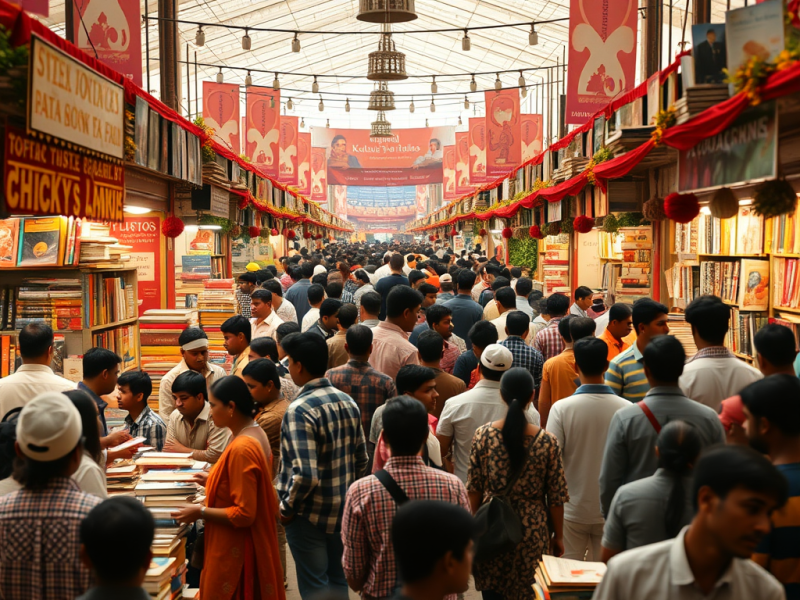
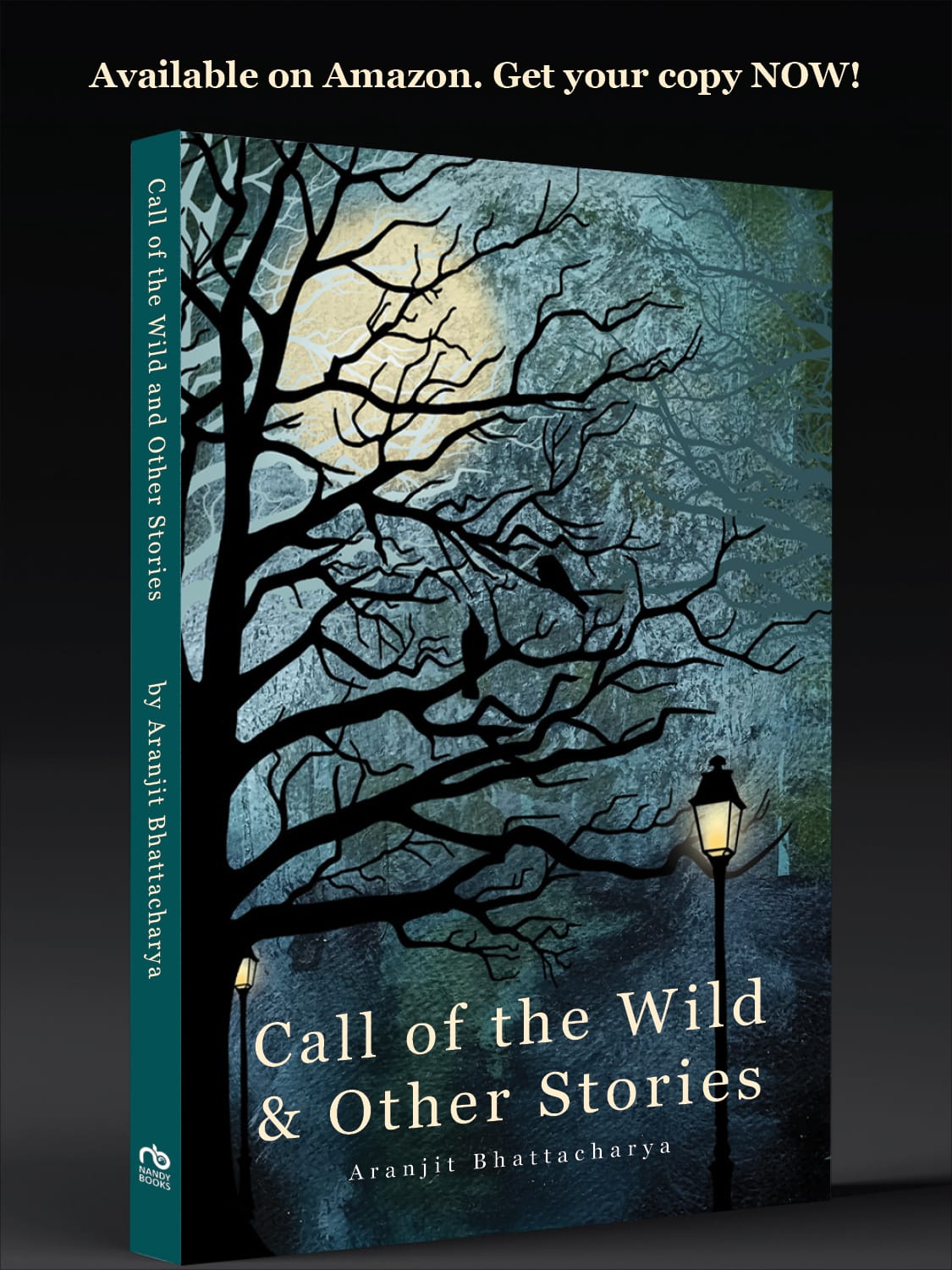
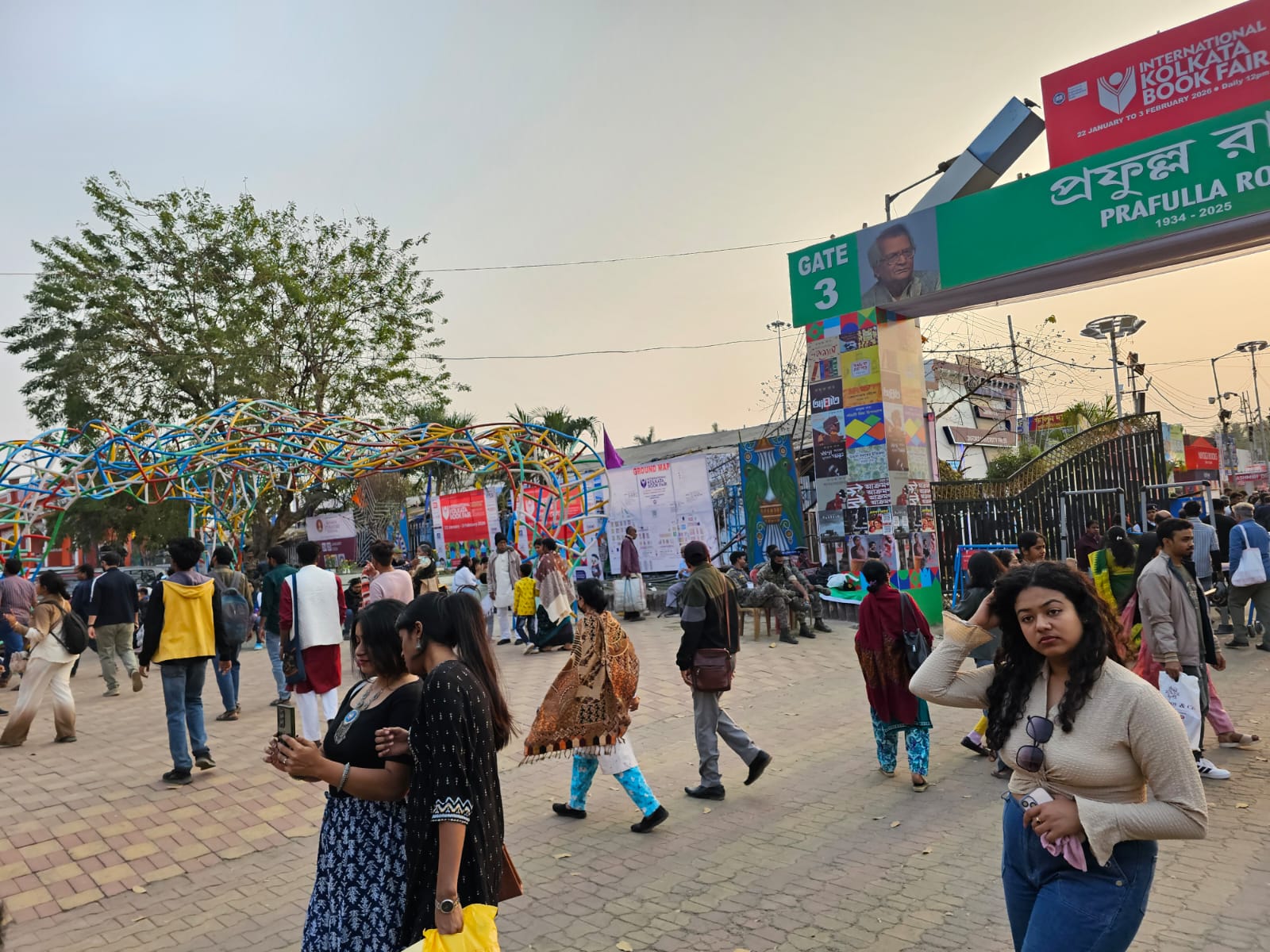
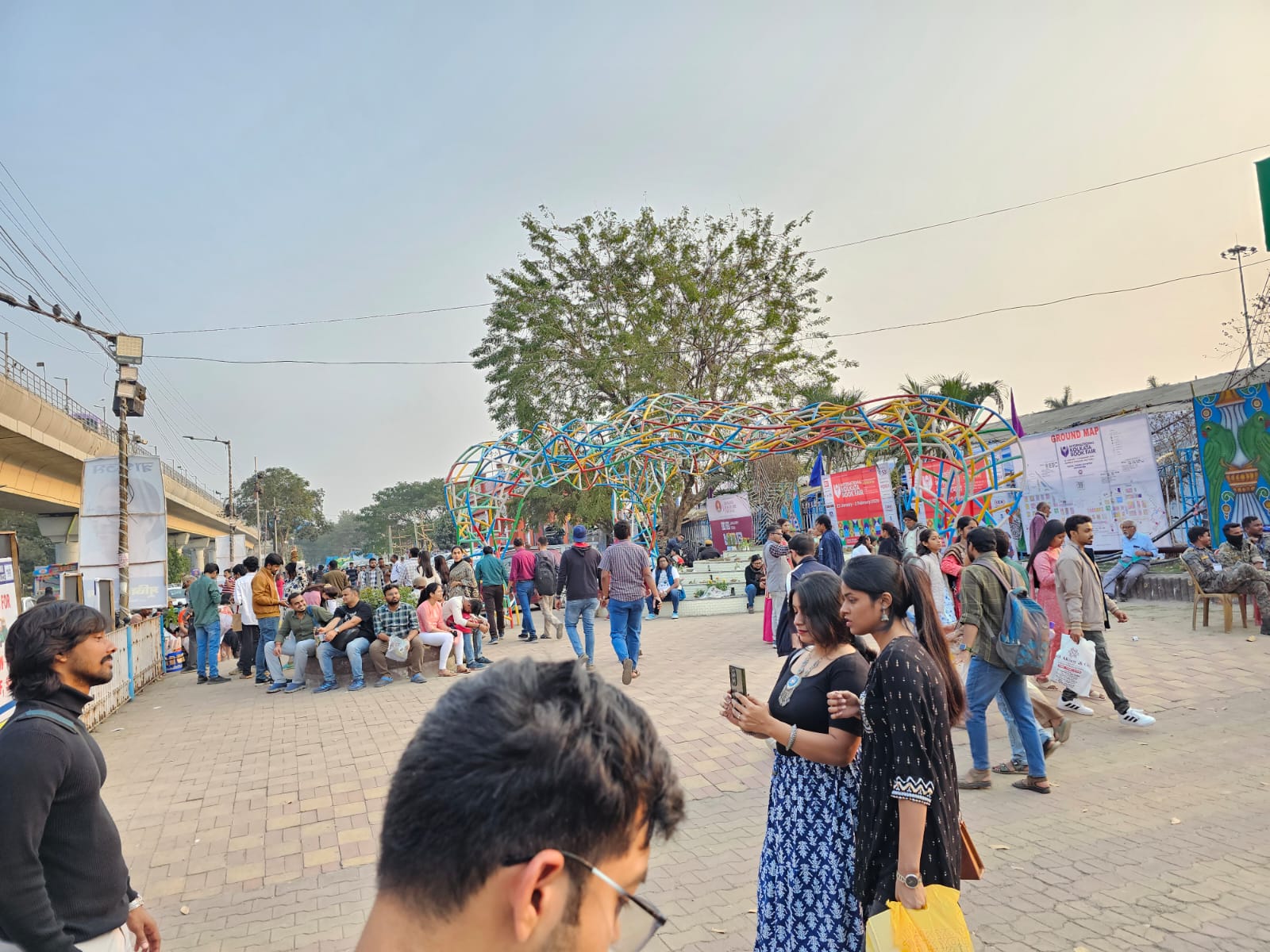
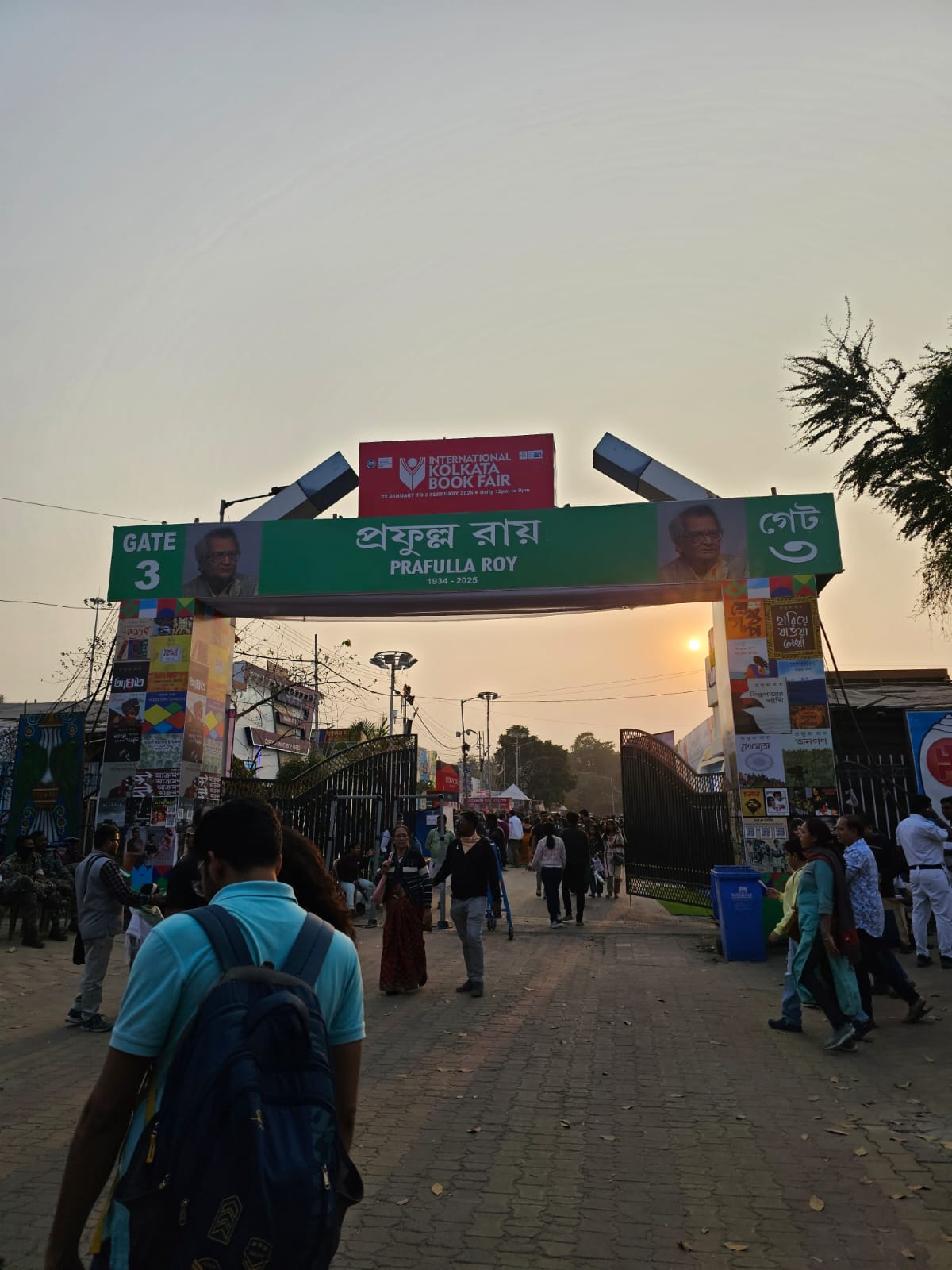
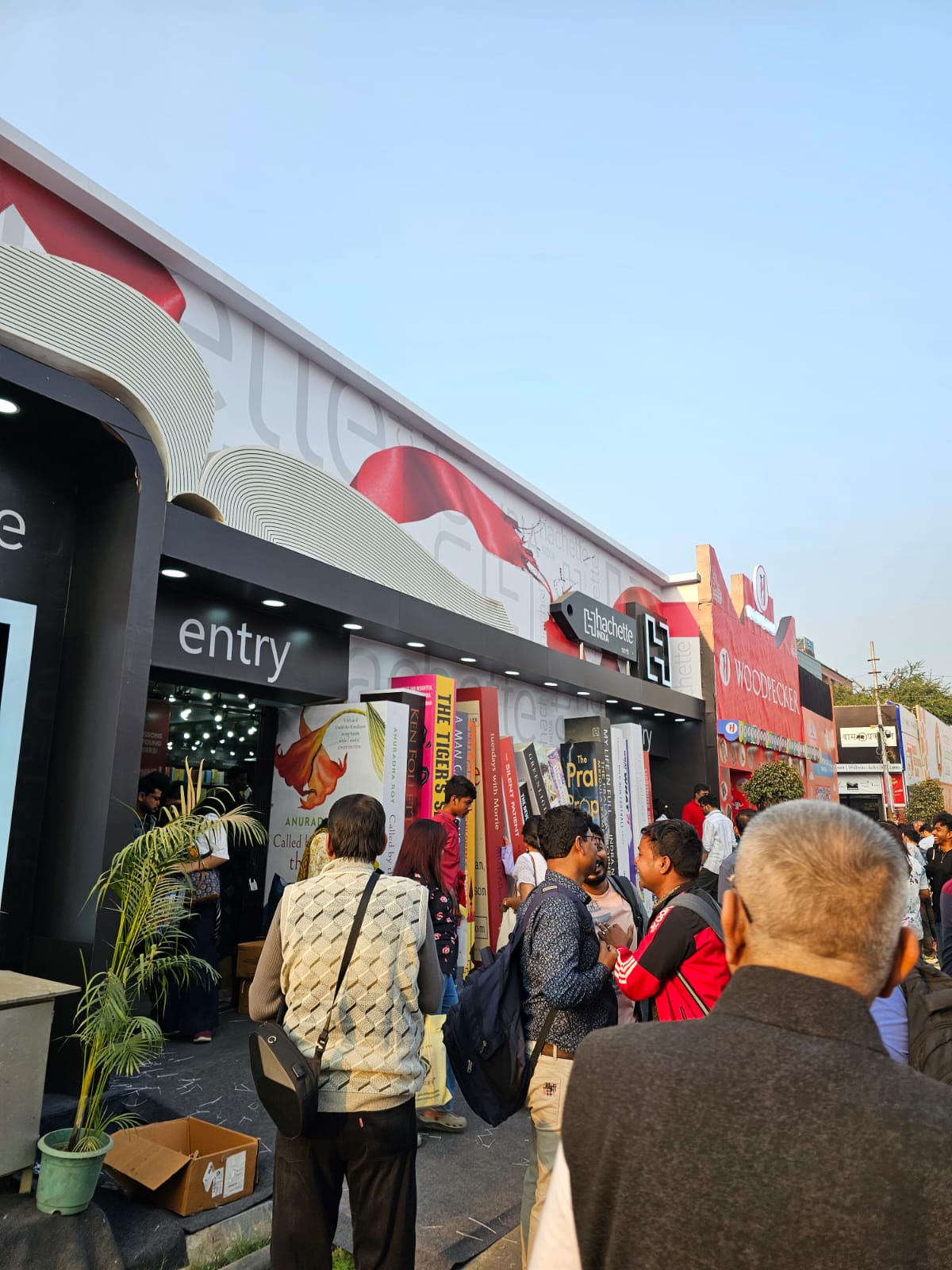
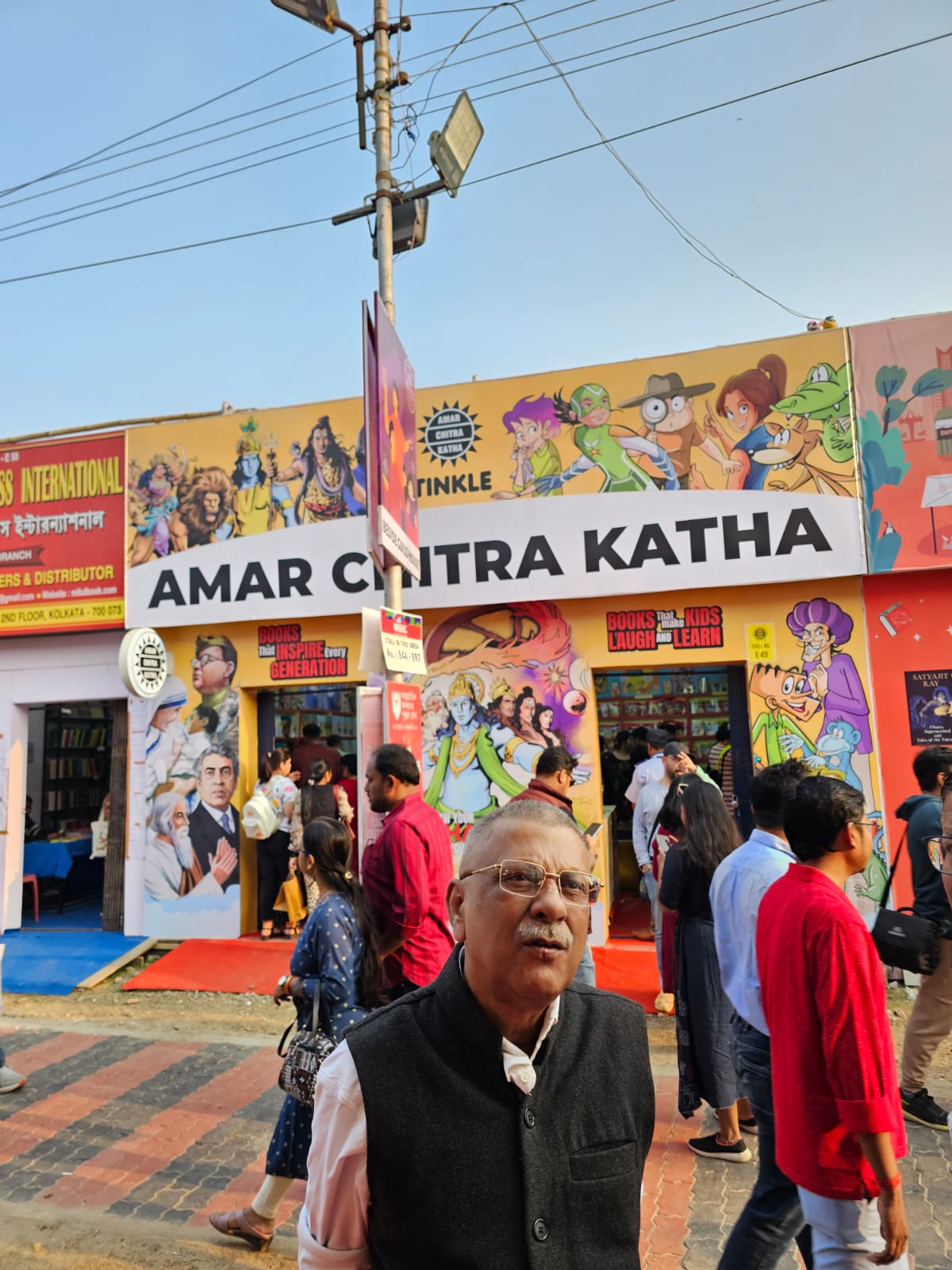
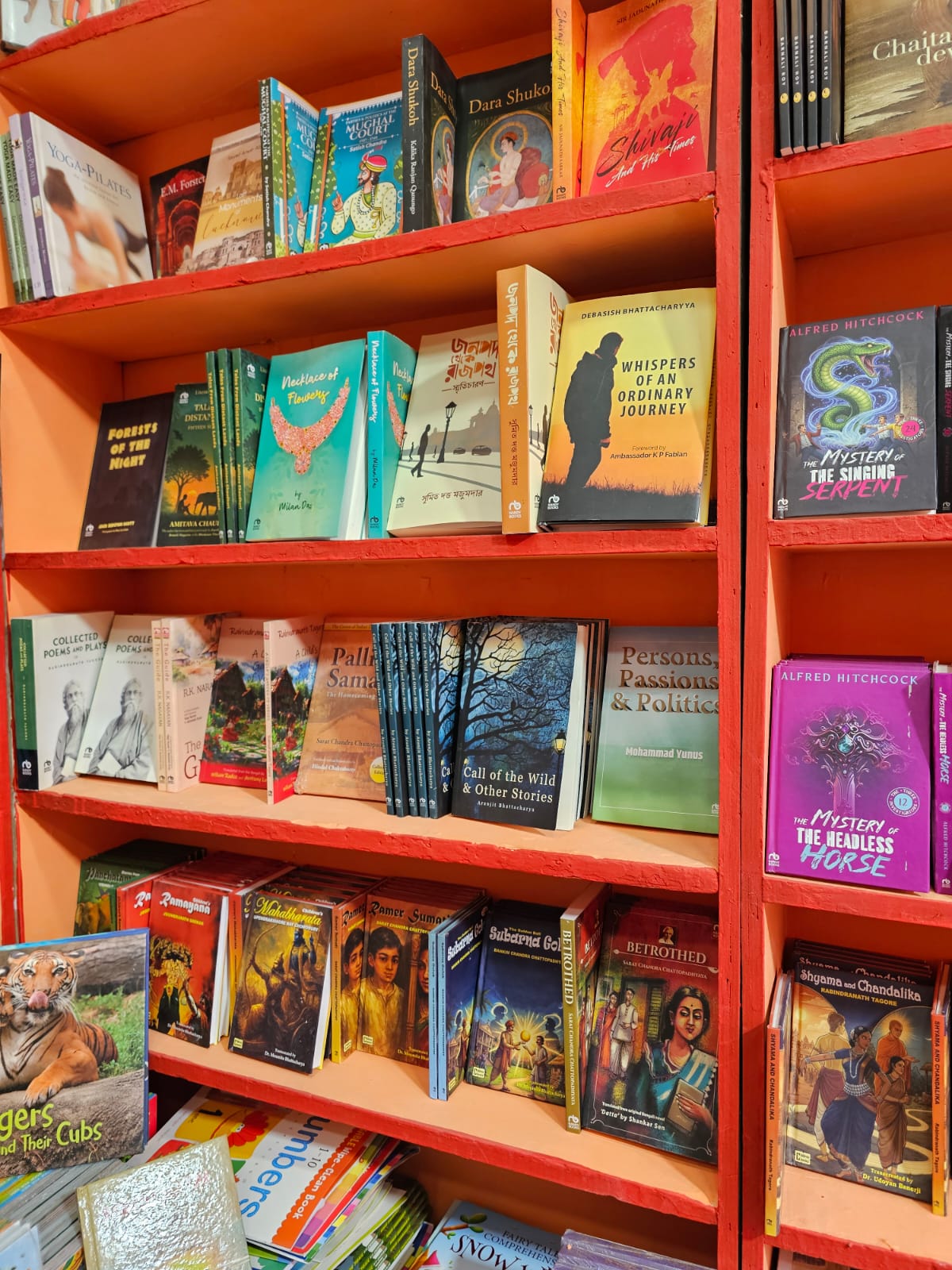
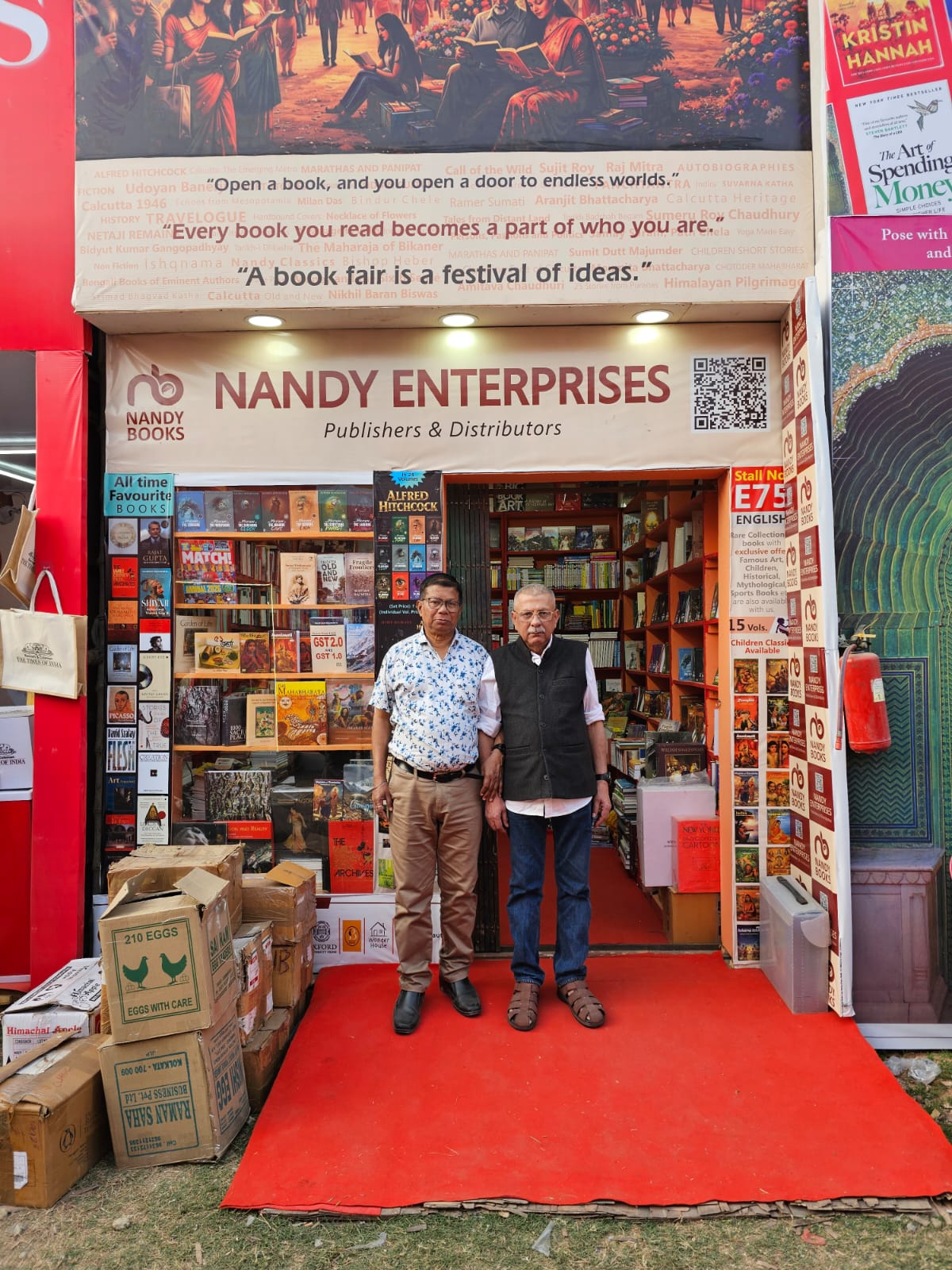
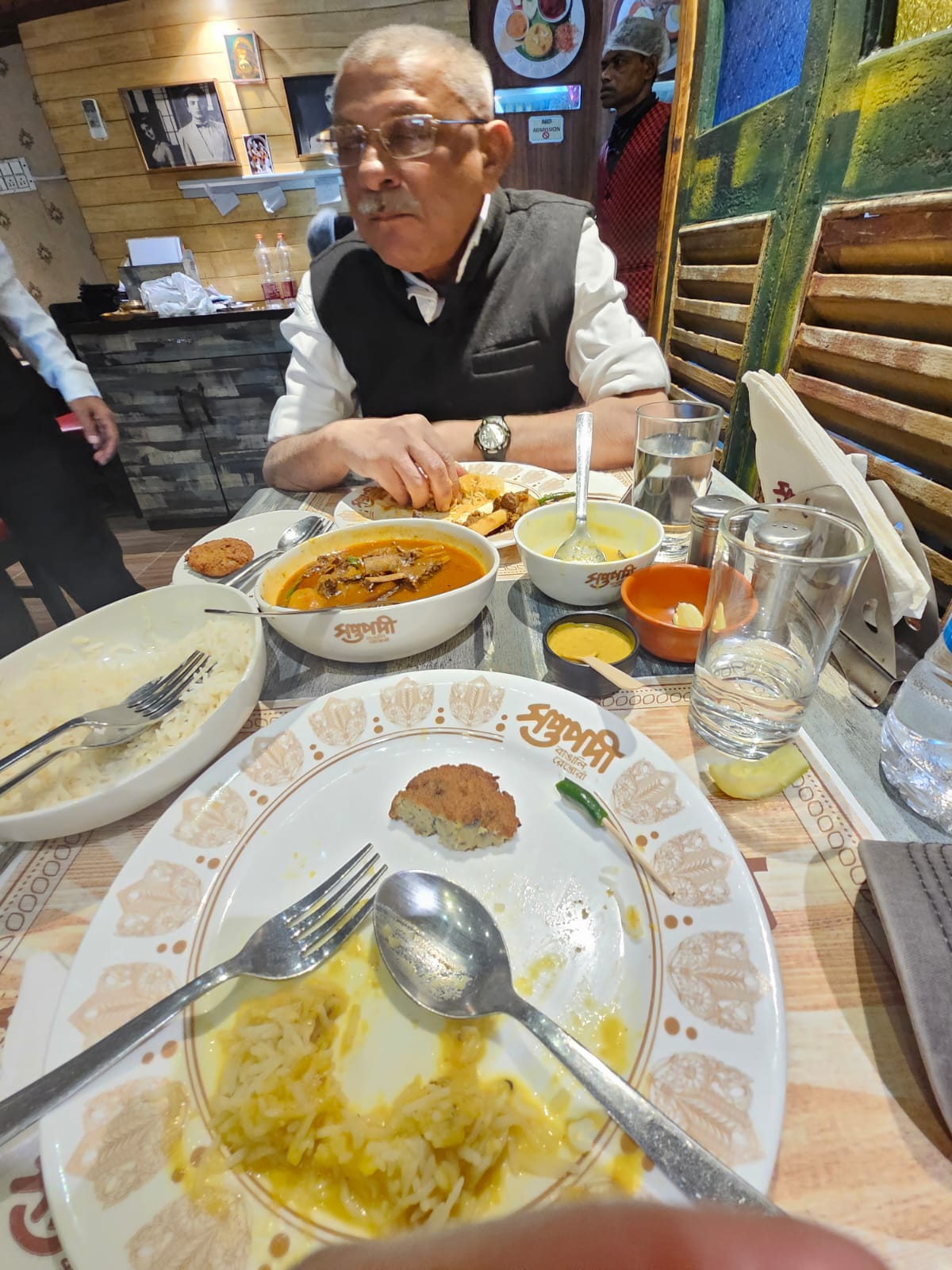
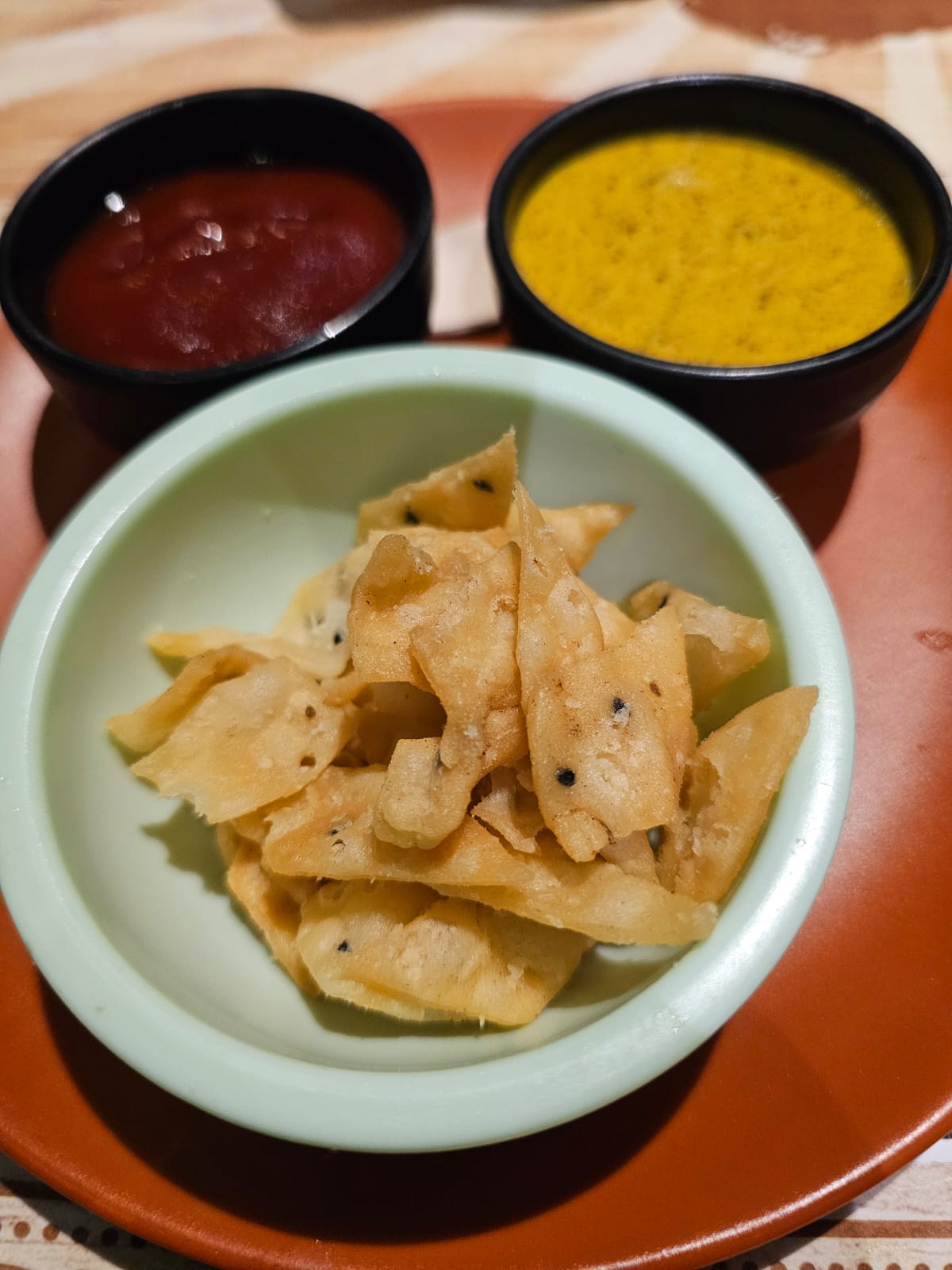
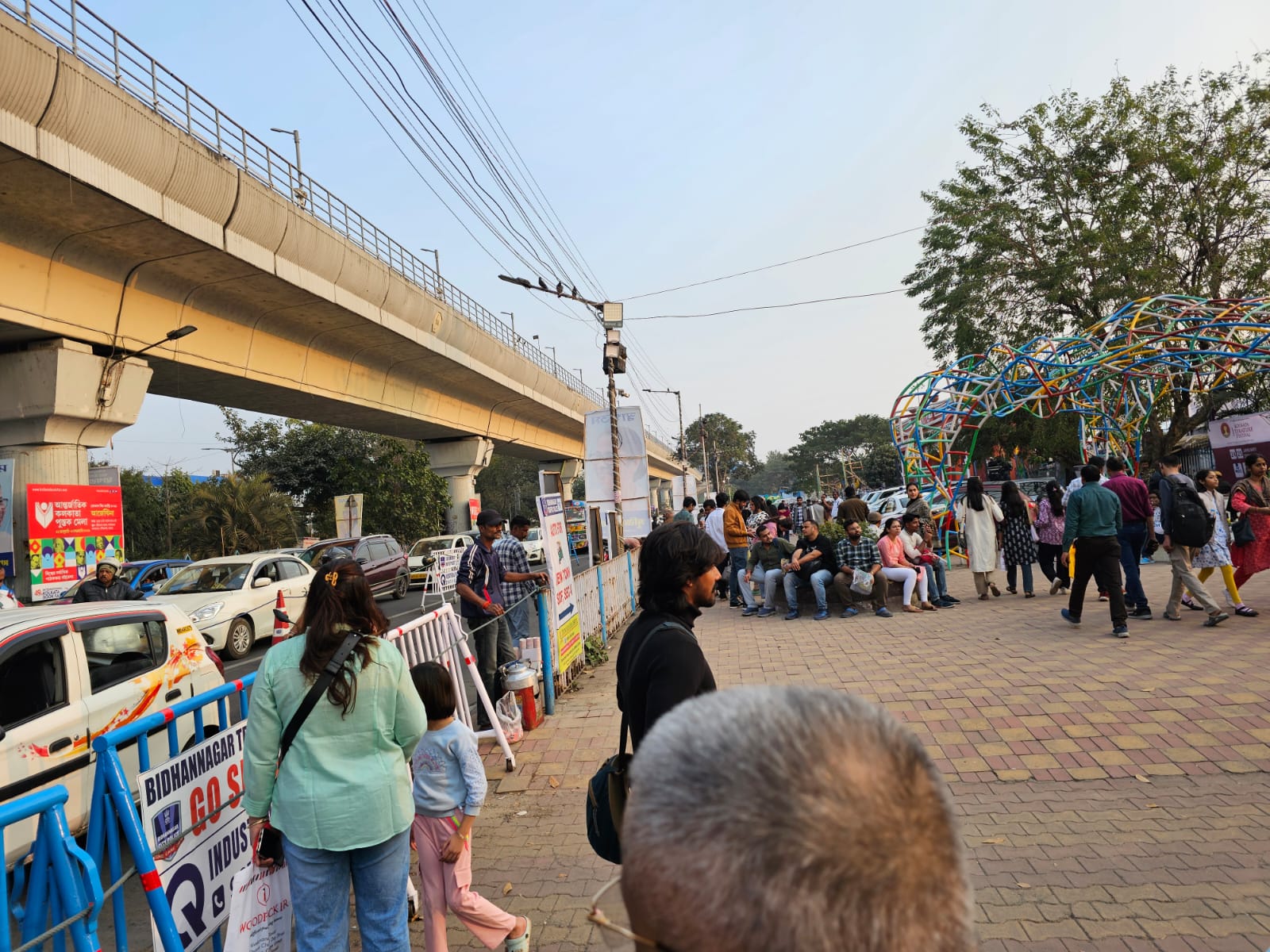
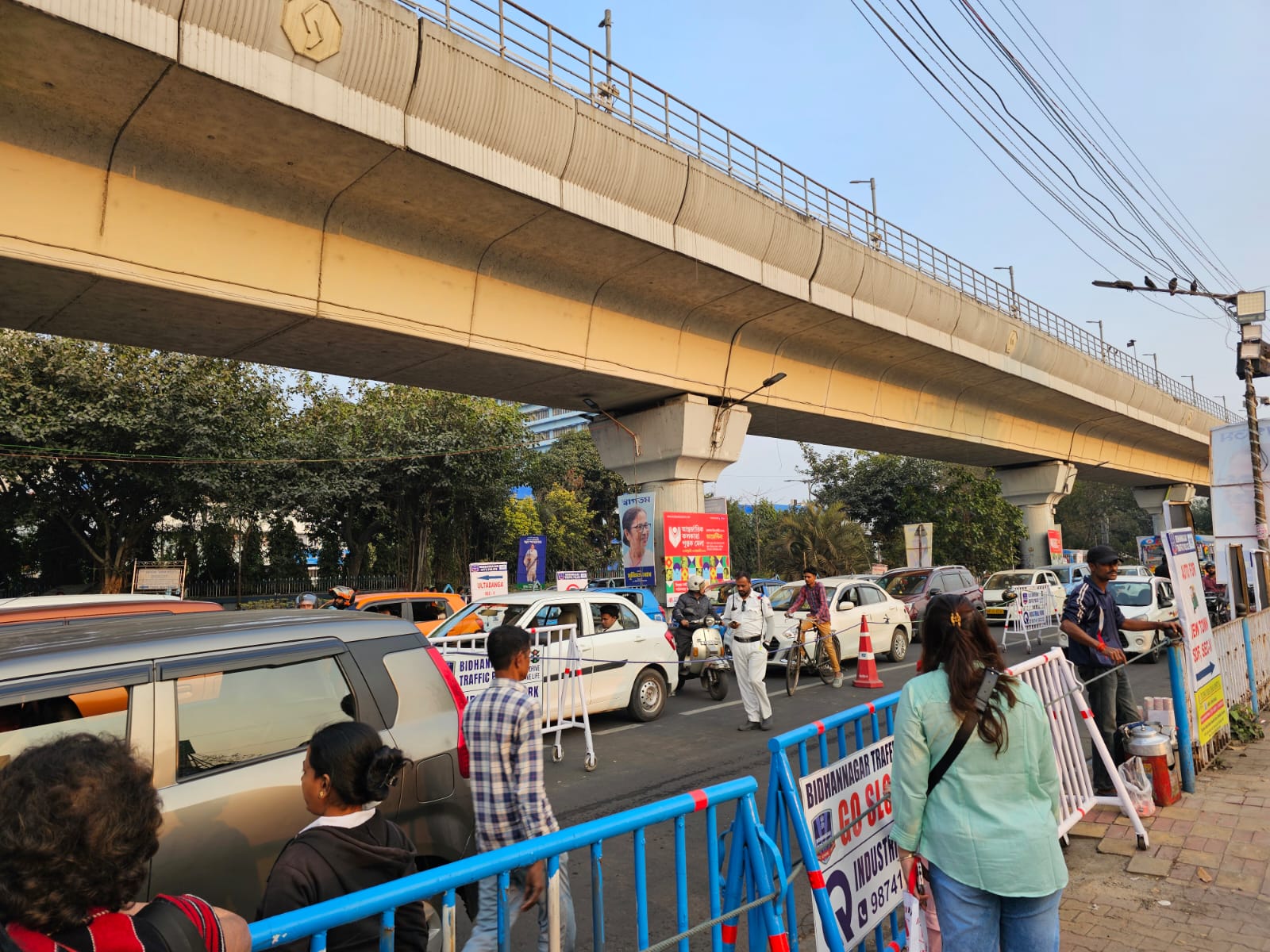
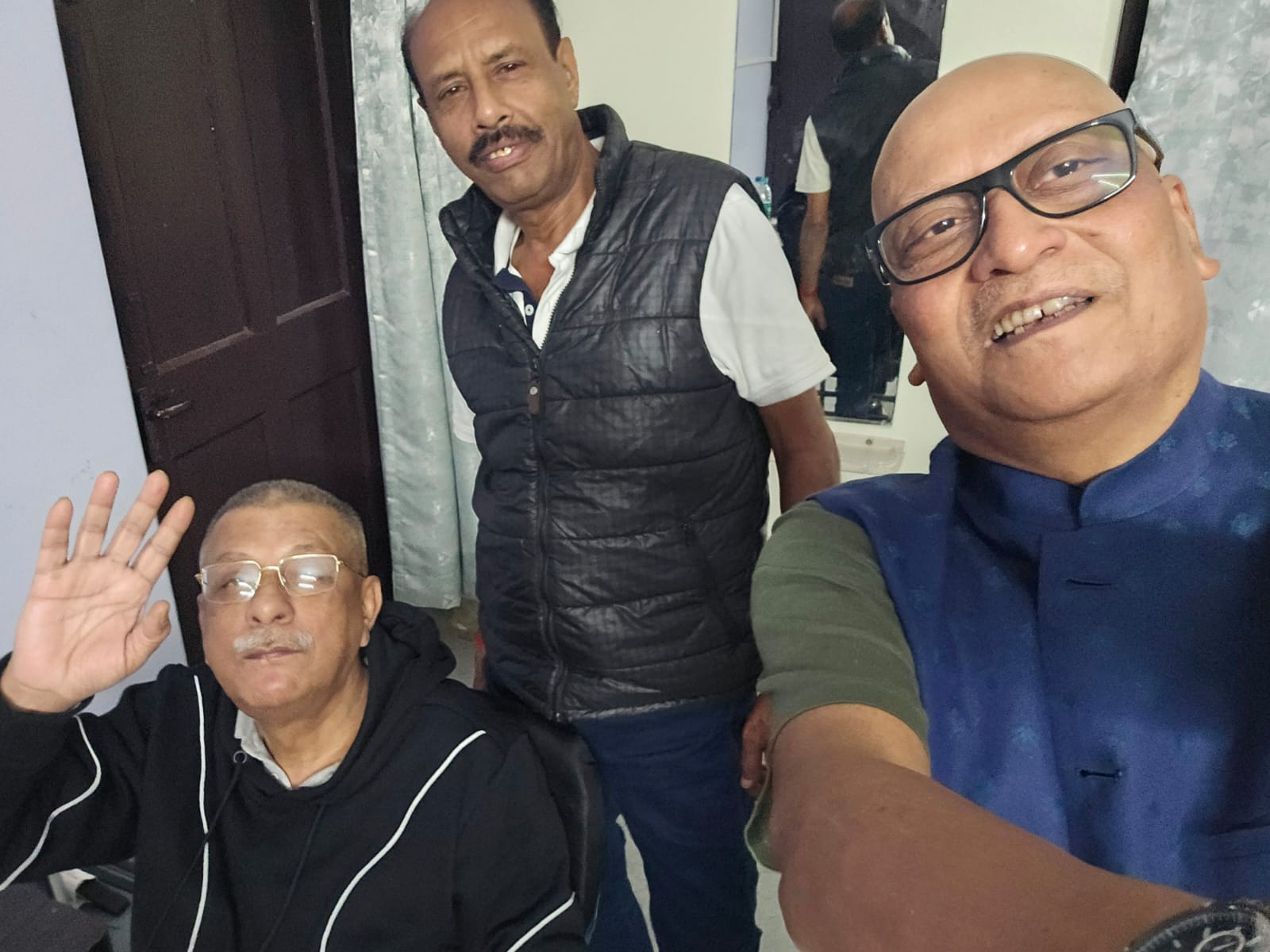
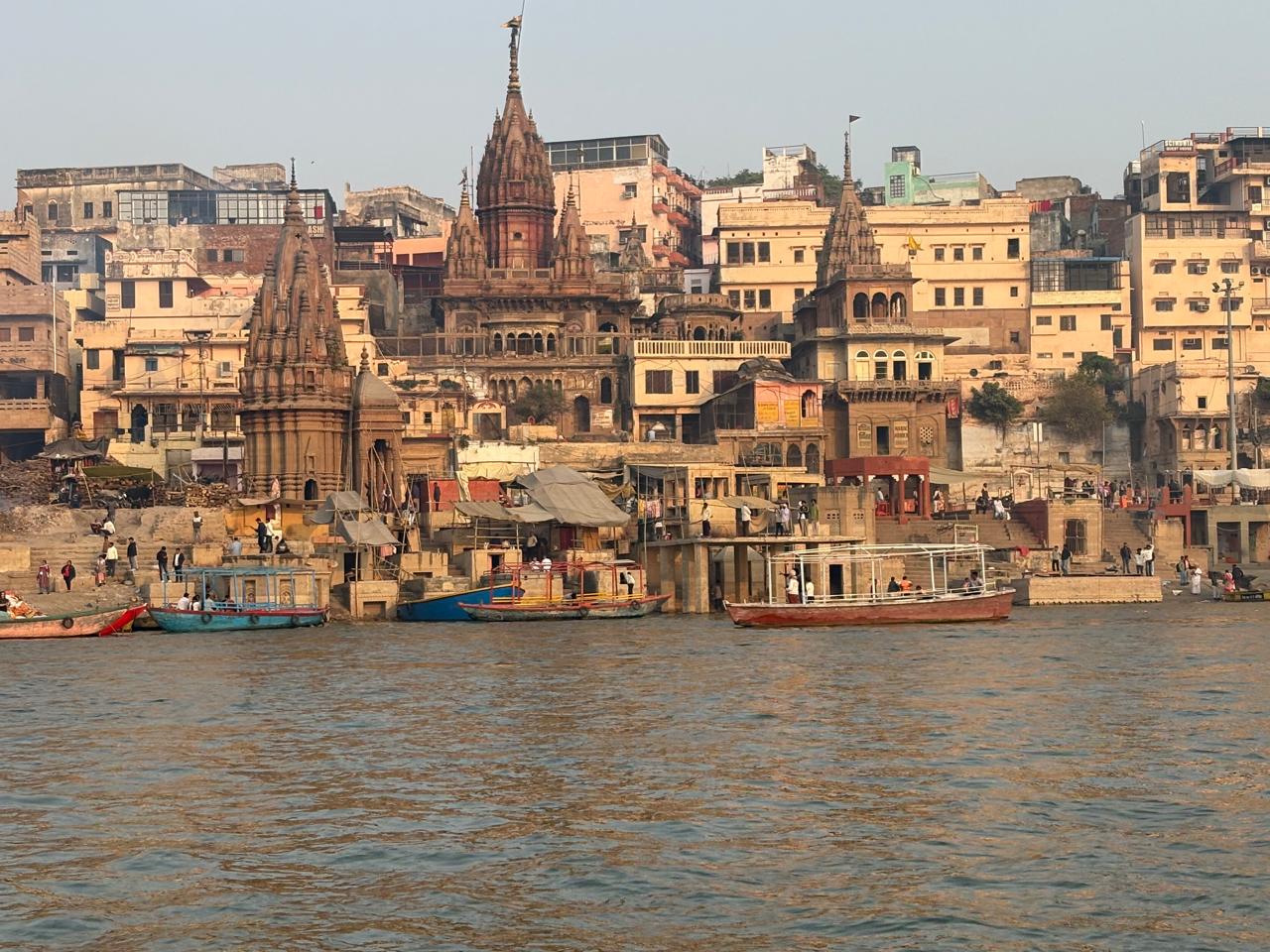
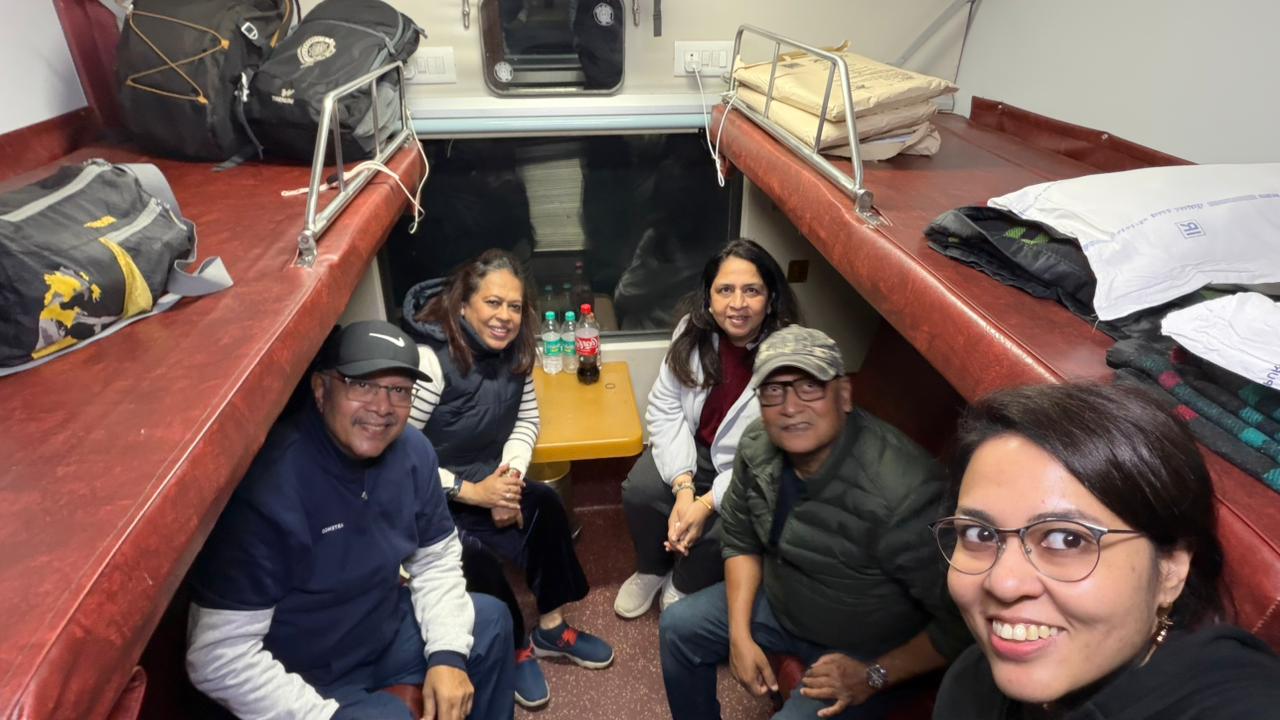
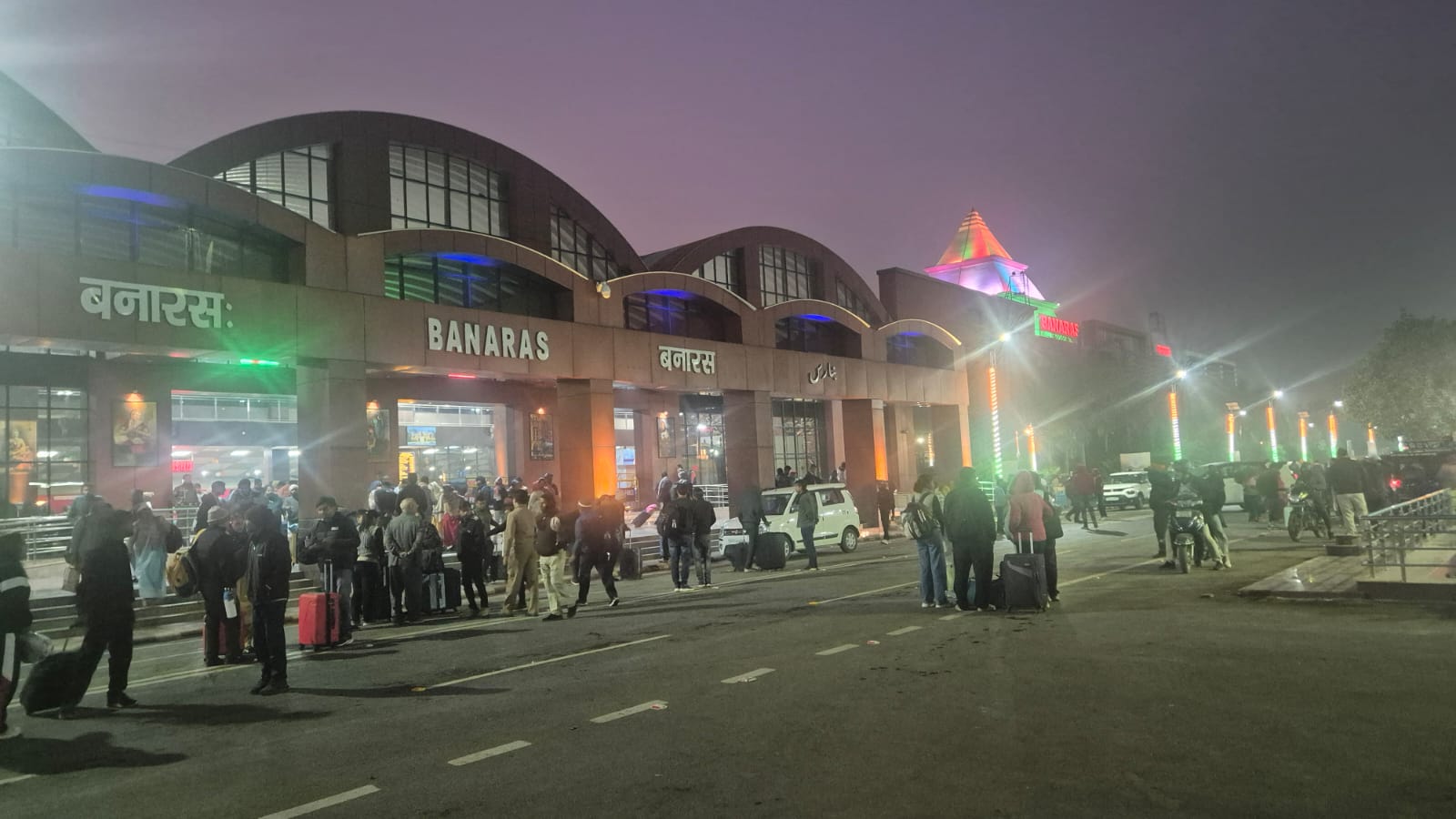
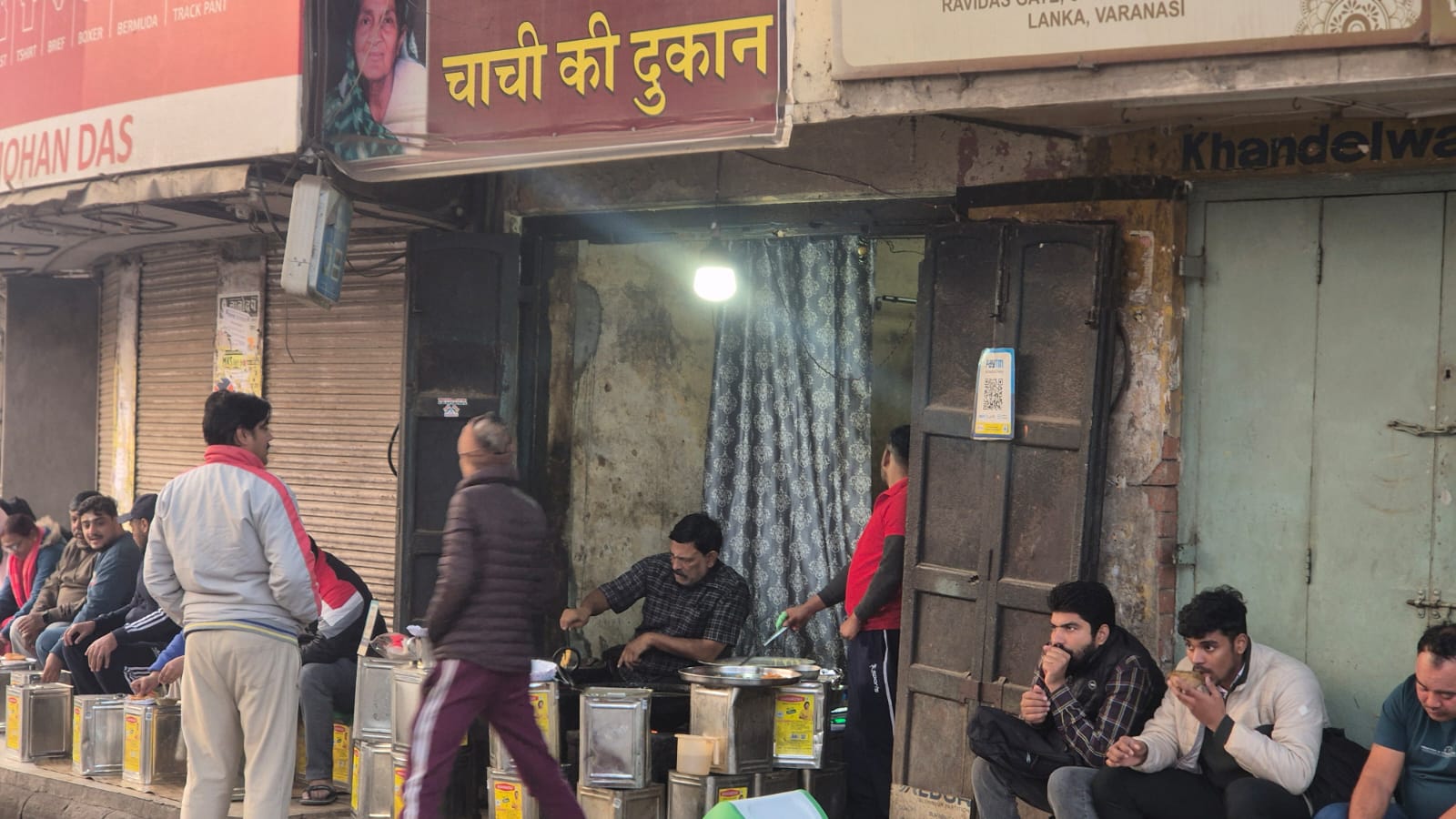
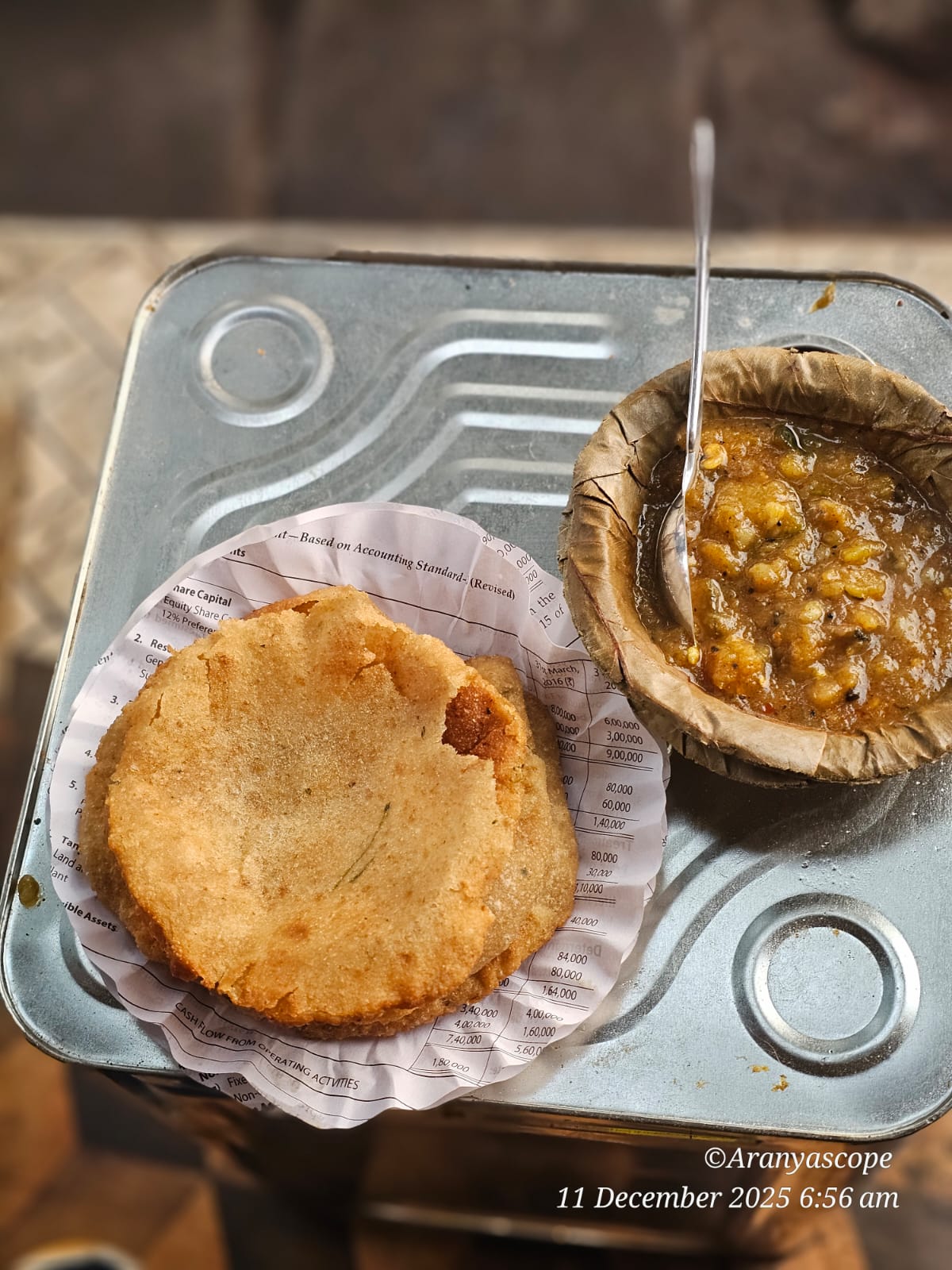
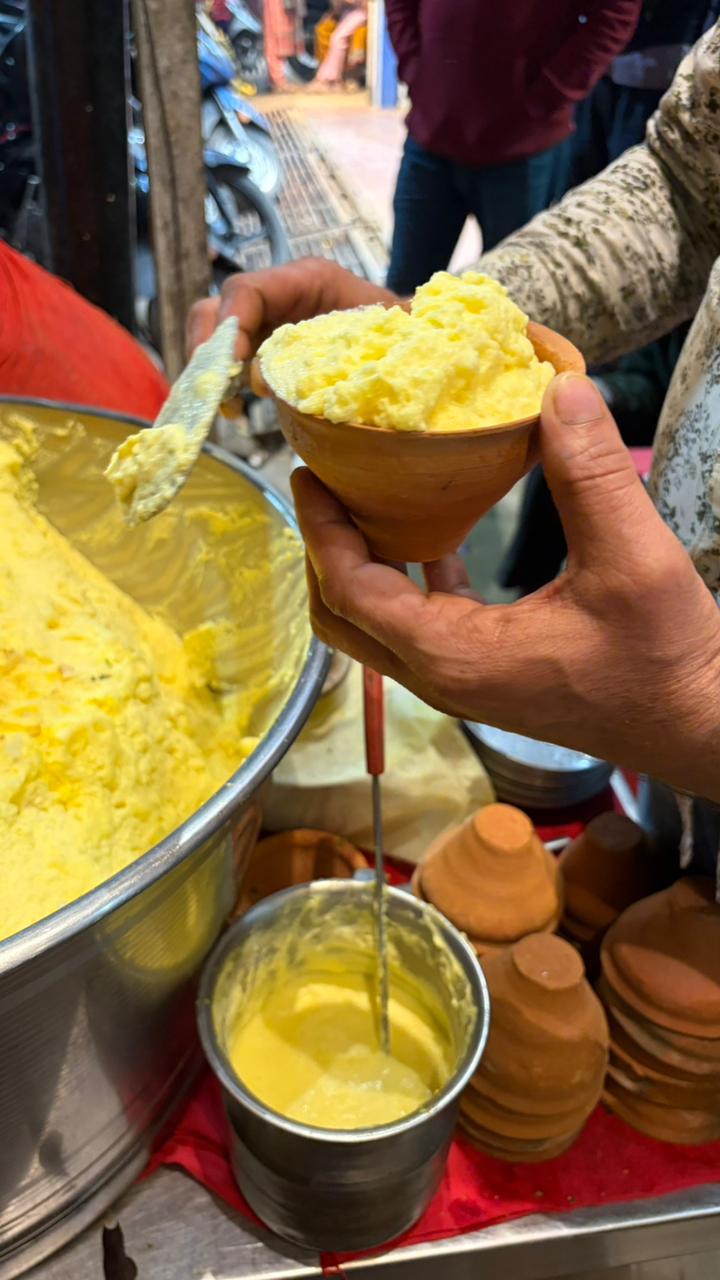
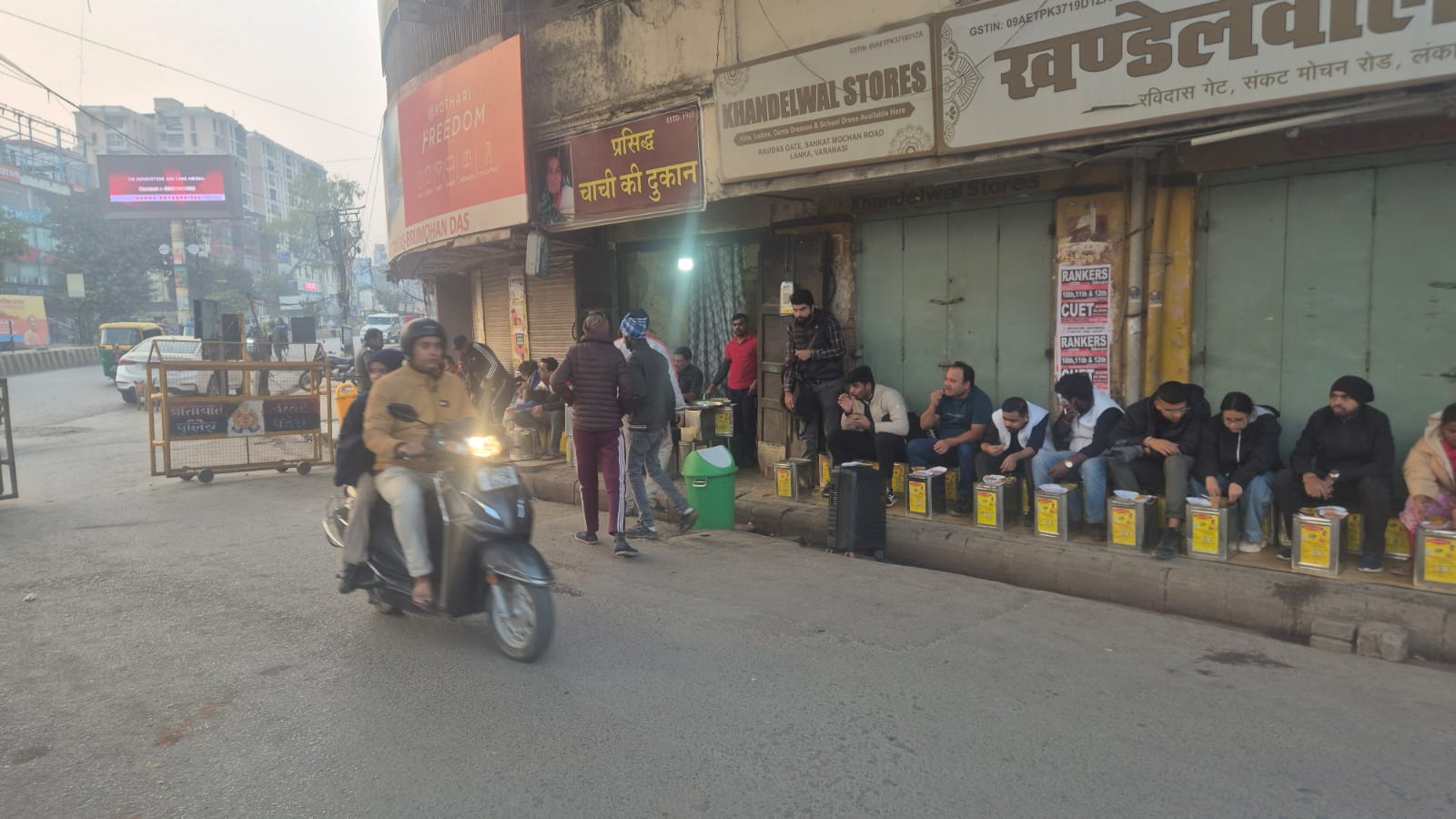
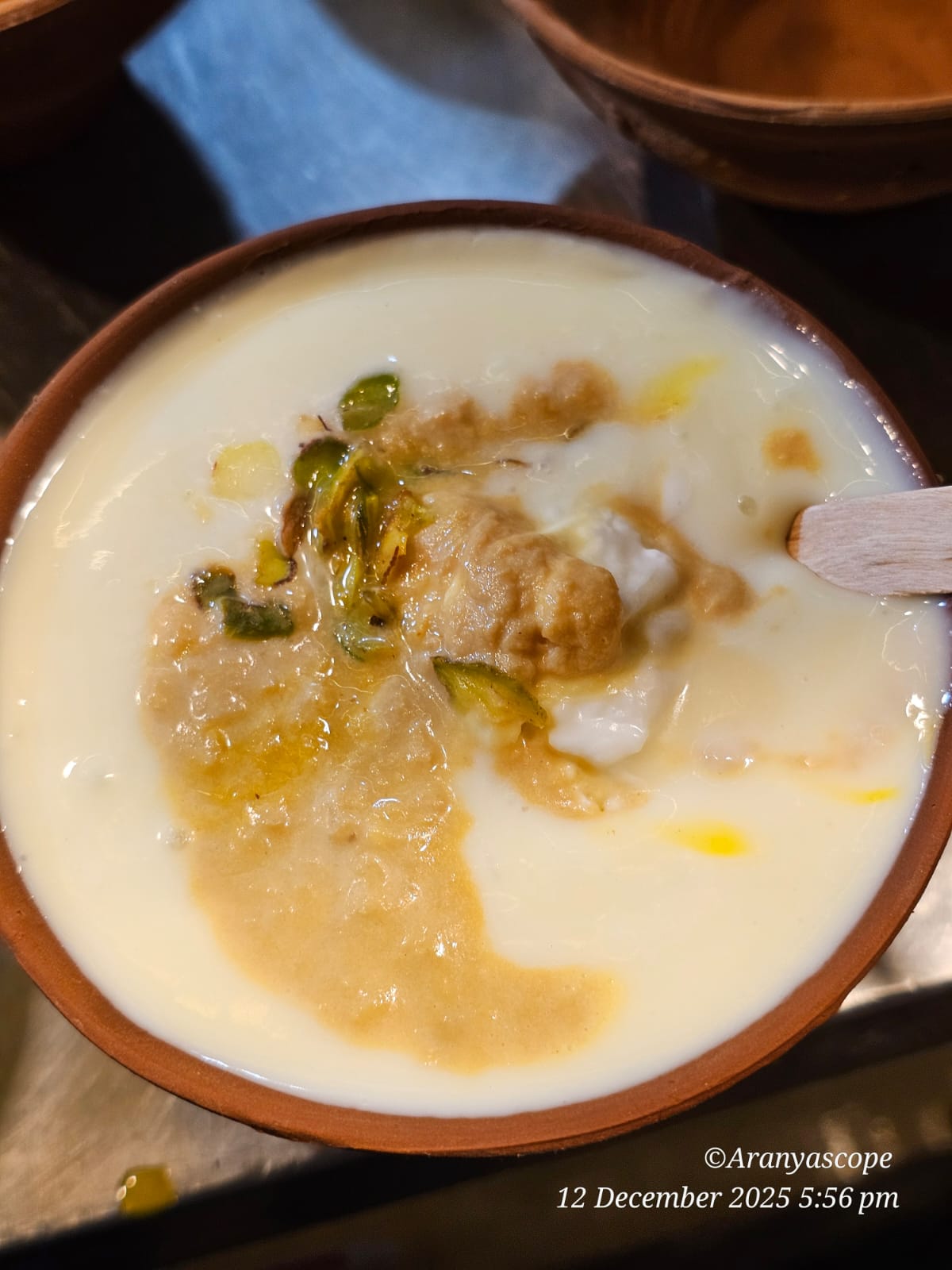
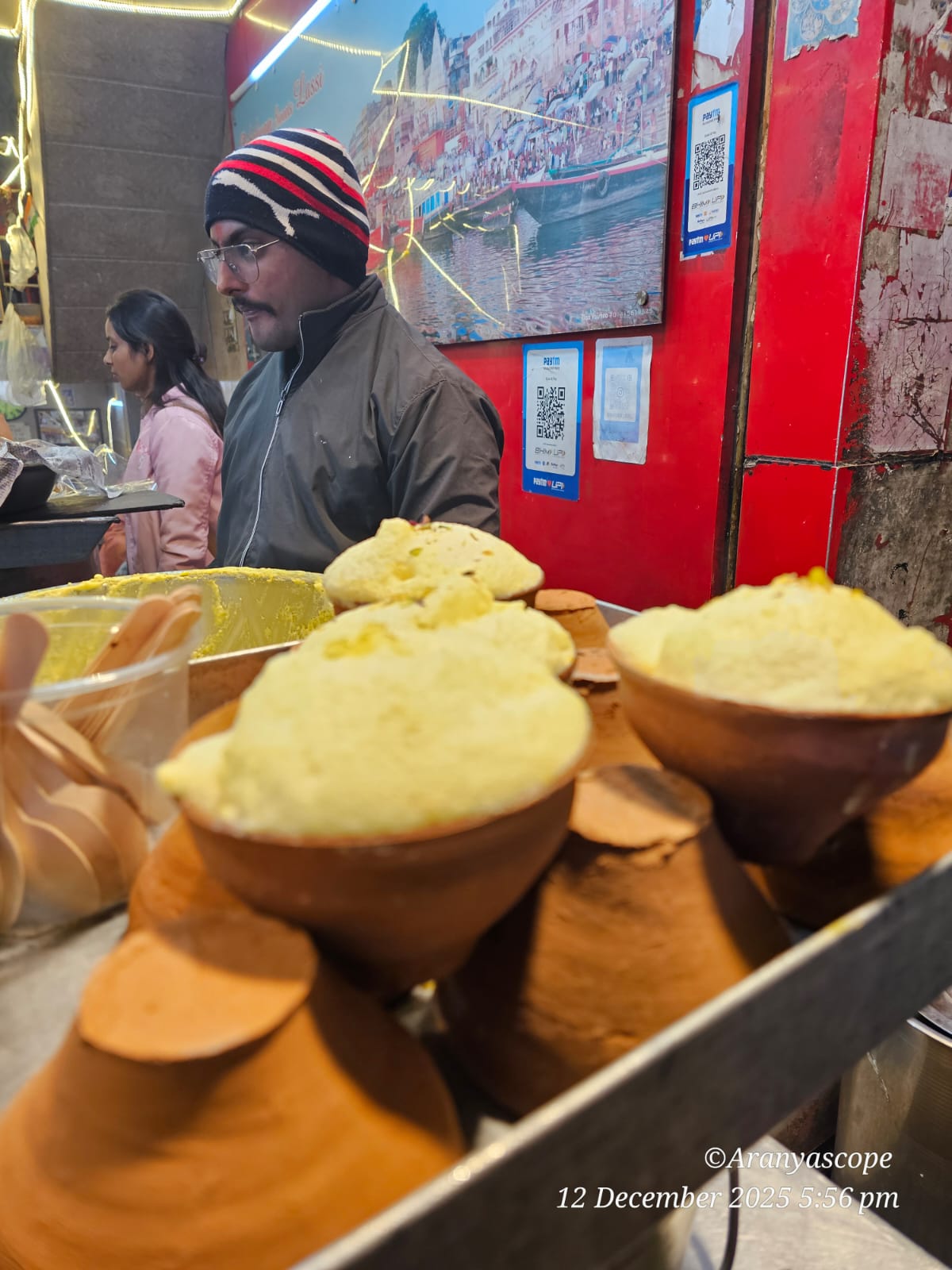
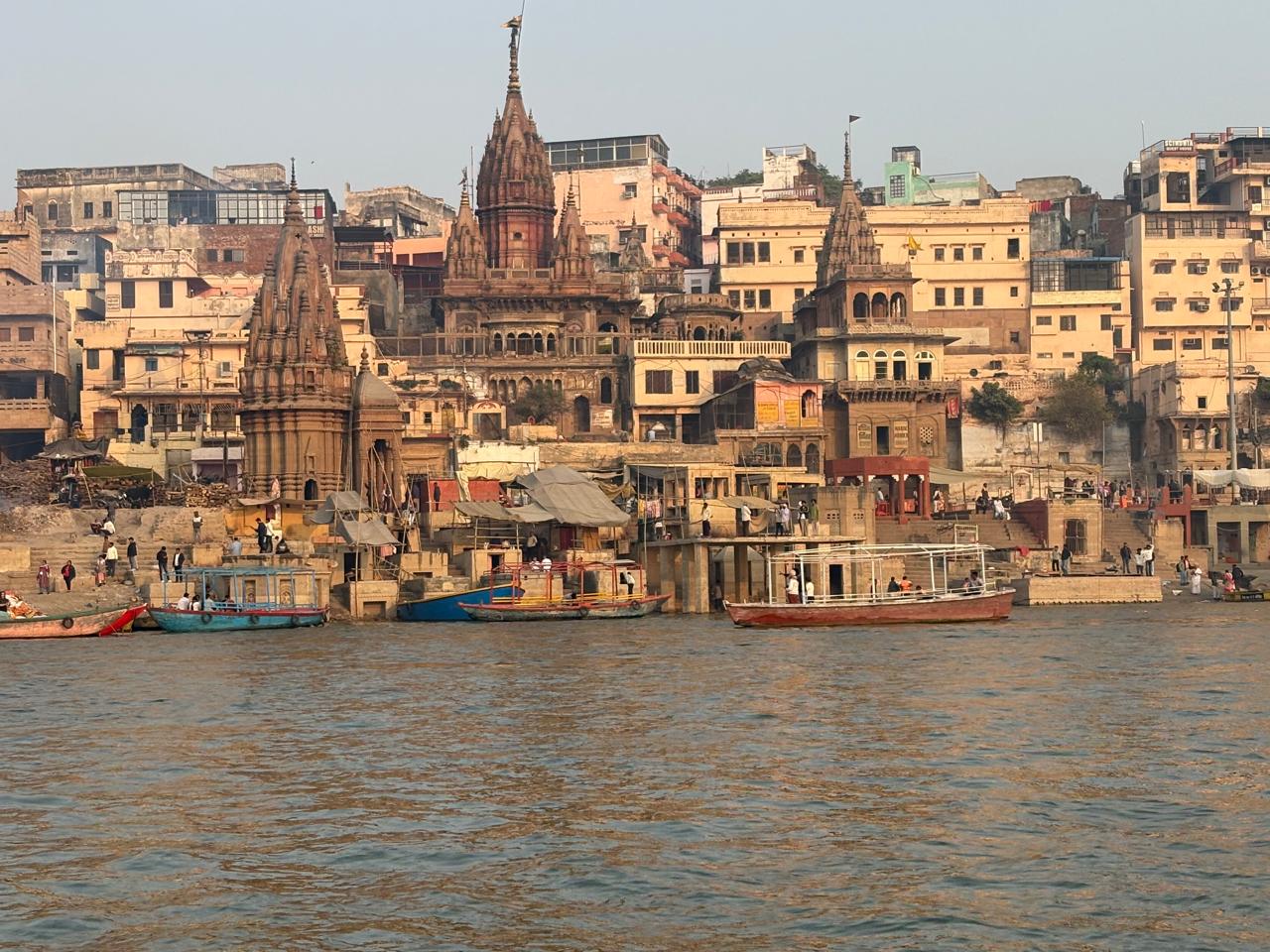
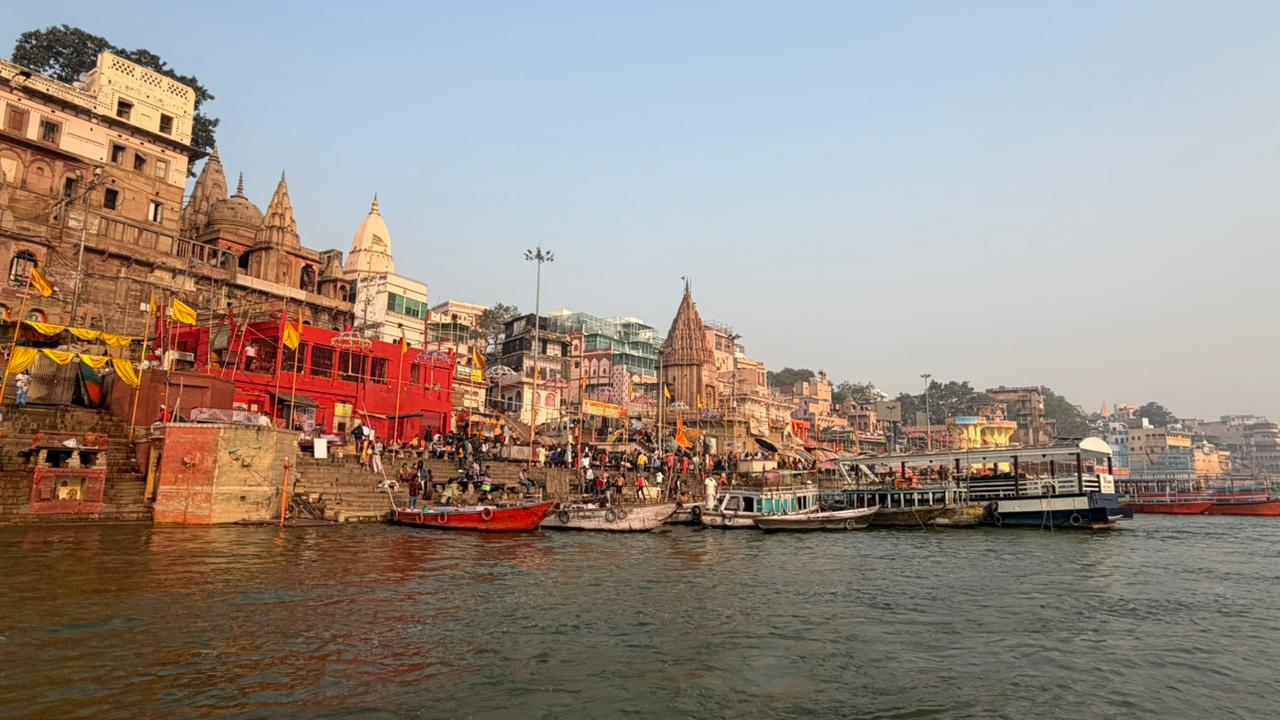
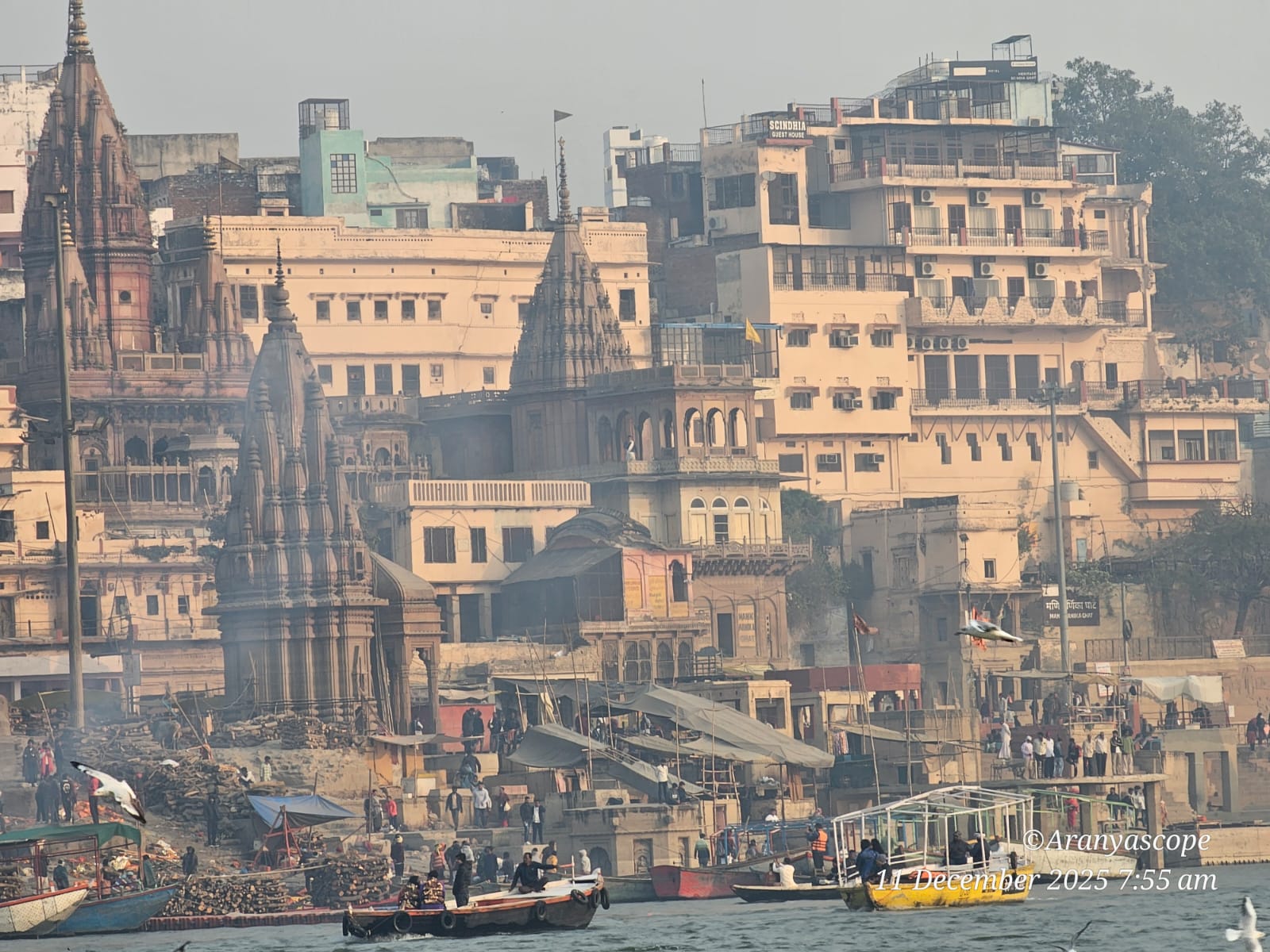
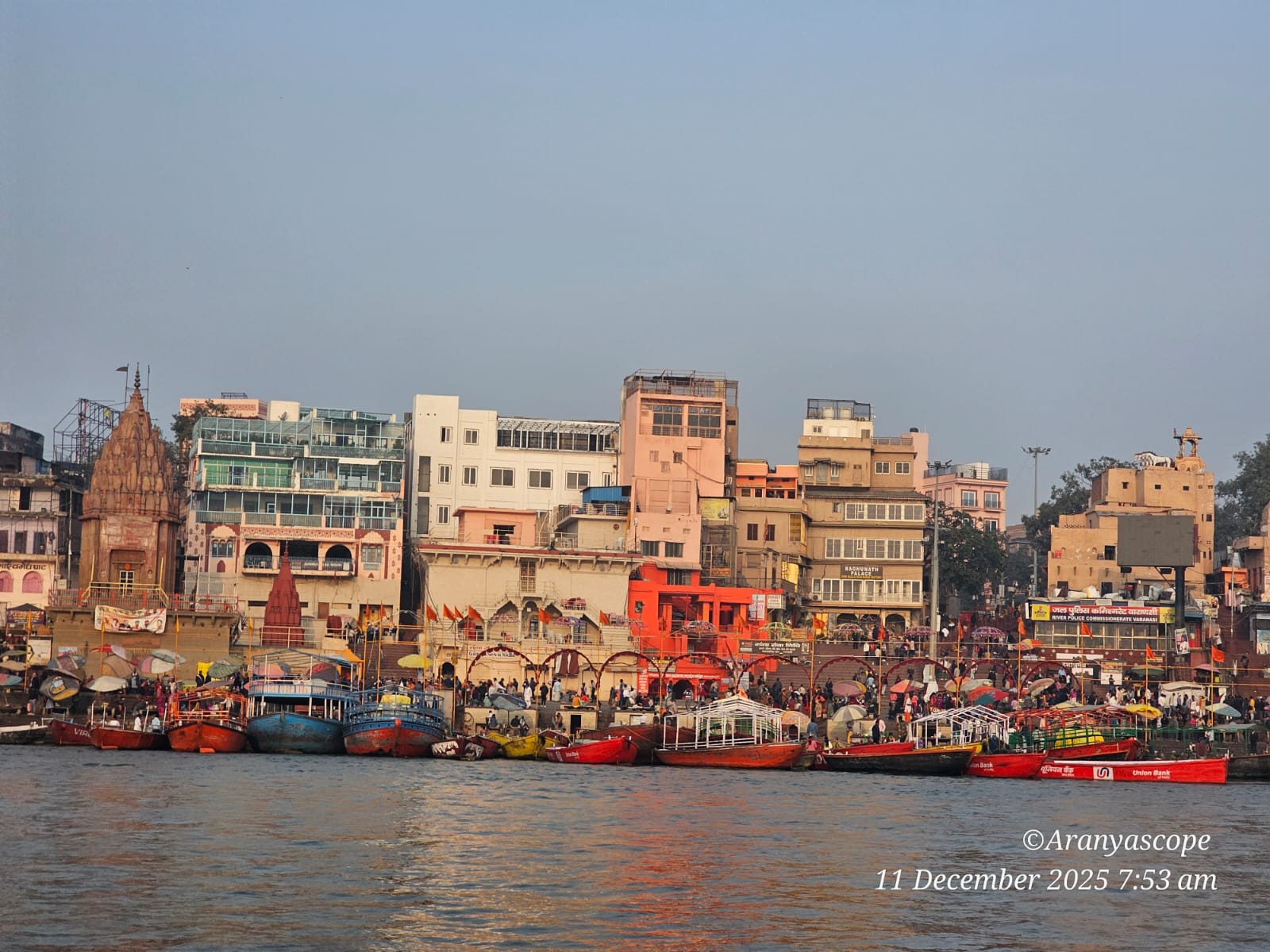
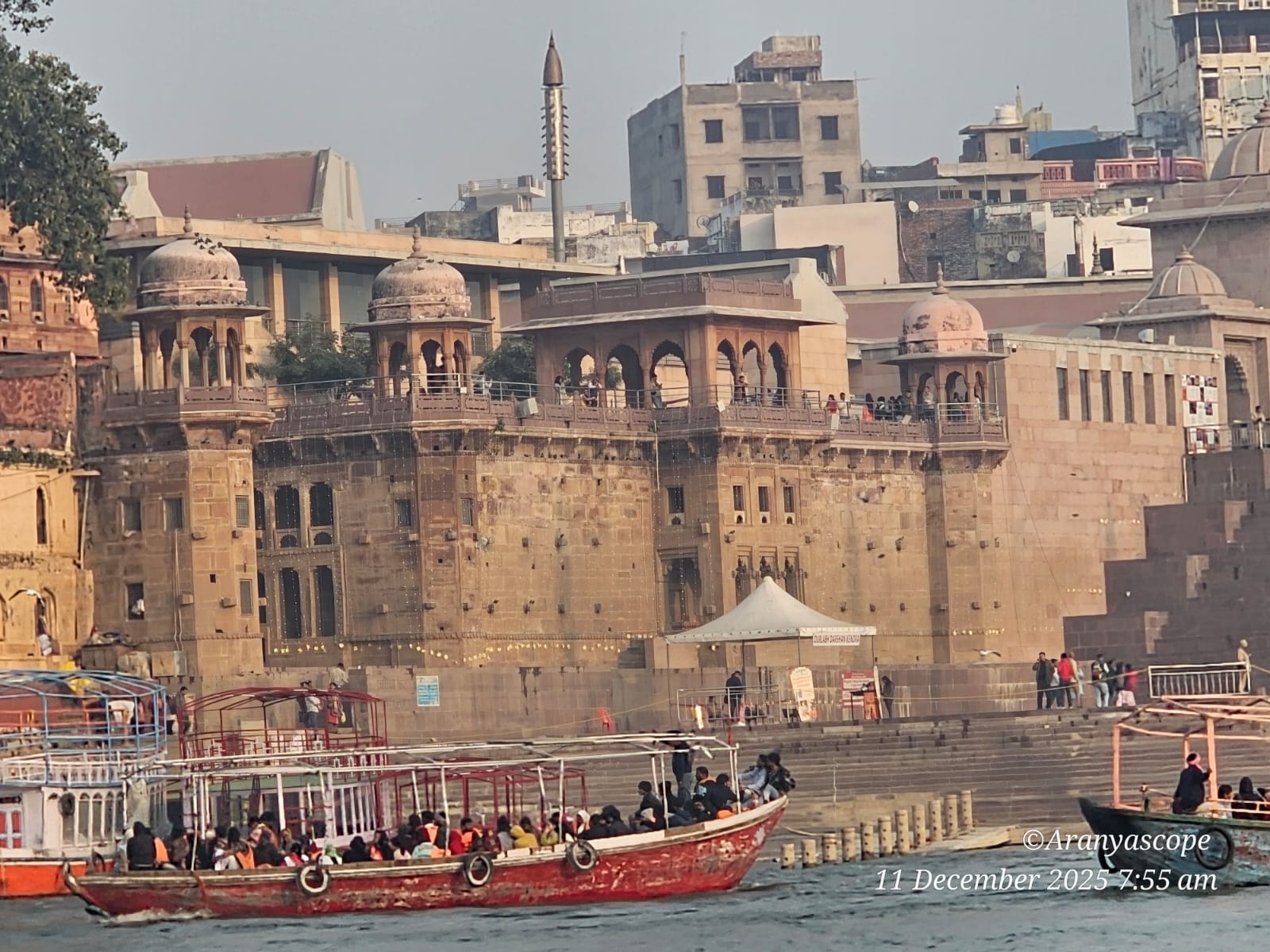
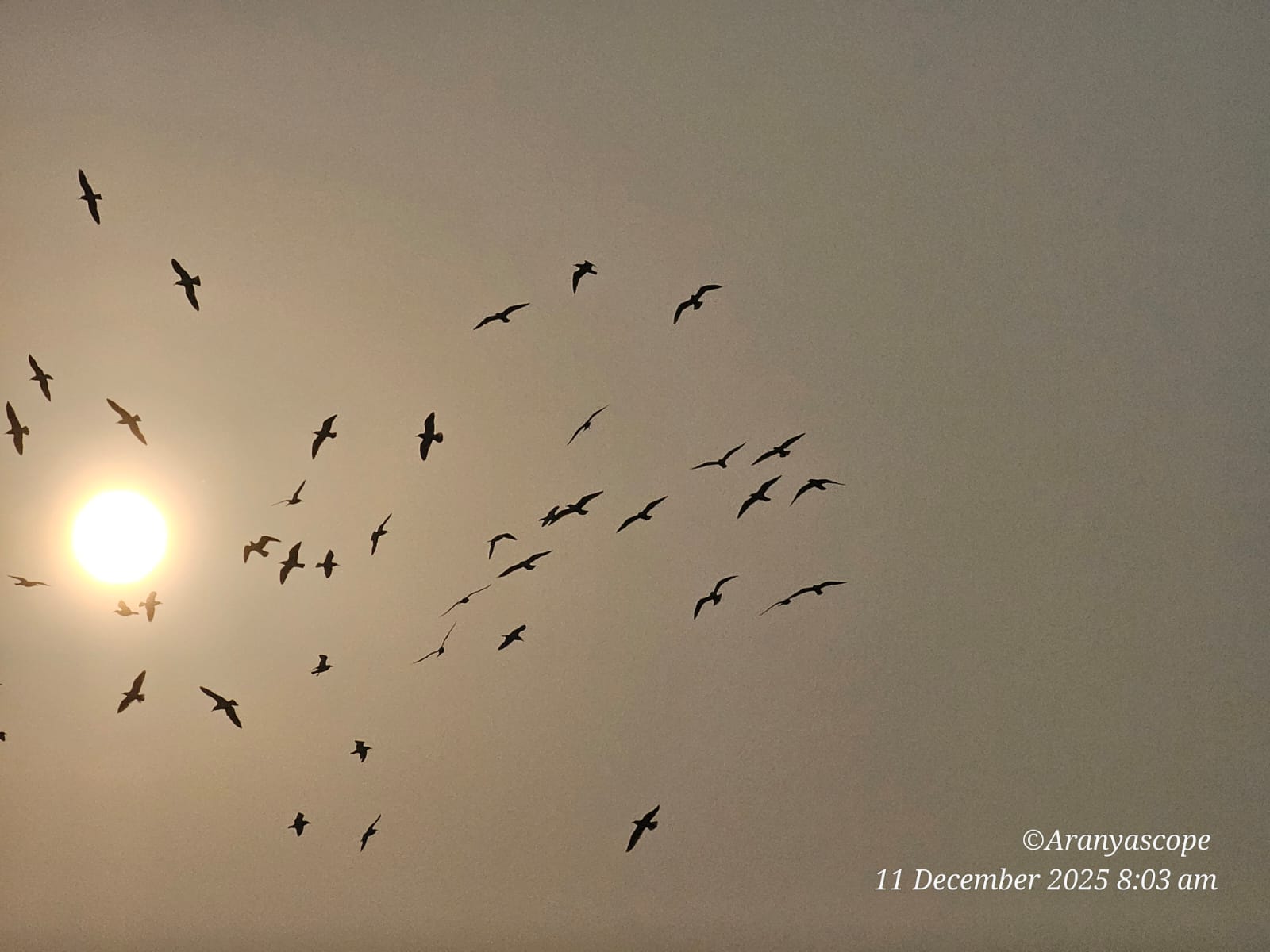
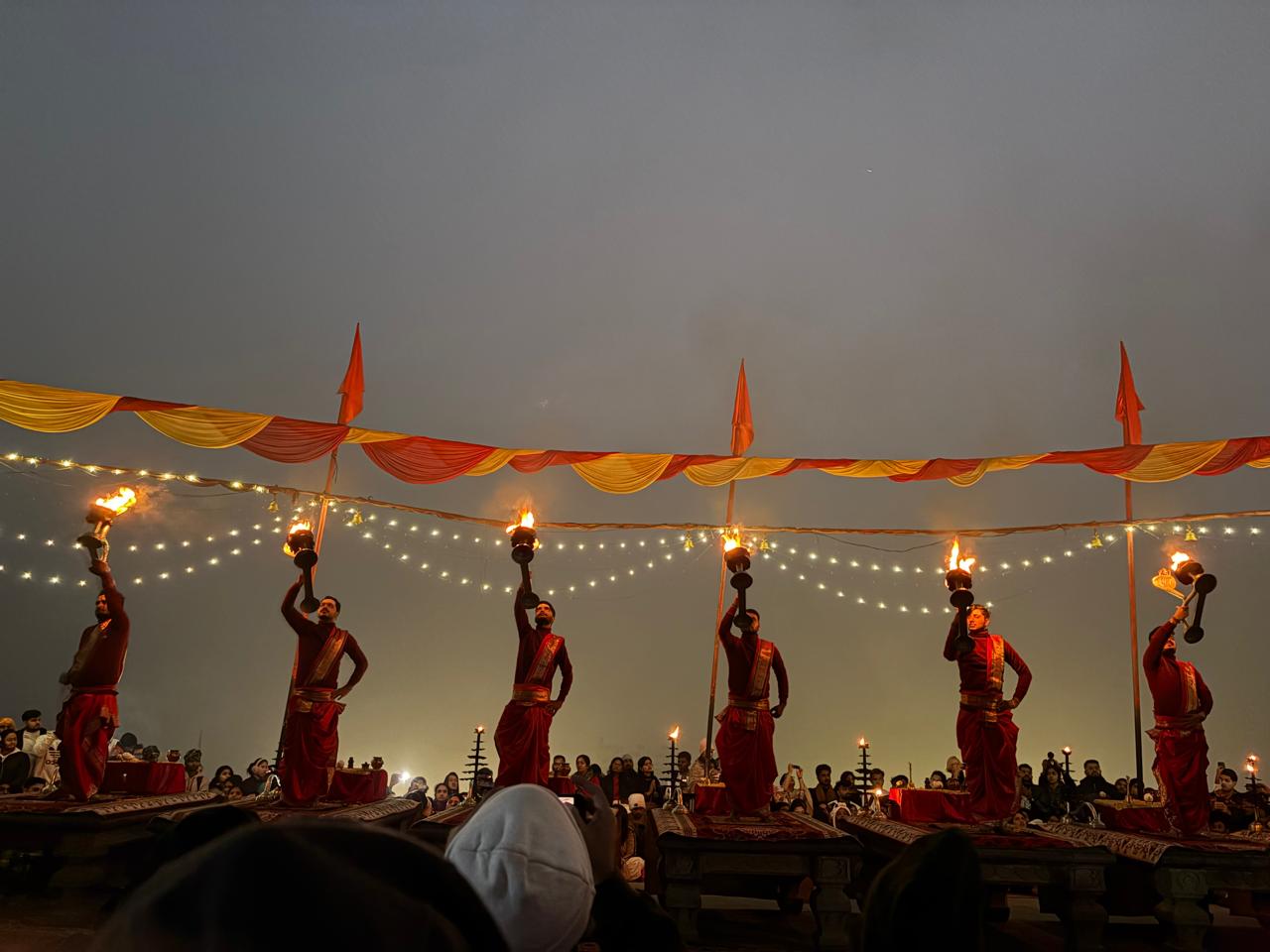
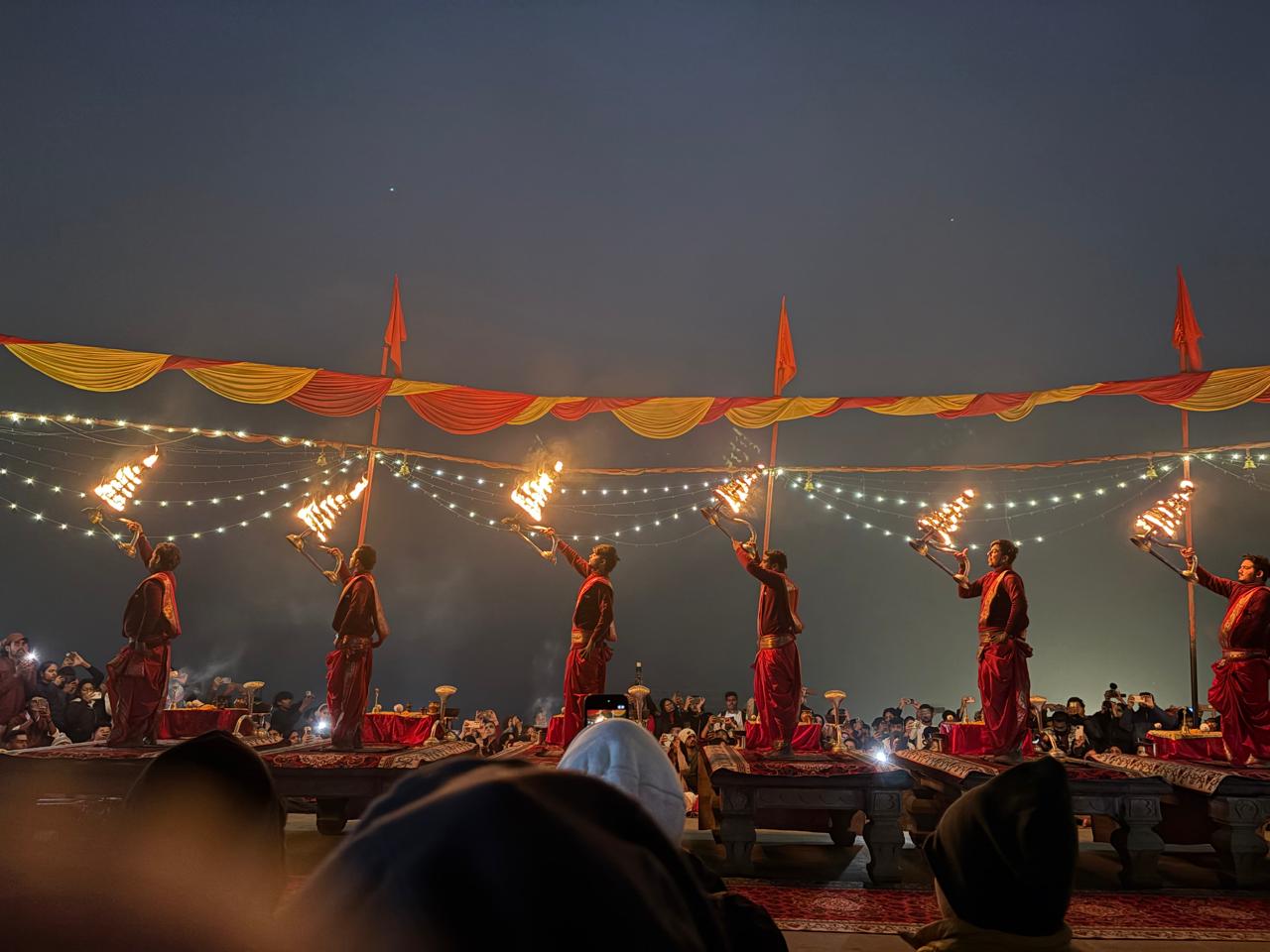
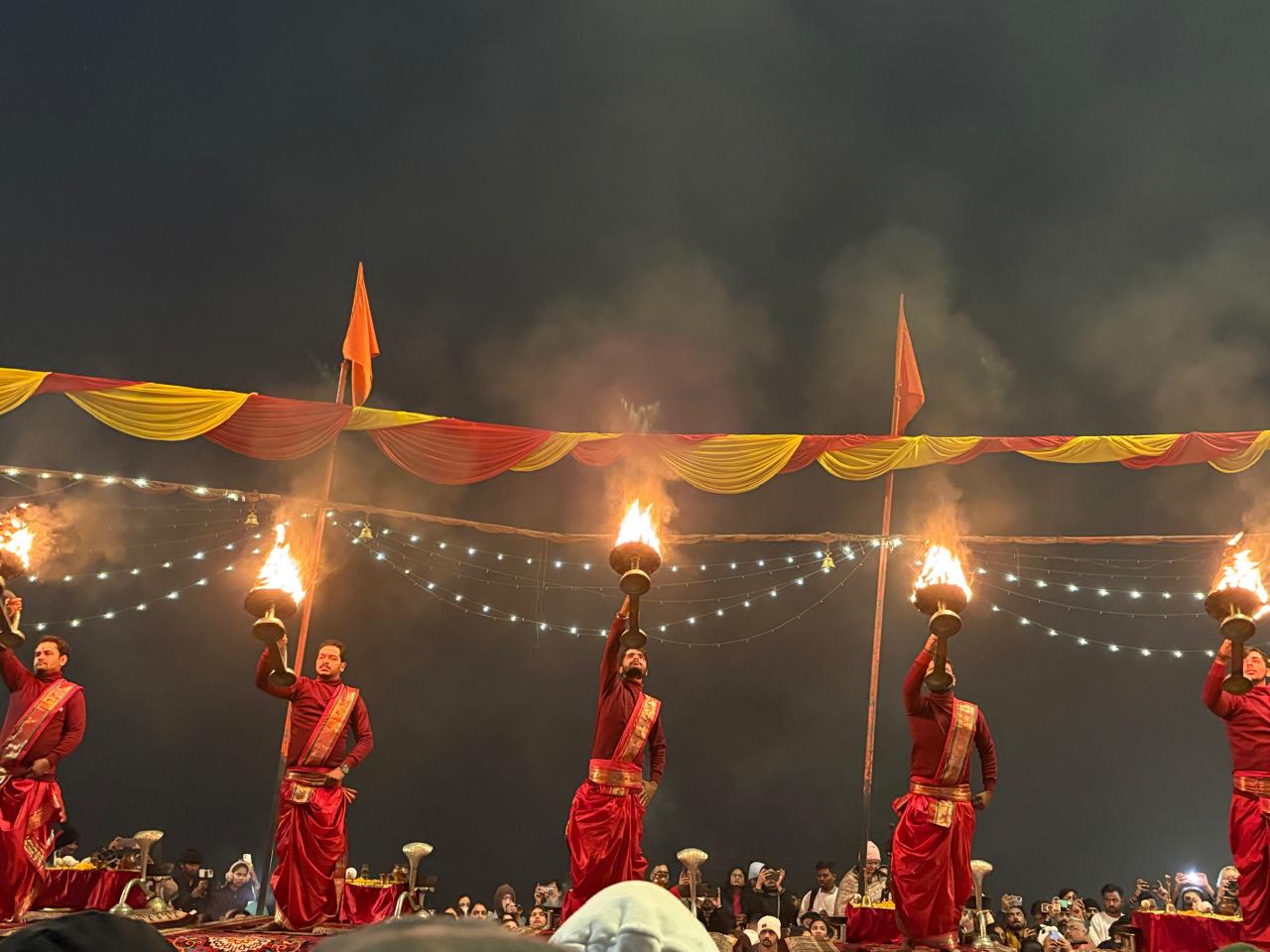
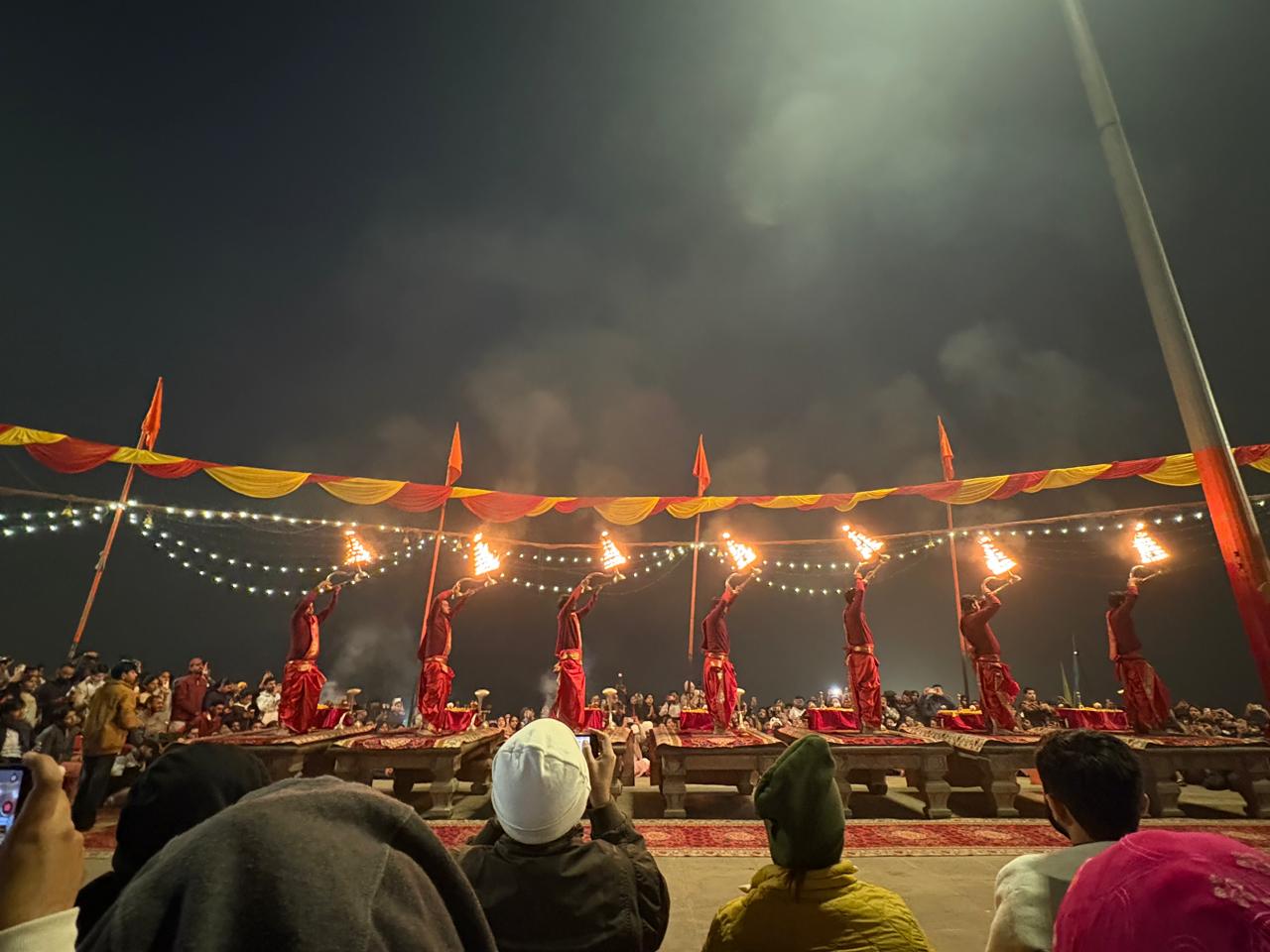
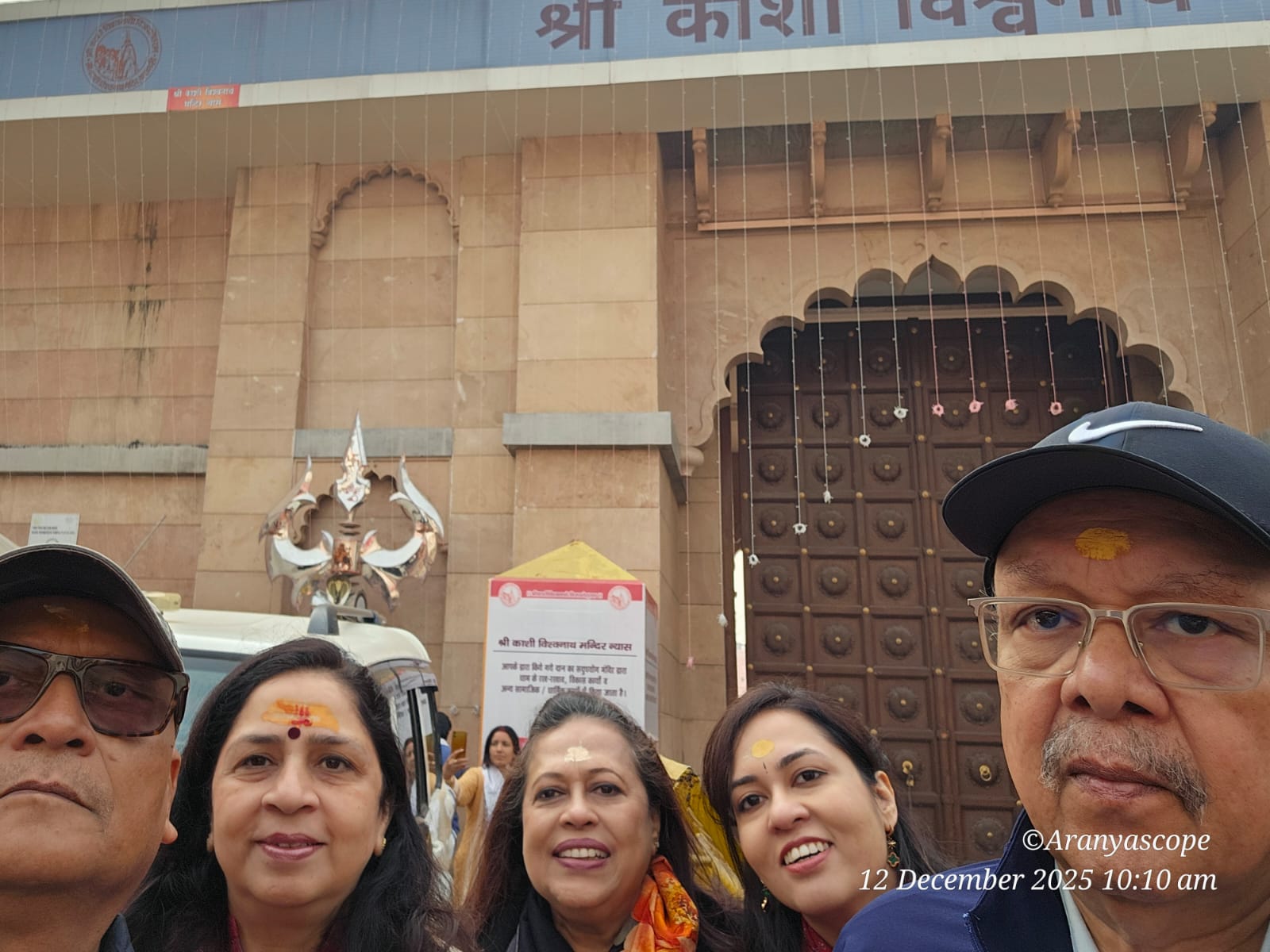
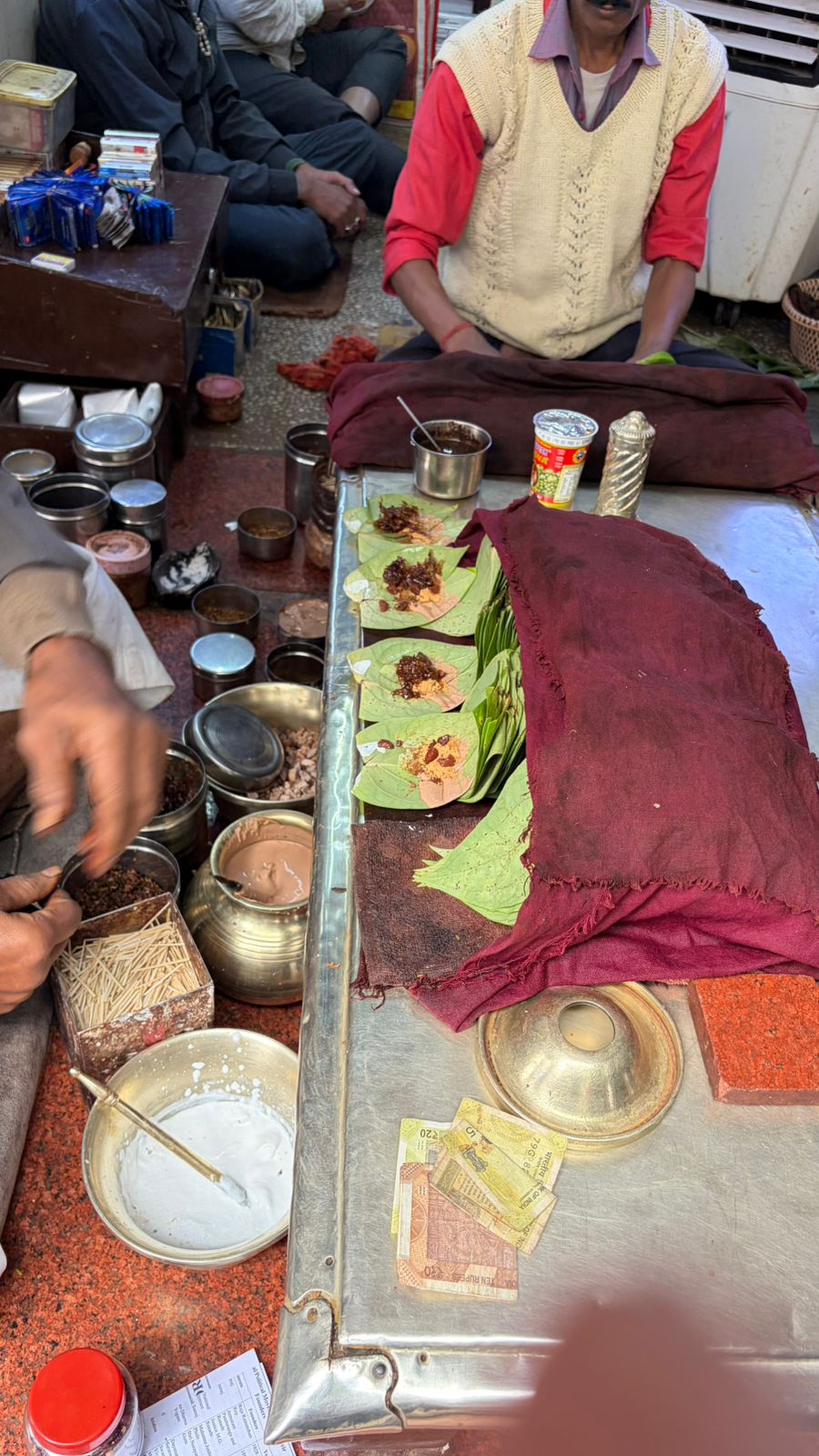
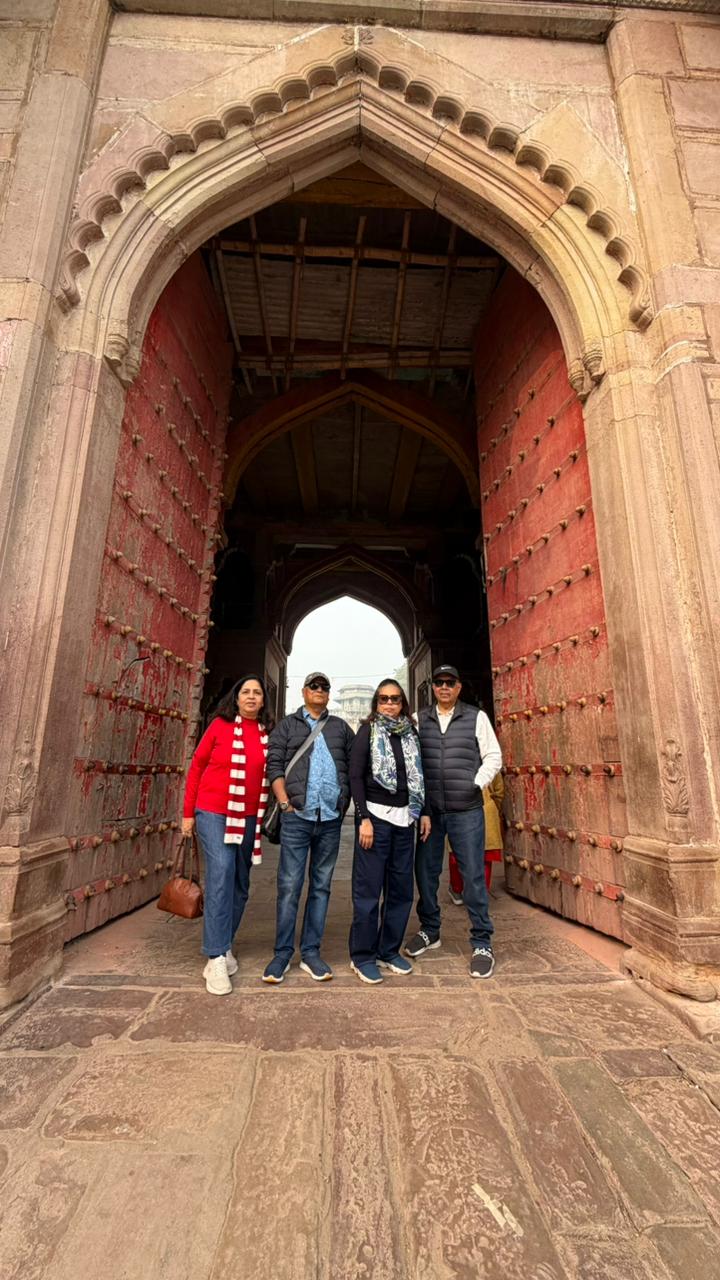
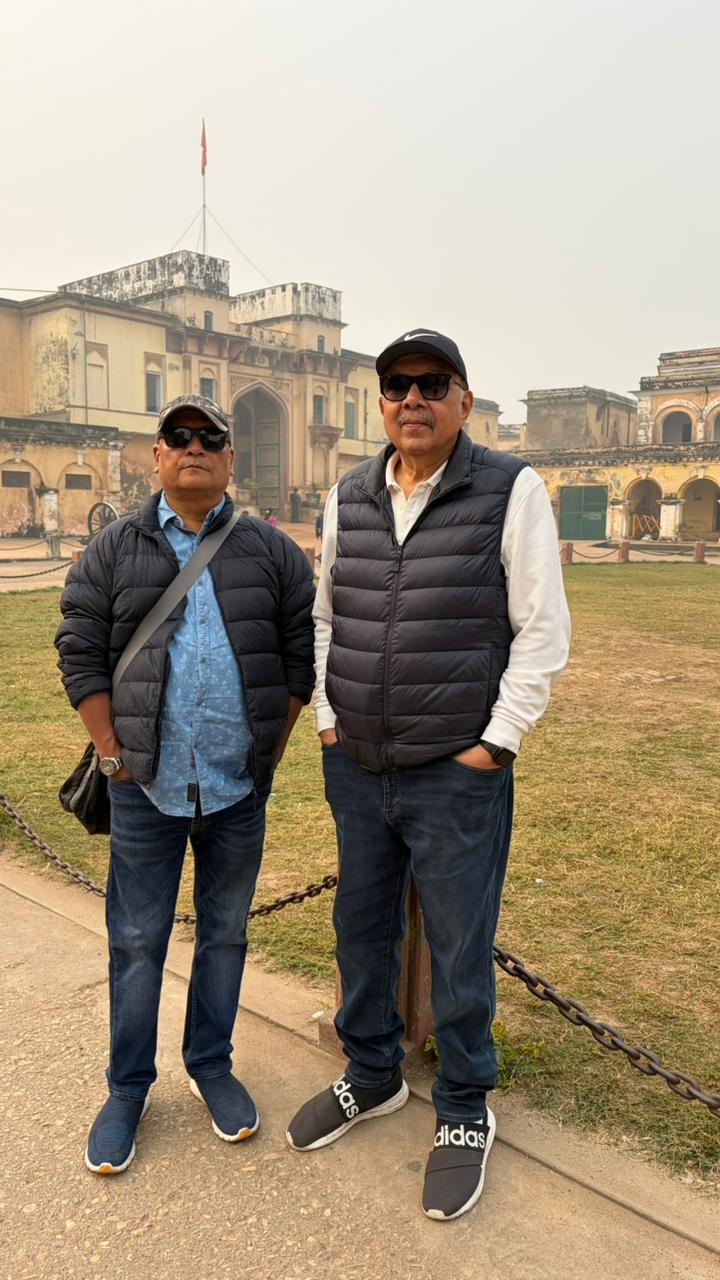
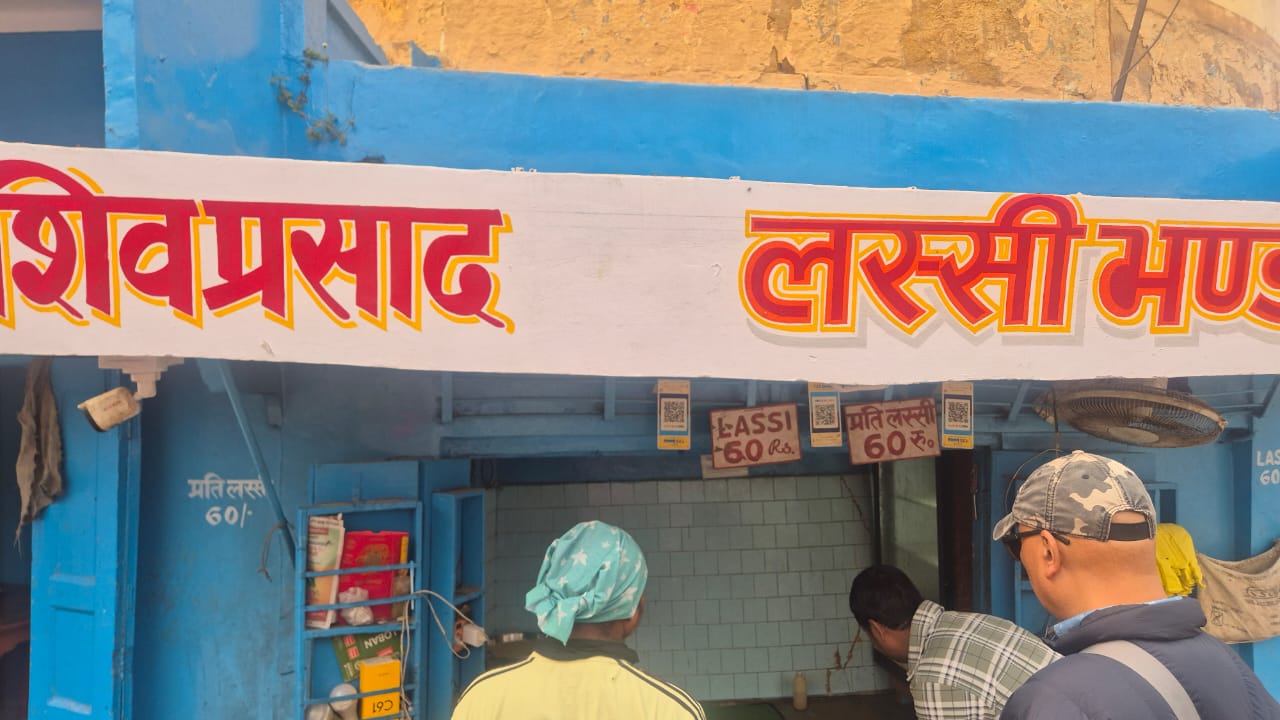
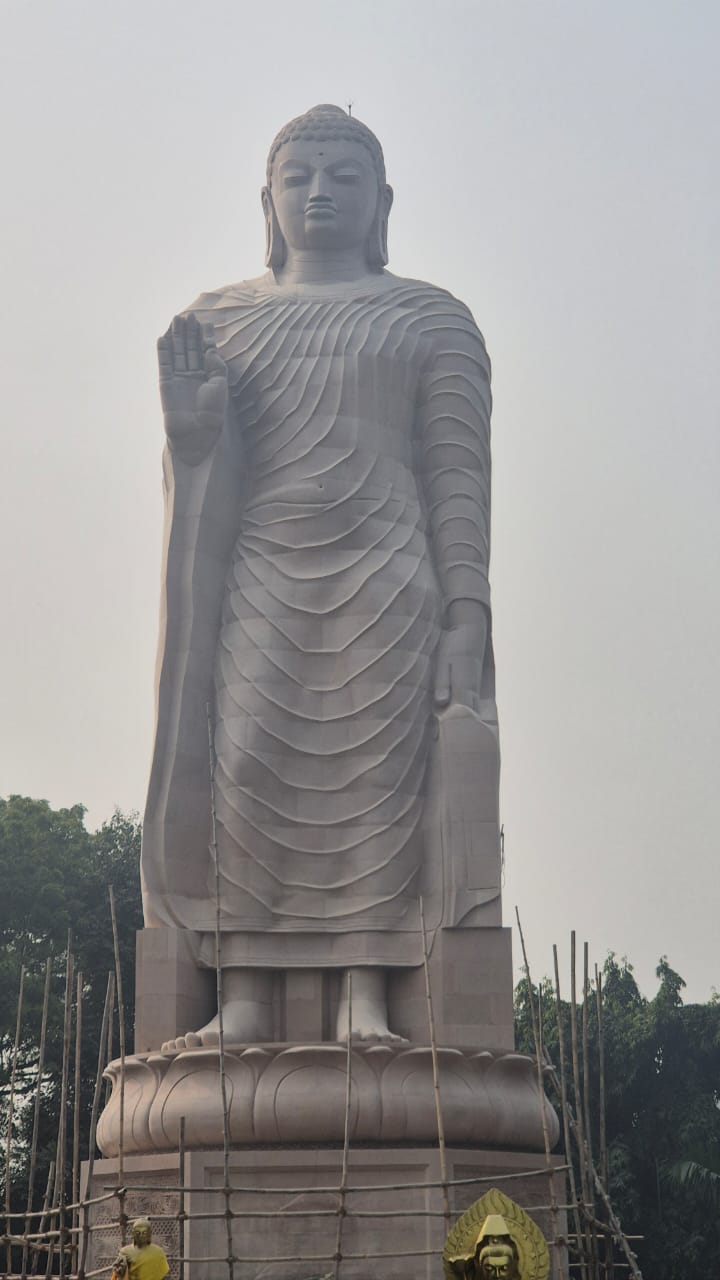
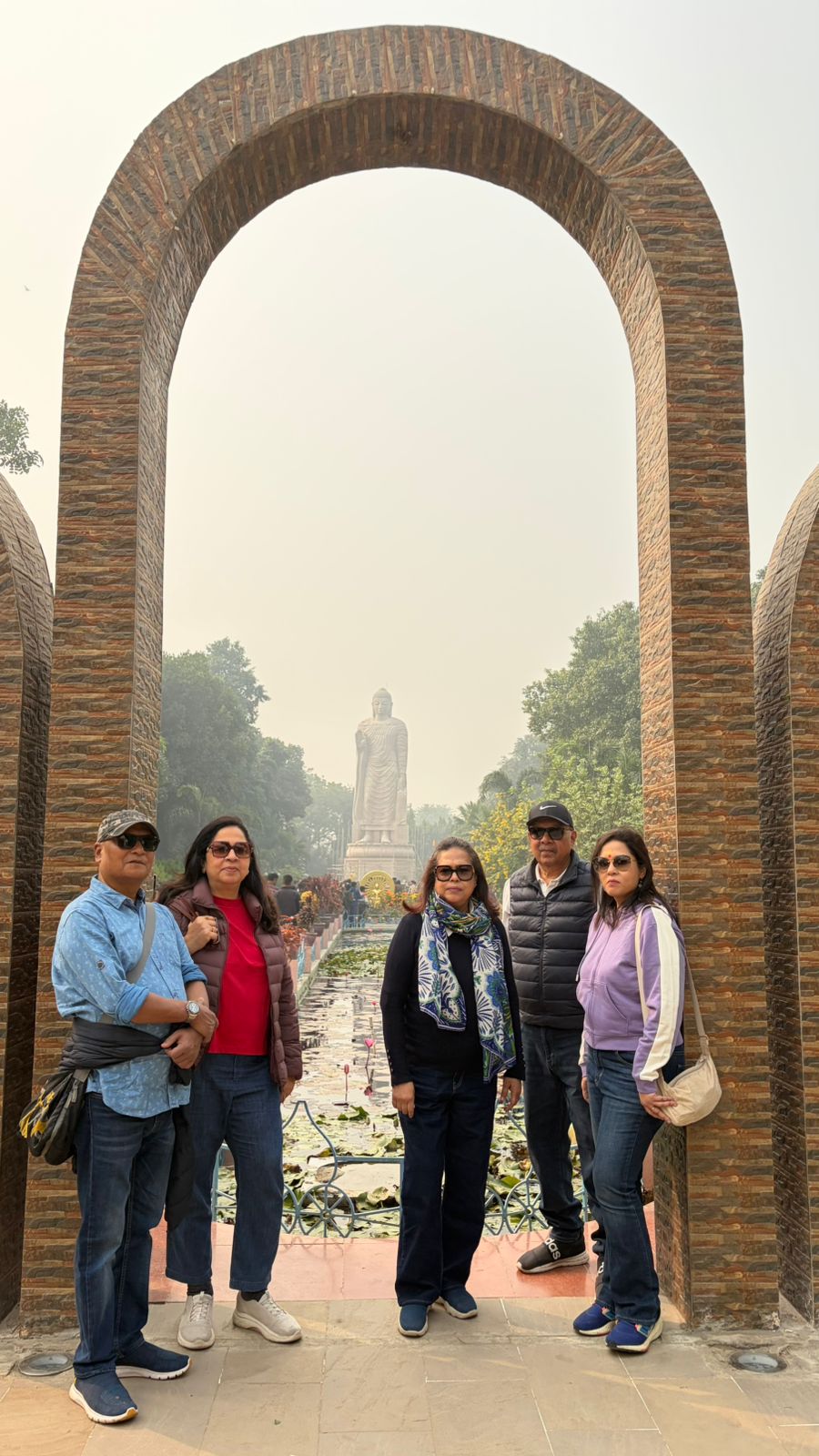
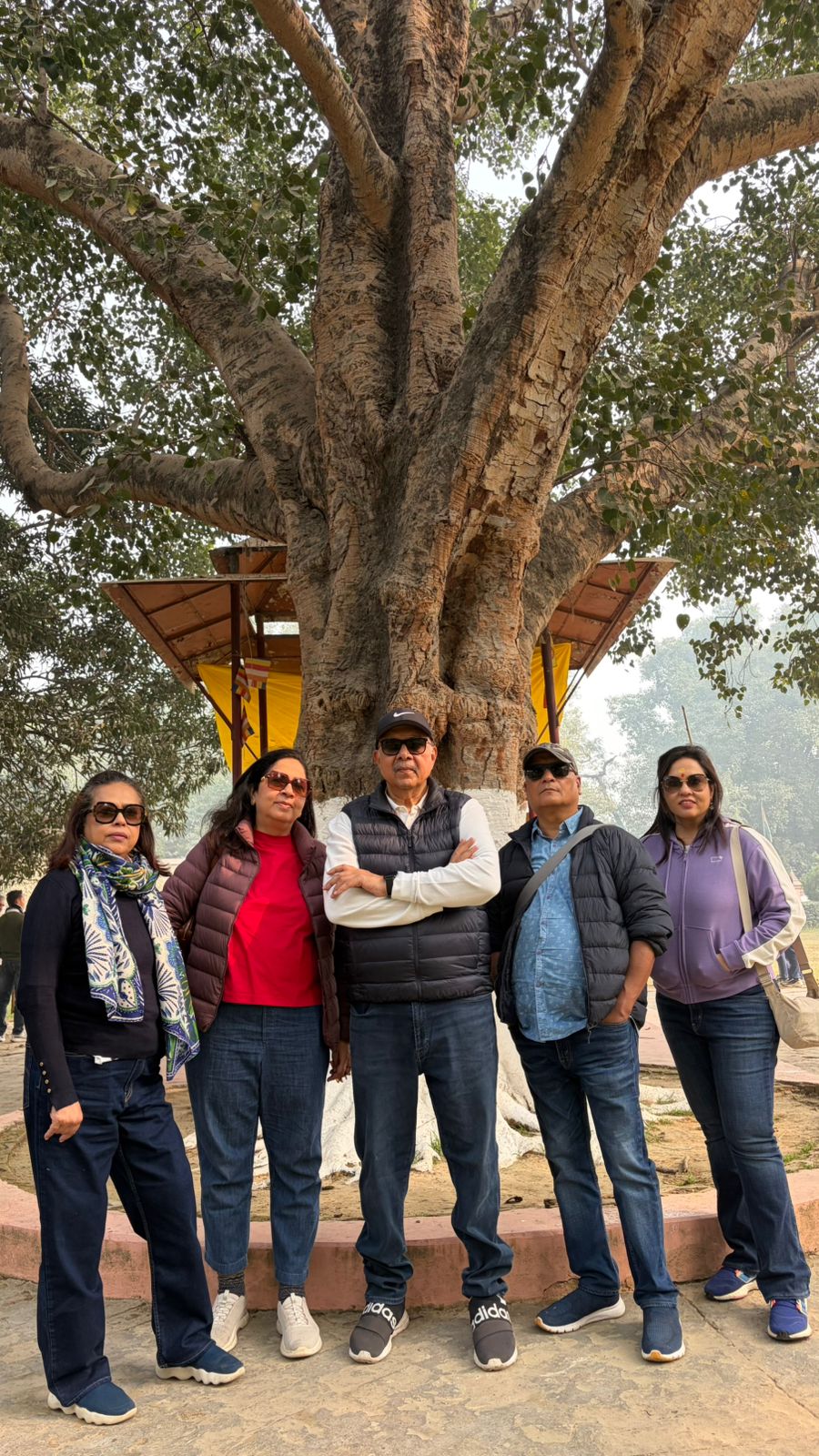
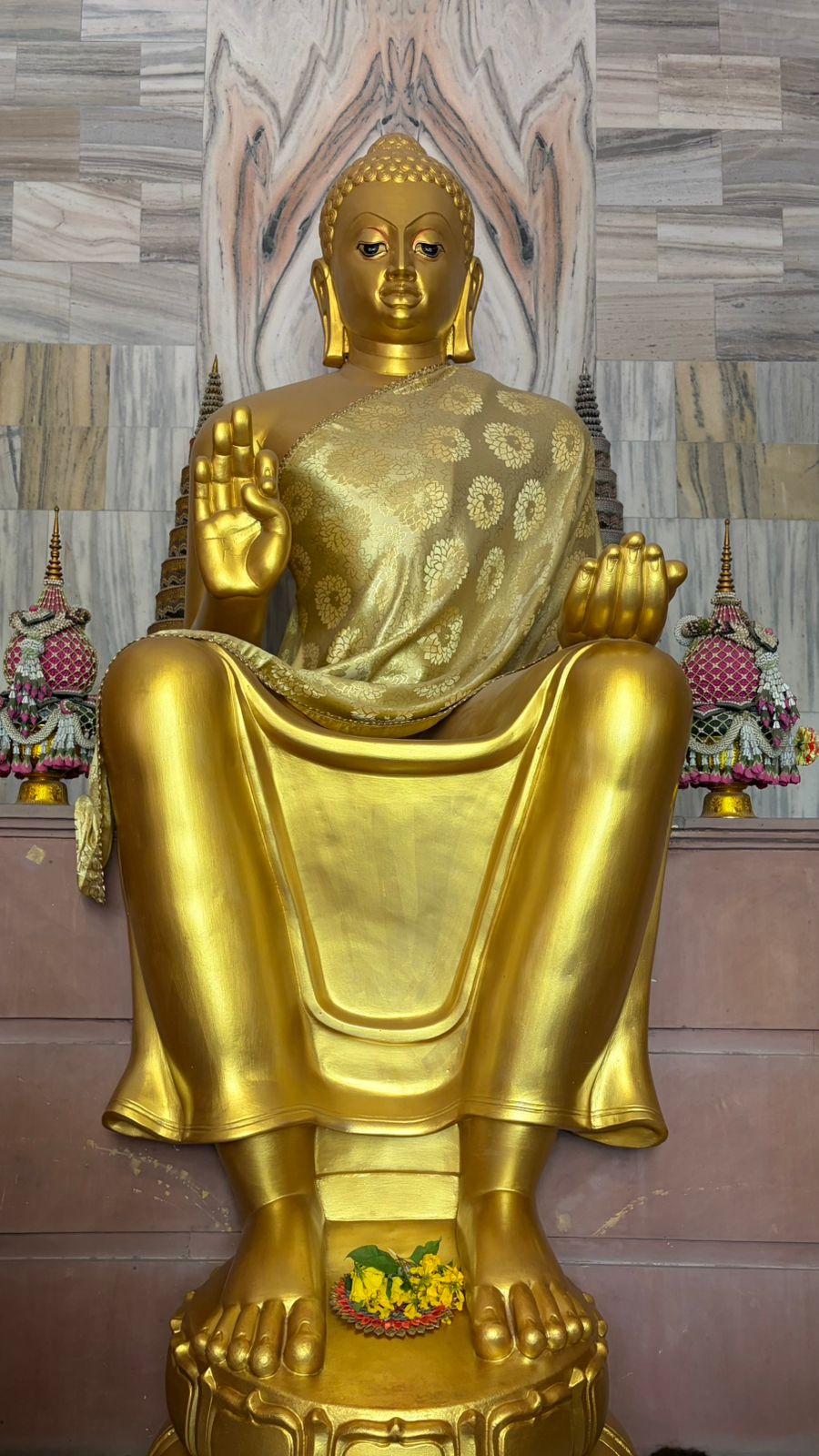
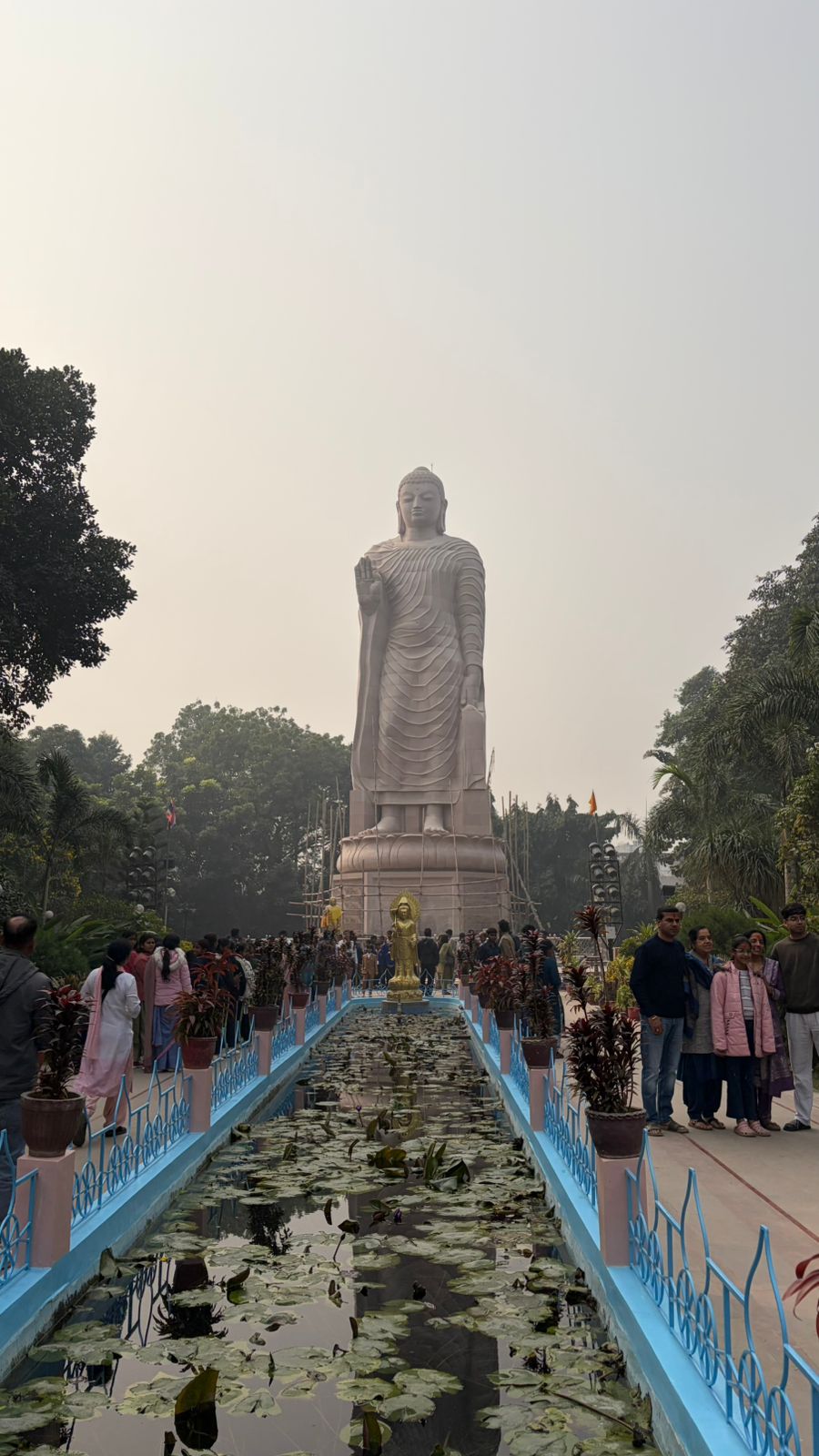
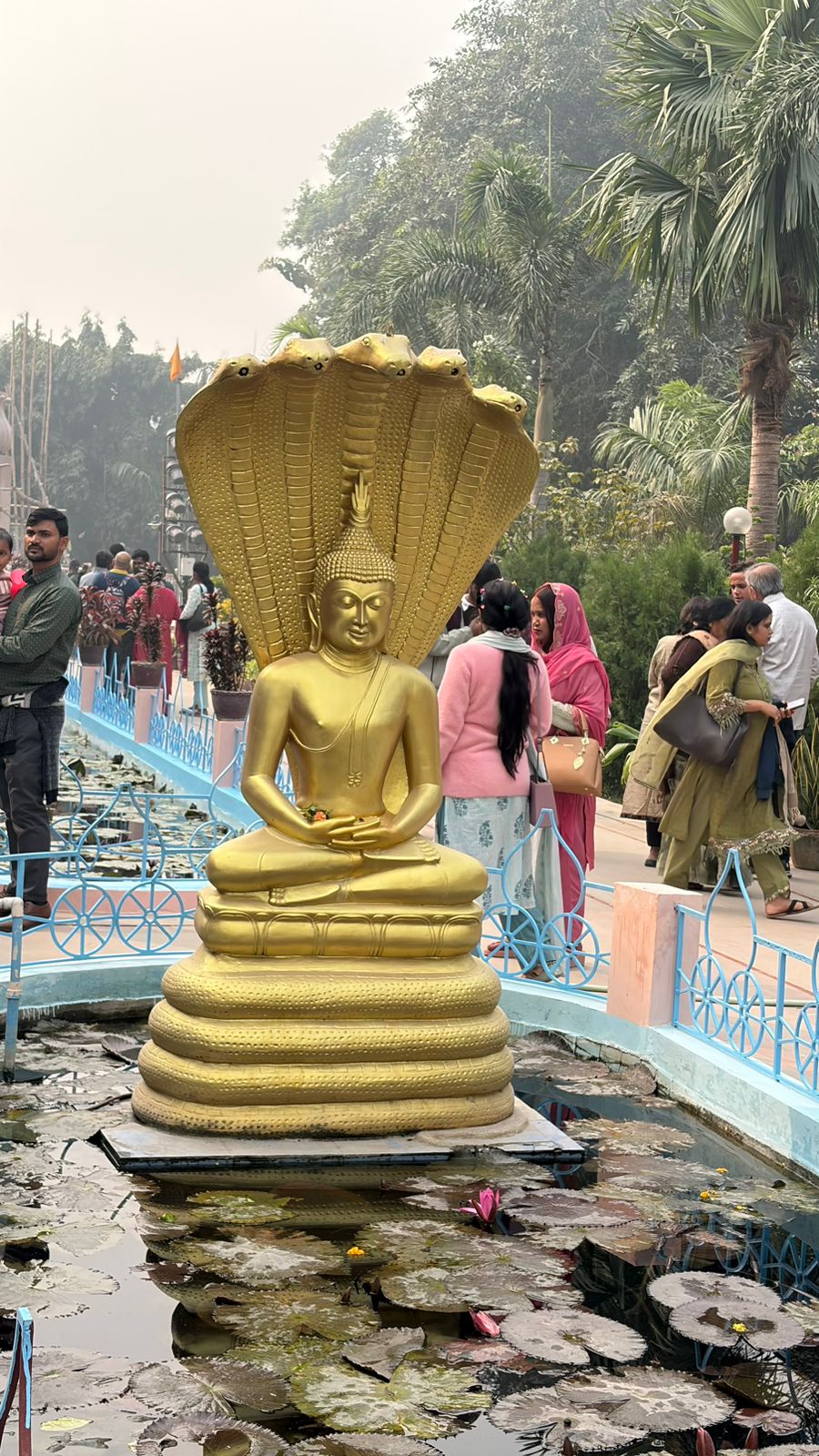
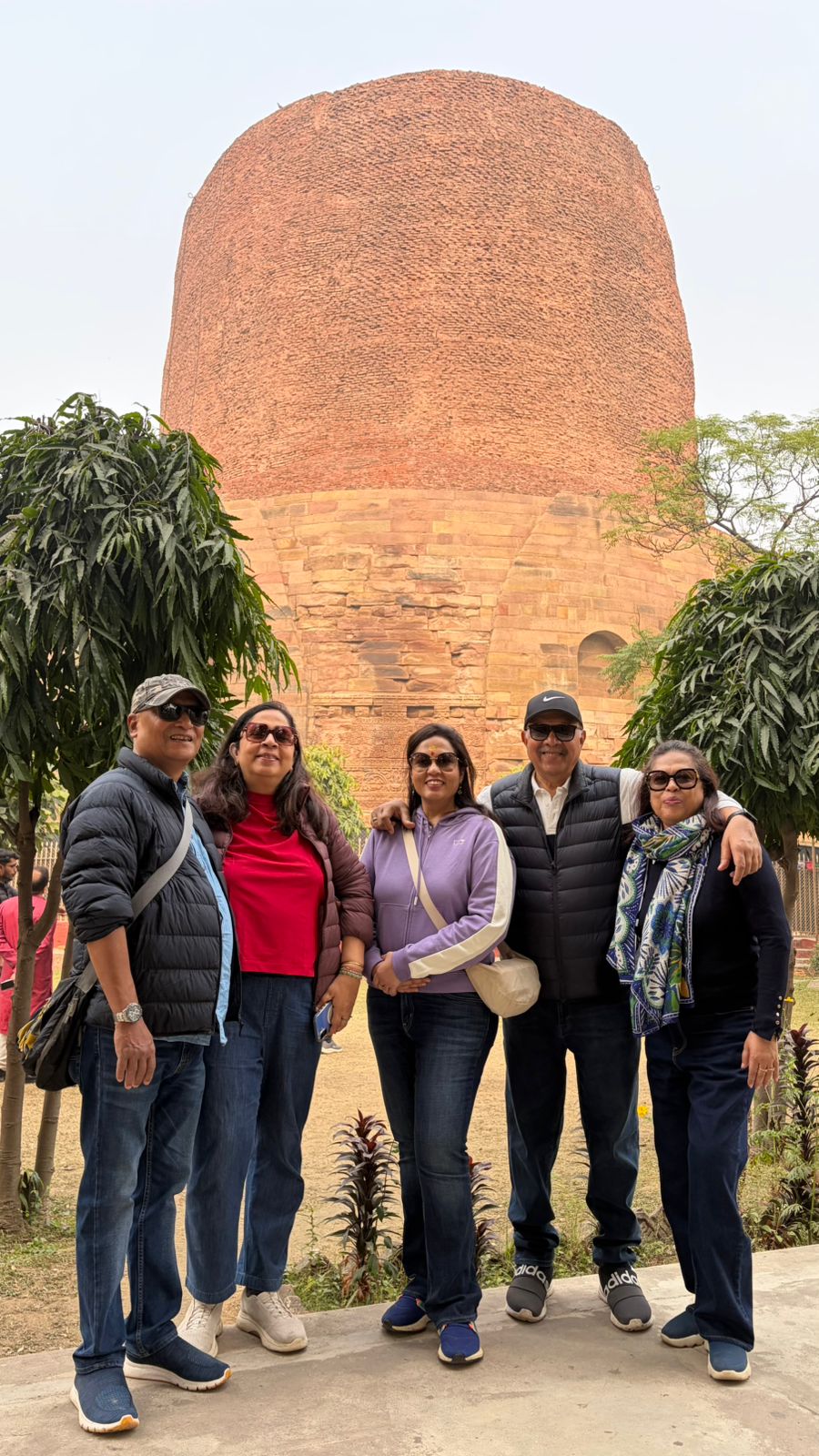
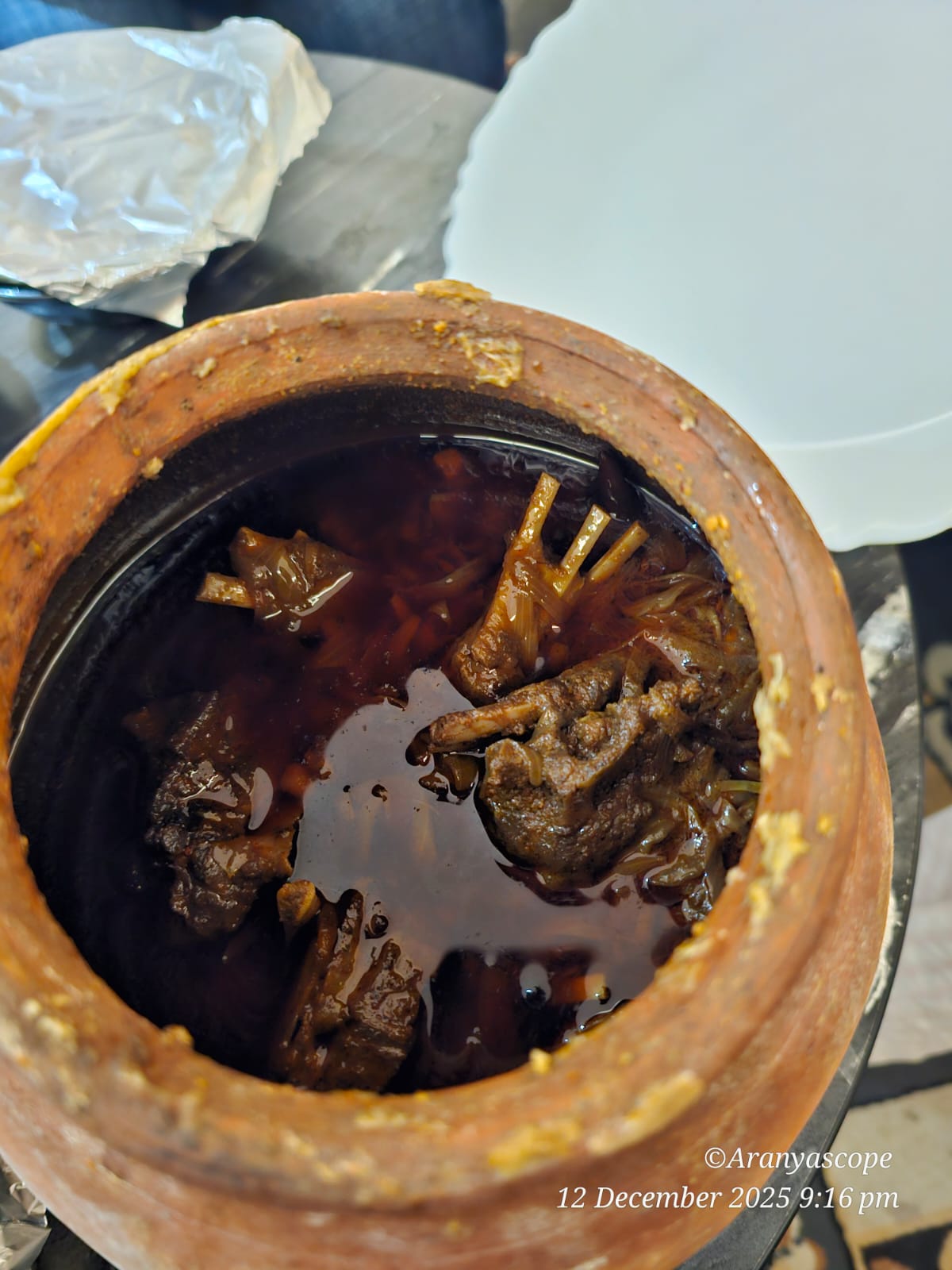
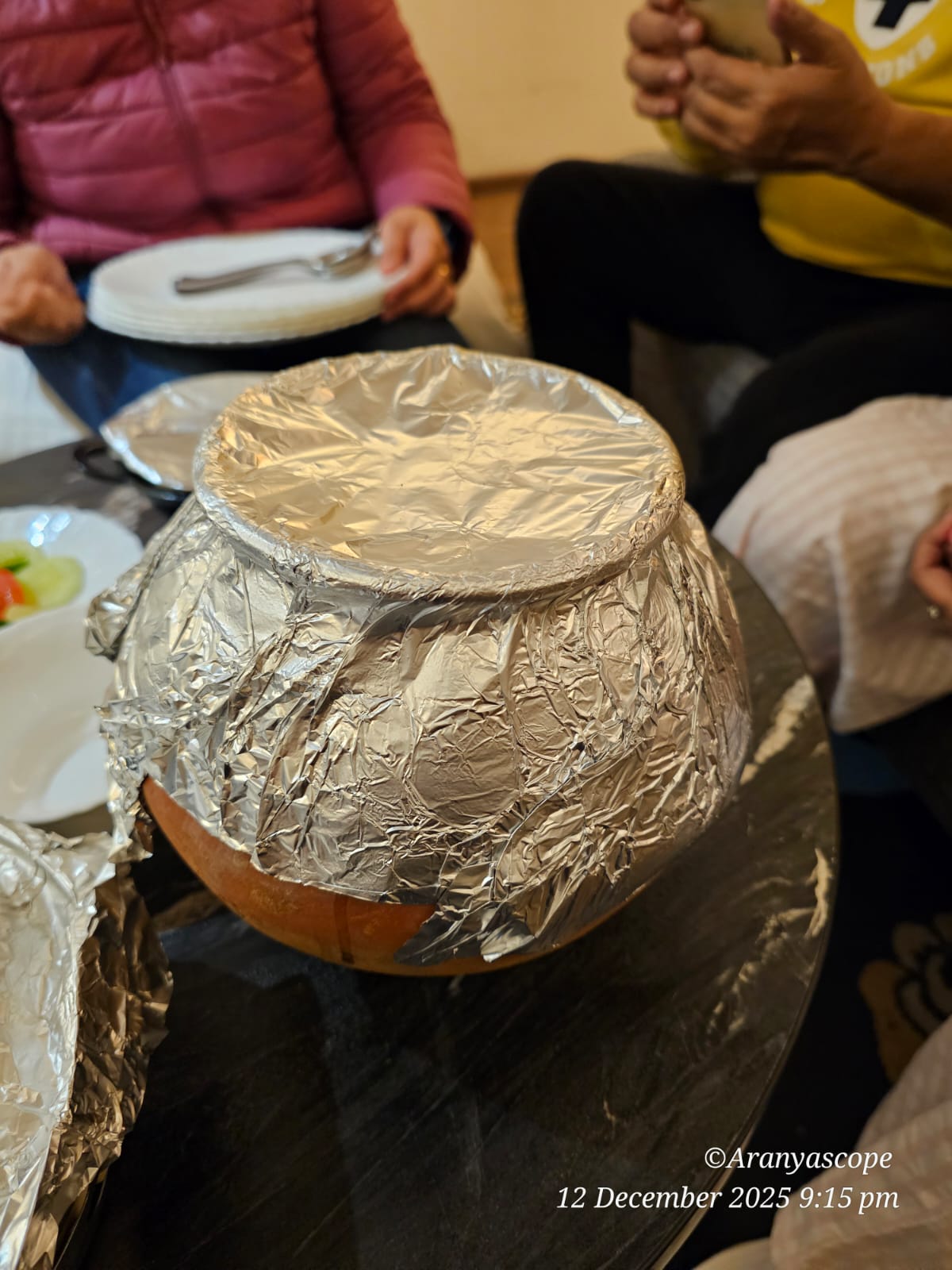
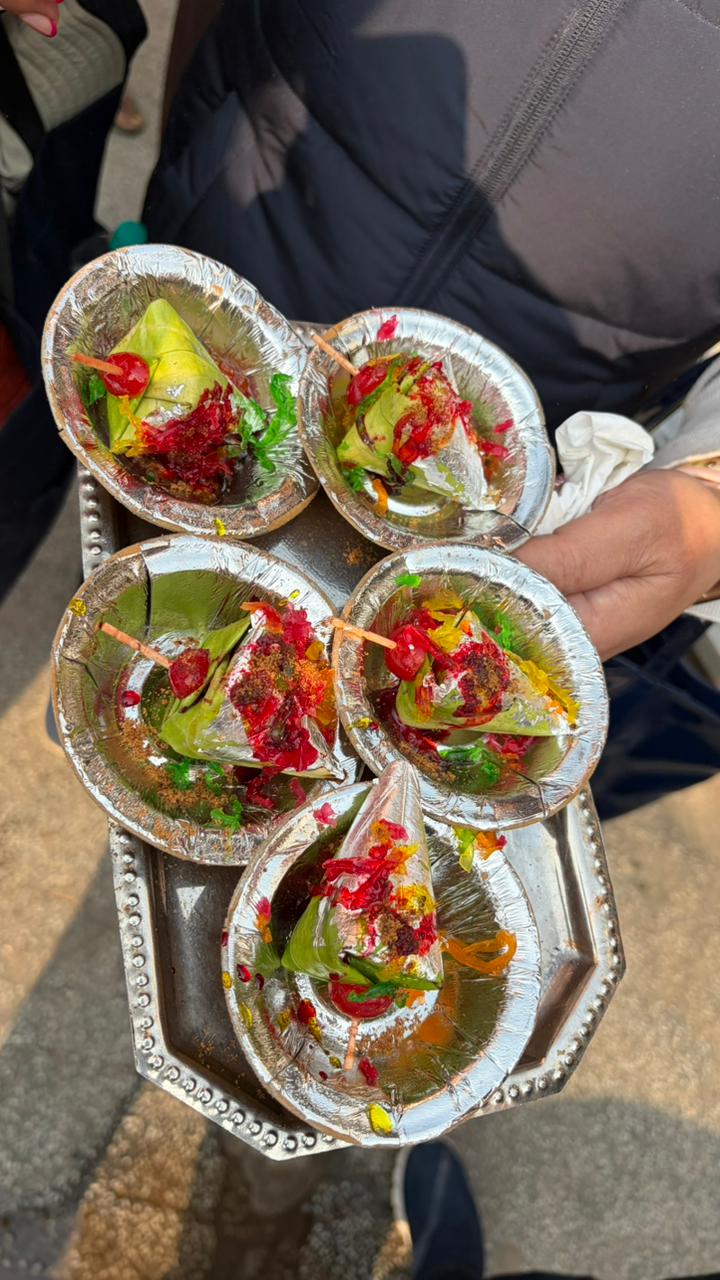
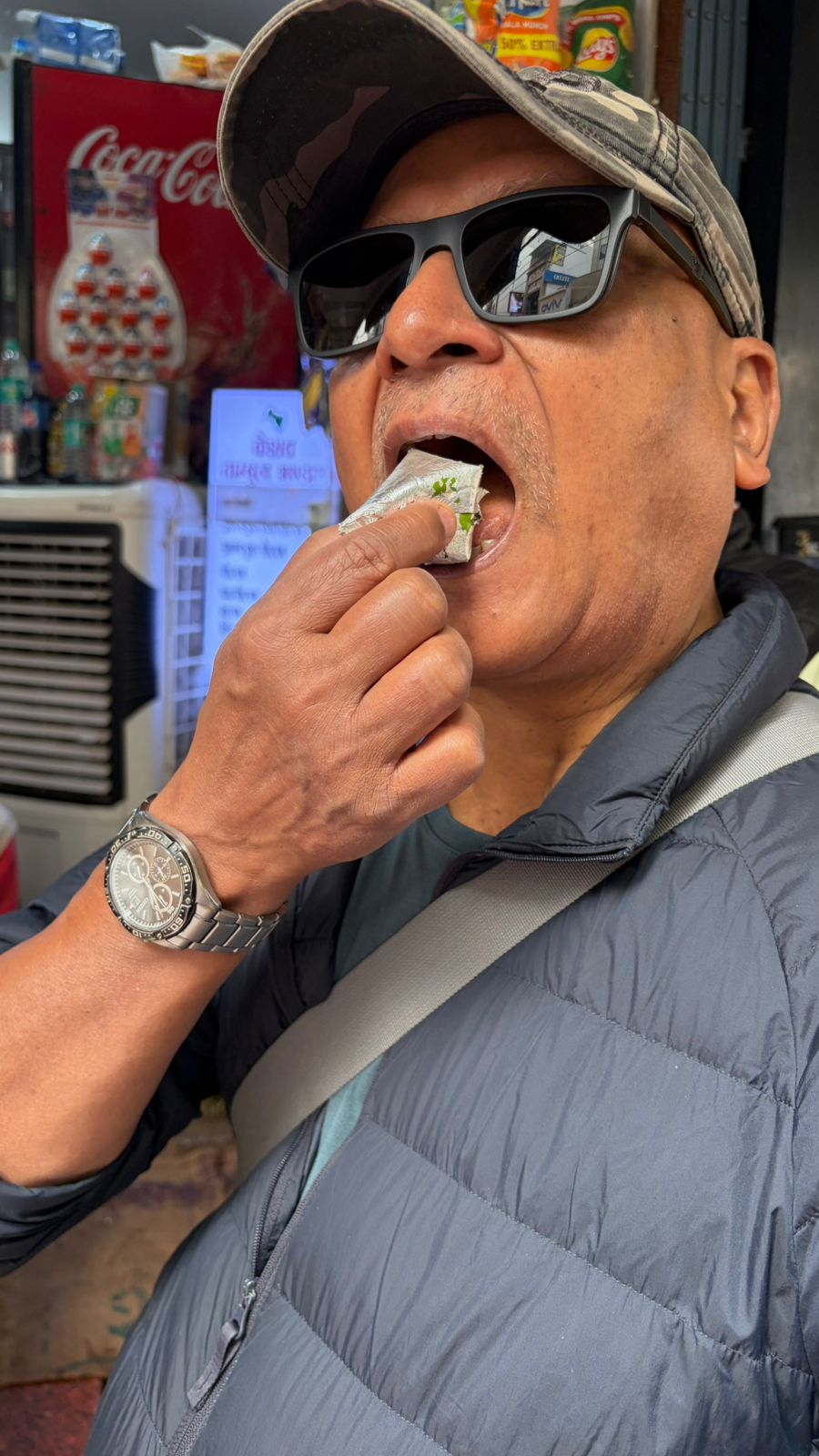
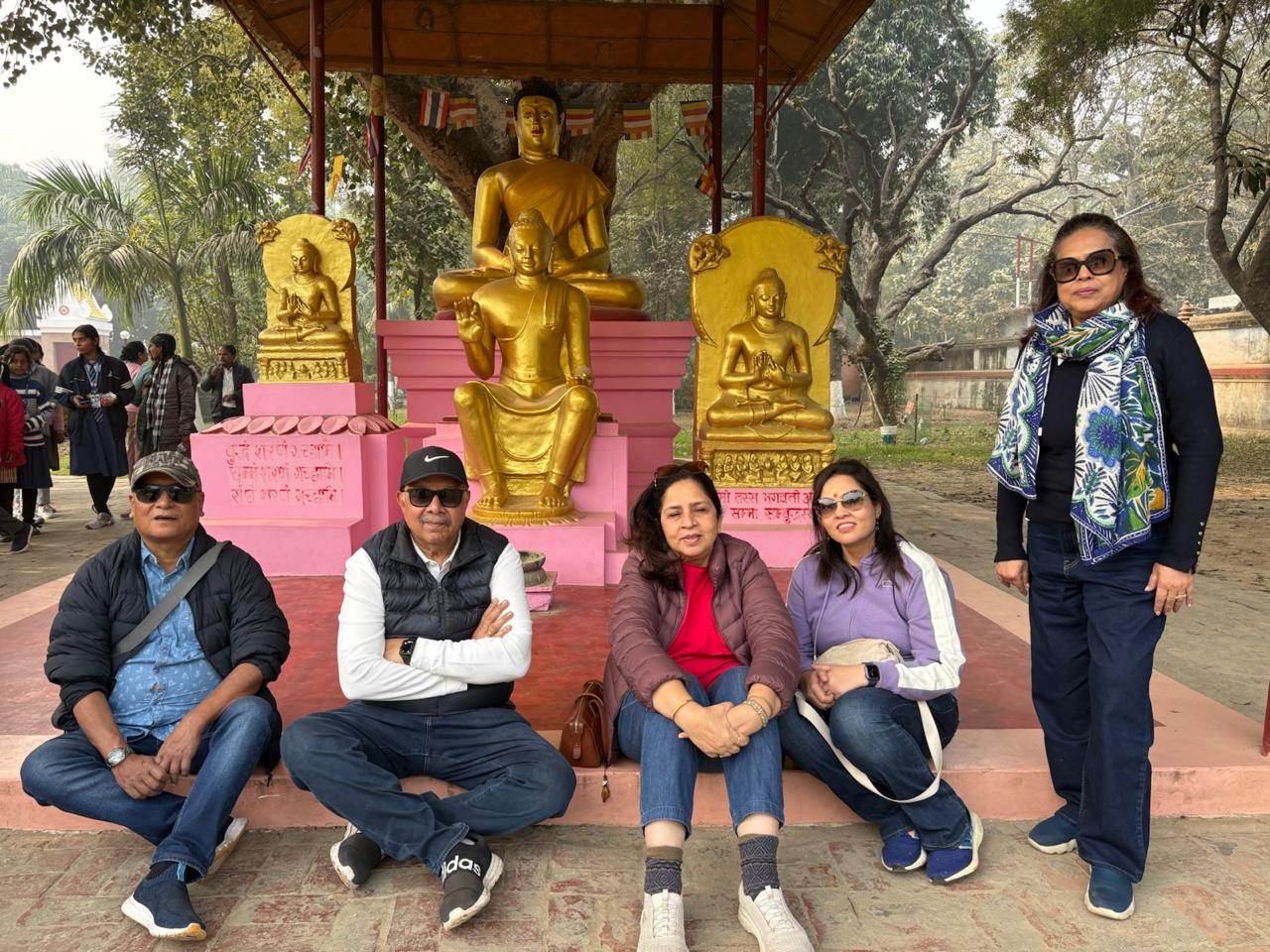
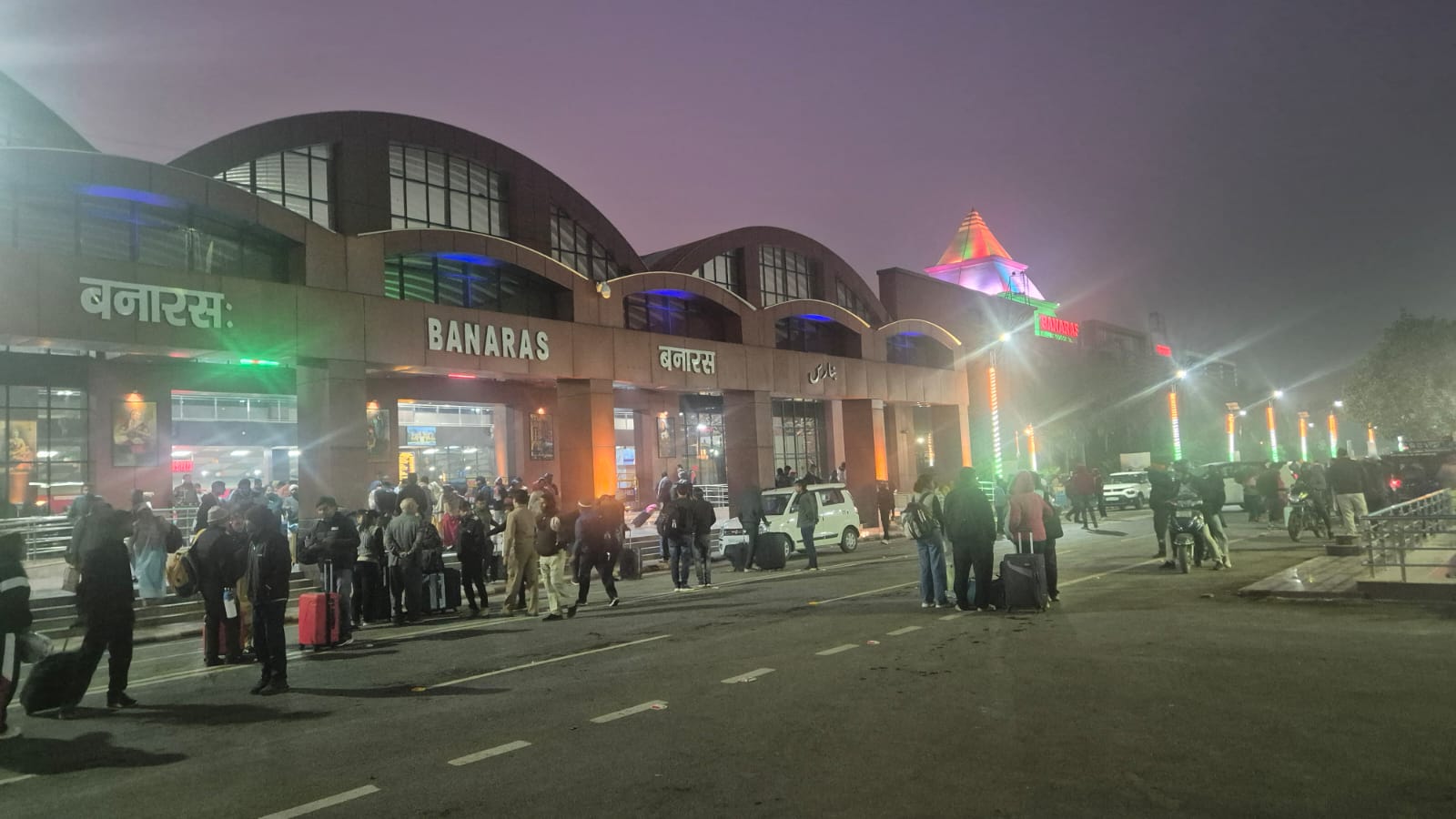


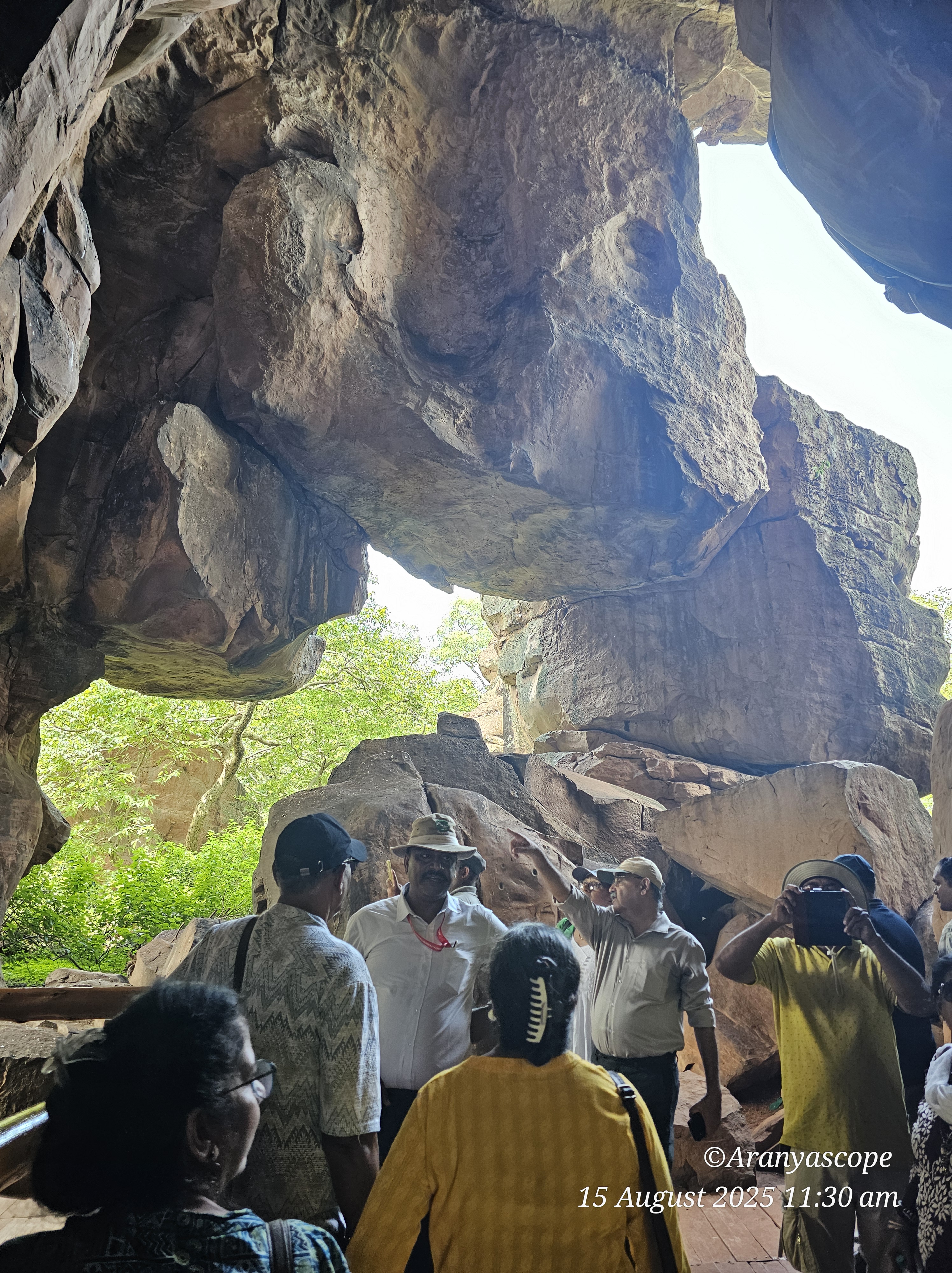

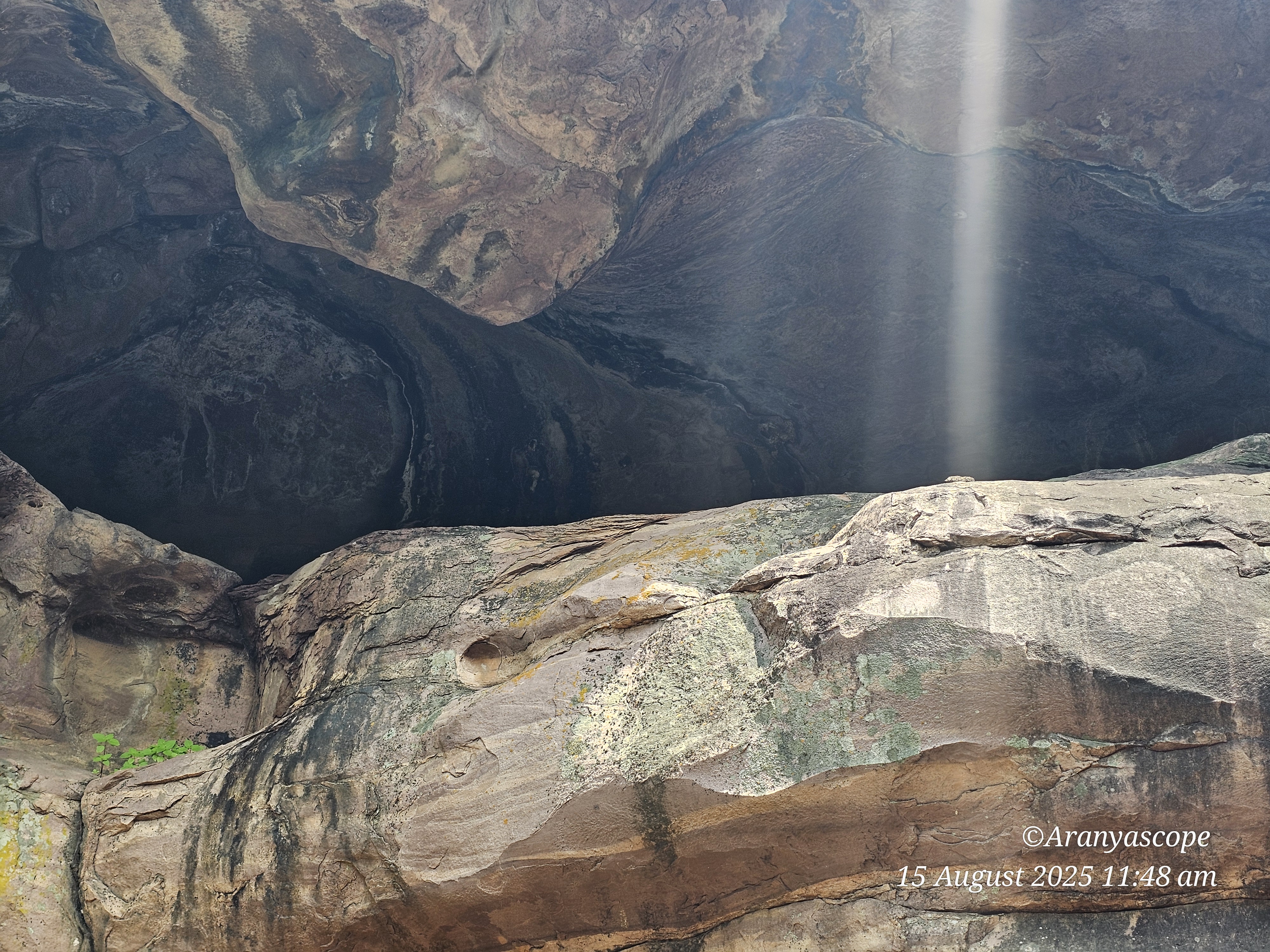
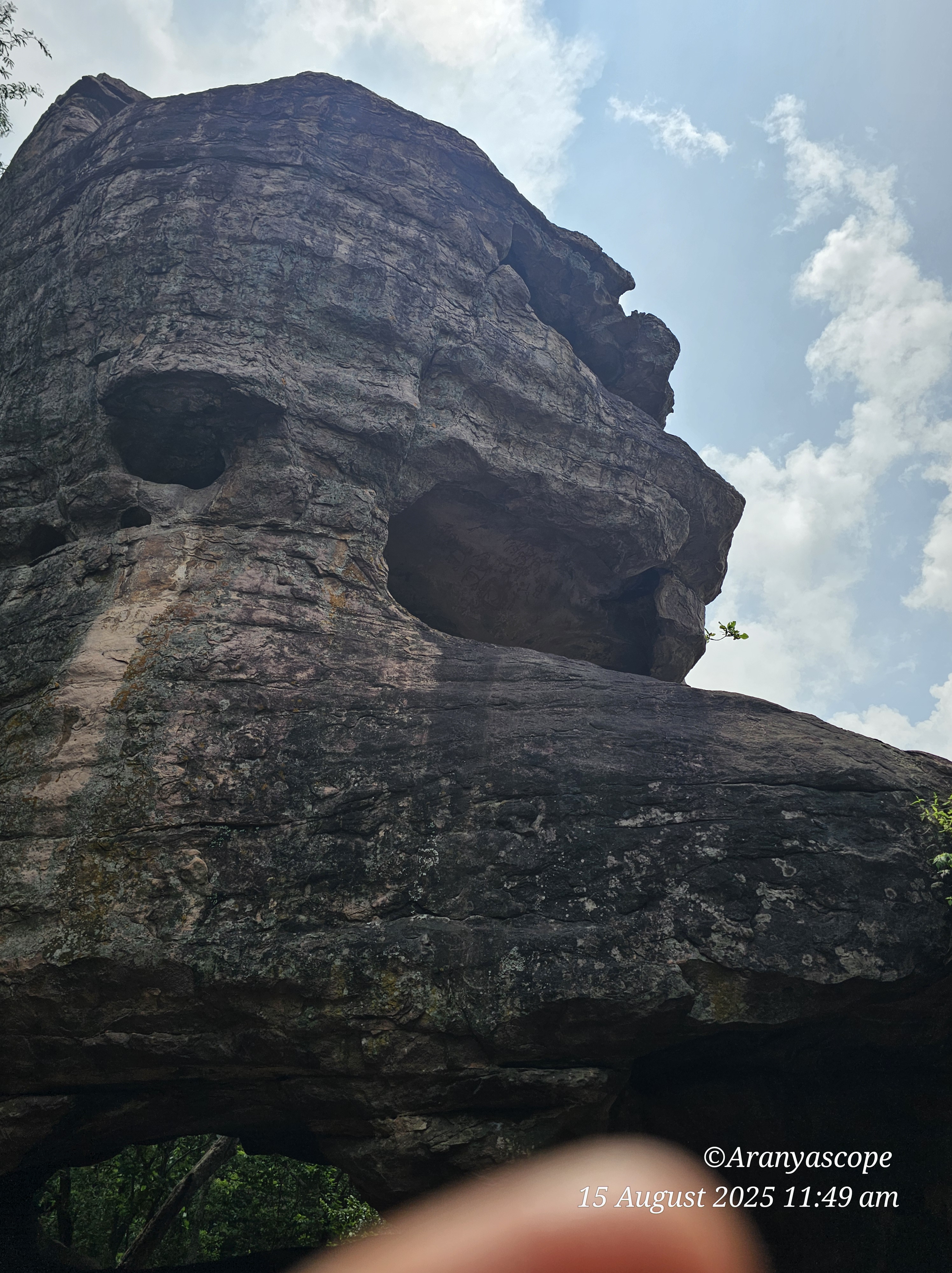


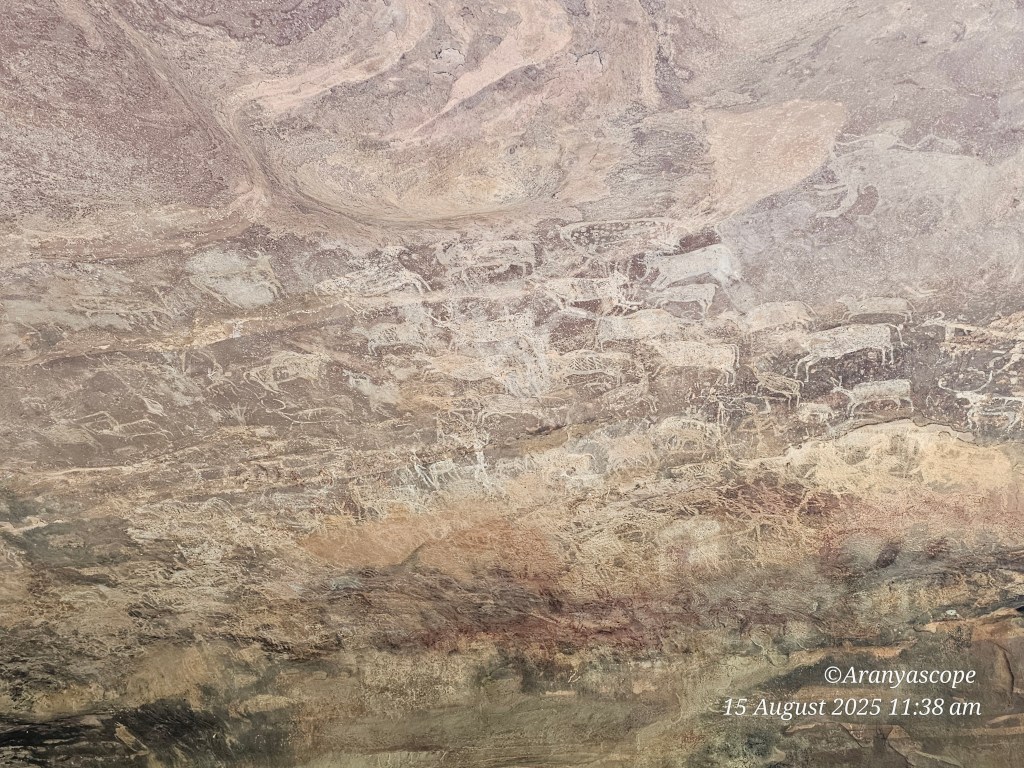

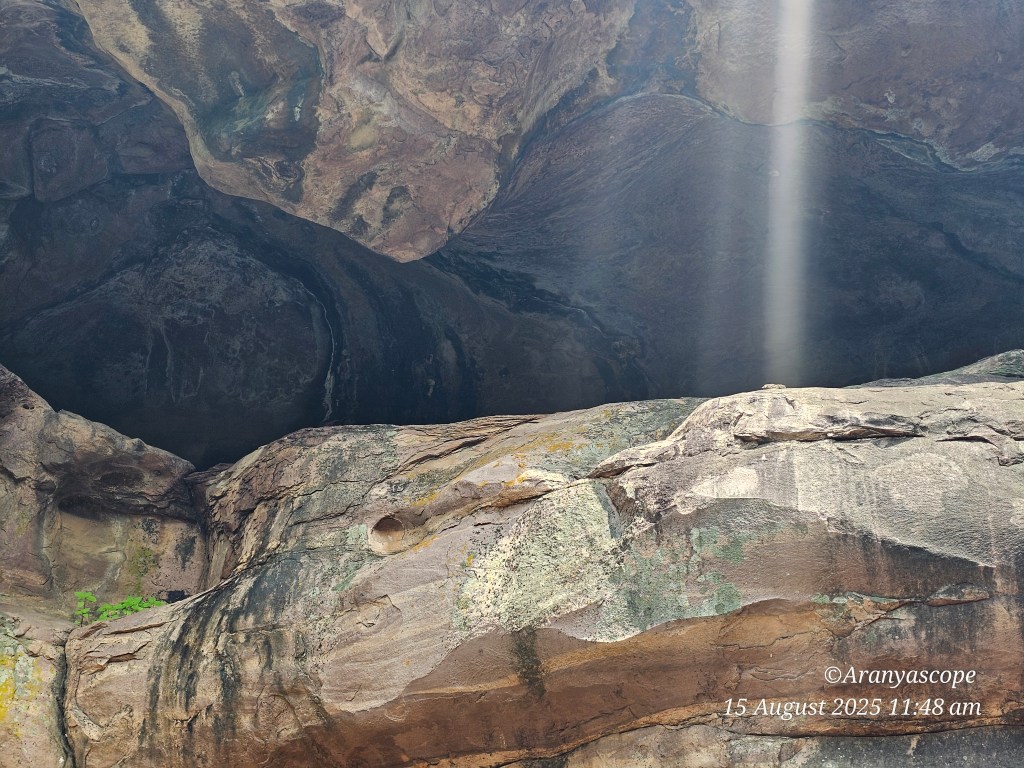
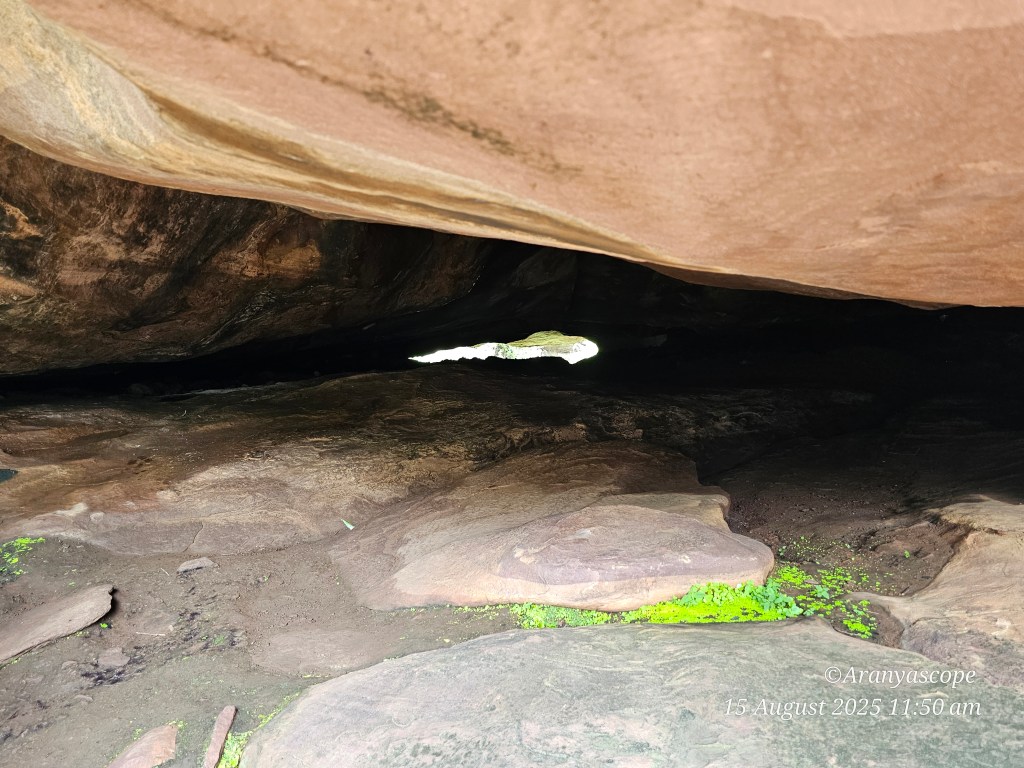
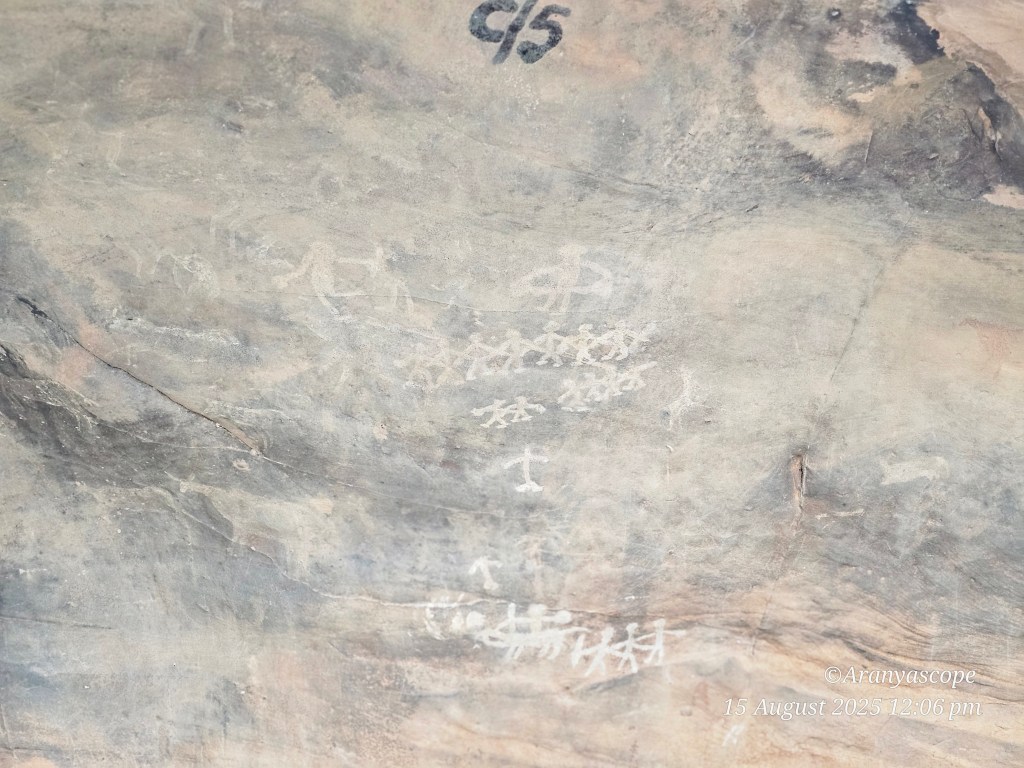
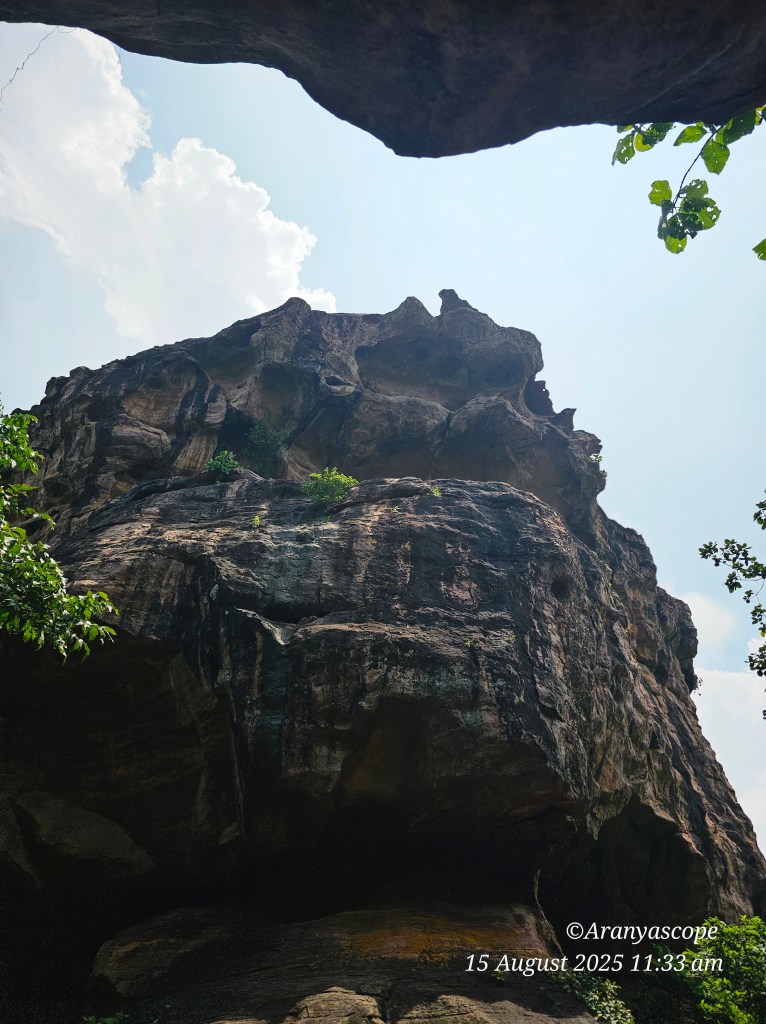



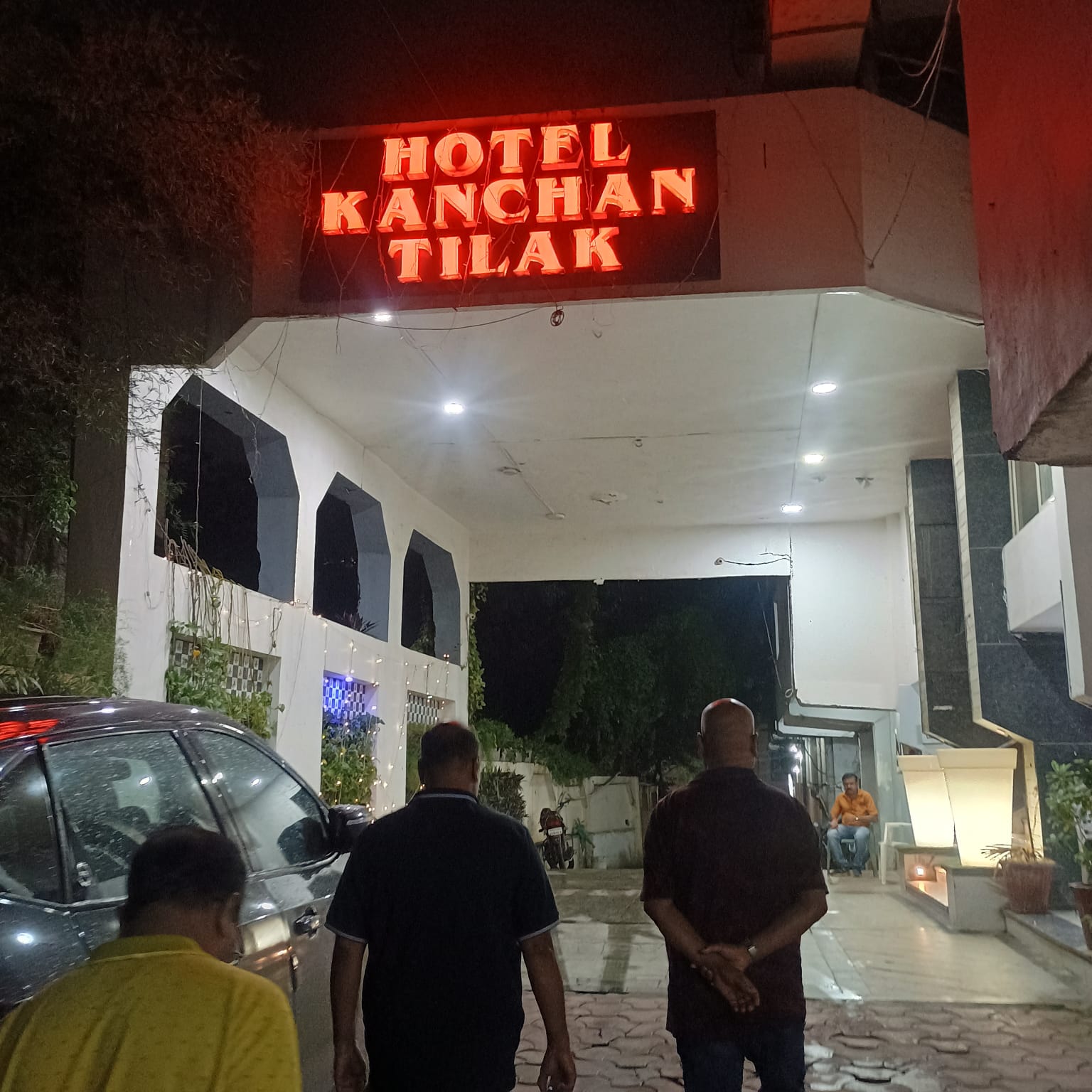

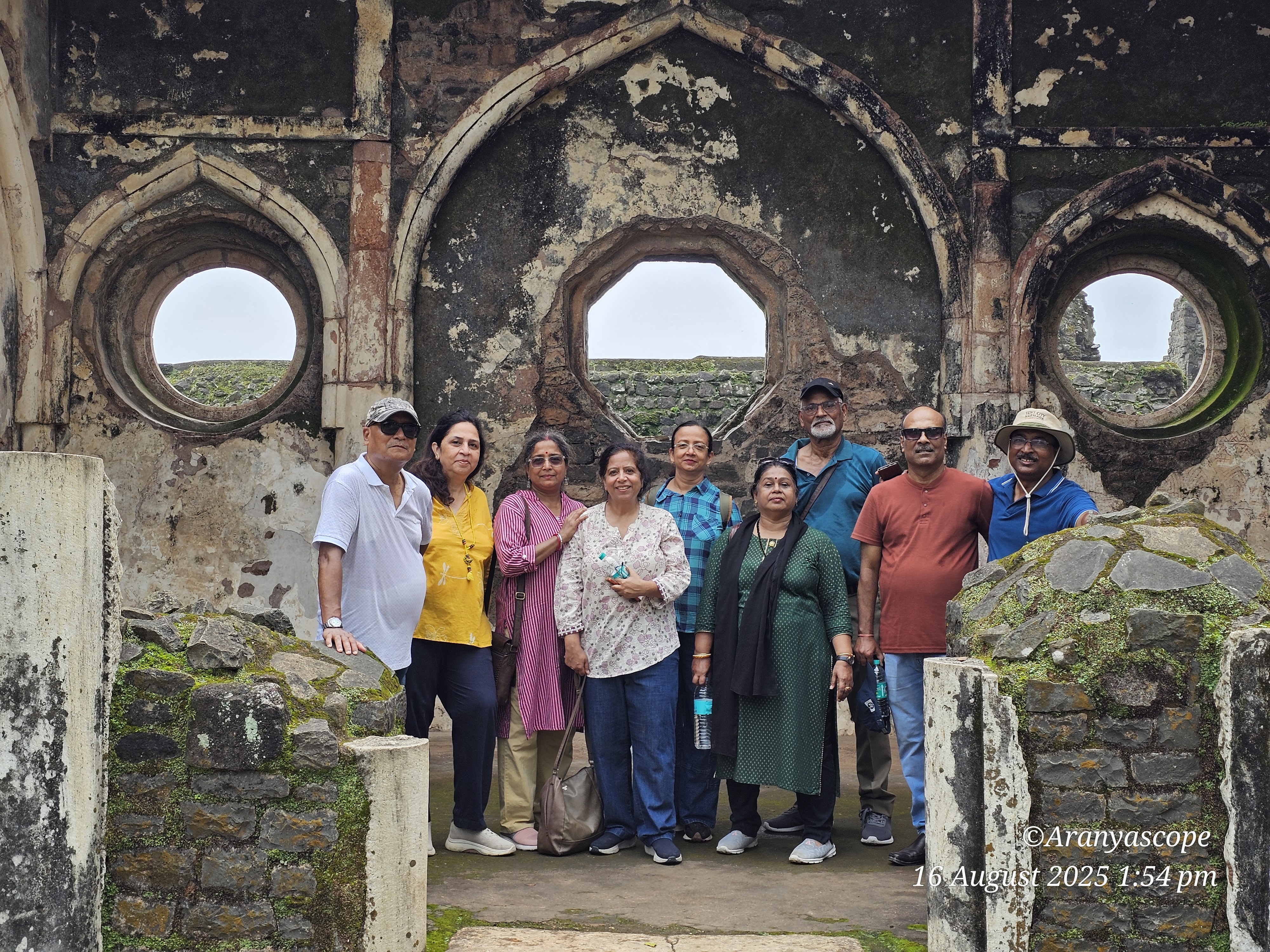


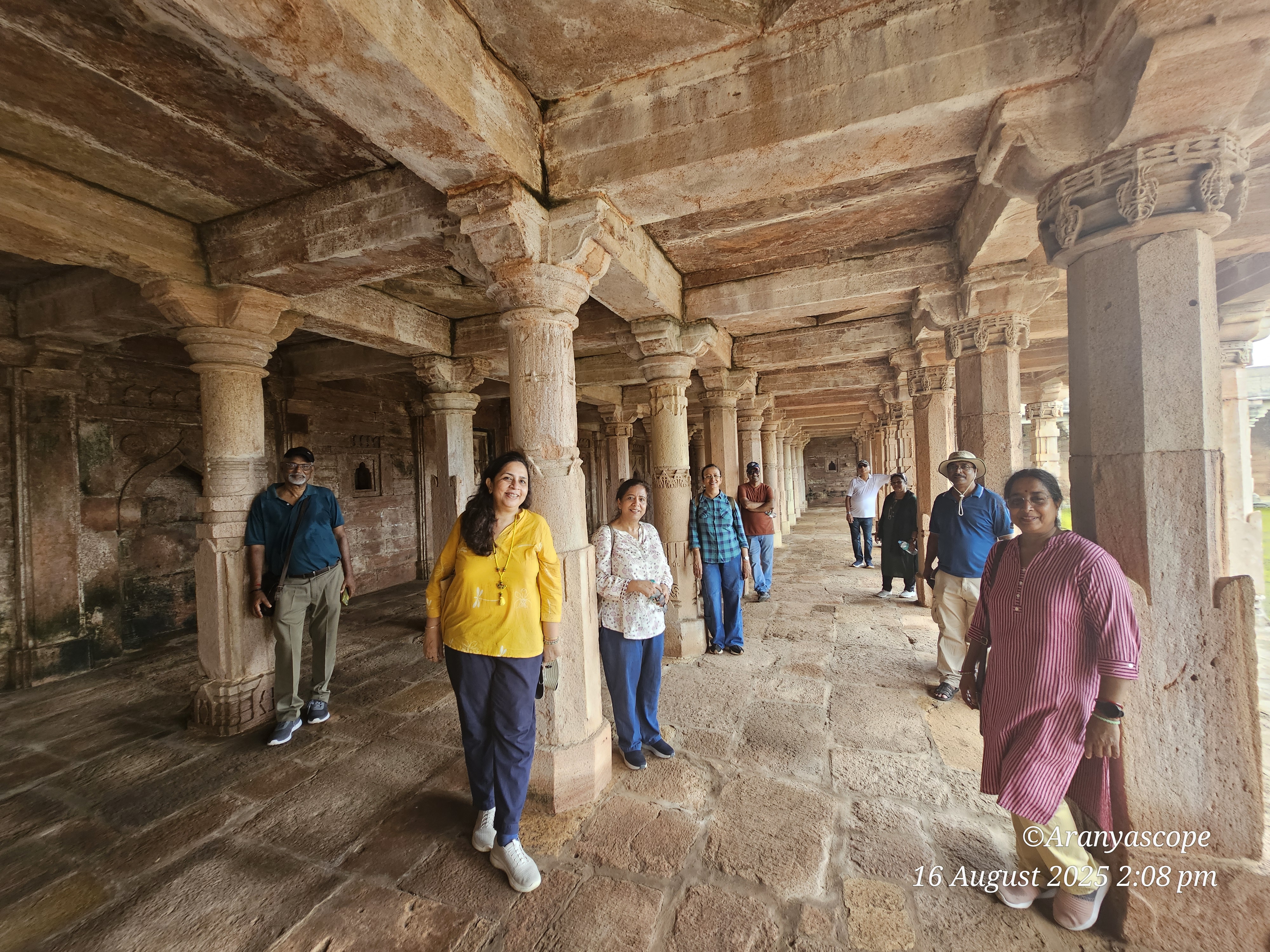


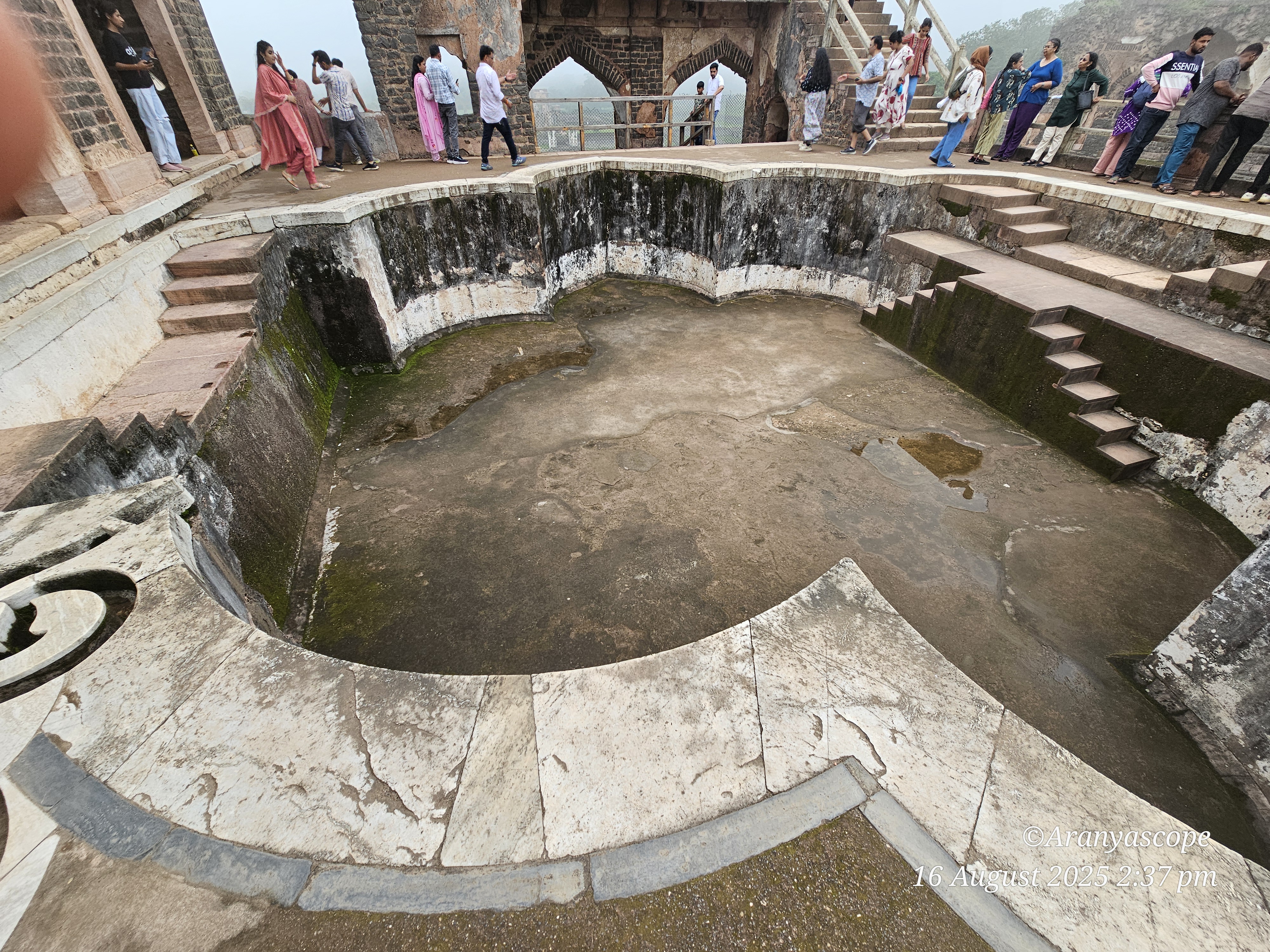


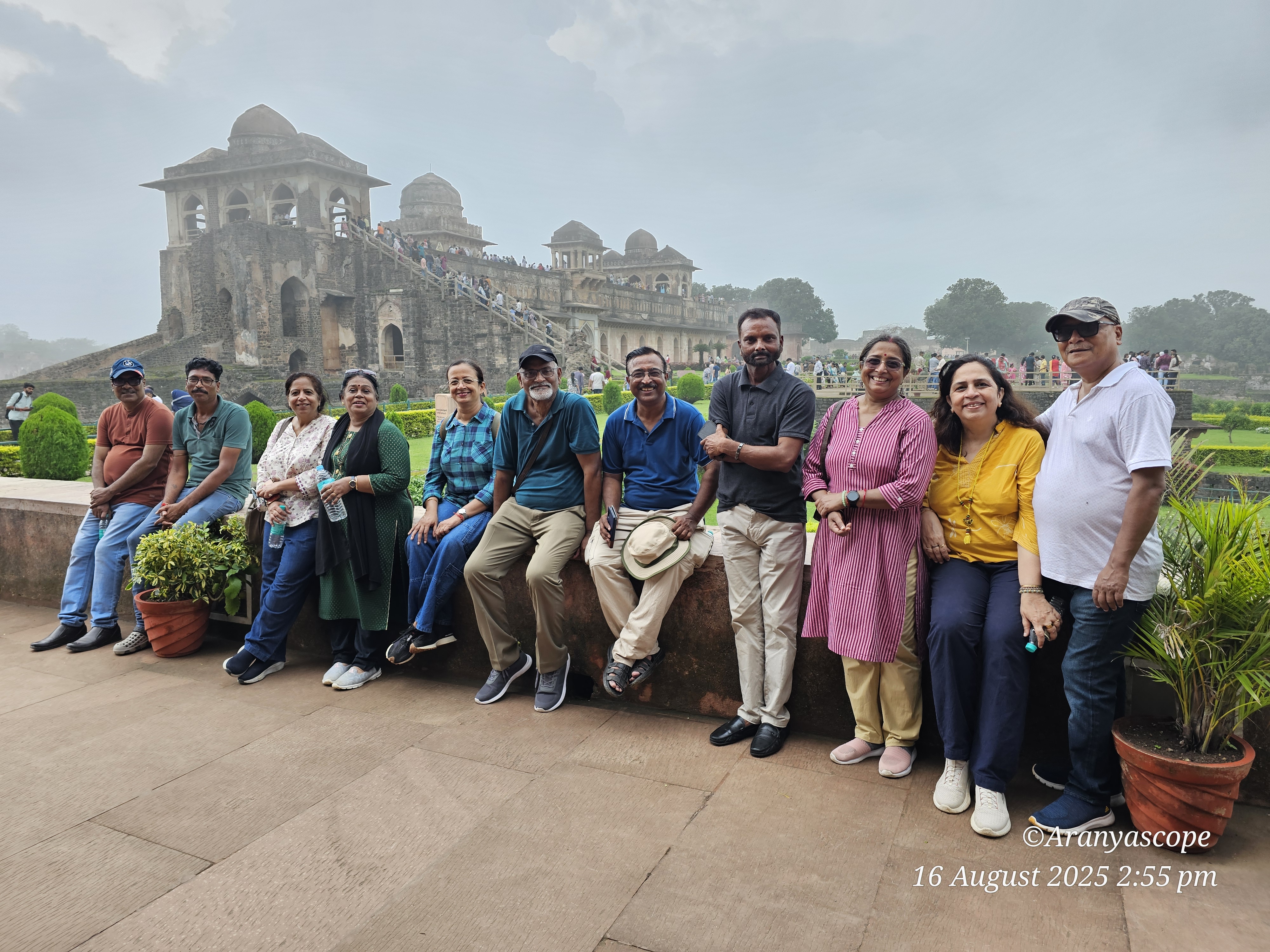


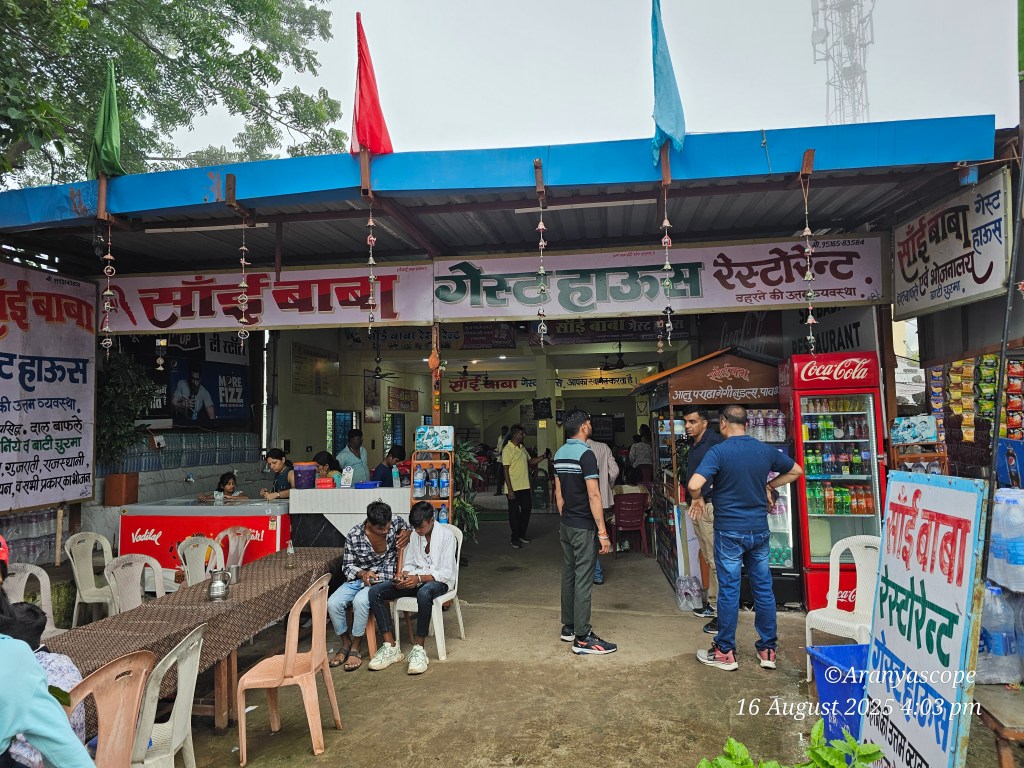



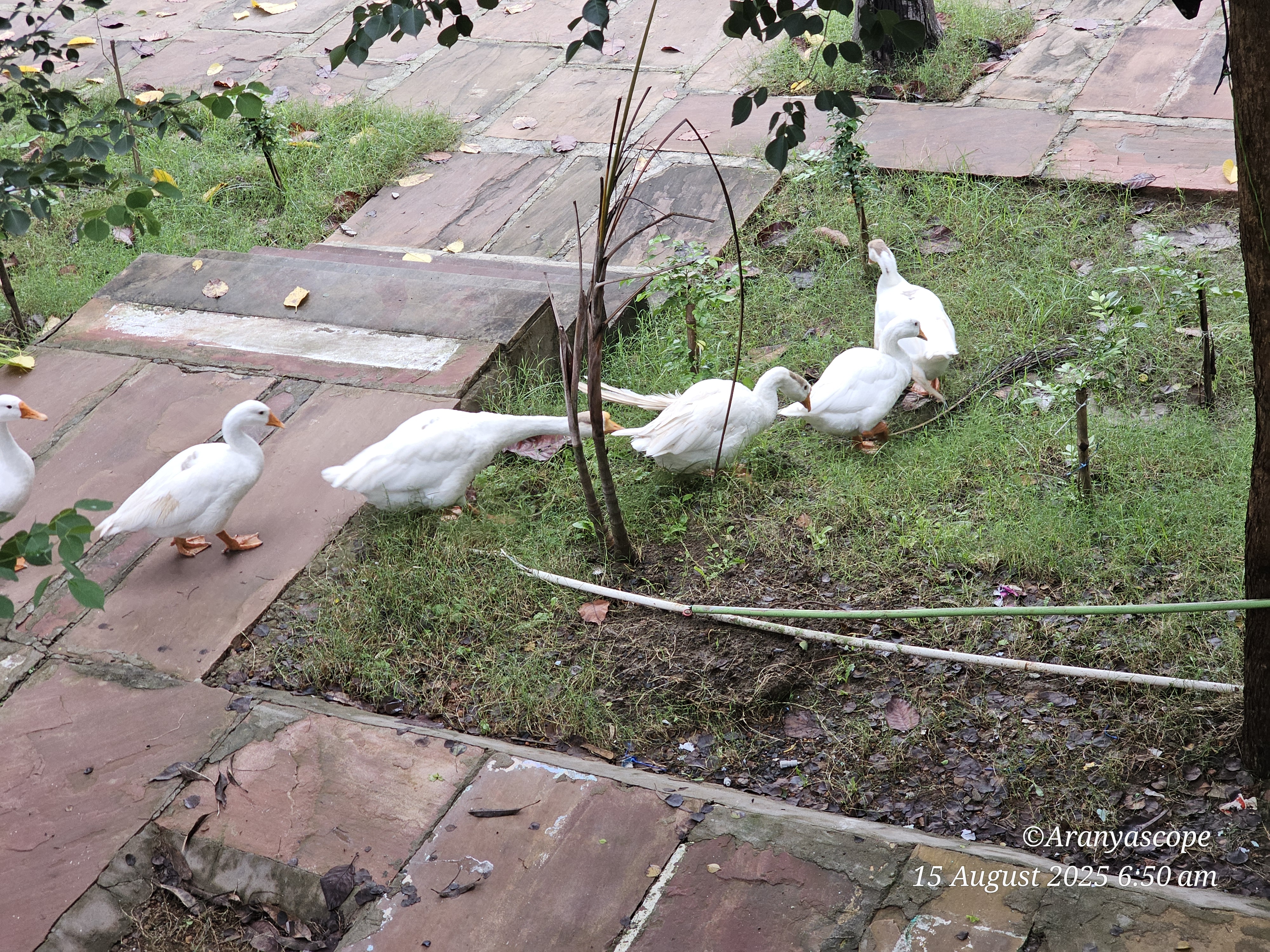
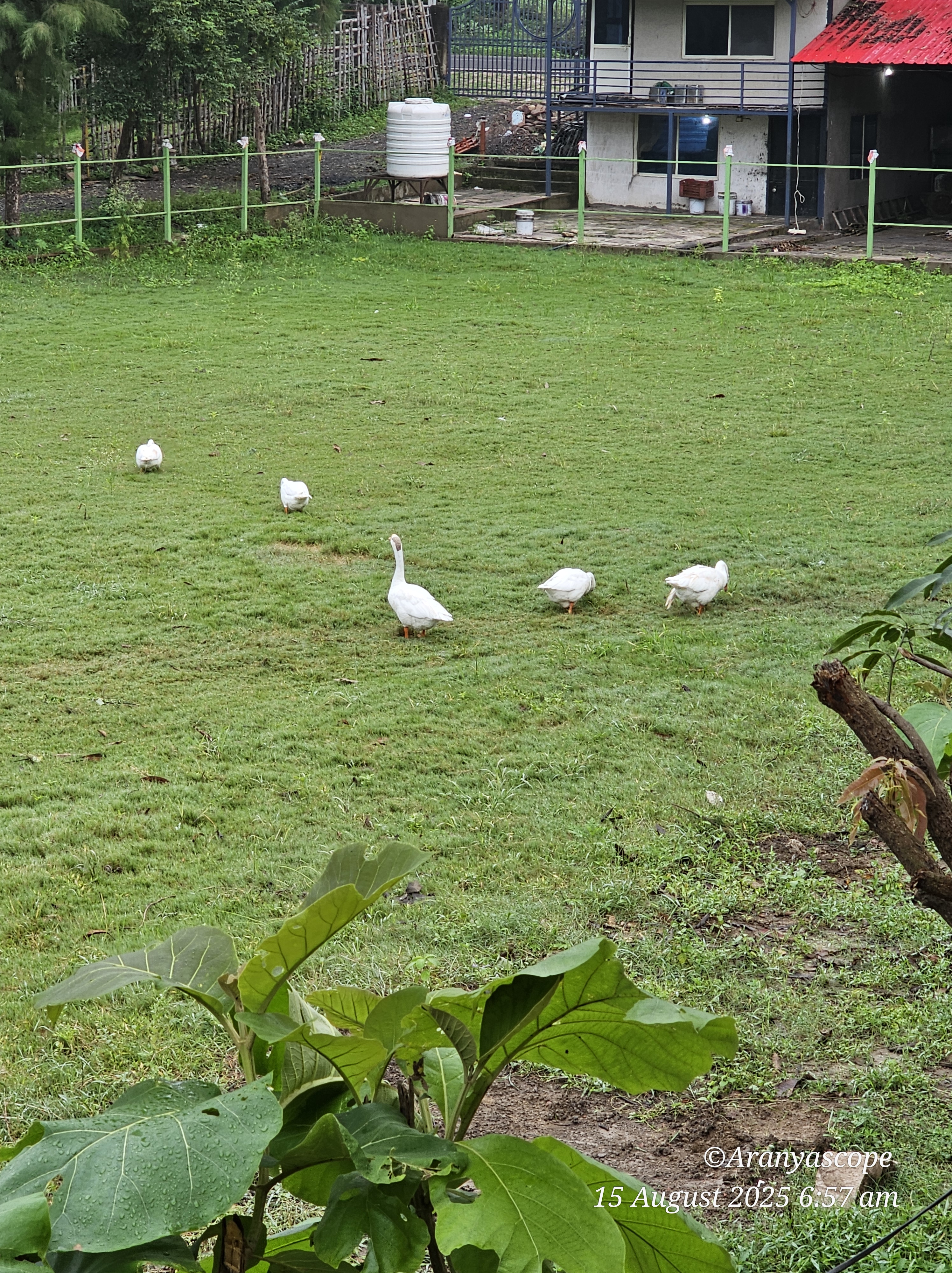


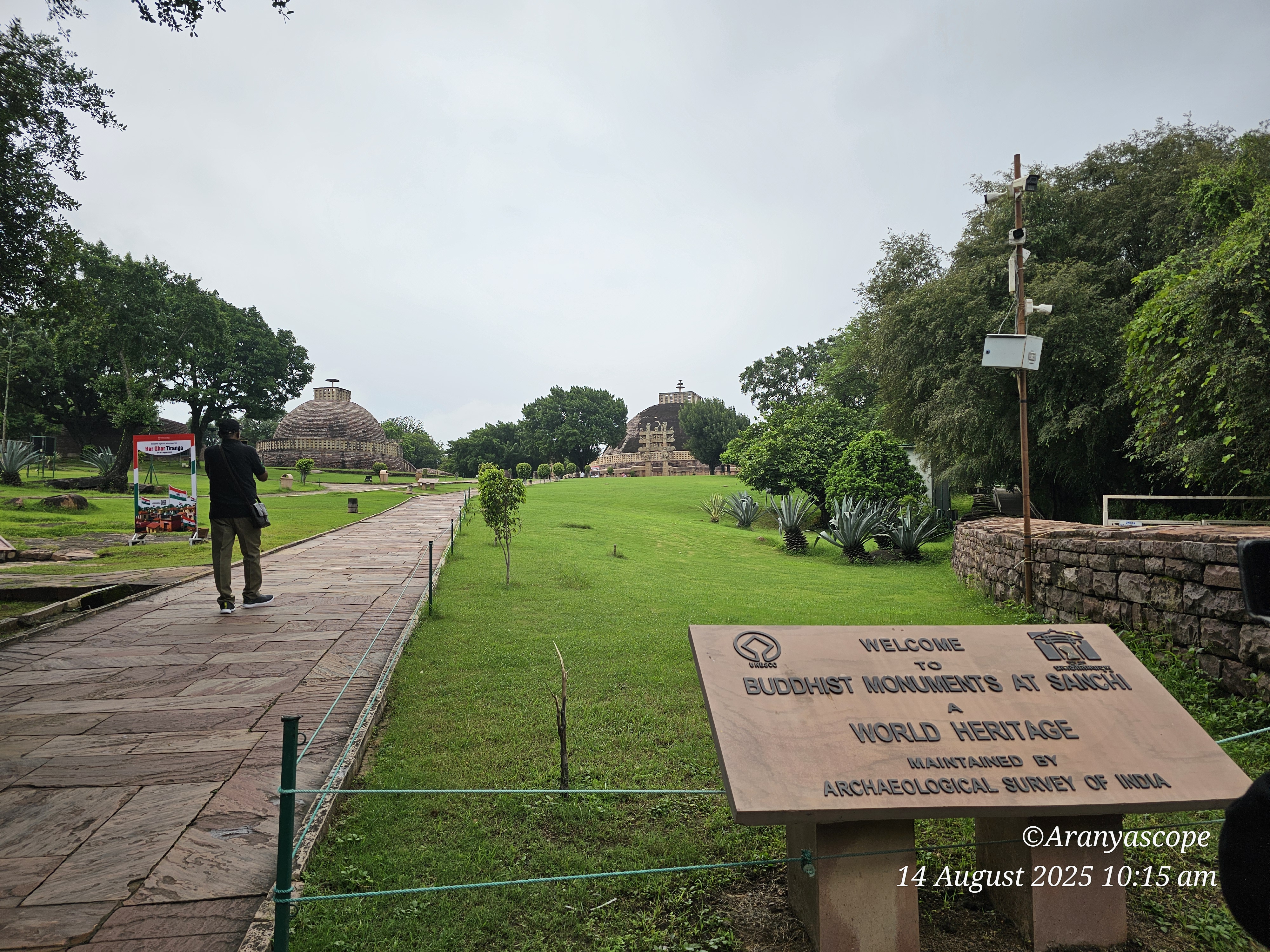
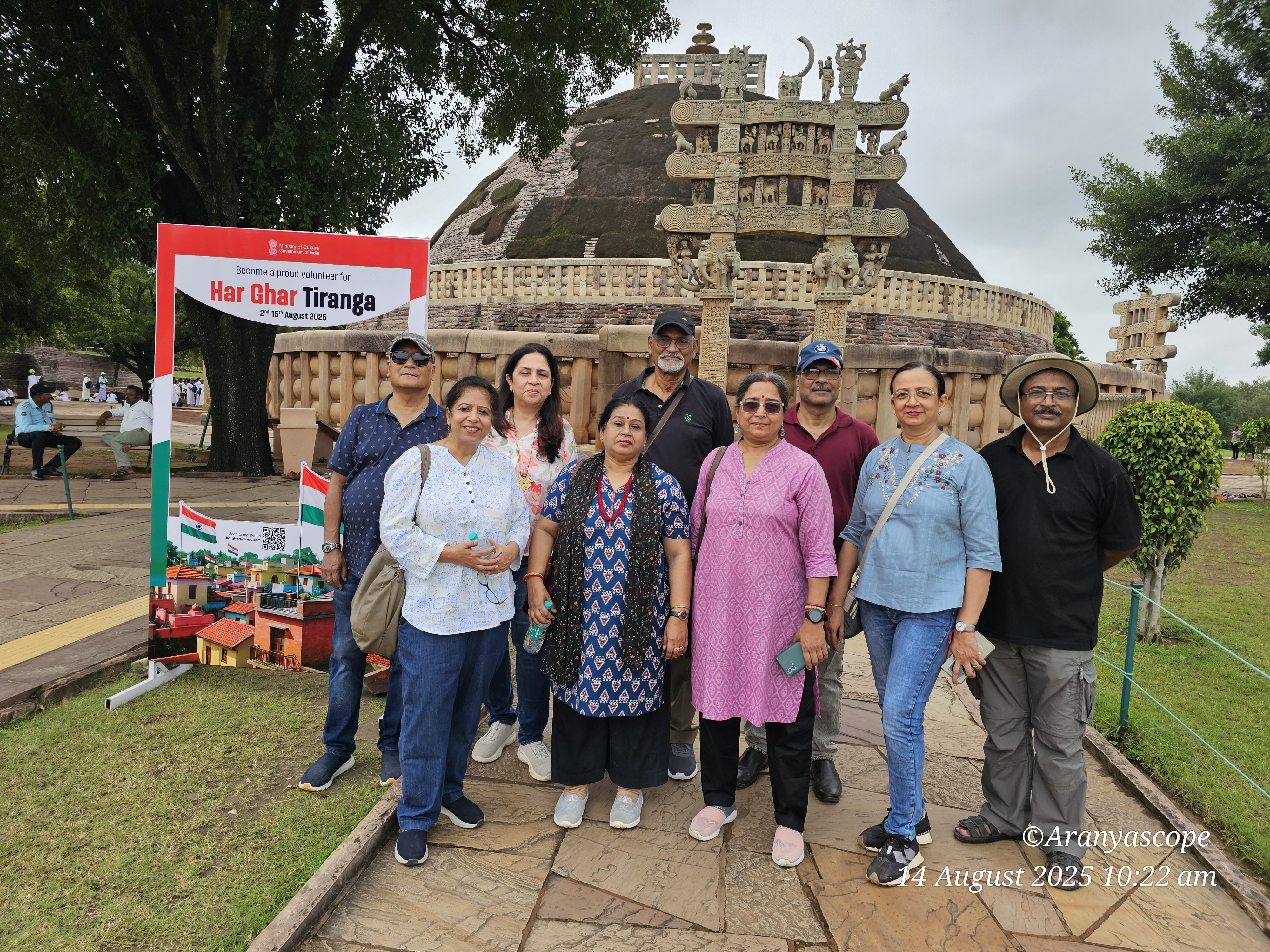

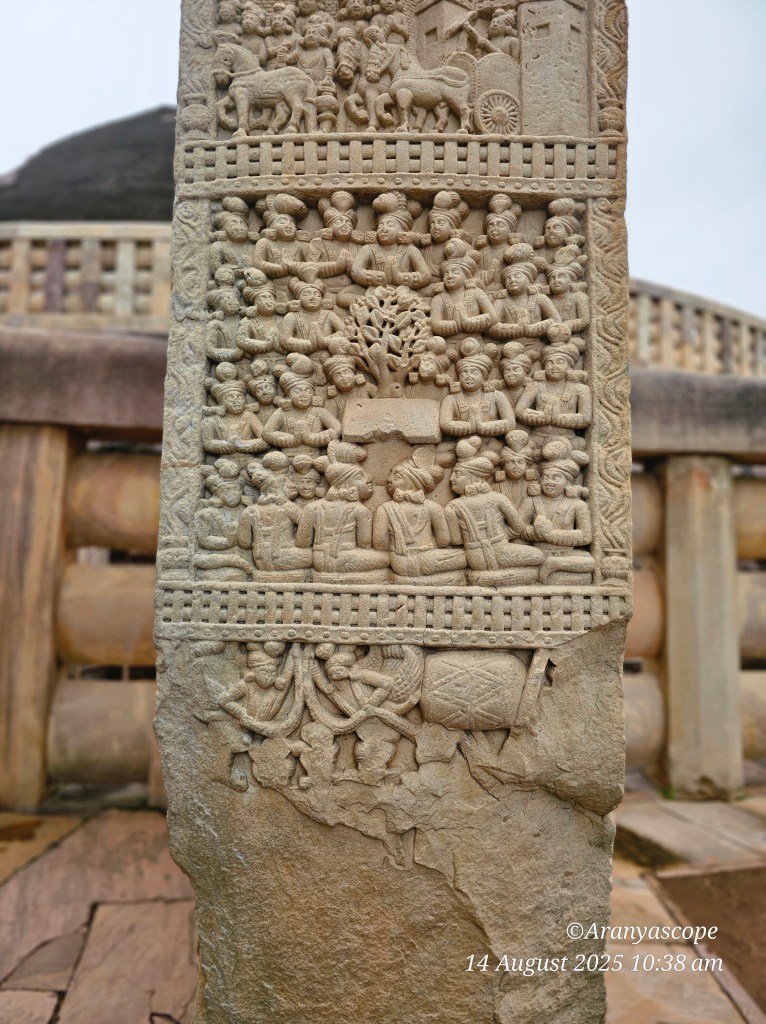
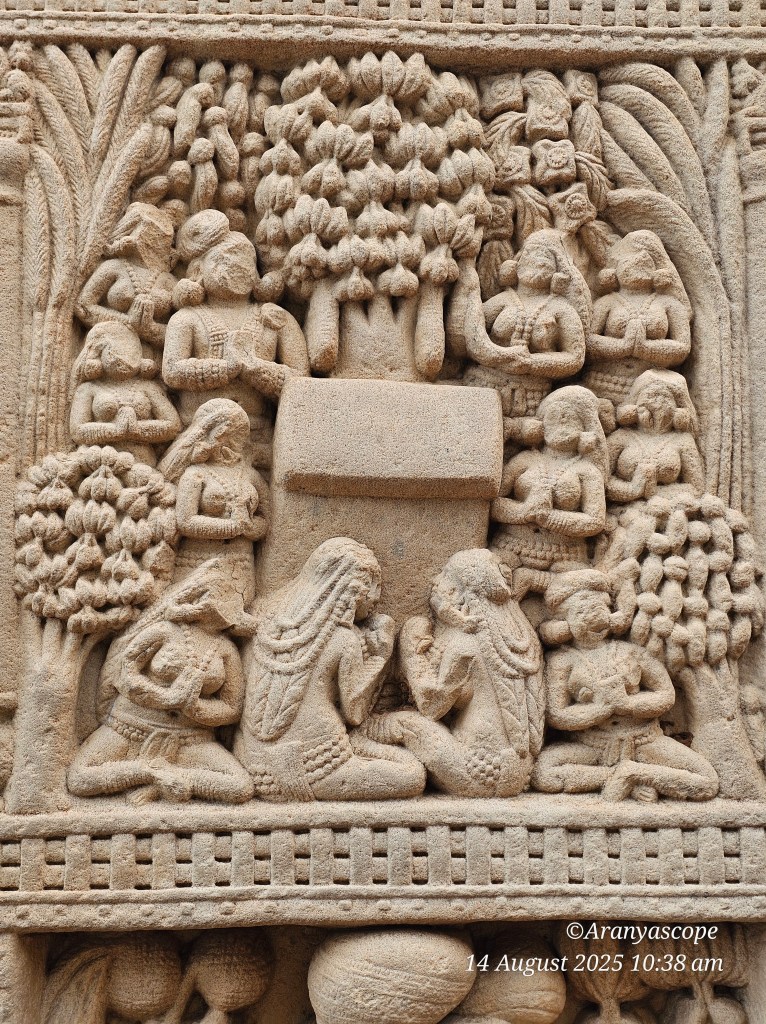
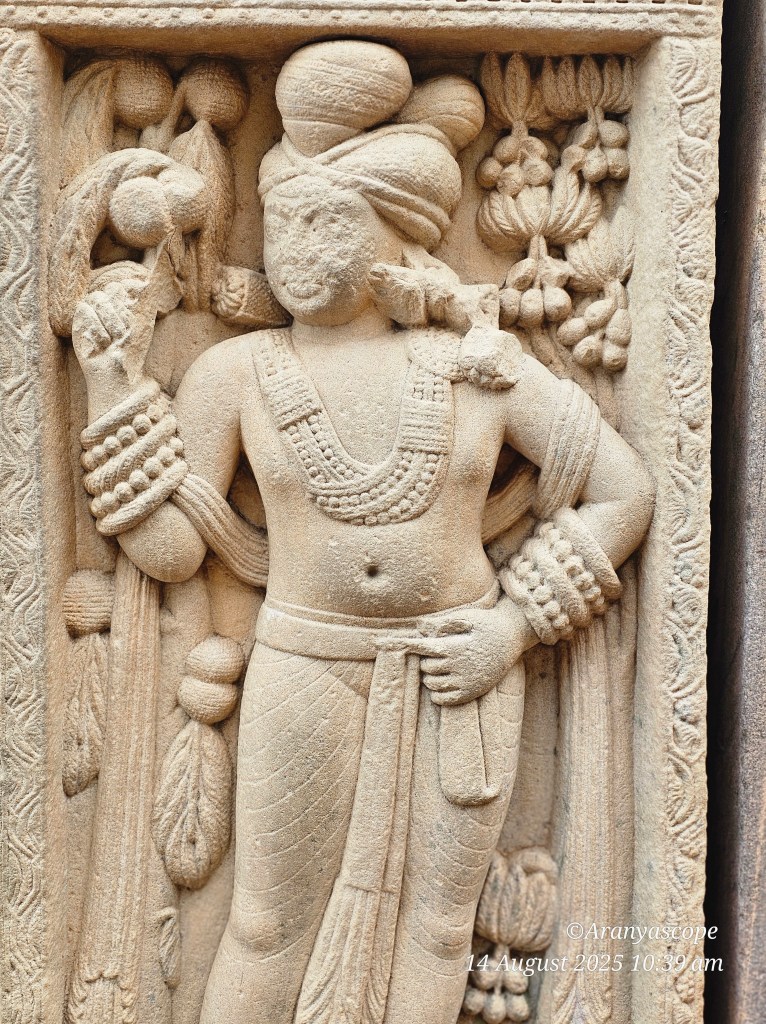

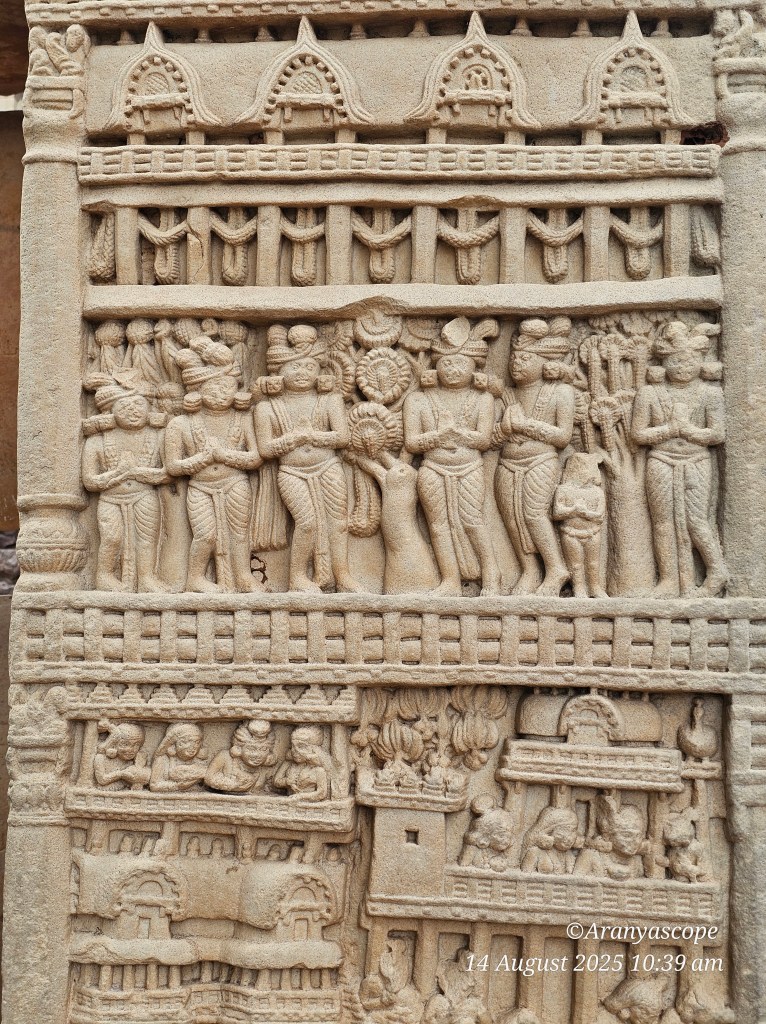
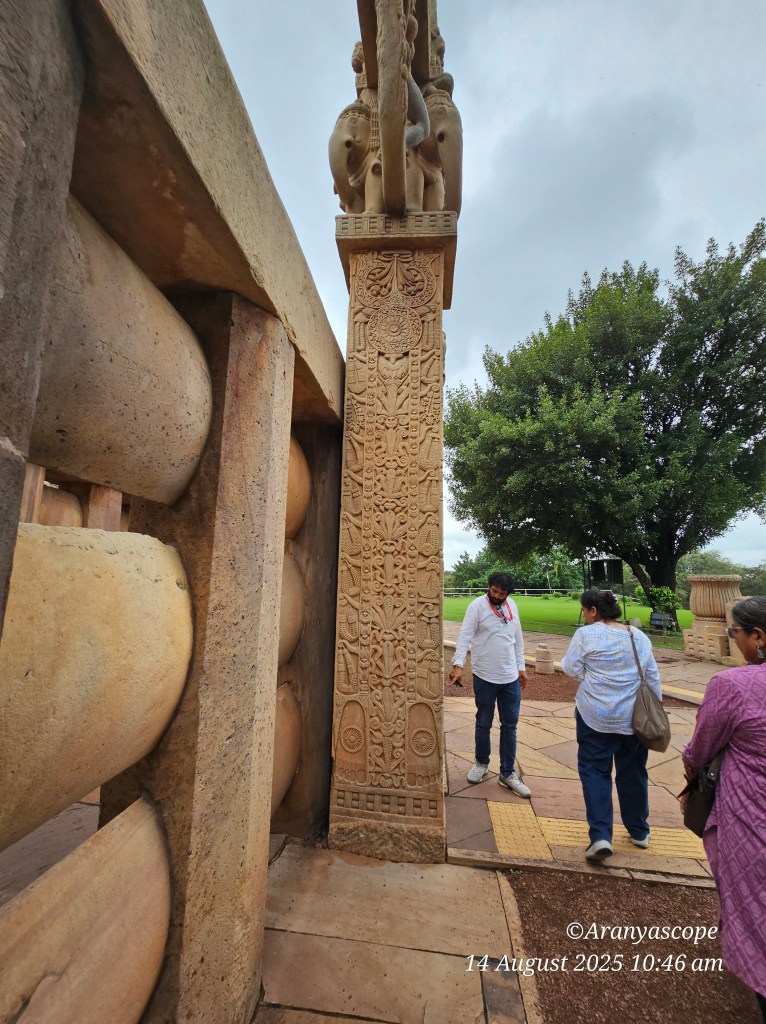

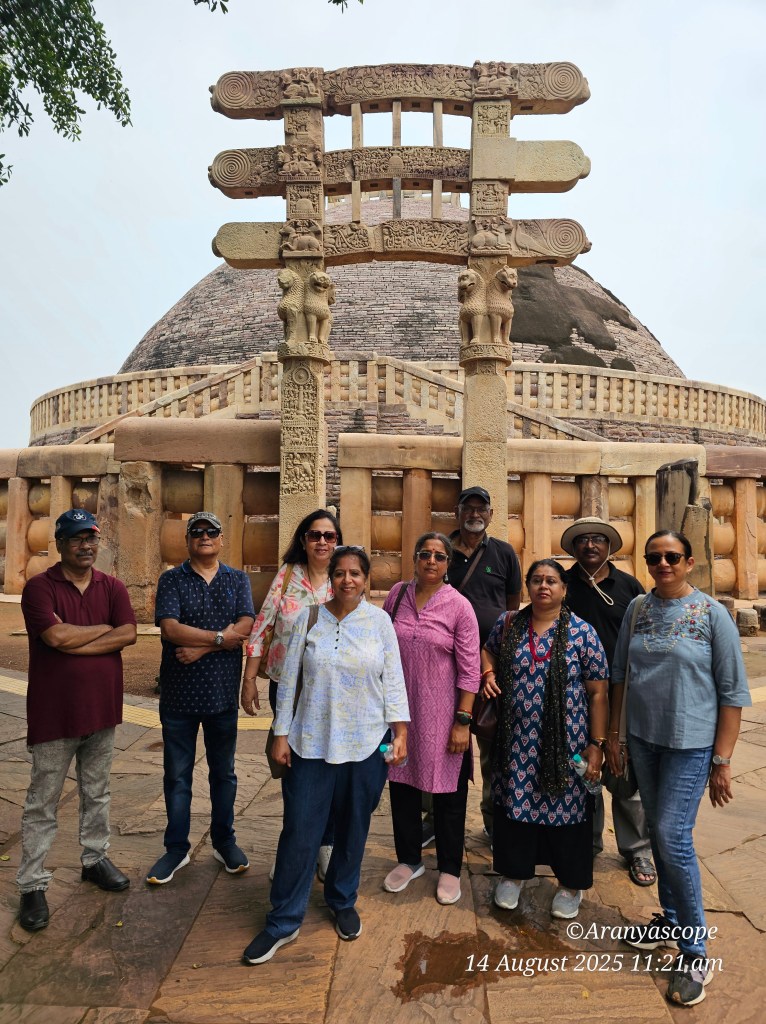


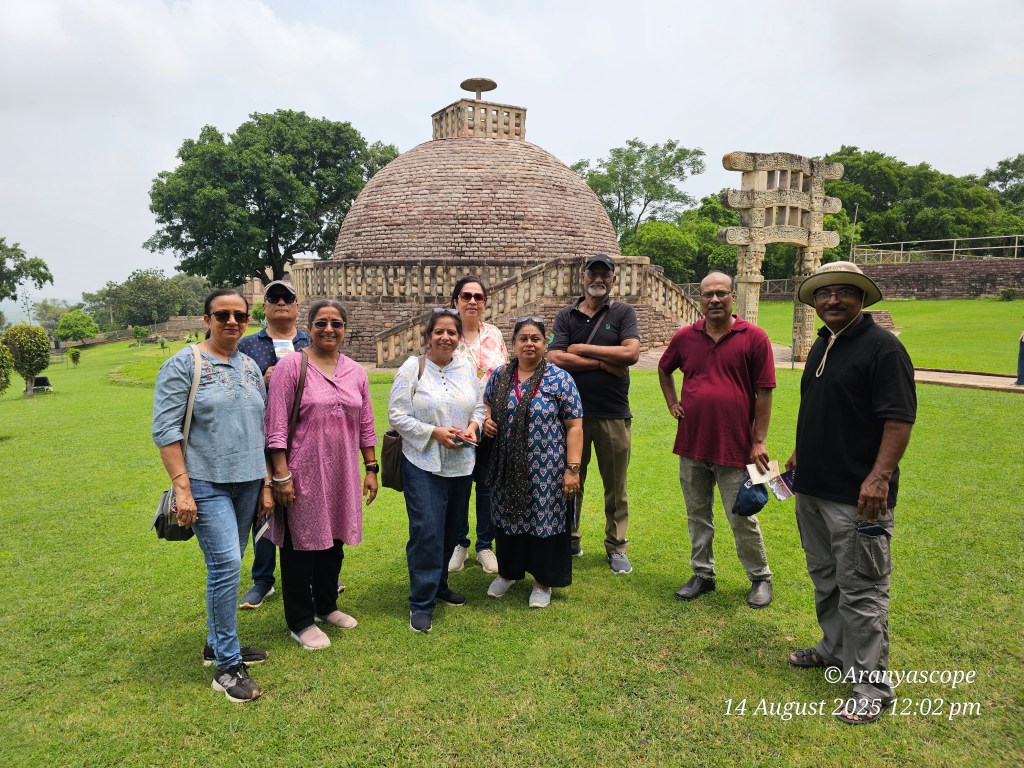
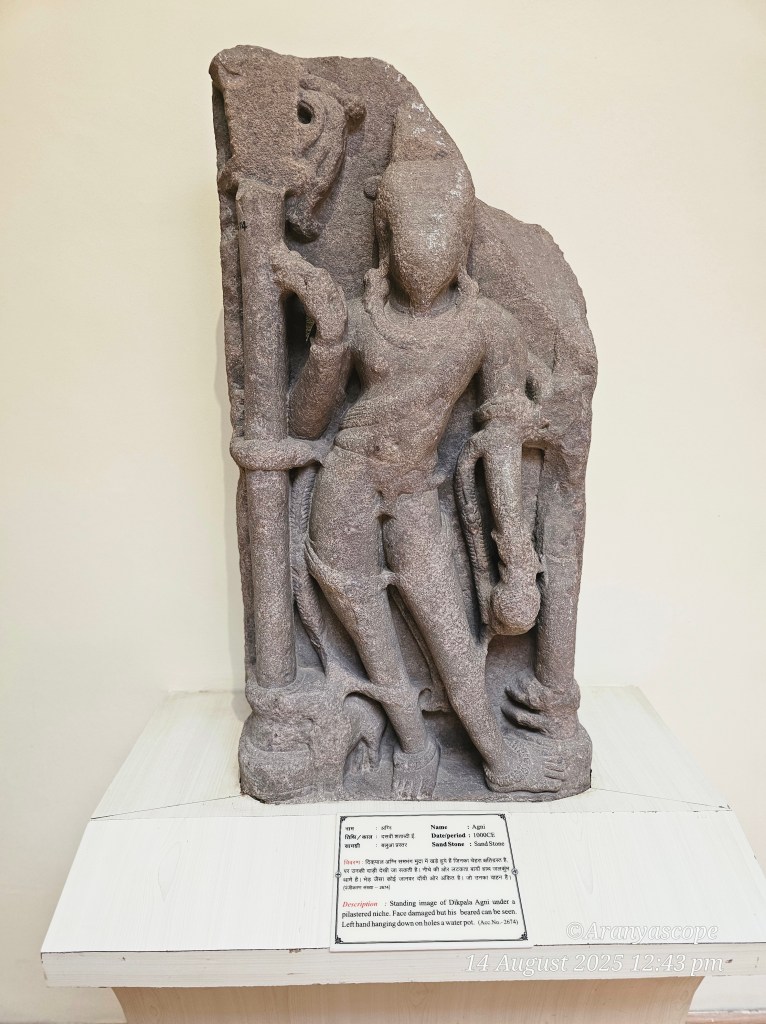


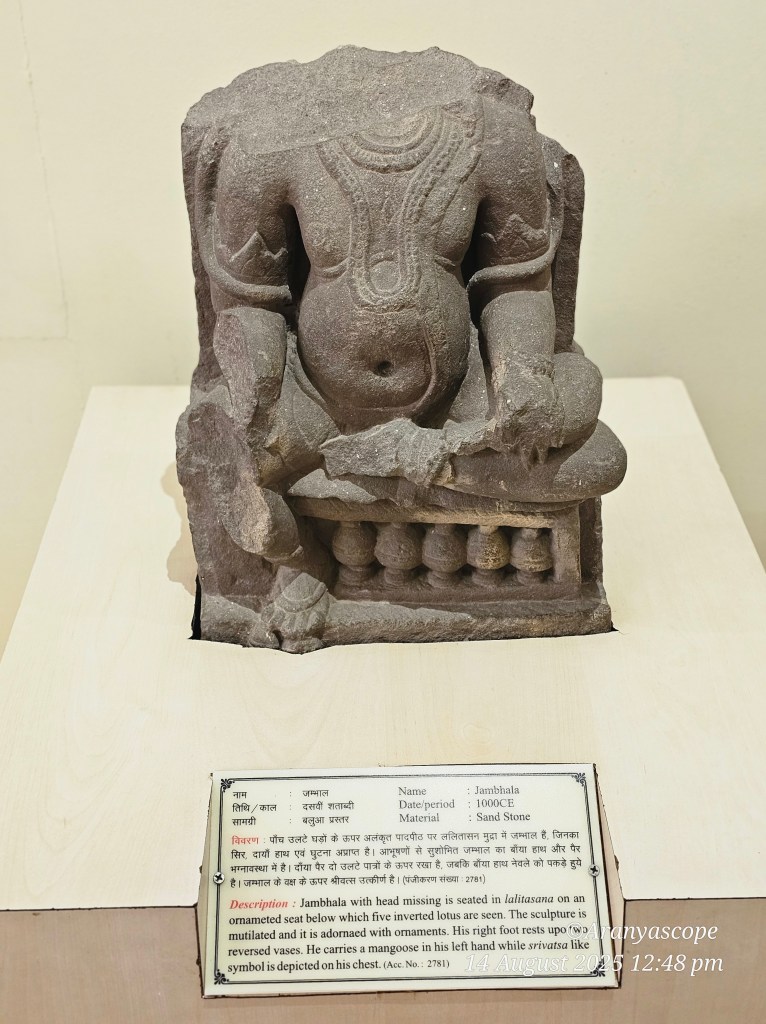

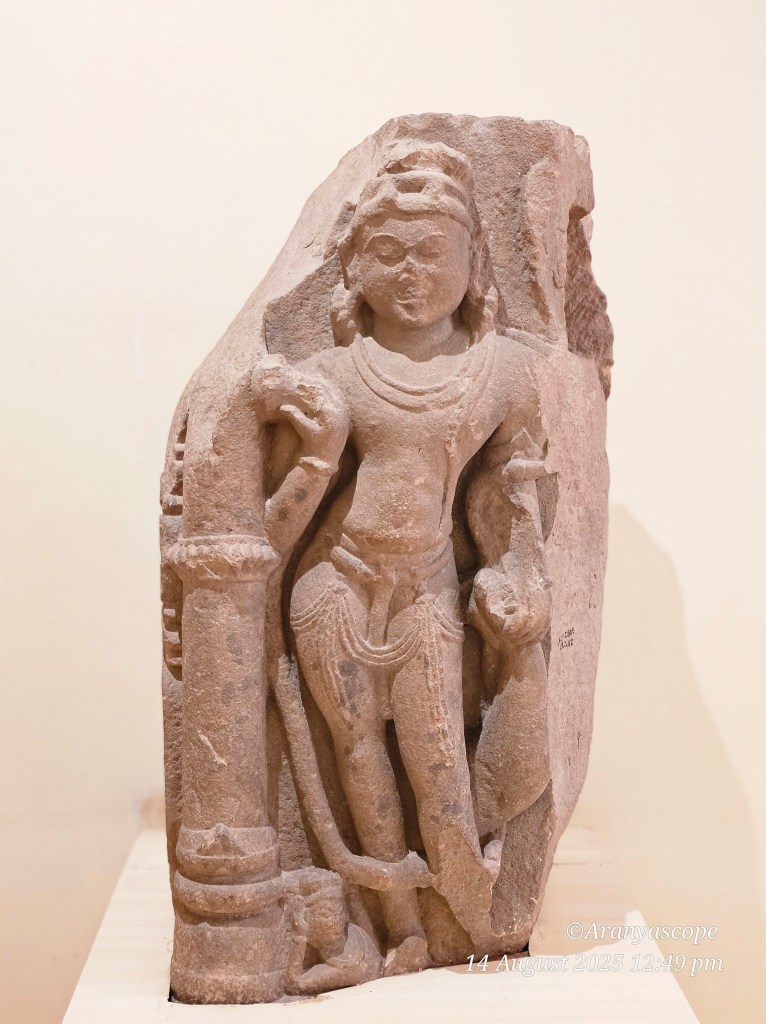


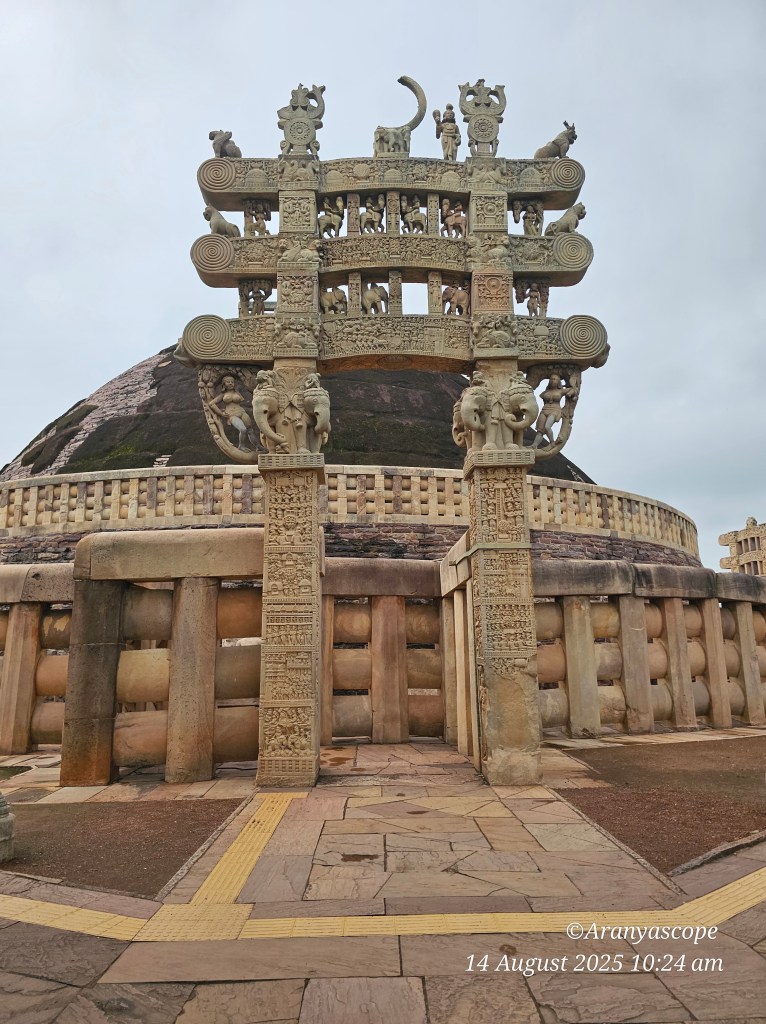

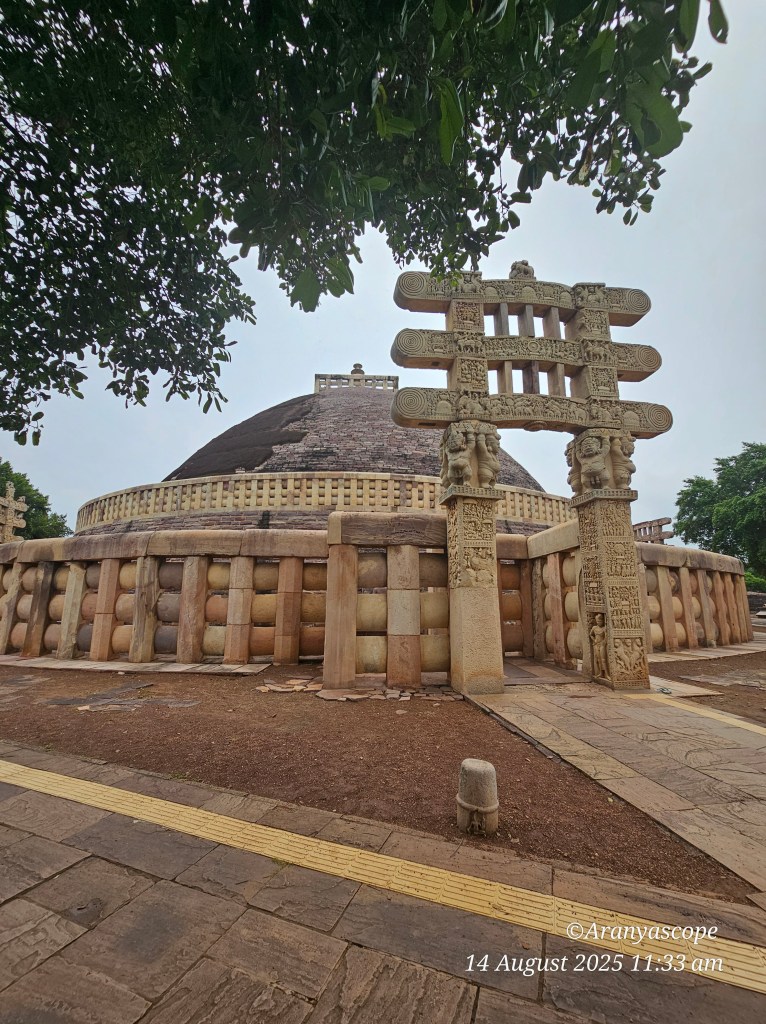


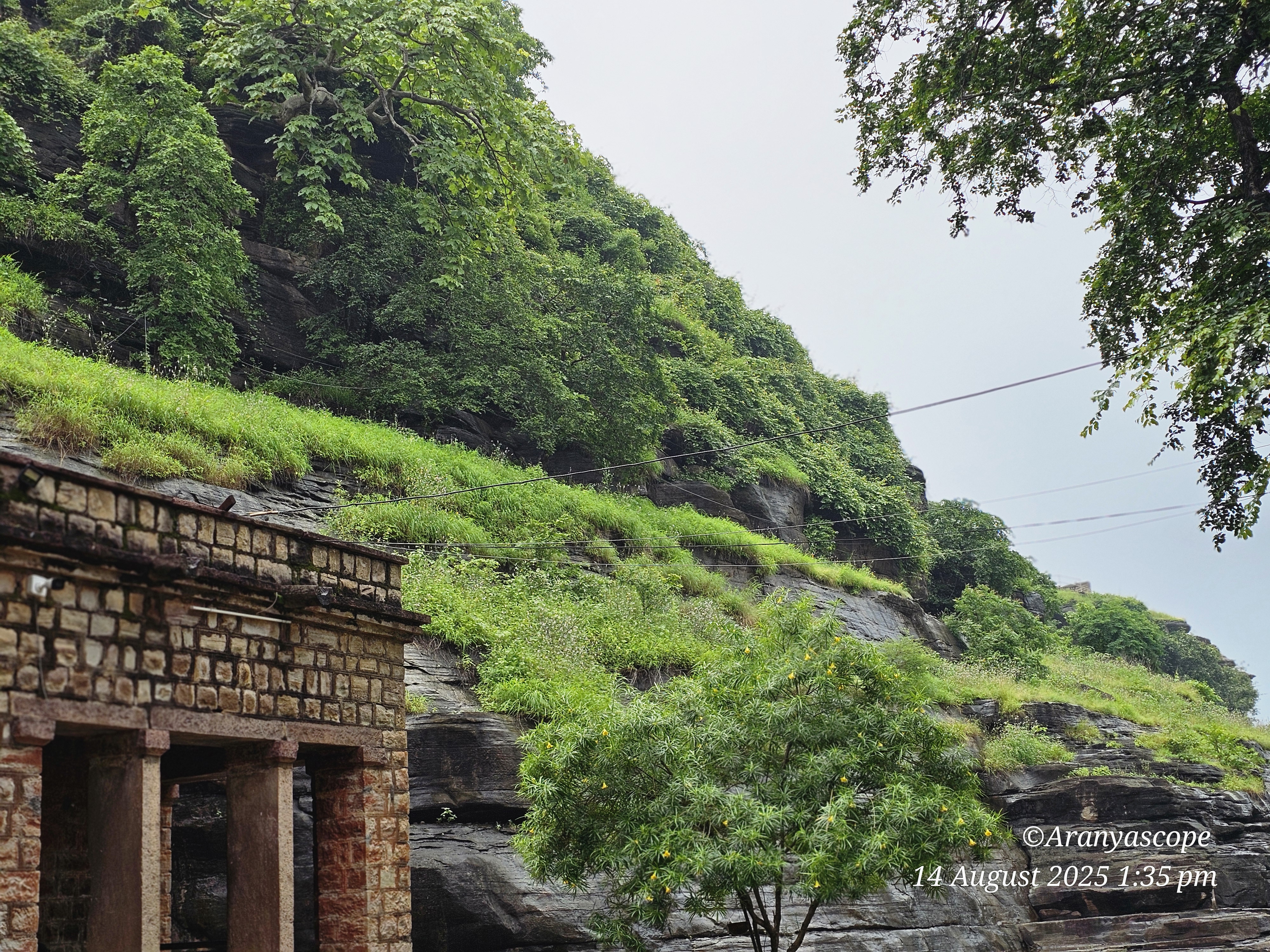
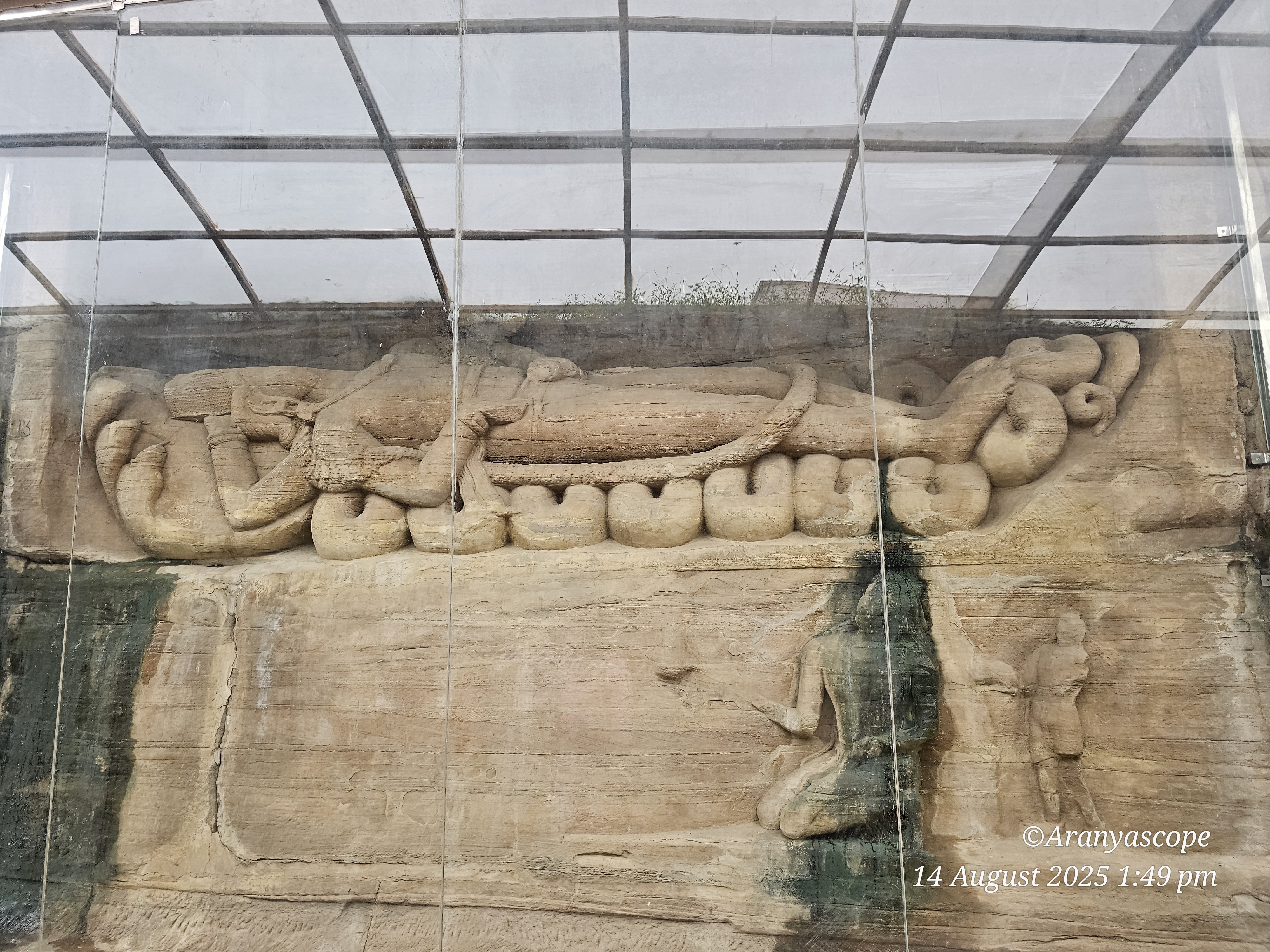


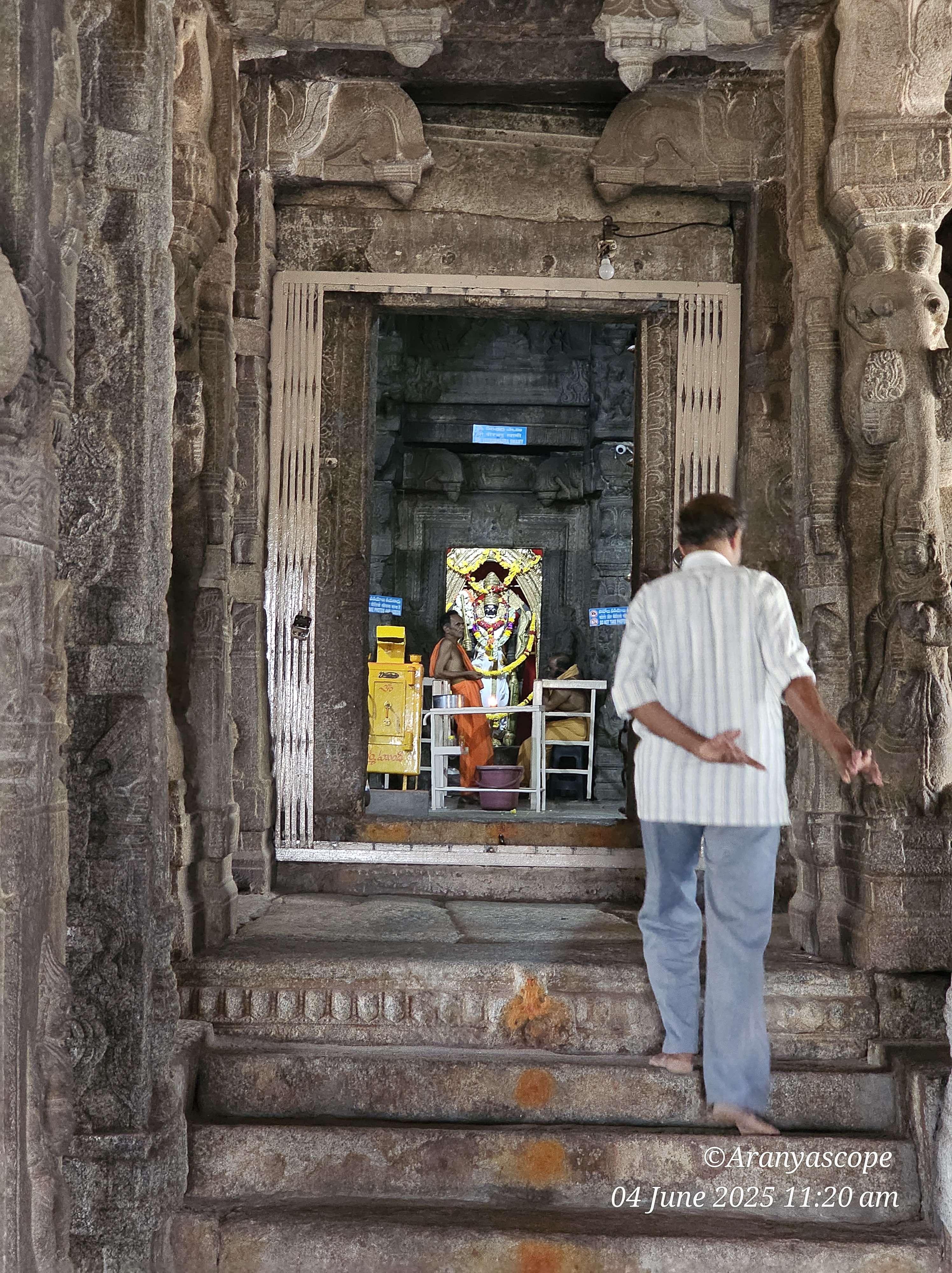

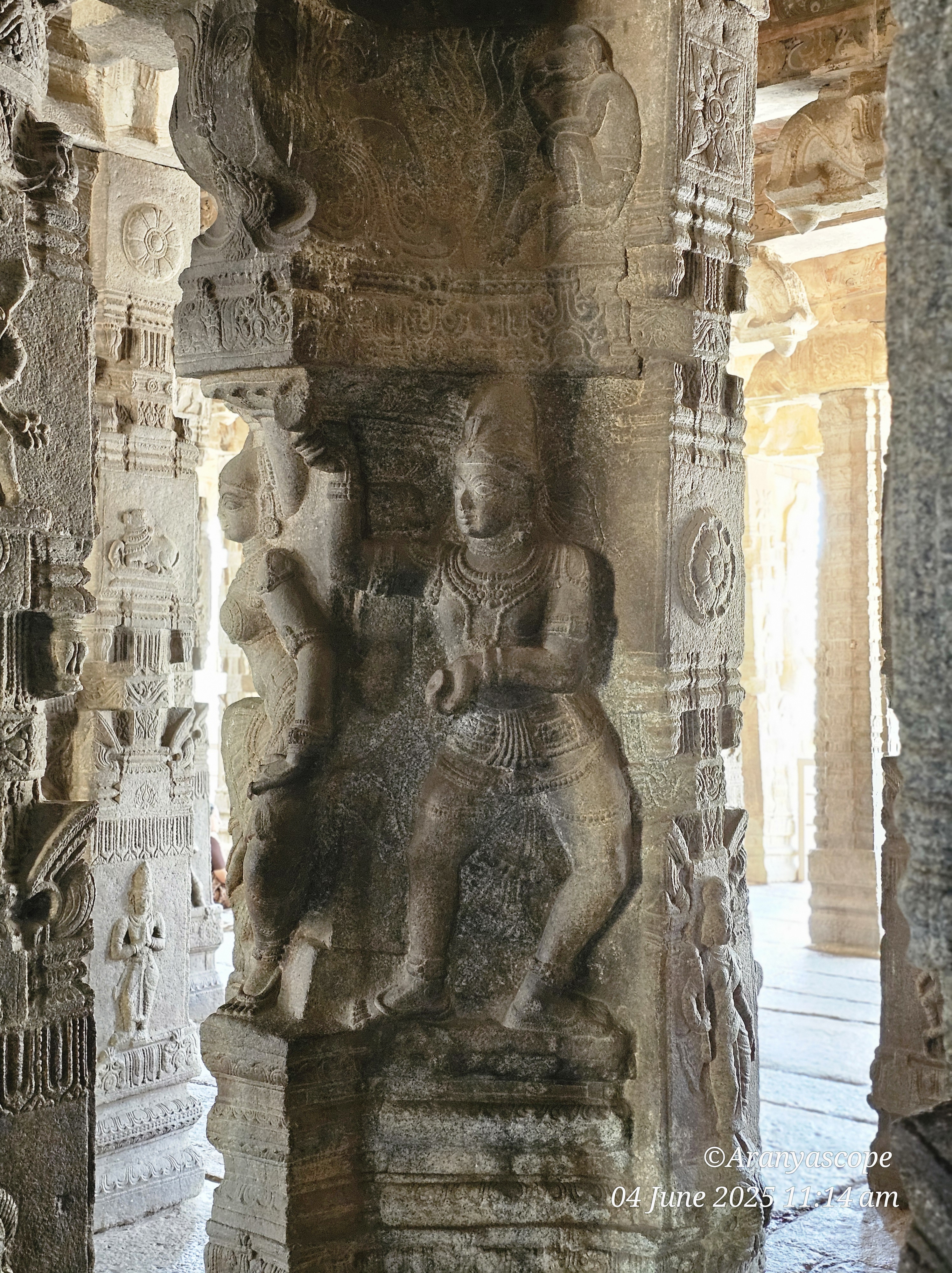
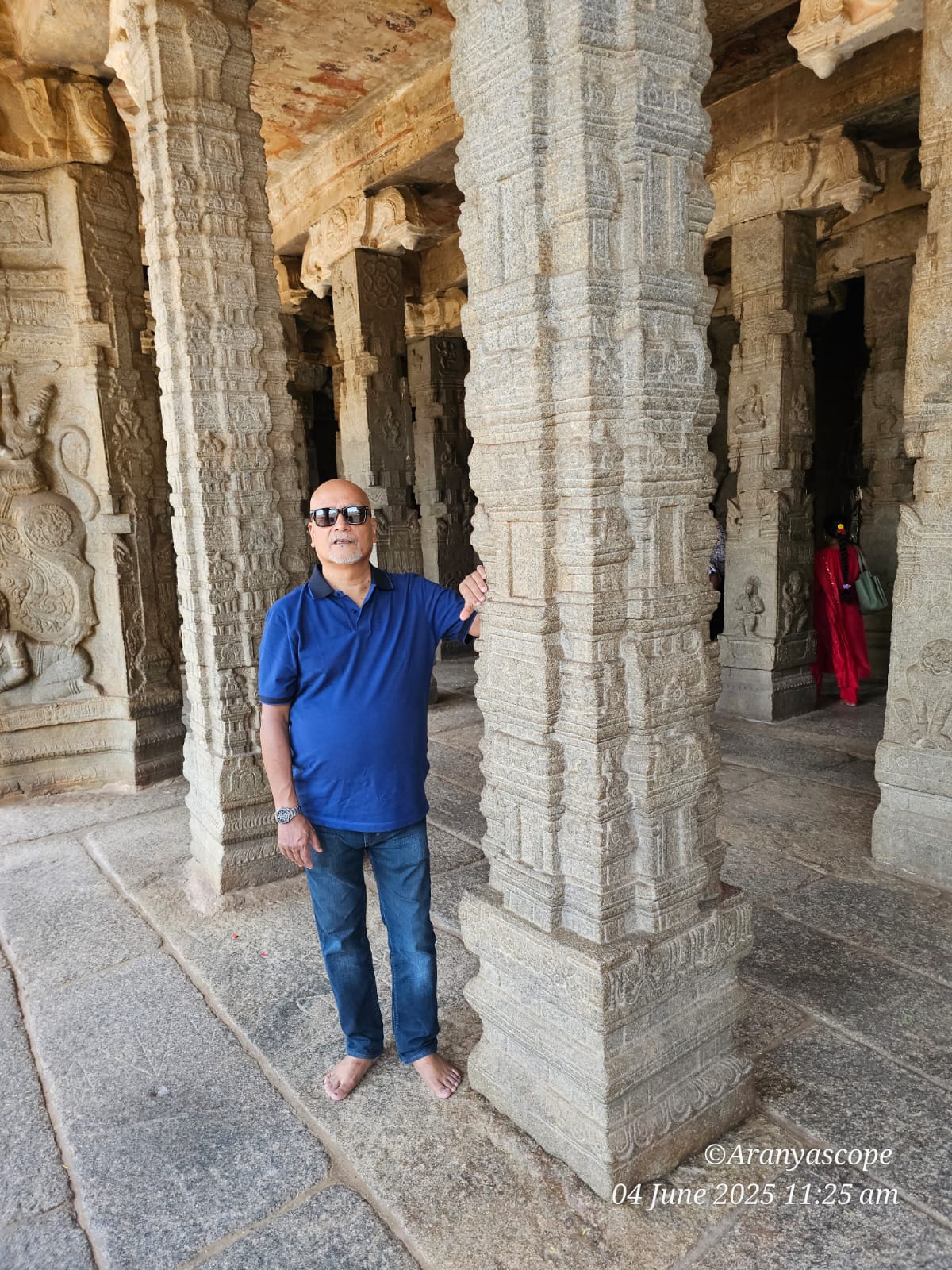

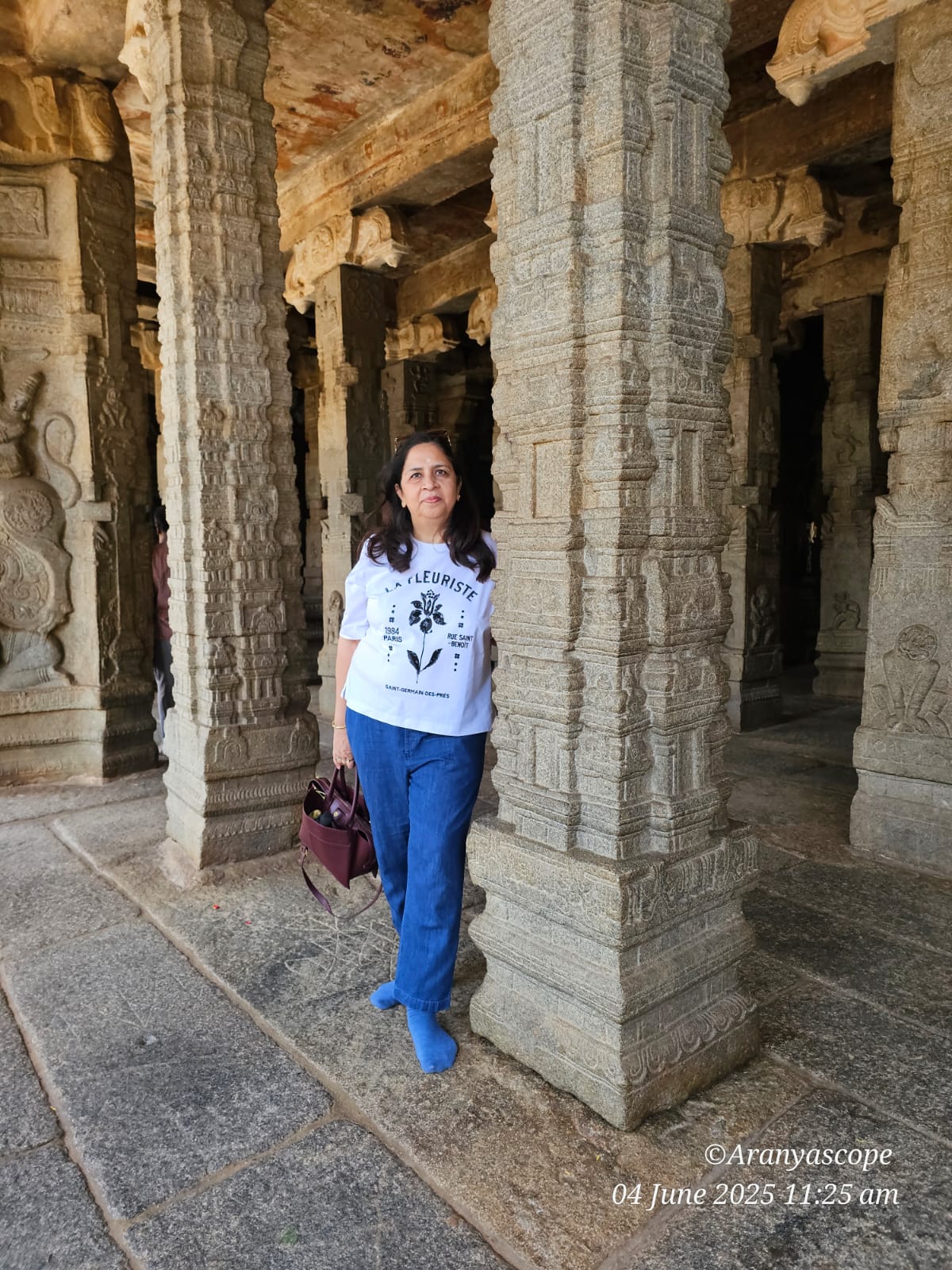
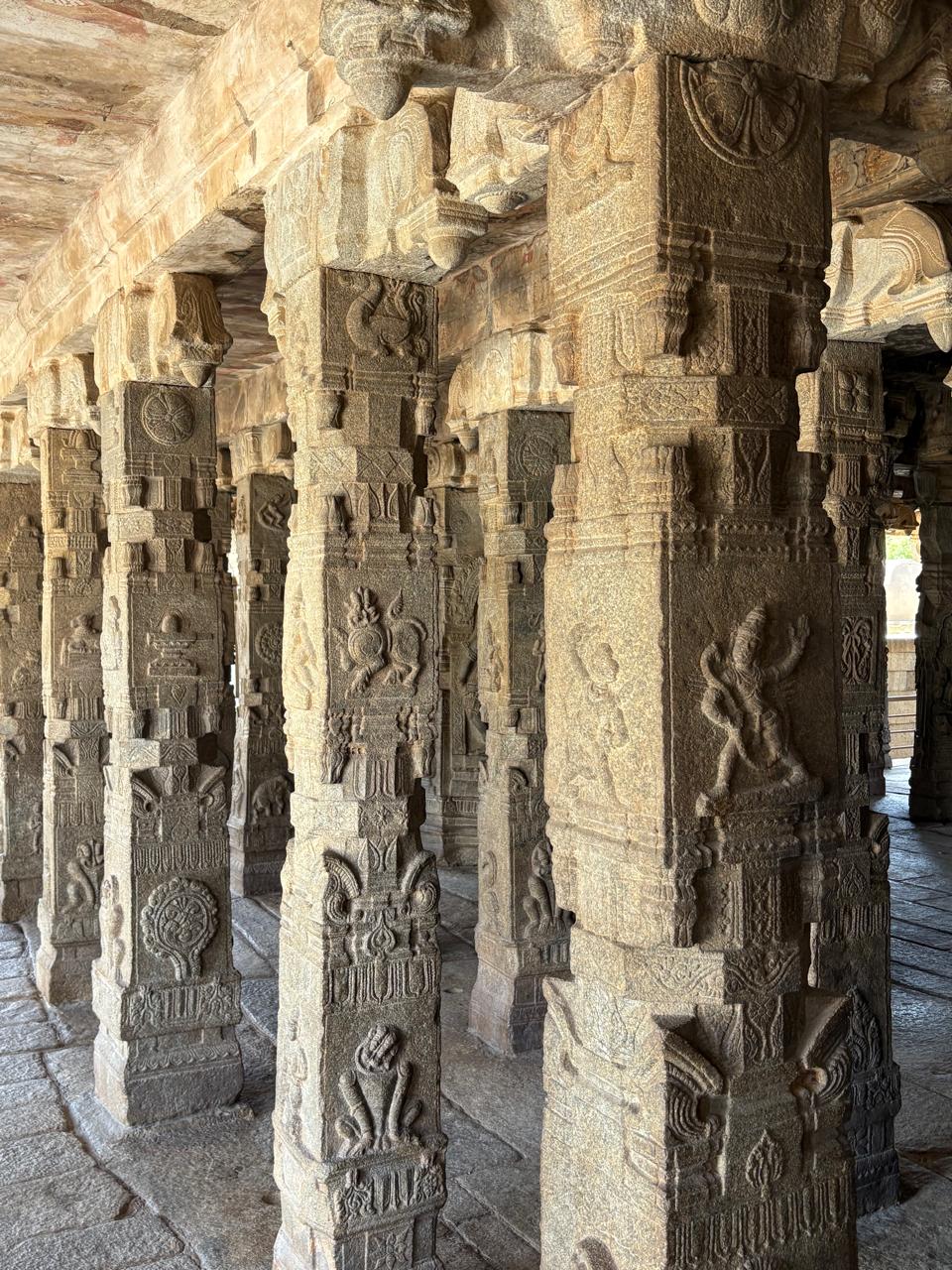

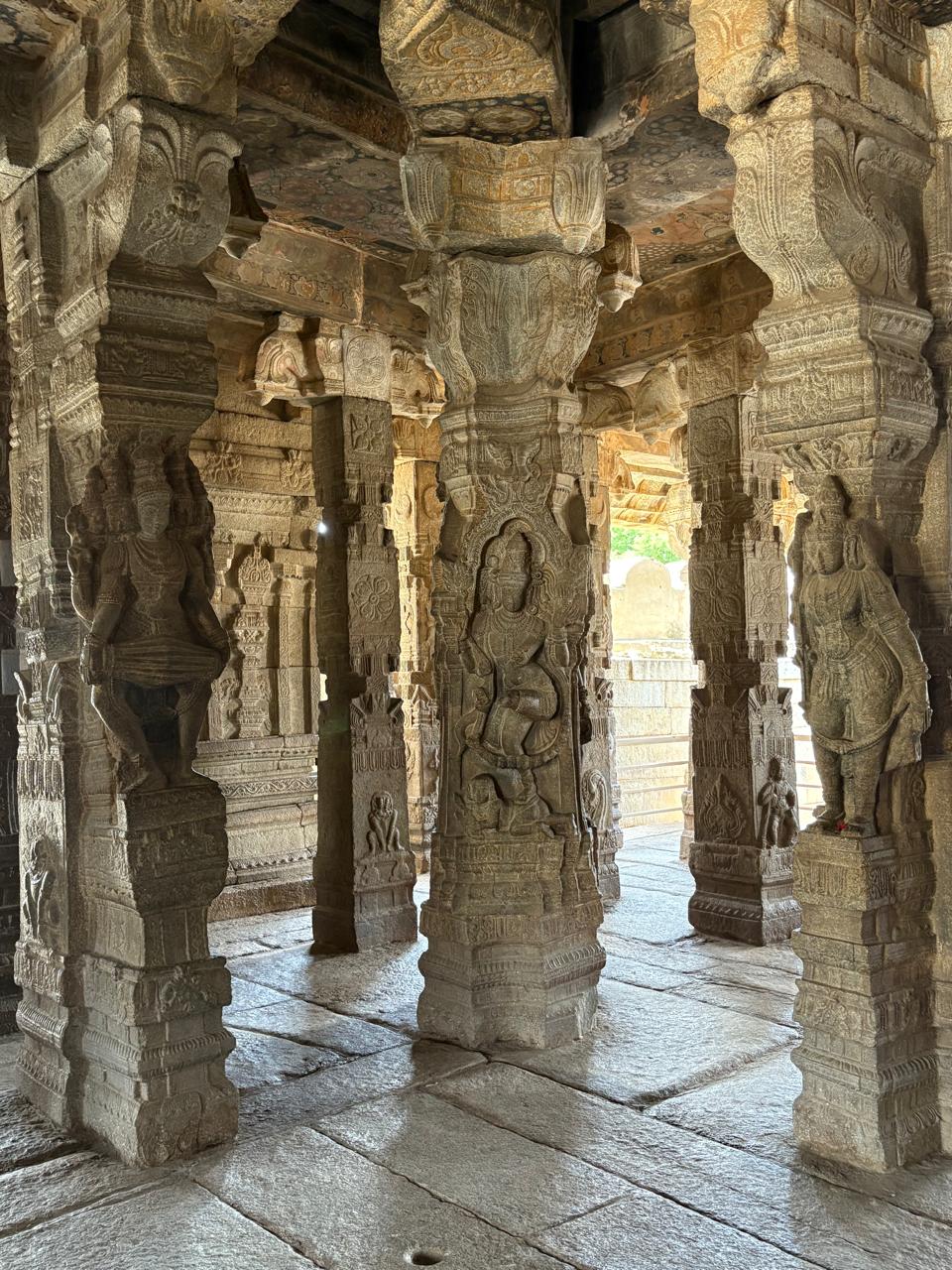


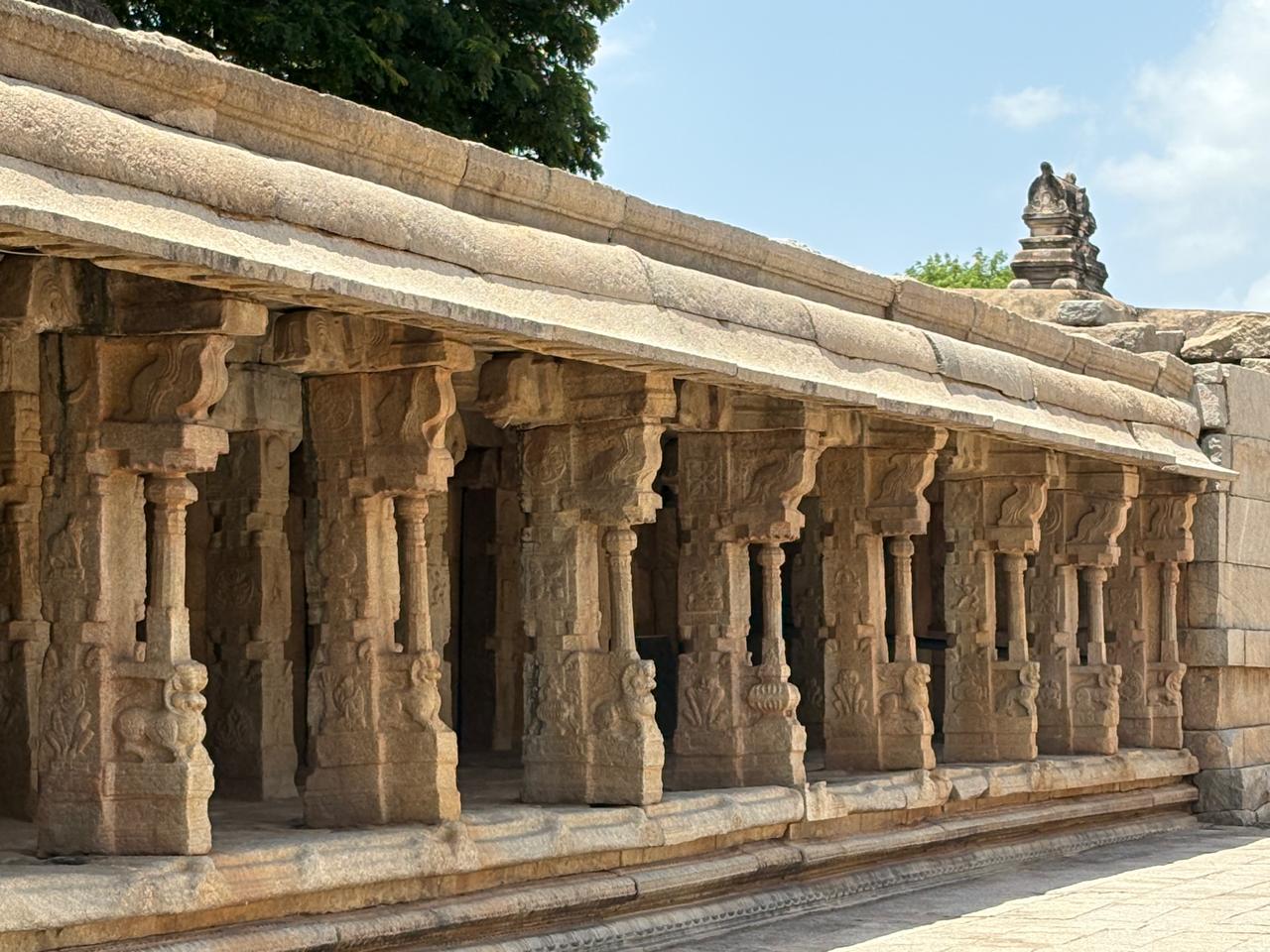
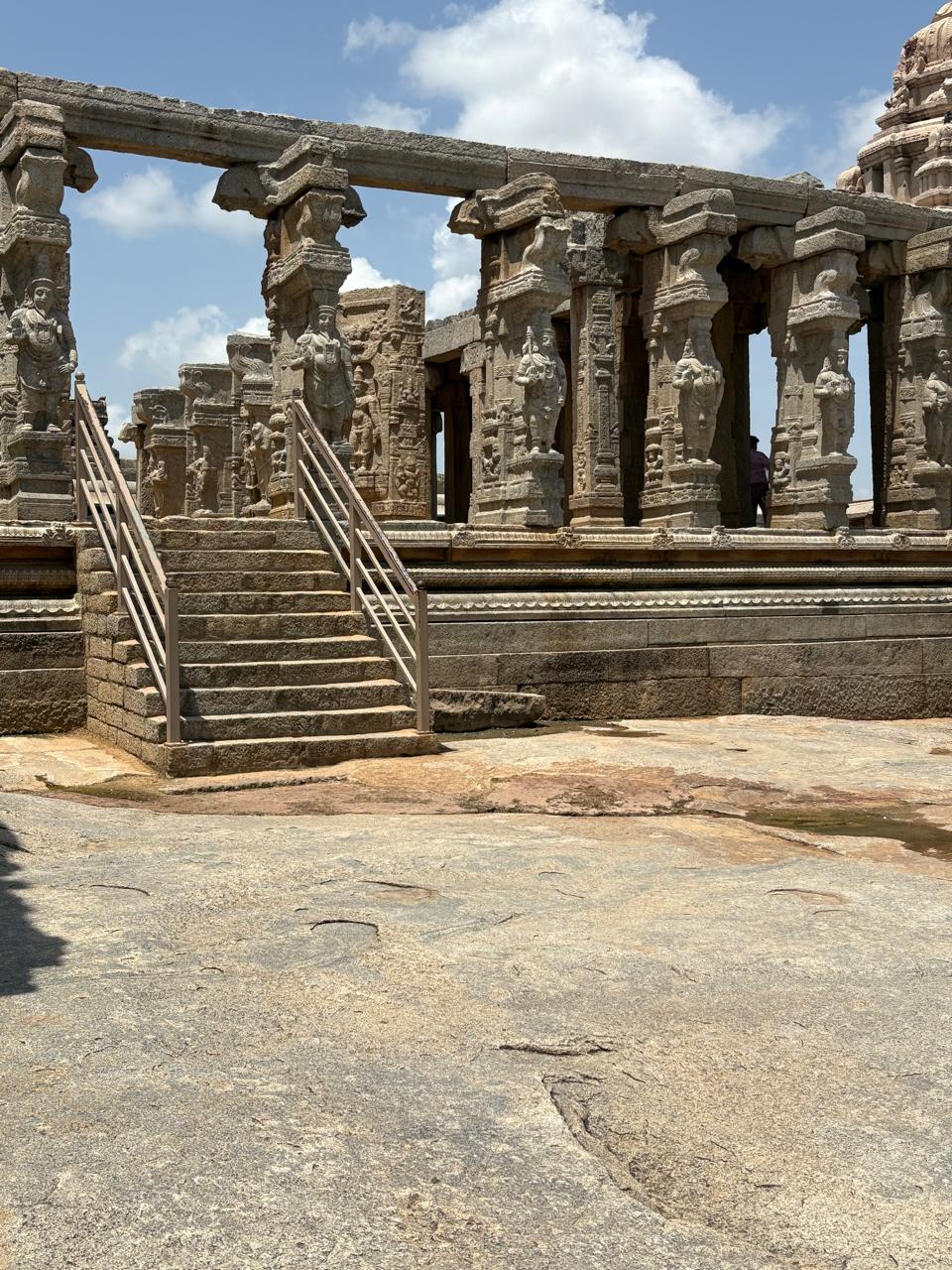


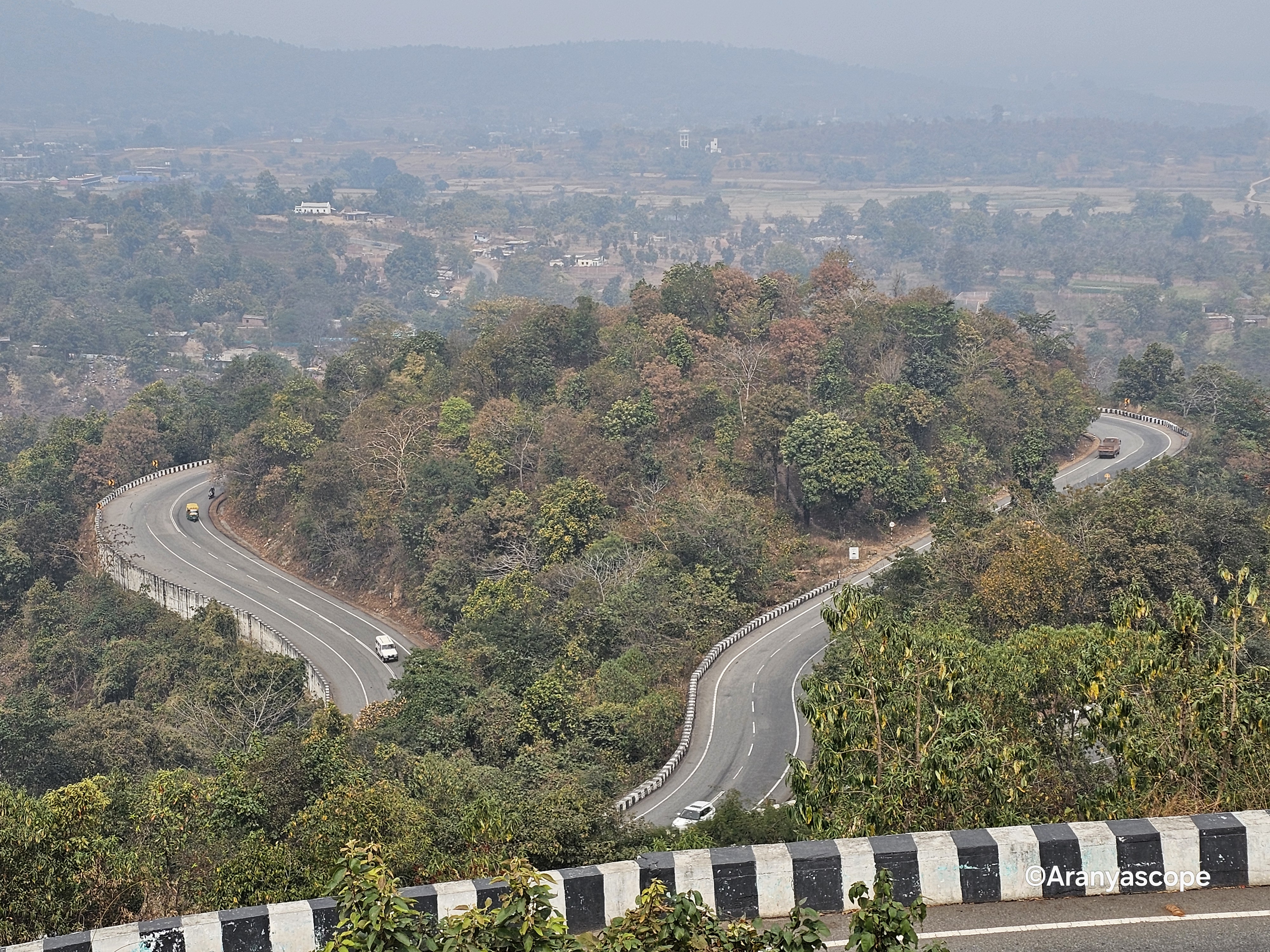





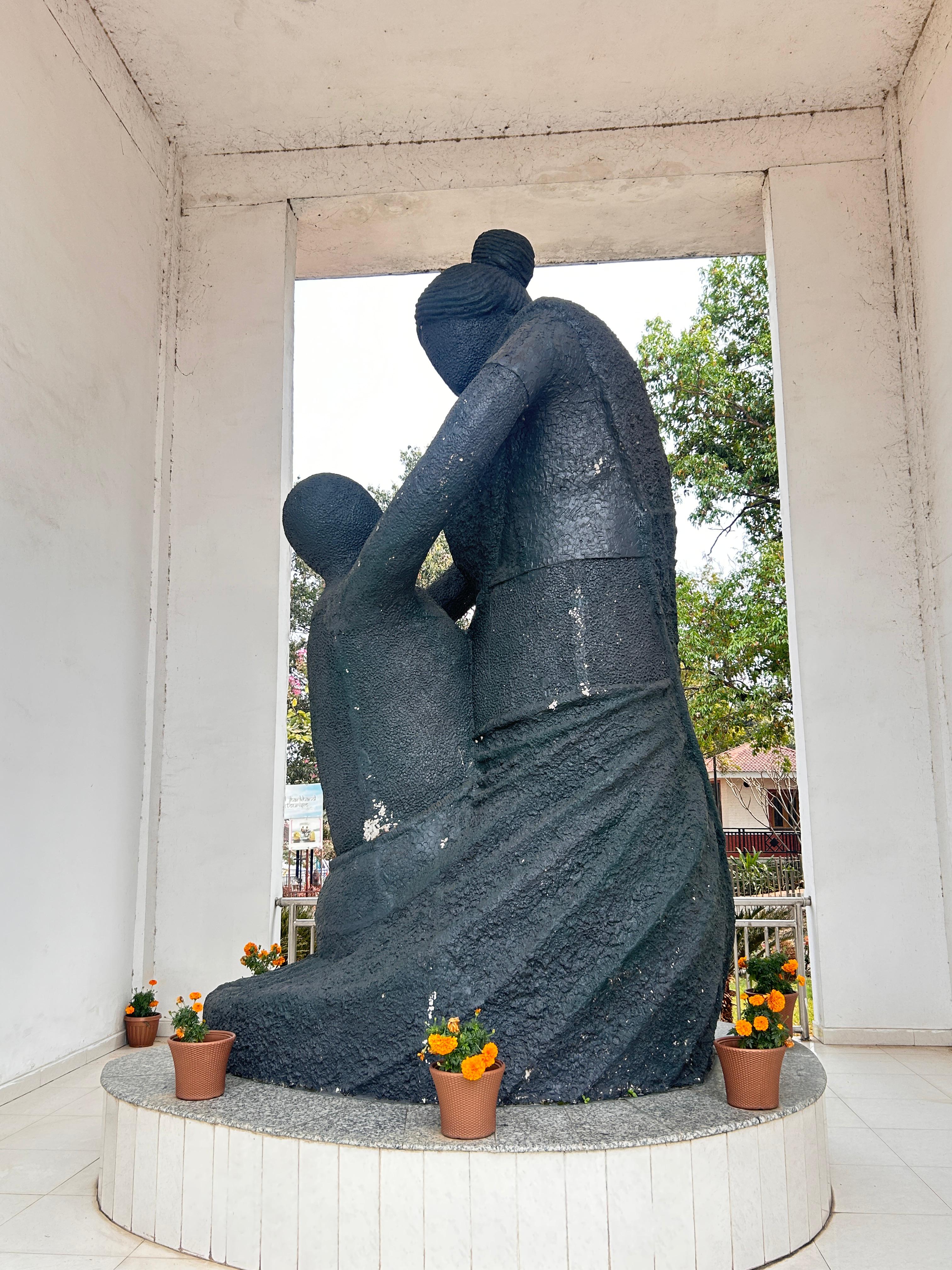


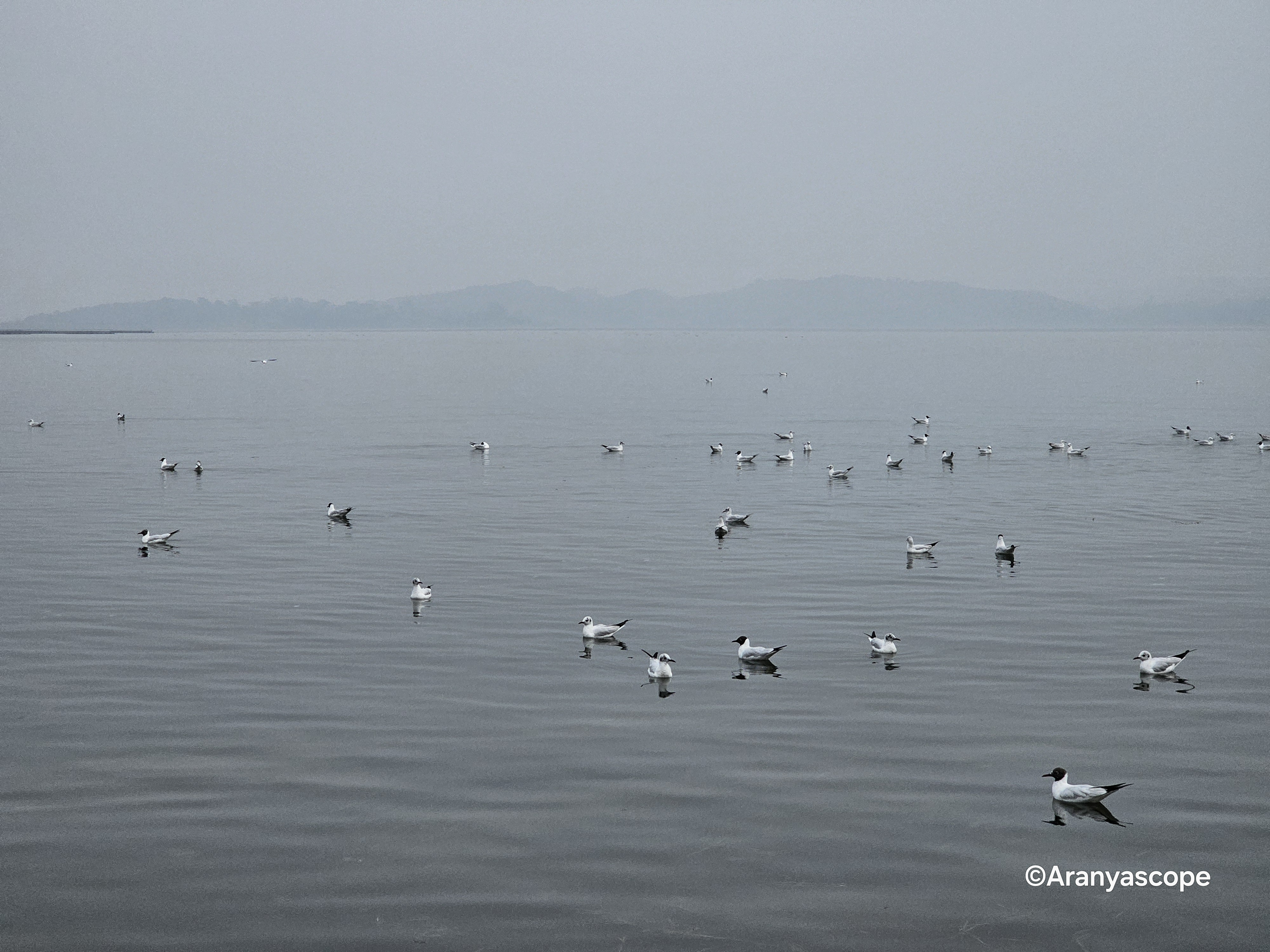
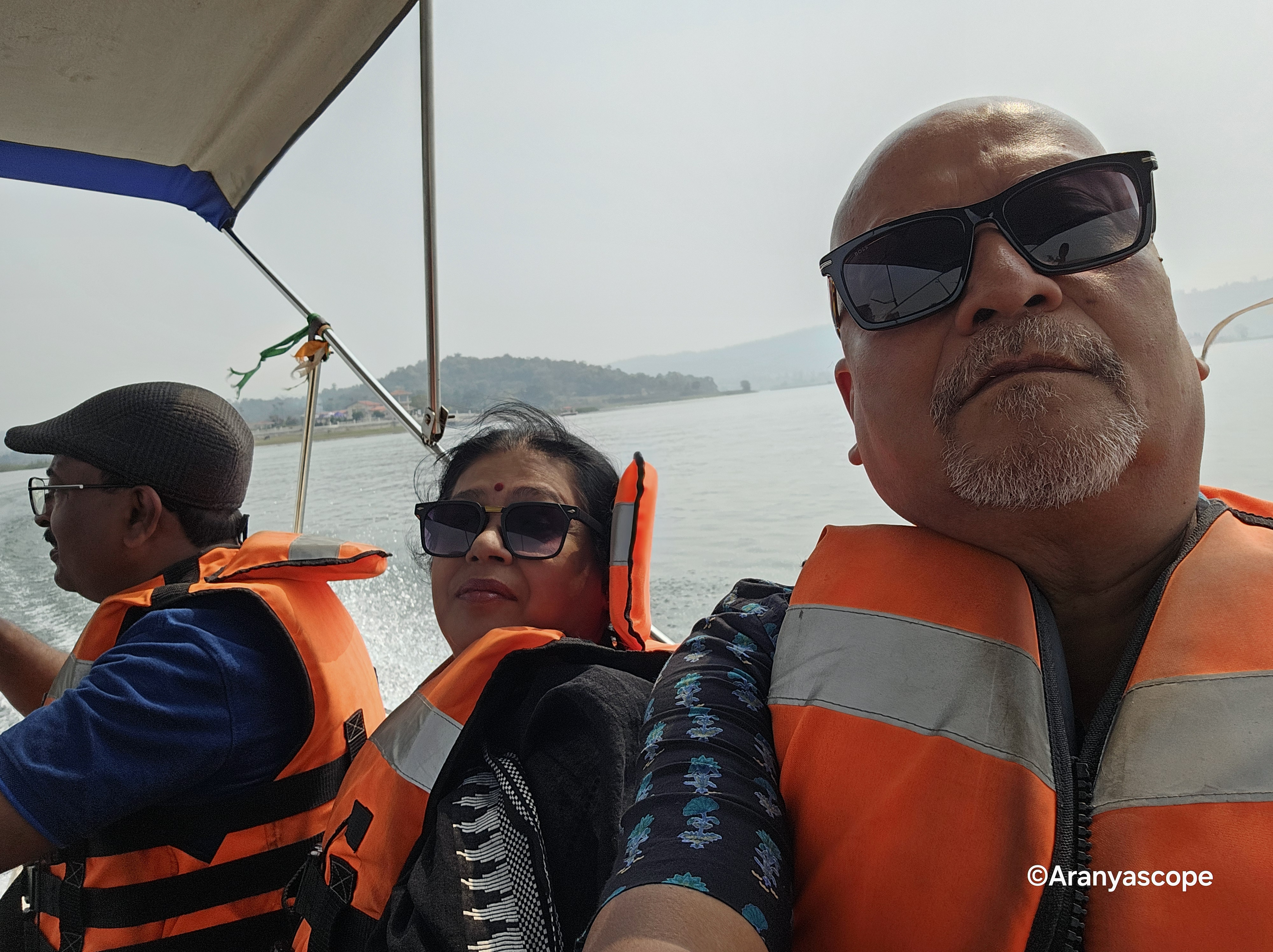


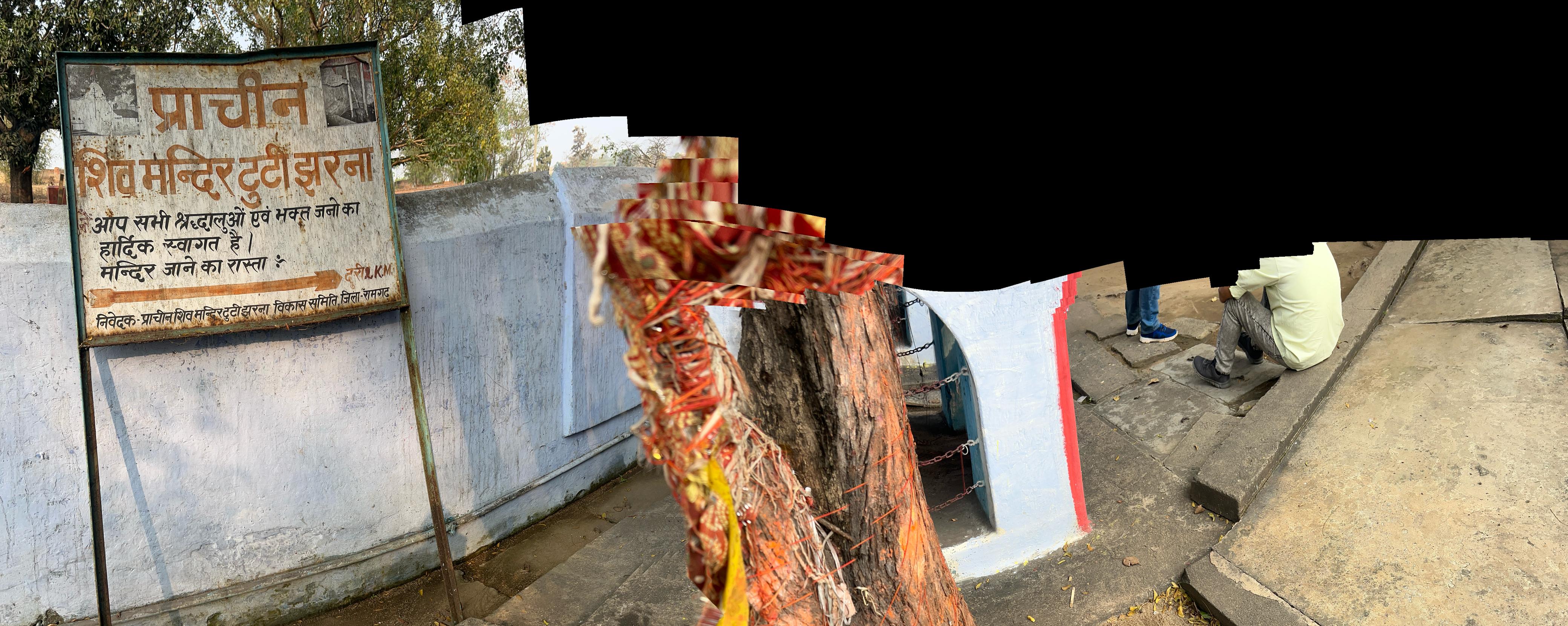


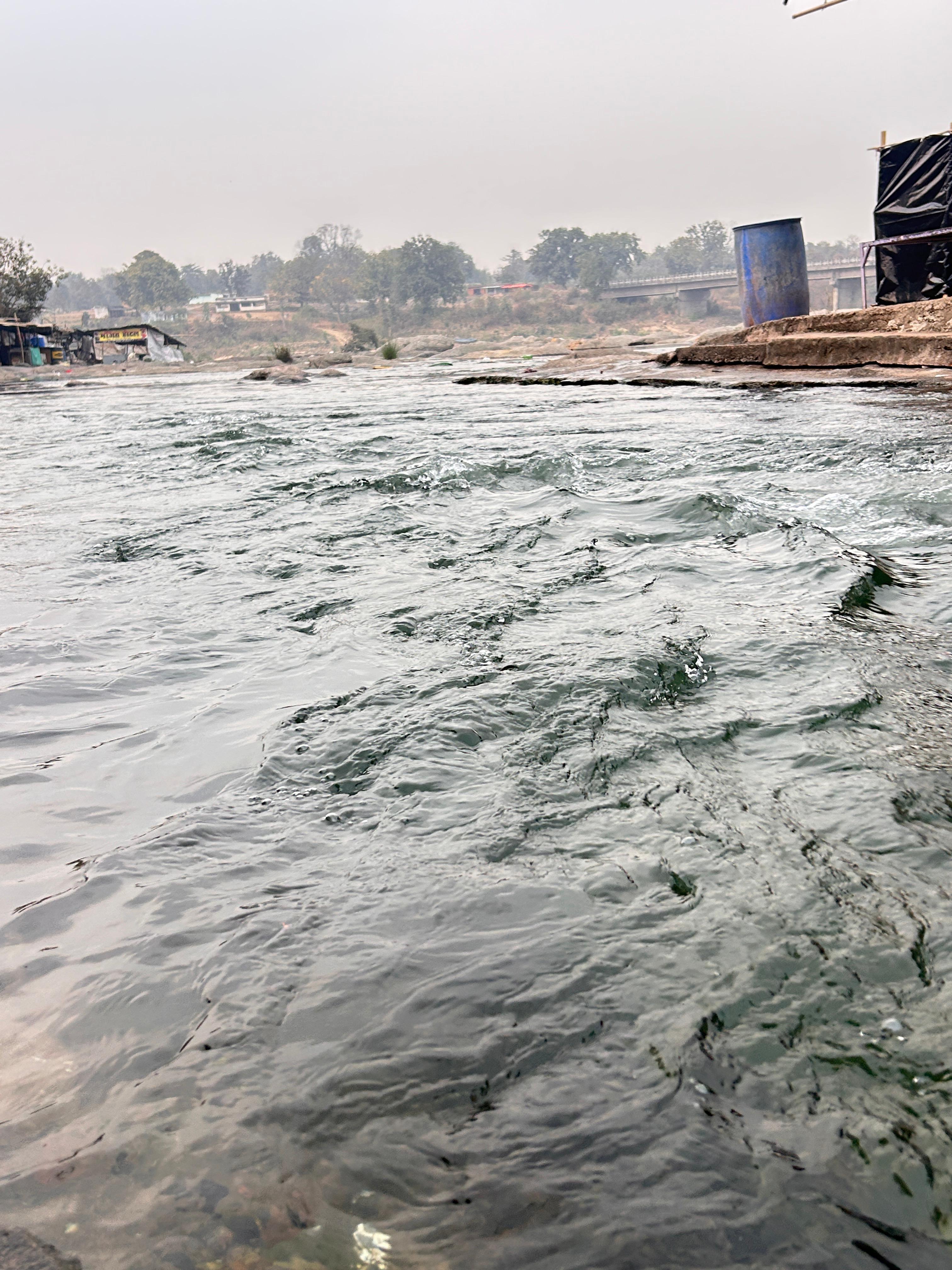


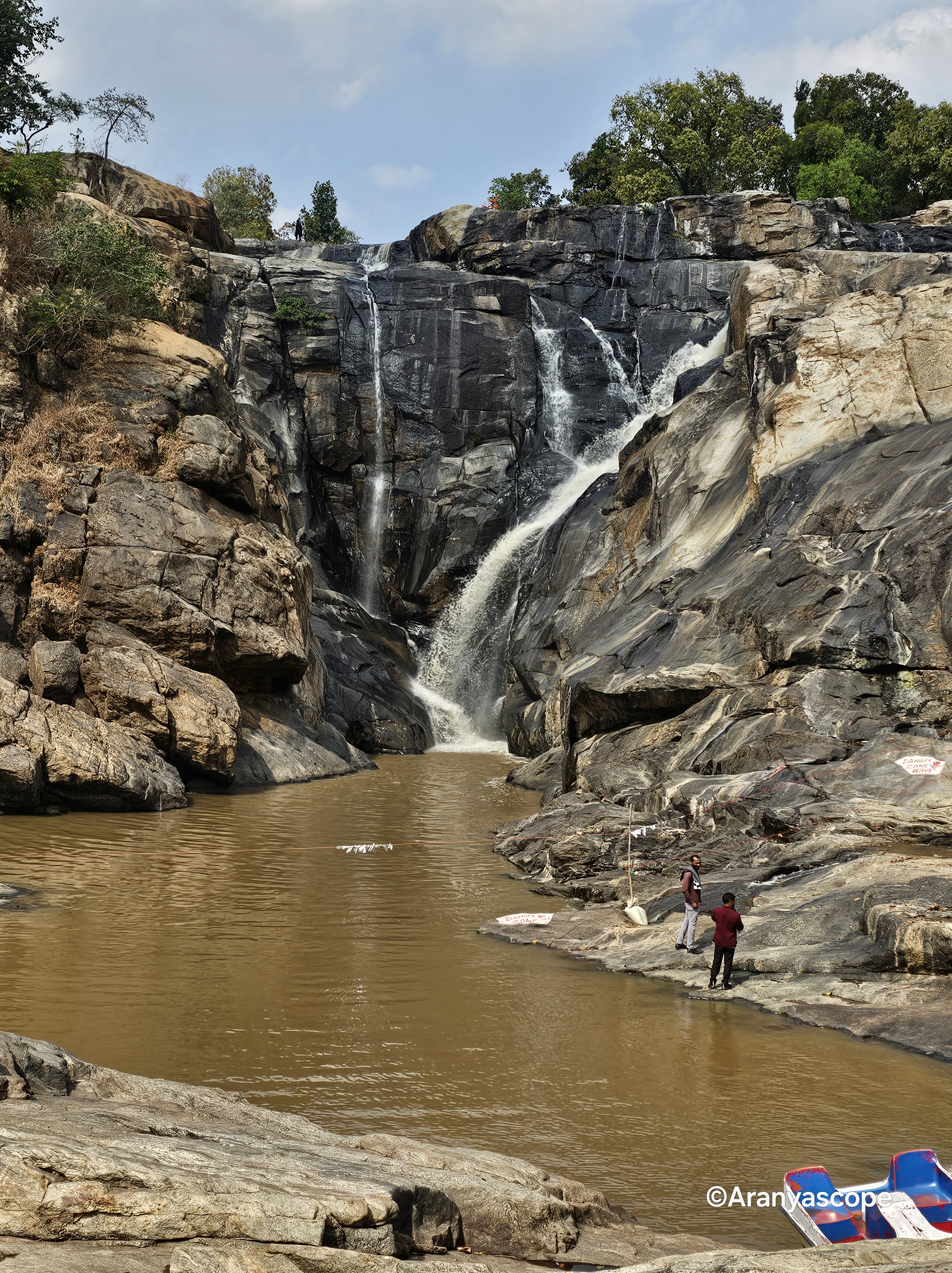



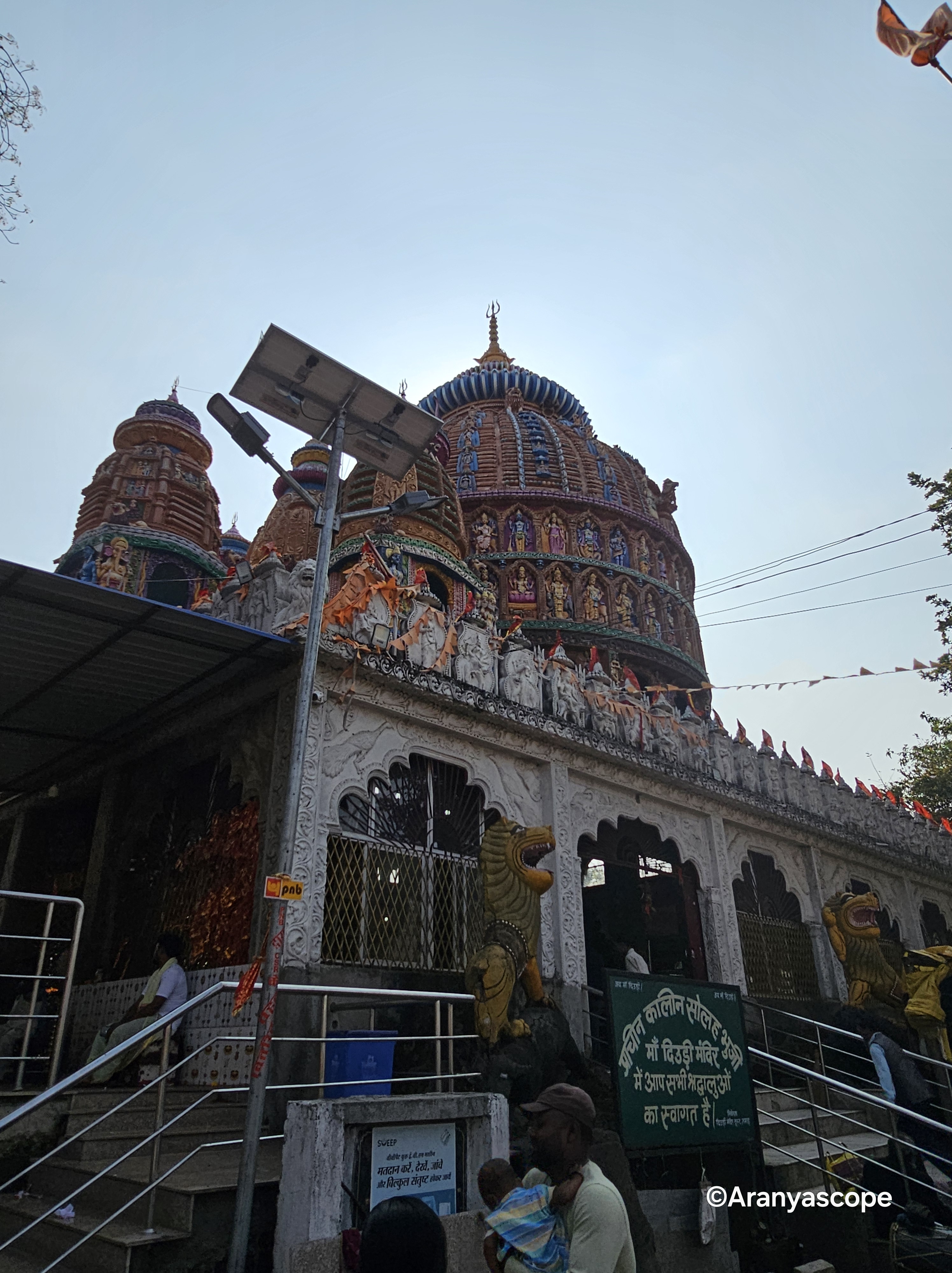


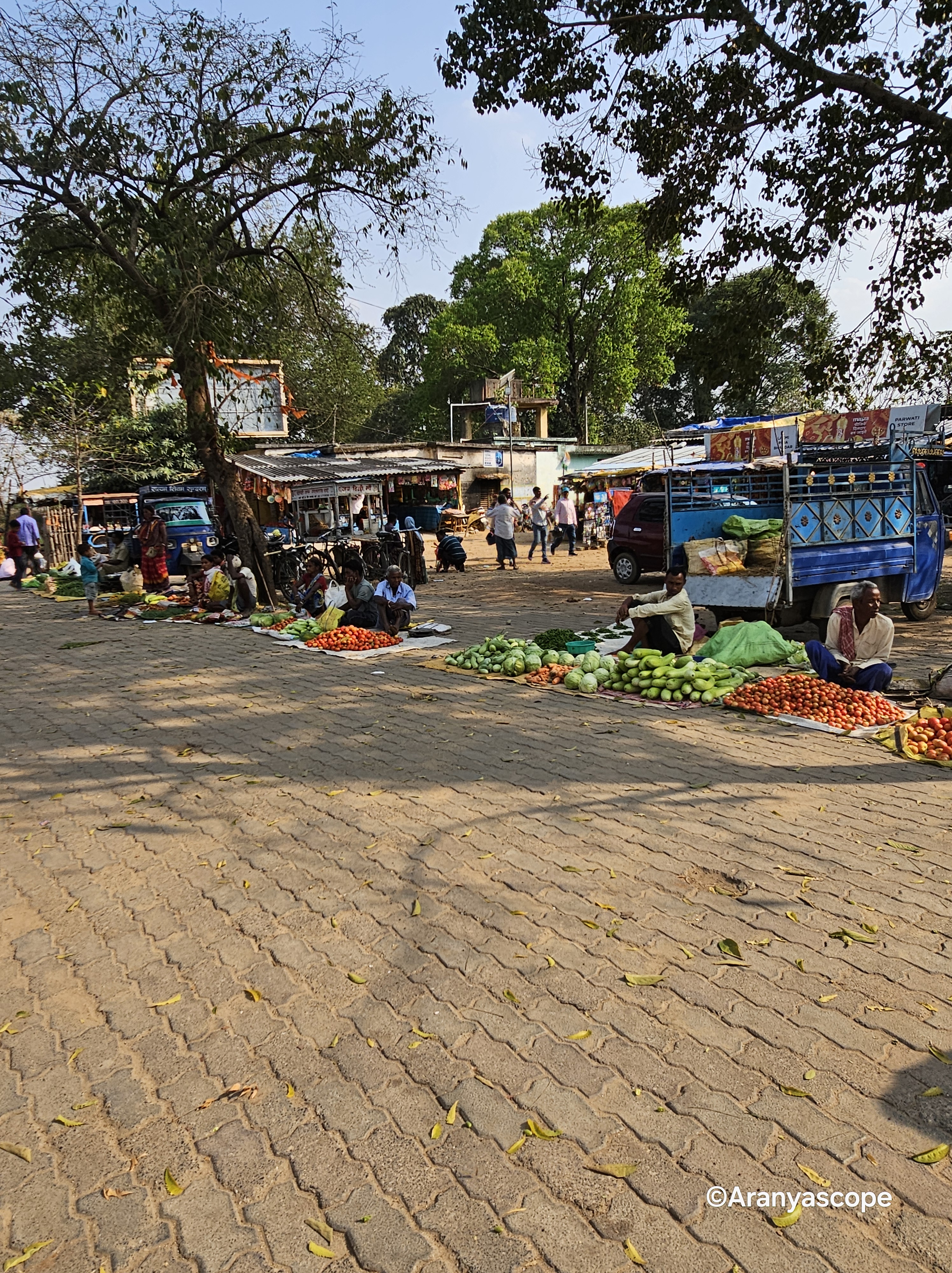



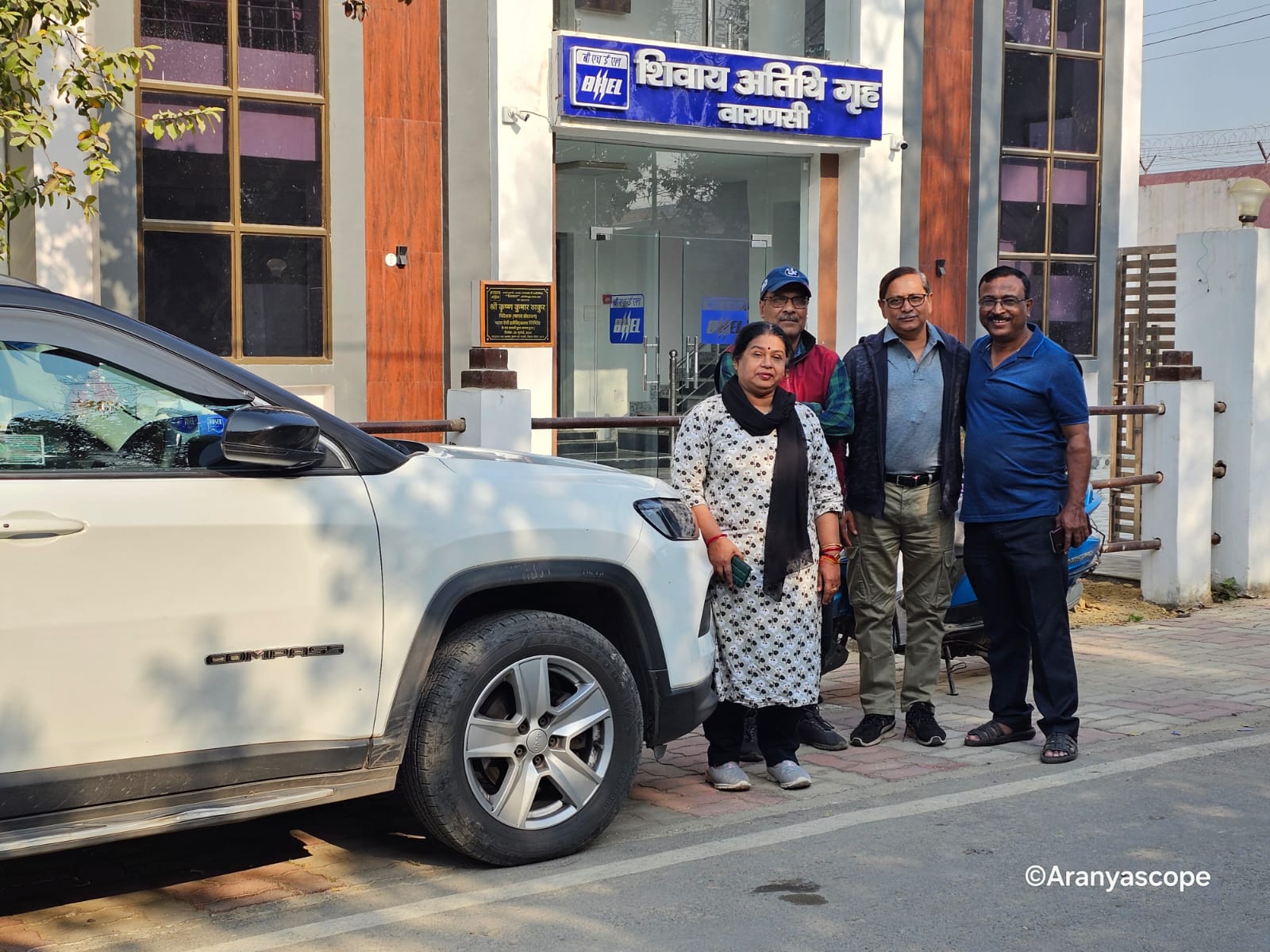
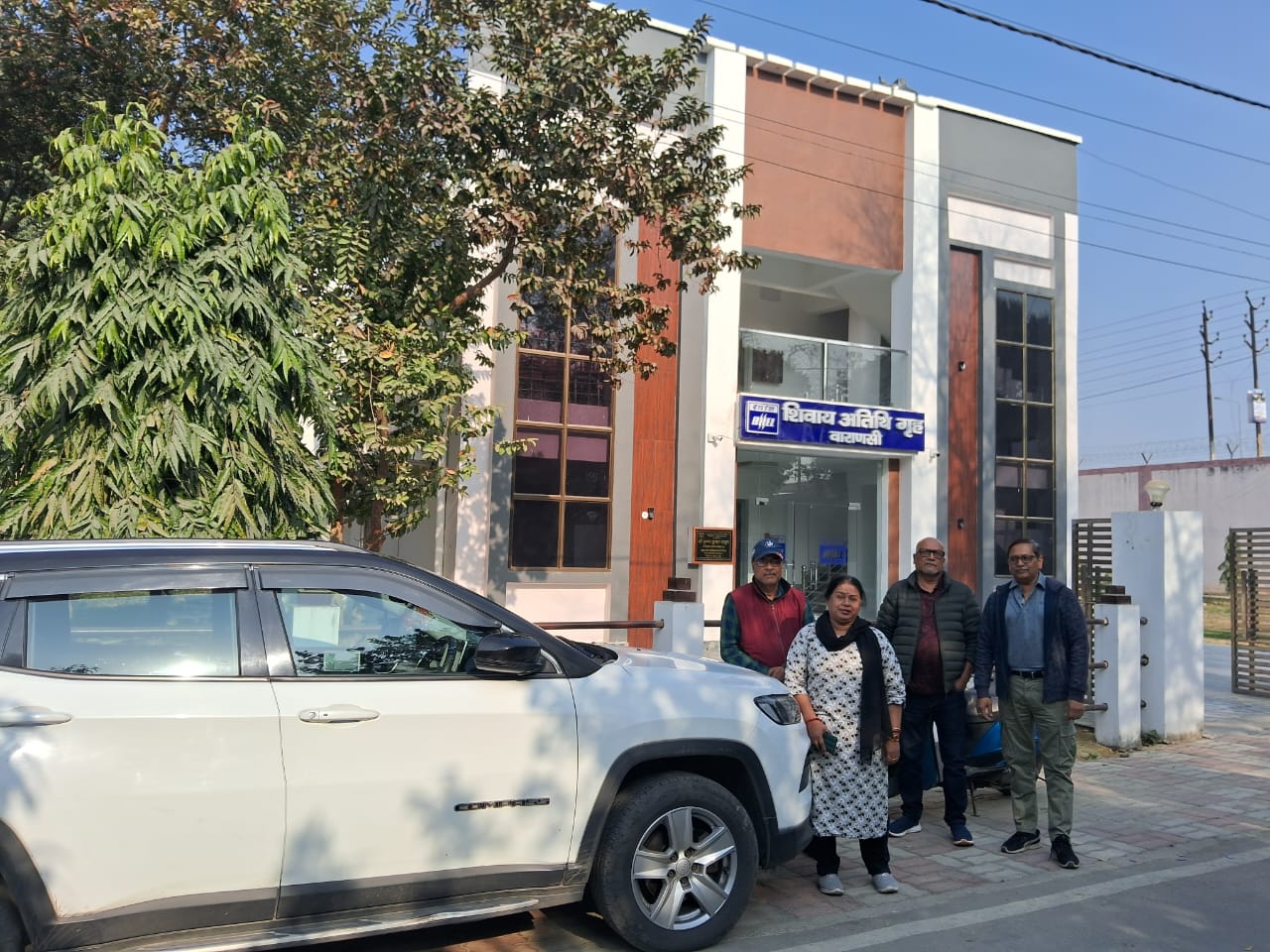


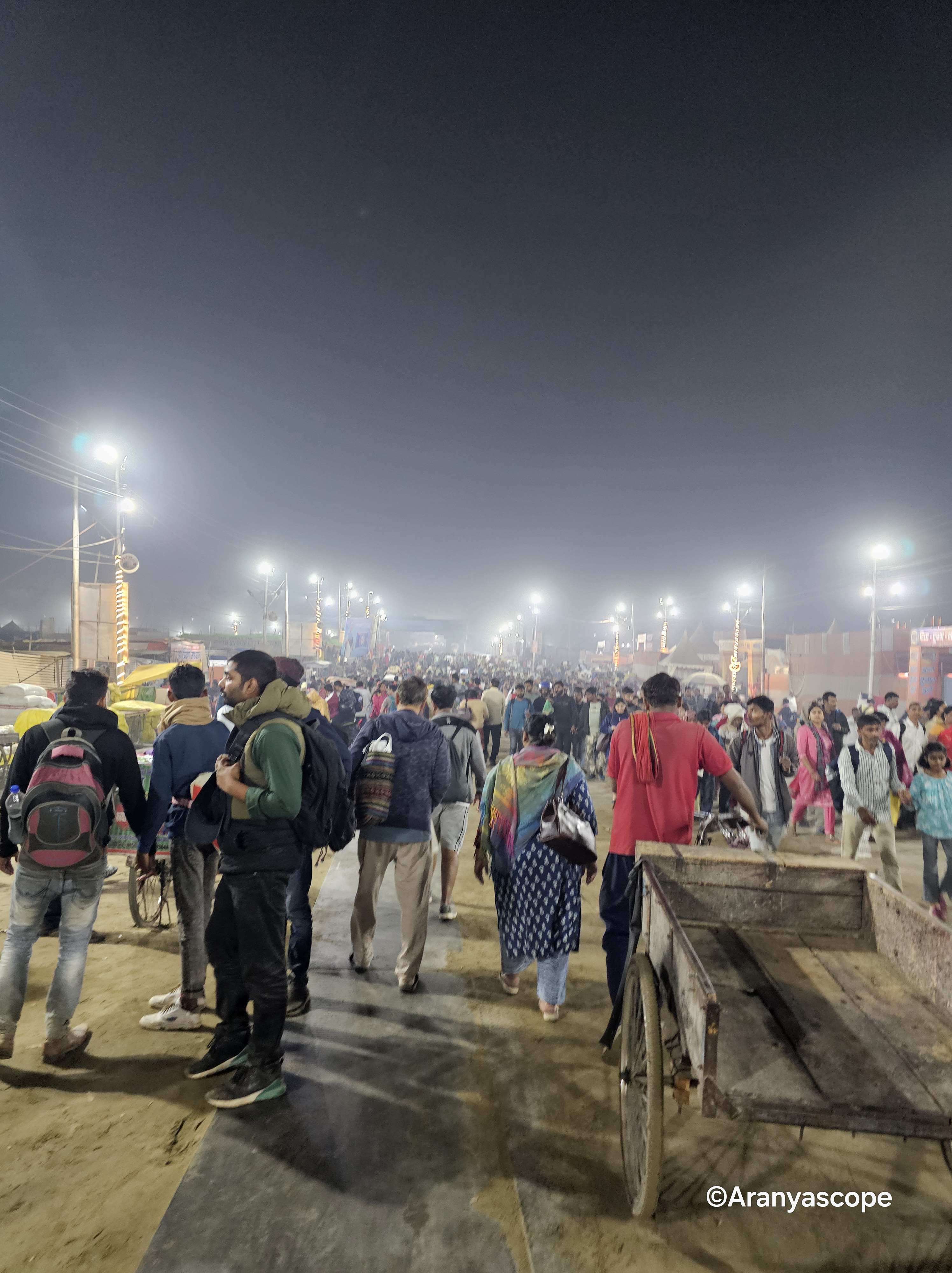

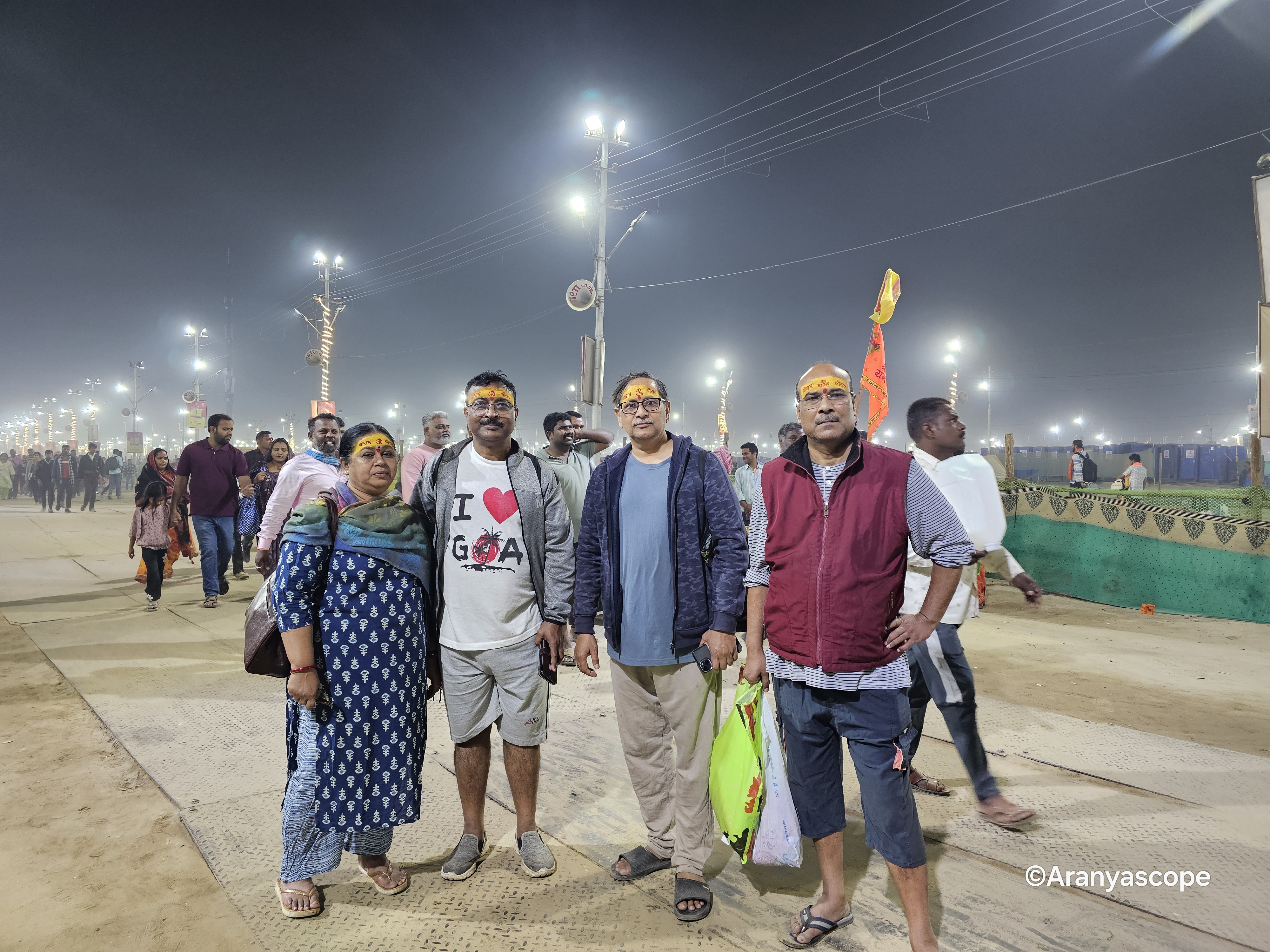

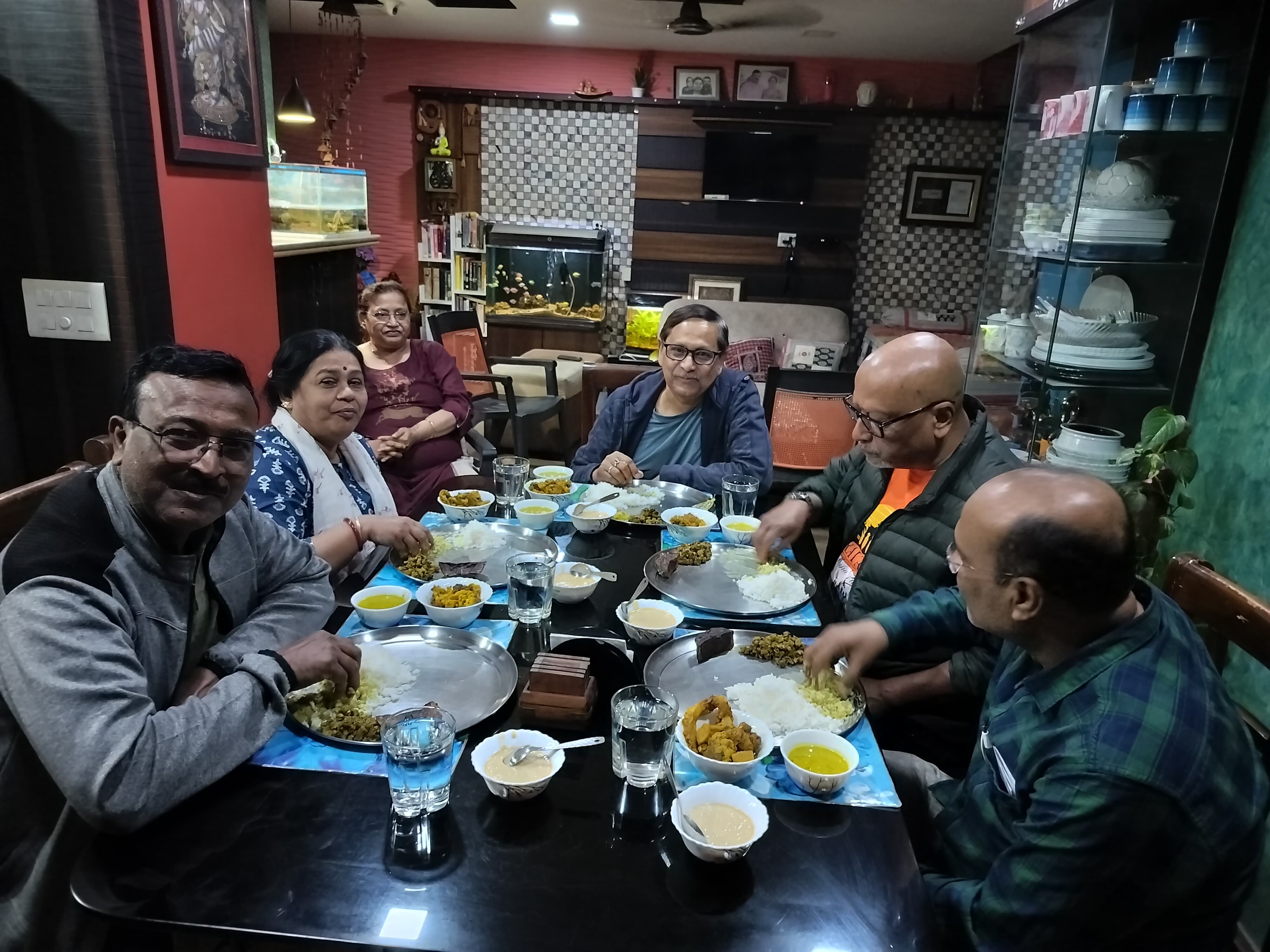
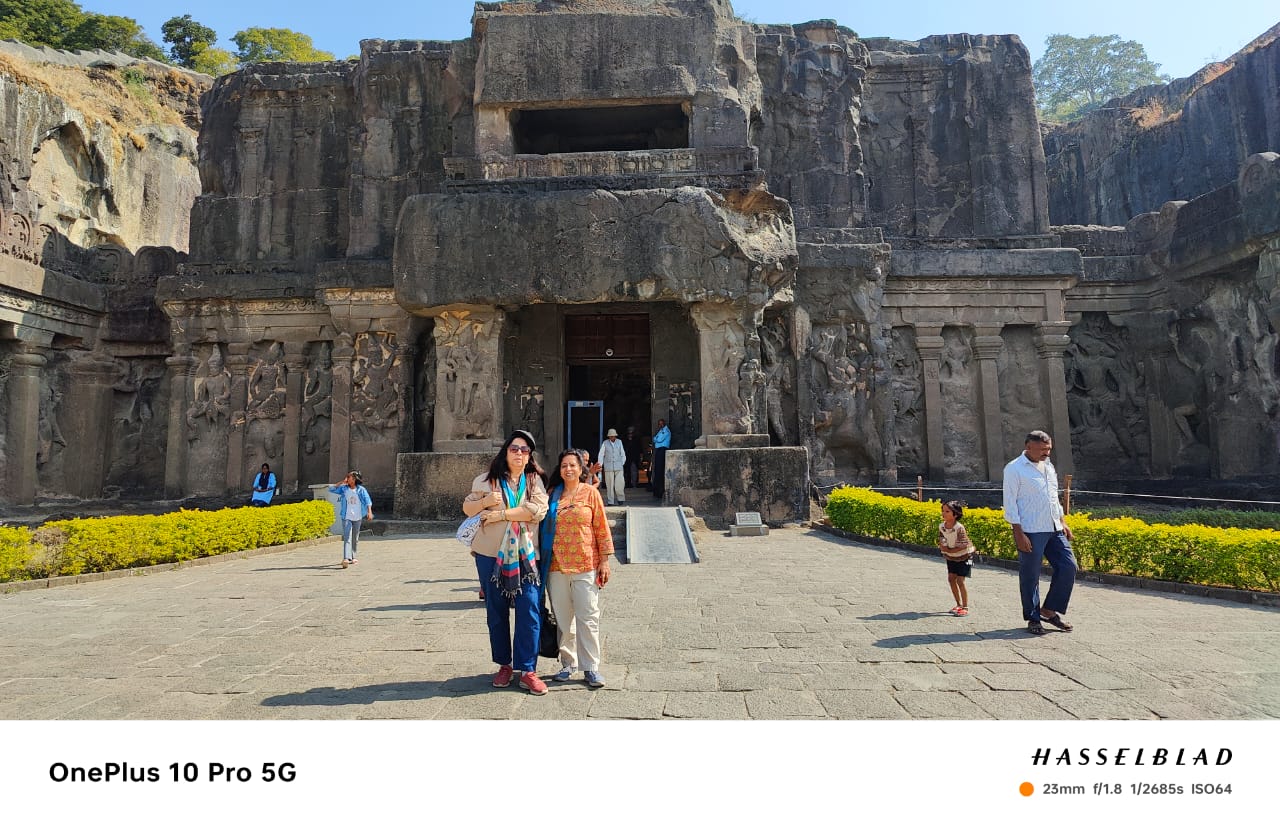

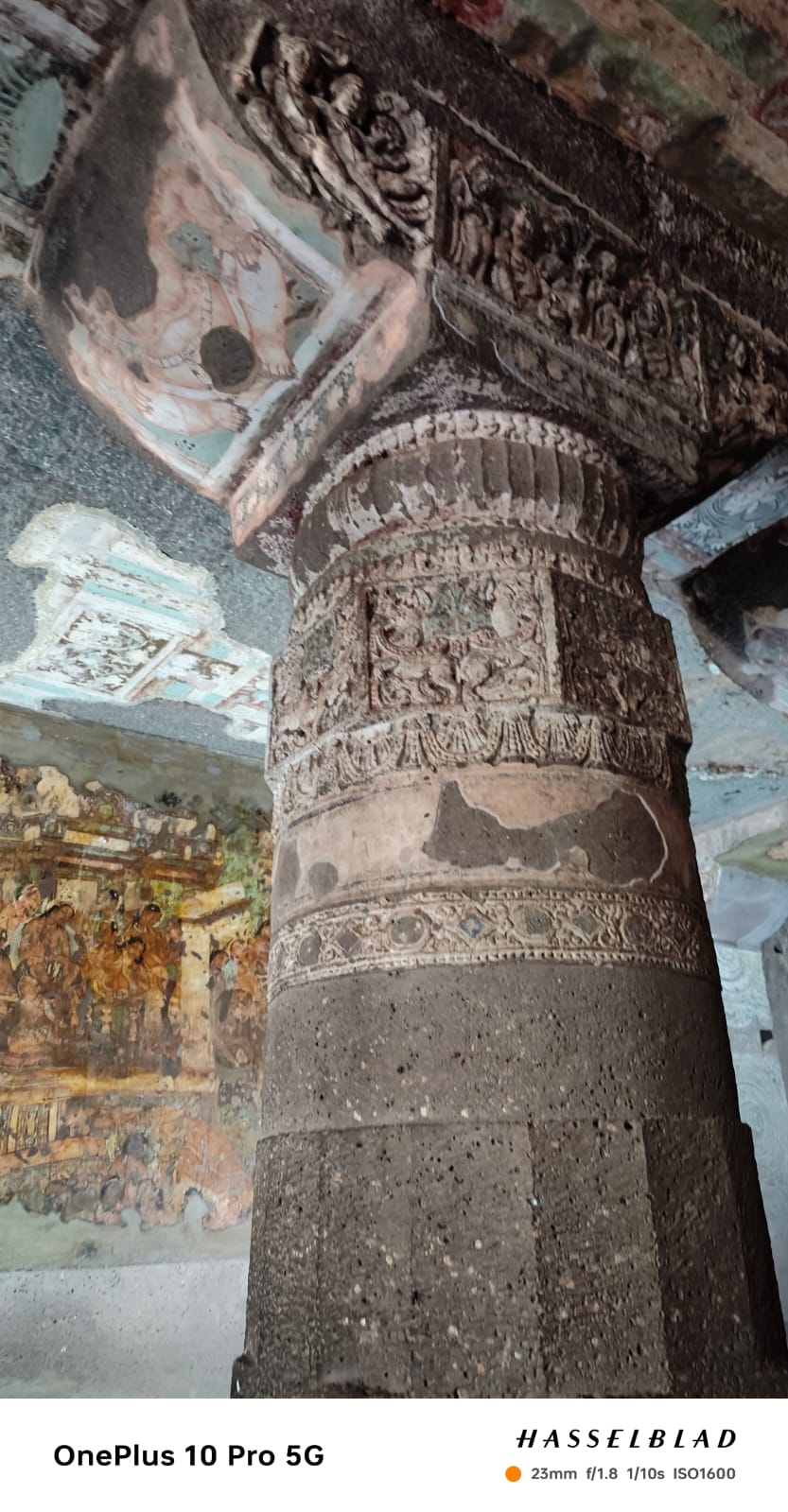


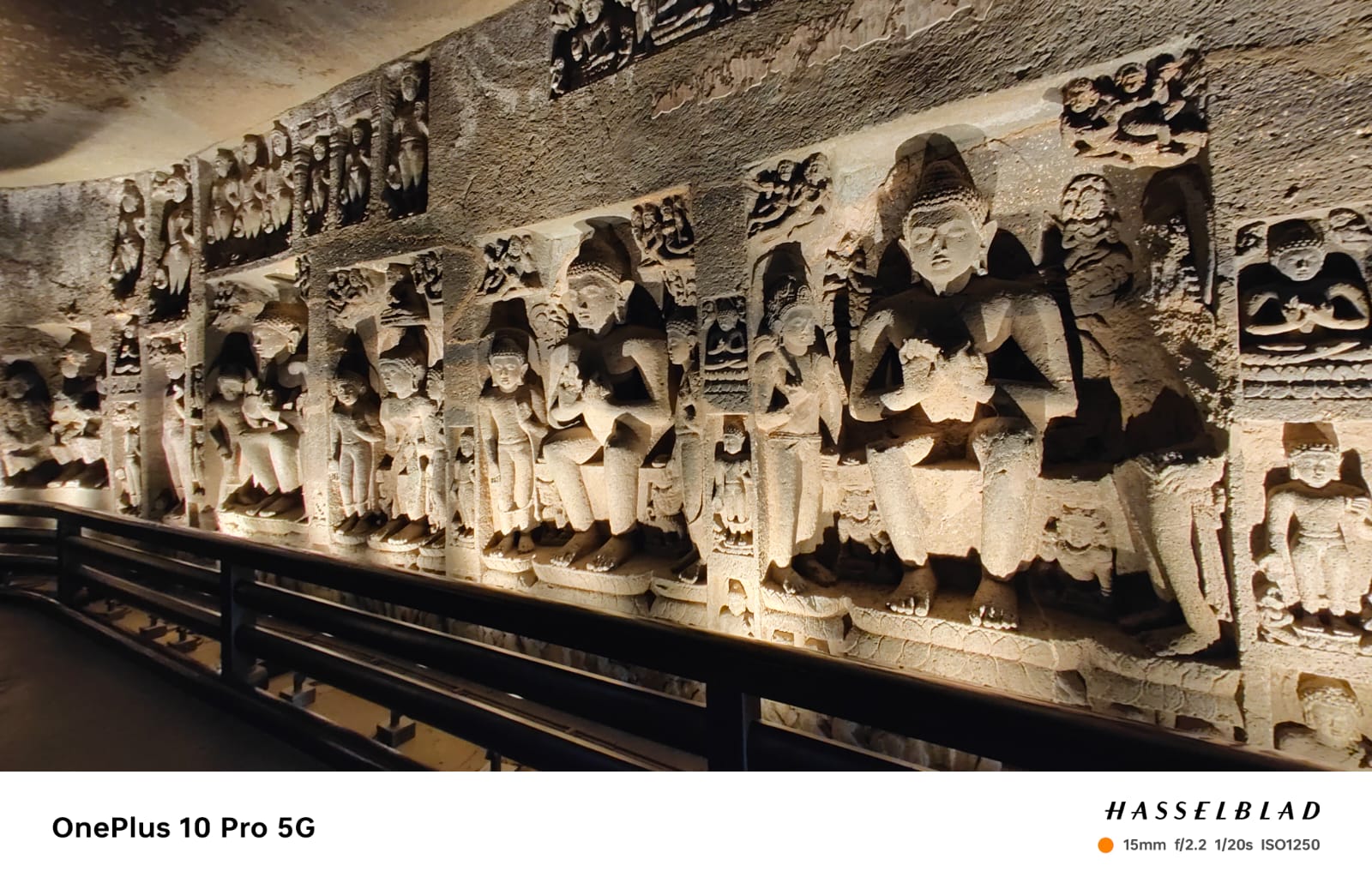
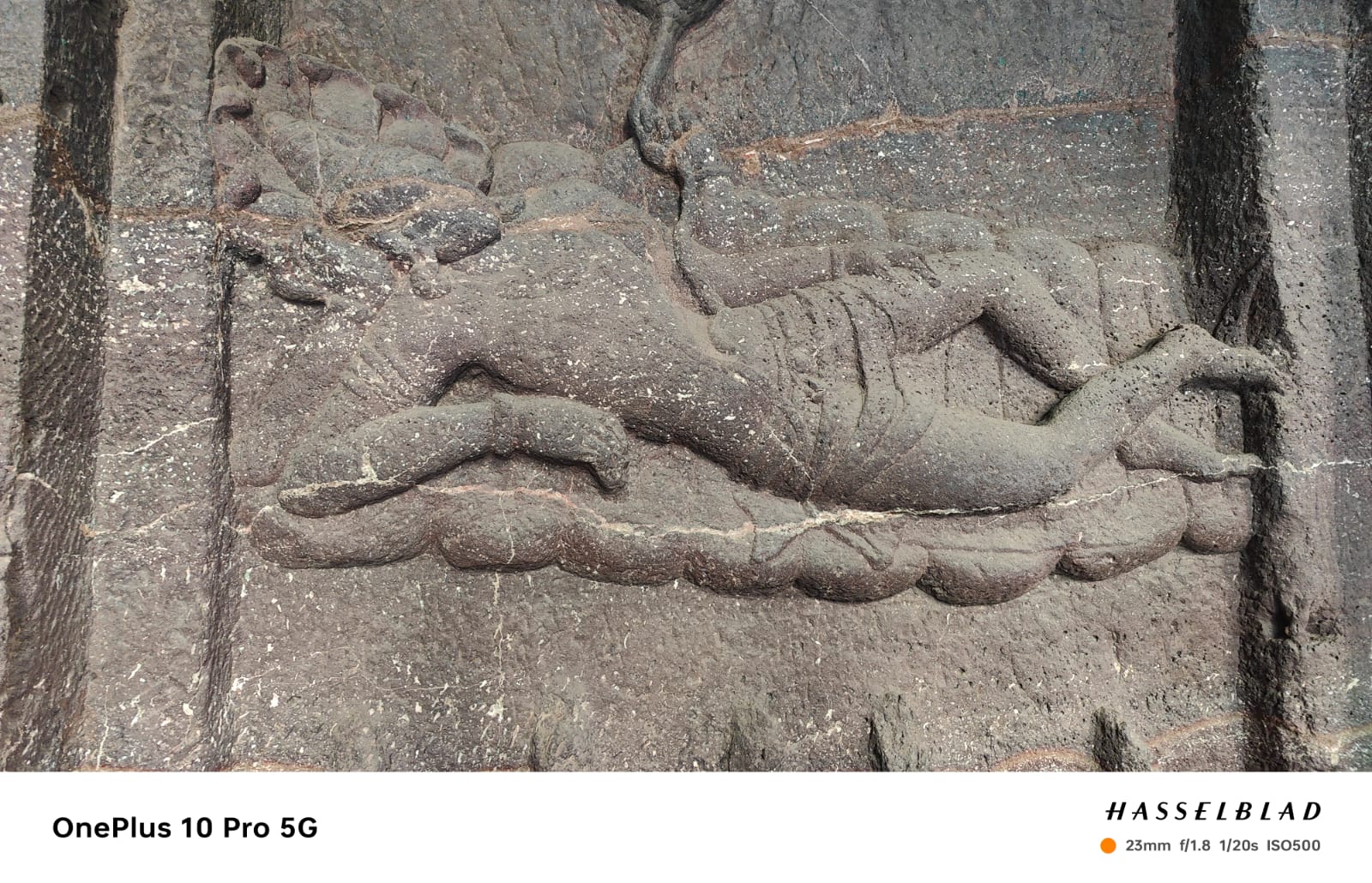

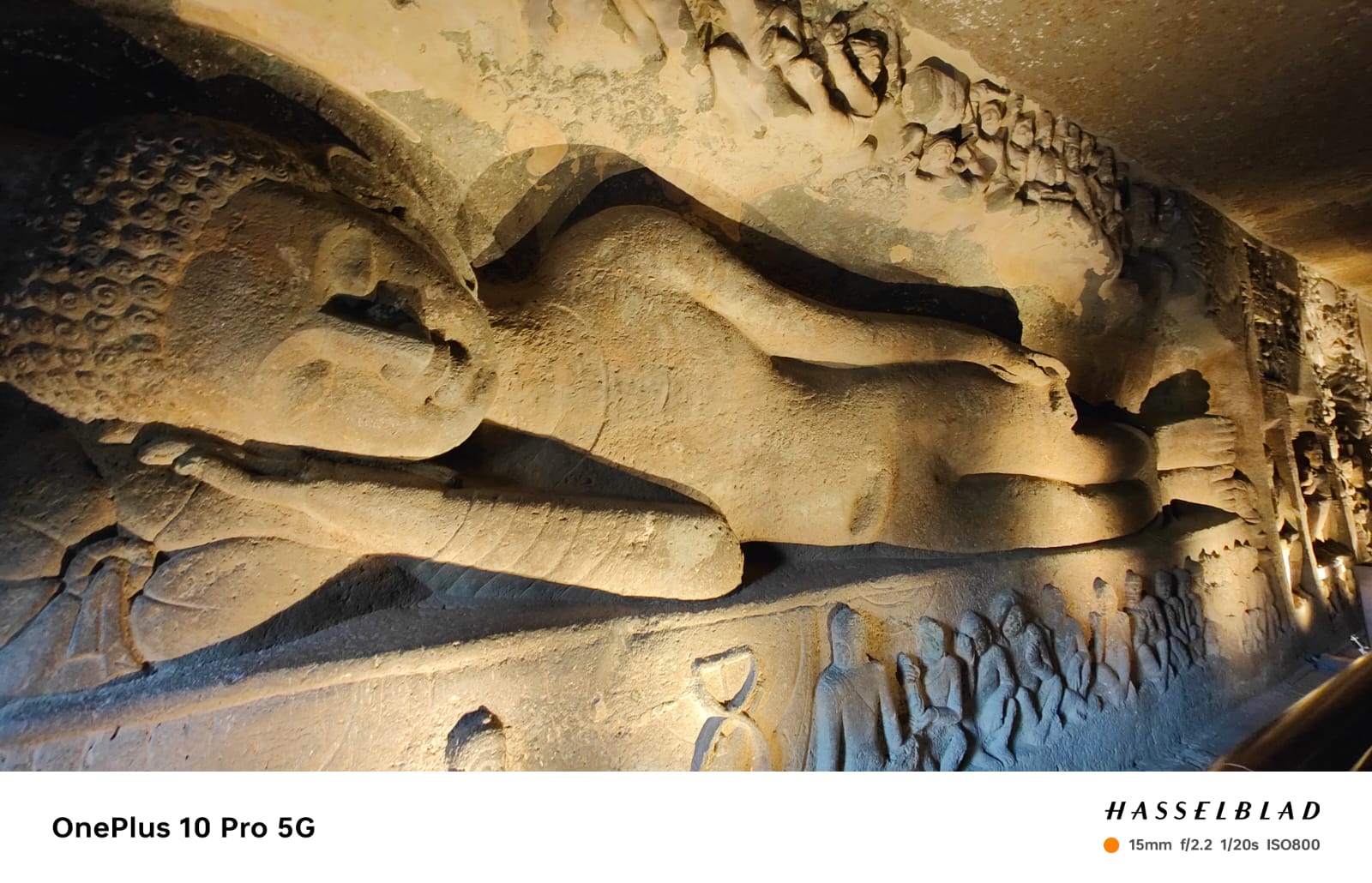


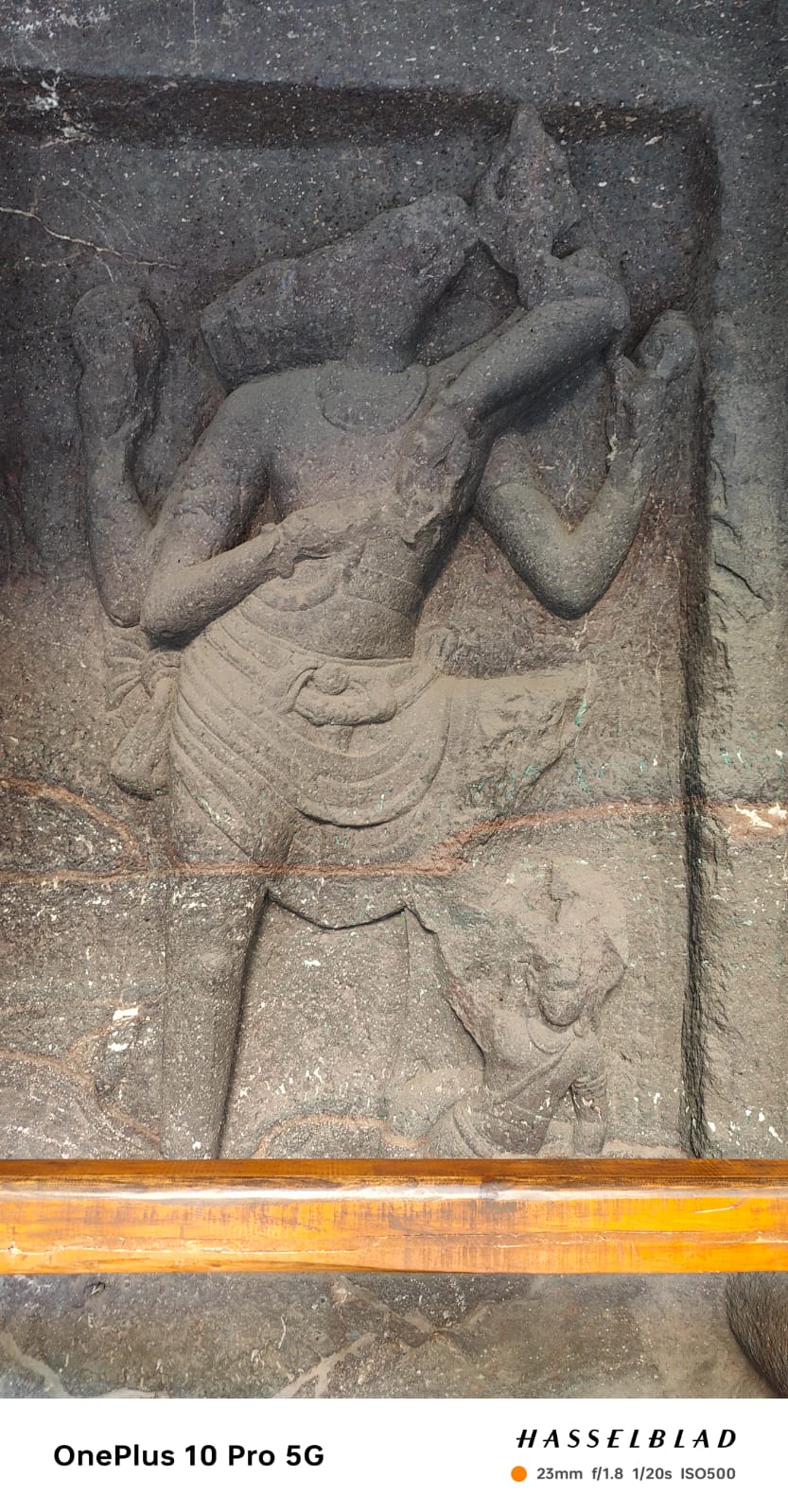

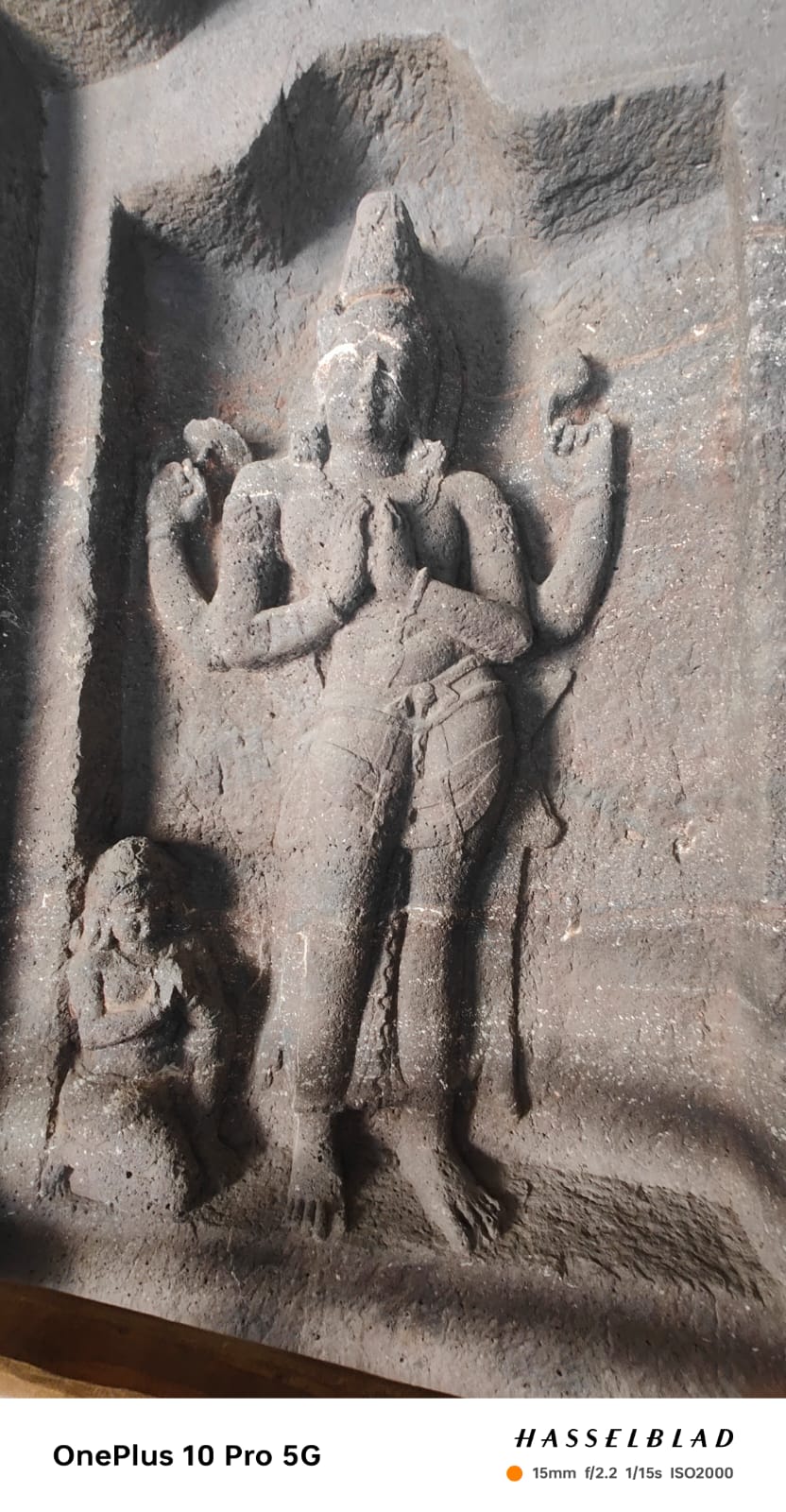


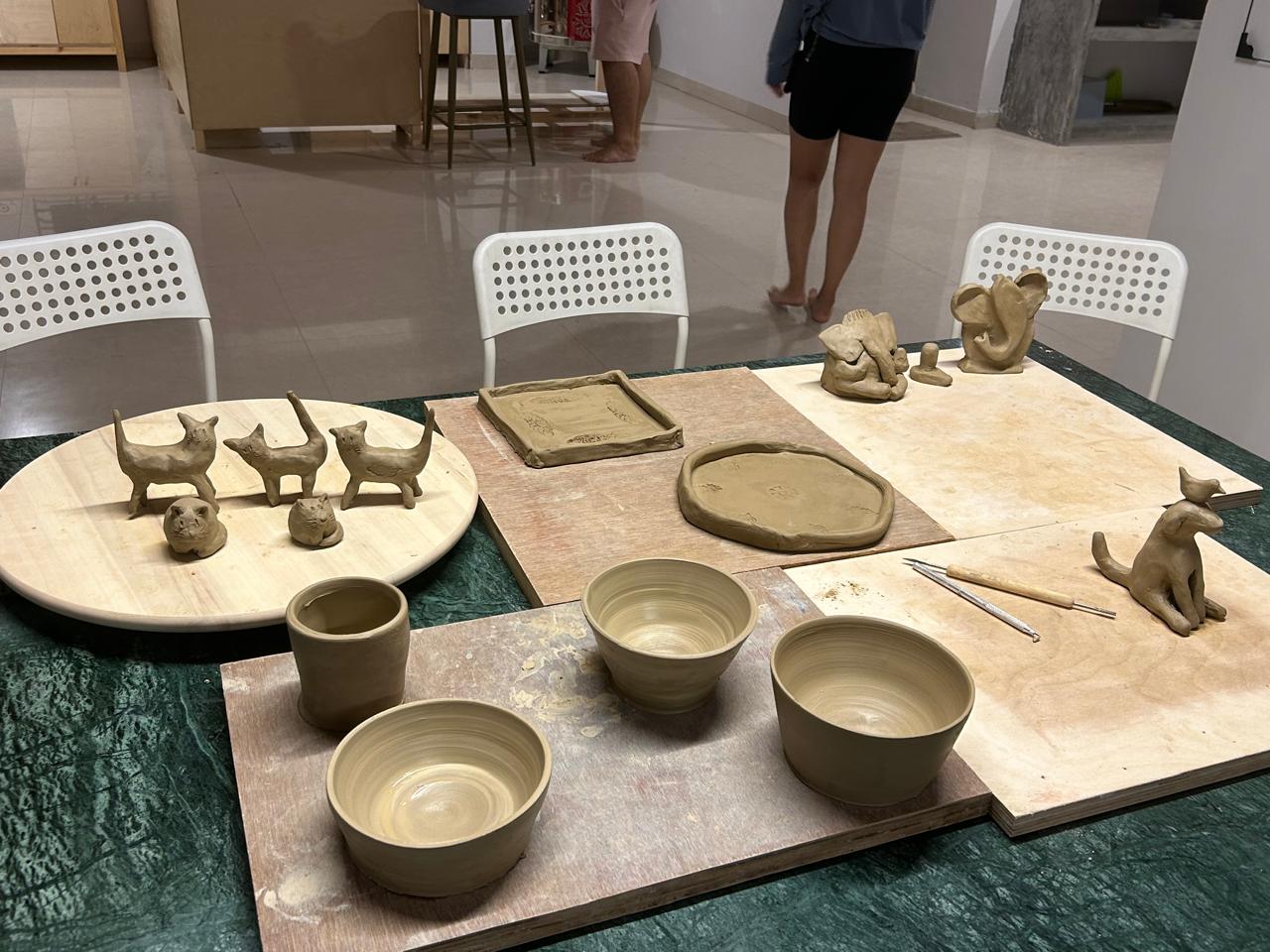













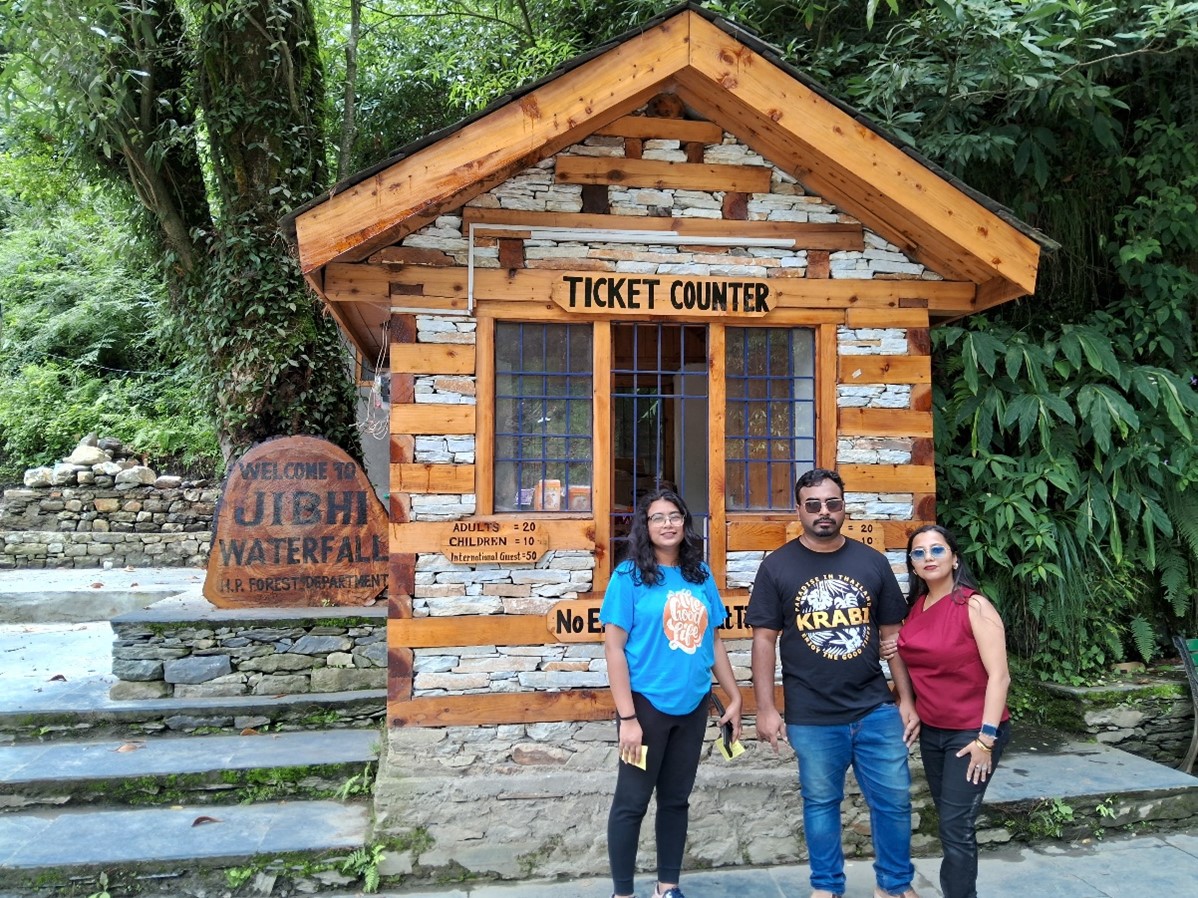


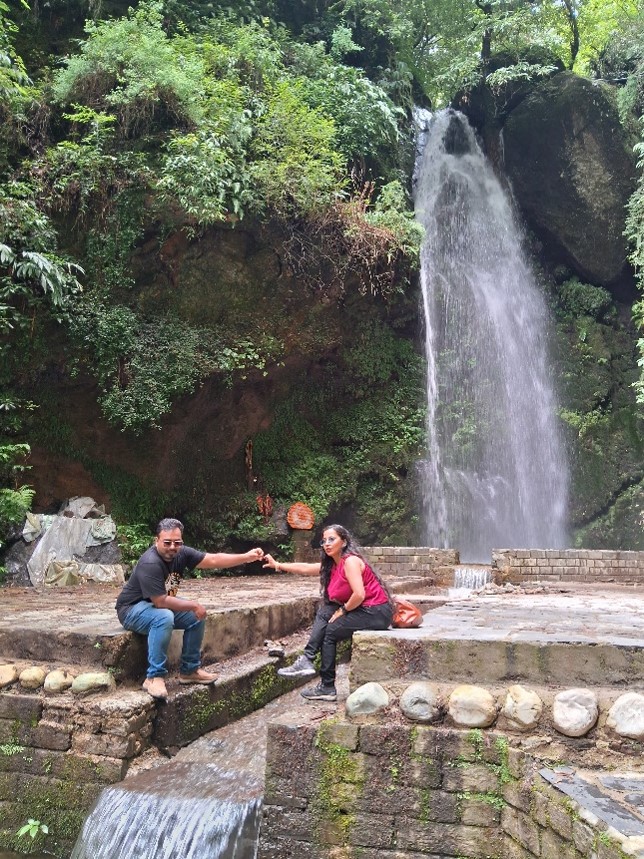


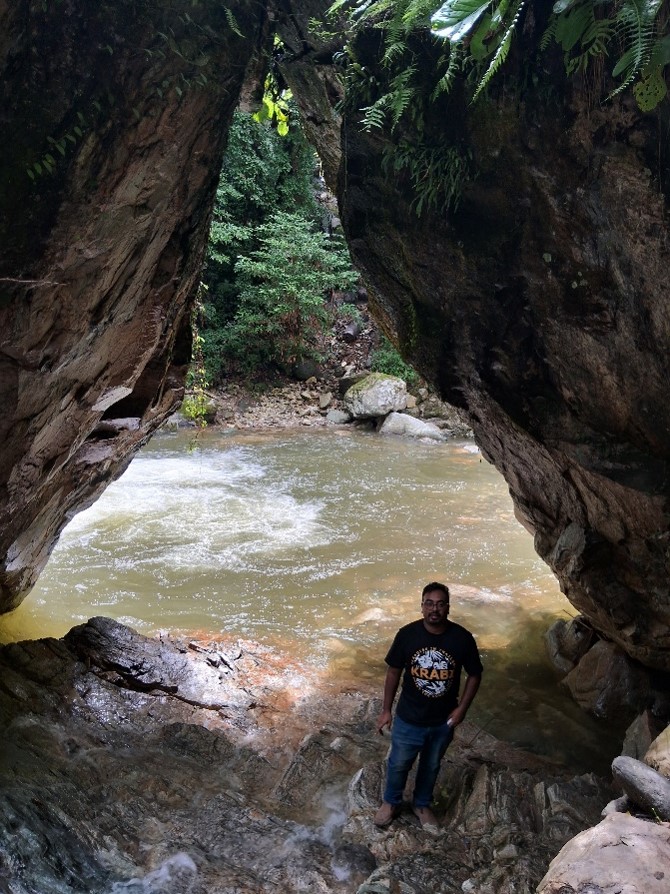


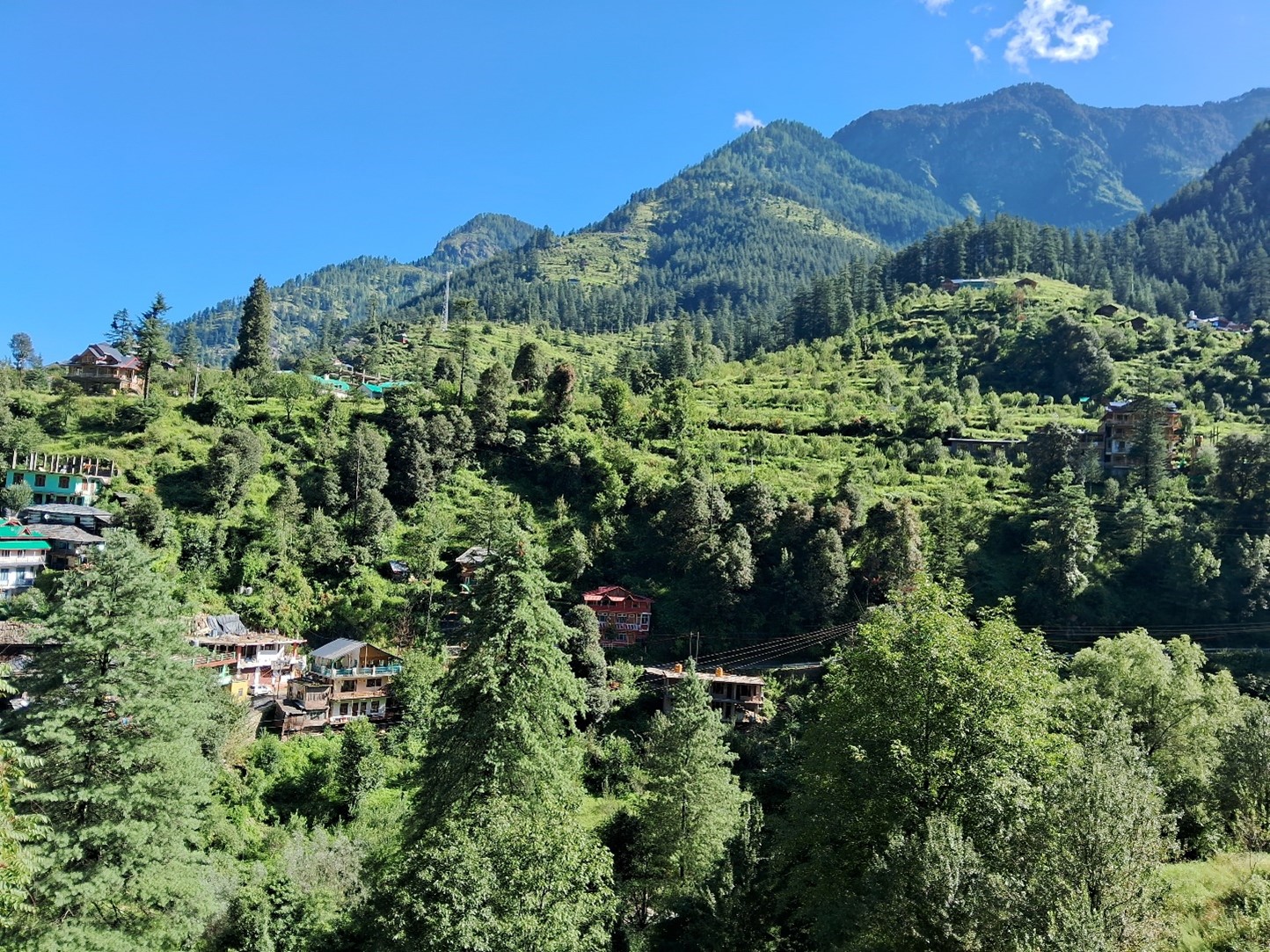
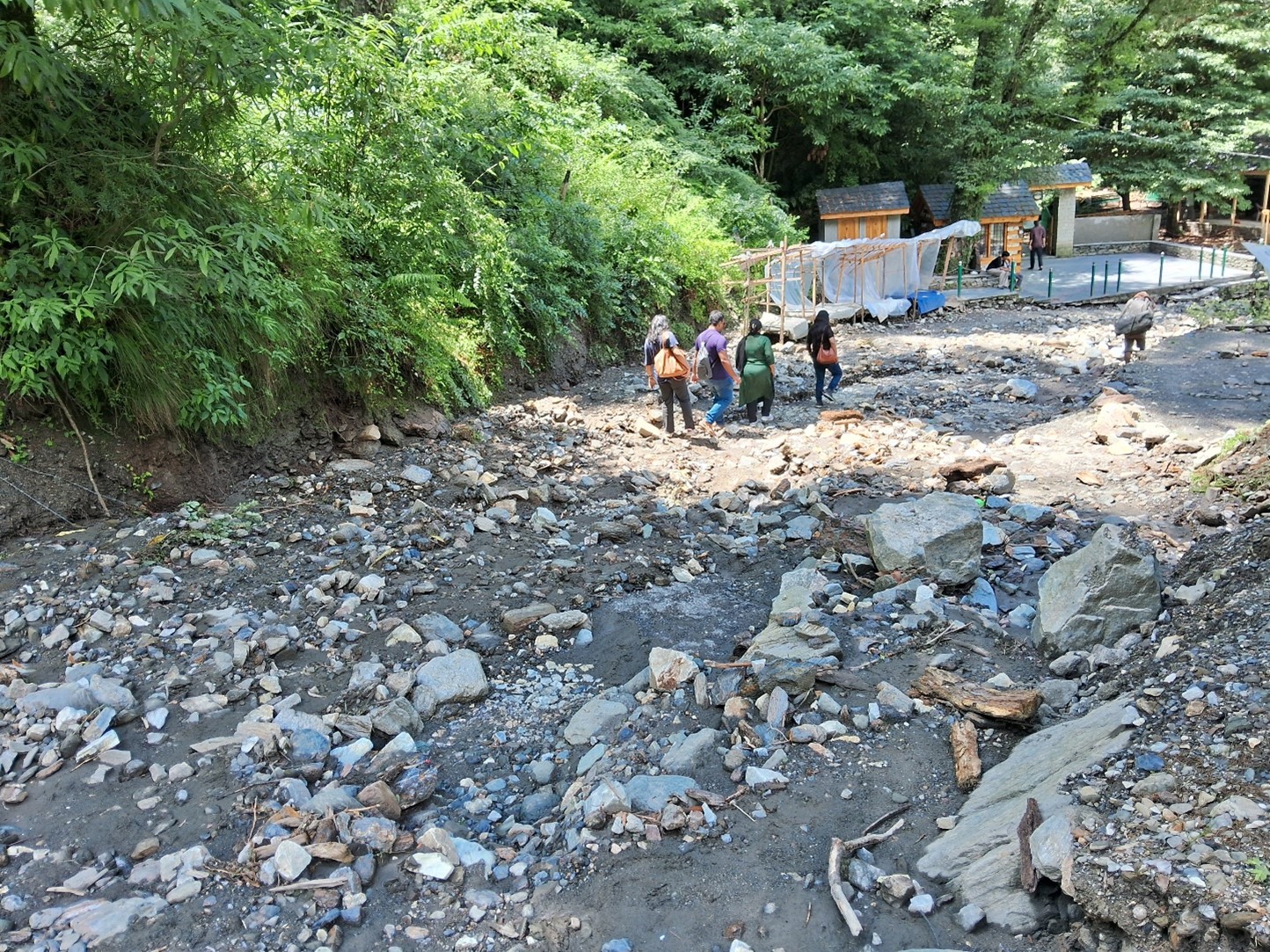
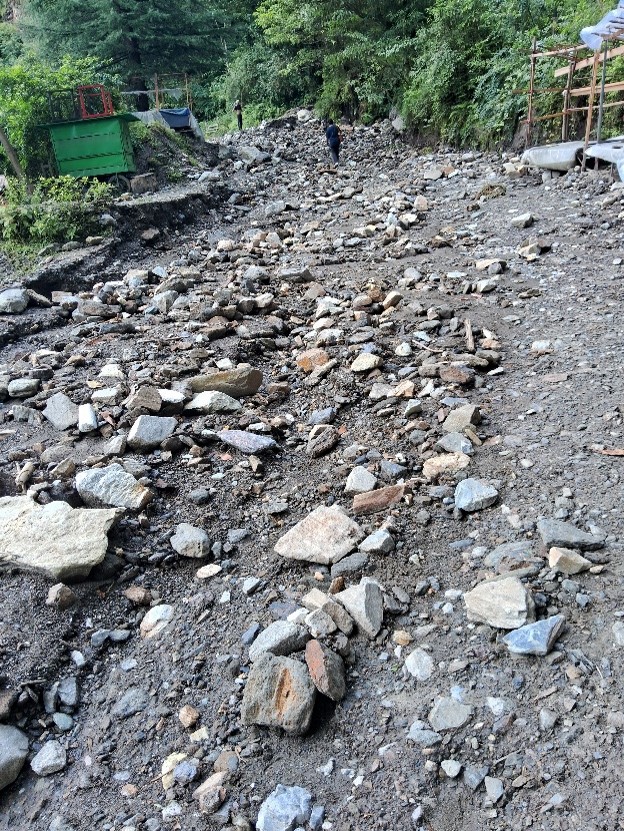
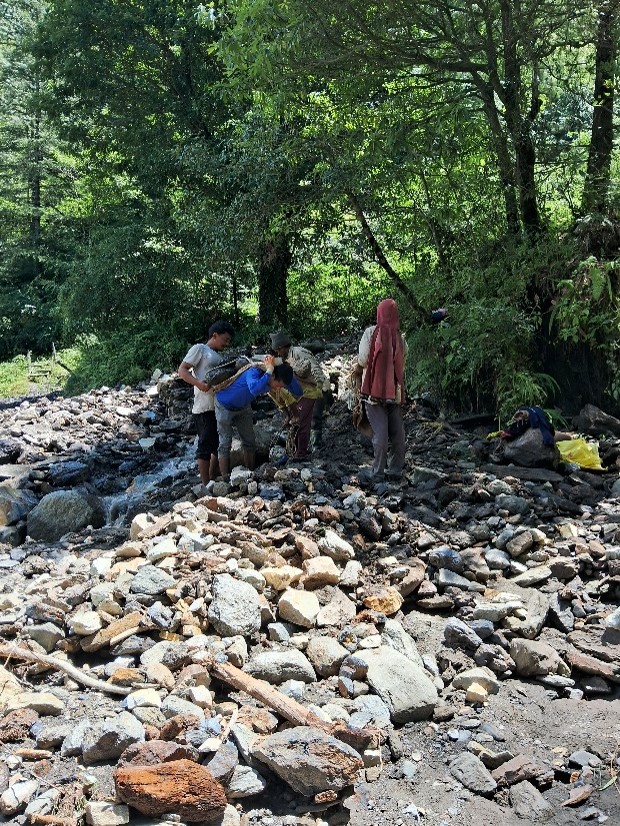

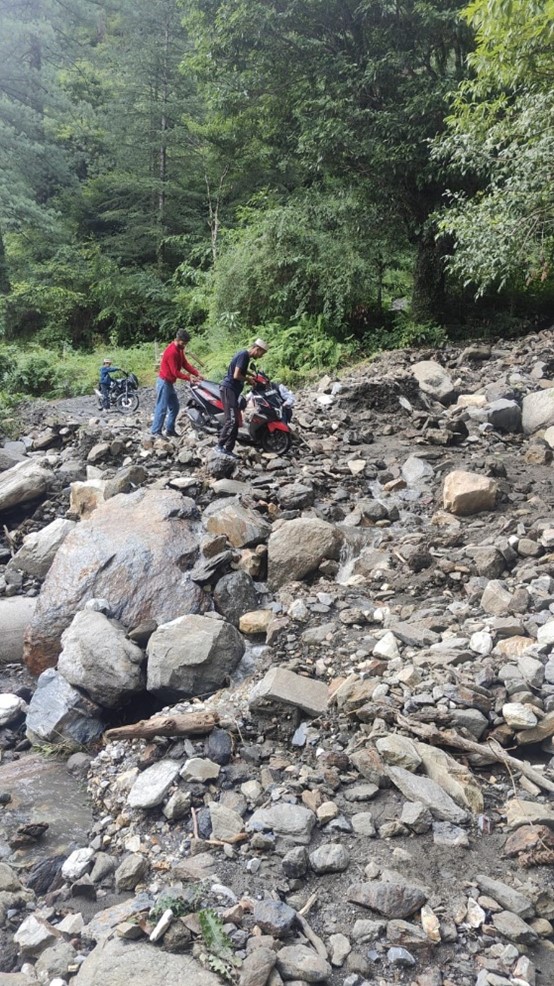
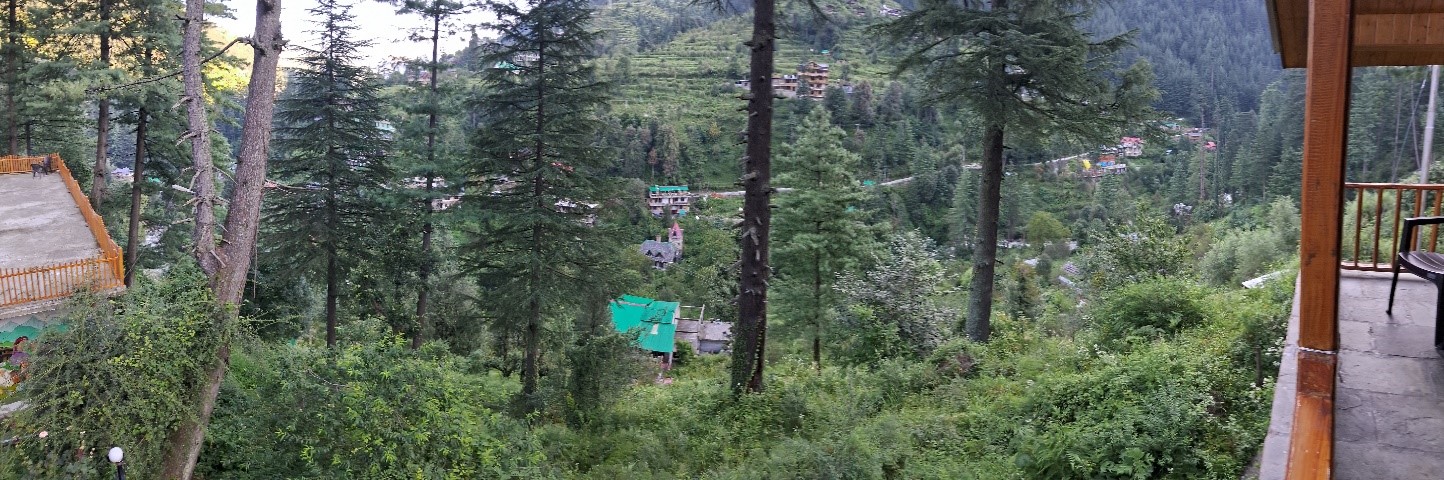


 Aranyascope