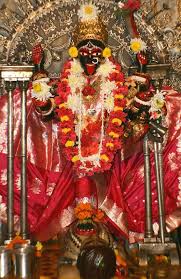
Kali

To begin with, I am neither religious nor ritualistic. I consider religion to be a matter of personal choice and should be practiced in the privacy of one’s own home. As a tourist, I have visited temples, stupas, churches, mosques and gurudwara to appreciate the architecture and wonder at the throng of people who seems to be intoxicated in their chosen faith.

However, being born a Hindu, the greatest philosophy that the world has seen, I do feel insulted and outraged if someone talks or shows filthy about the any of the manifestations of the Supreme Almighty. Hinduism is unique because it is not guided by any one single book. It allows you to feel and reach out to the Supreme One in whichever form you want visualize. Hinduism does not shun the non-believer and not only allows them to debate but embraces them as well. Hinduism has survived the onslaught on its existence for centuries and yet not only survived but thriving even today and shall continue to eternity as long as human race exists.

Recently, a member of the parliament (and that too a woman) had said on record to media that for her, the Goddess Kali is meat eating and alcohol consuming god. It is true that in some sect (especially in Bengal), the deity is offered meat/ fish and alcohol but that’s a small community. Two of the biggest and most popular Kali temples are Dakshineshwar built by Rani Rashmoni and presided over by Shri Ramkrishna Paramhans and Kalighat on the banks of Ganges in Kolkata. The Kalighat Temple is regarded as one of the Shakti Peethas (out of 51) of India, where the various body parts of Sati are said to be fallen in the course of Mahadev’s Tandav. Kalighat Temple represents the site where the toes of the right foot of Sati fell.
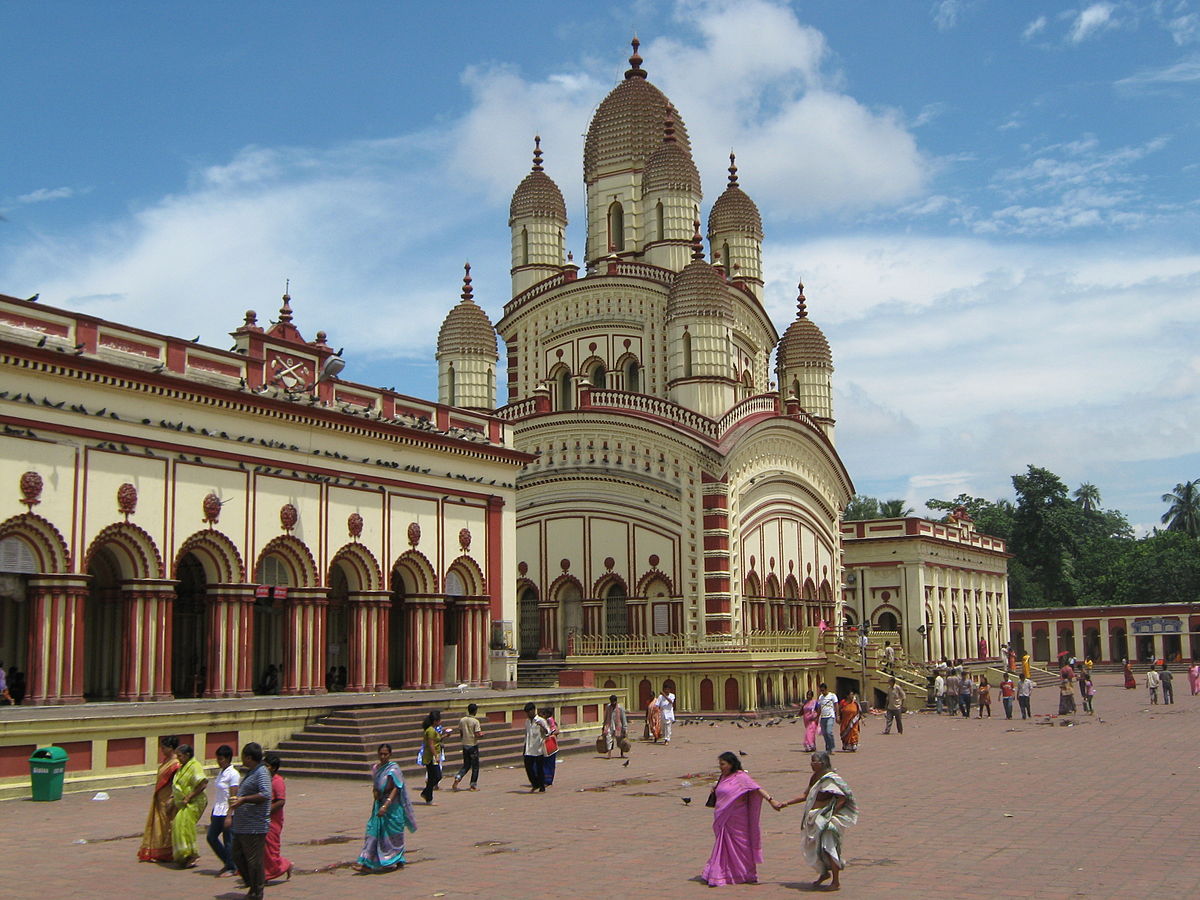
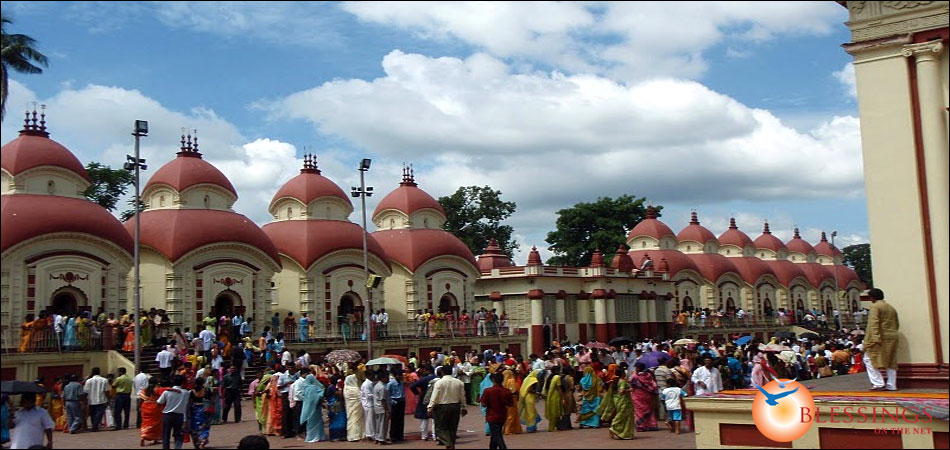
None of the above two temples offer meat and/or alcohol to the Goddess but interestingly, at the famous Kali Temple of Patiala (Punjab), offering meat and liquor to the deity is a daily ritual.

I am giving below a shloka from the Chandi Path which is narrated and broadcast on the early morning of Mohaloya Day by the All India Radio and now available in various forms on YOUTUBE.

Garja Garja kshanam moorha, Madhu yavat pivamyaham.

Mayaa twayi hatetraiva, garjishyantyashu devatah.

Shloka: Goddess Durga says just before she slays the demon Mahishasura and meansâ€Ļ.

“Take your time to squall and scream as long as I don’t finish up my (divine) wine, O foolish Mahishasura! I will soon slay you (after I finish my drink) and The gods of heaven will burst in the joy of victory!!”

It would be wrong to interpret the goddesses of Shakti in their many manifestations as only meat eating alcohol drinking divas. On the contrary, in most communities across the country, the gods and goddesses are completely vegetarian and teetotaler. And besides, who can ignore the logic behind the manifestation of the supreme one in a particular formâ€Ļ

Madhav saidâ€Ļ

Yada yada hi Dharmasya glaanir bhavati bharata,

Abhyuthanam Adharmasya tadatmanam shrijamyaham,

Paritranaya Sadhunam, Vinashaya ch duskritam,

Dharma-sangsthapanarthay sambhavami yuge yugeâ€Ļ

Therefore, for me, Kali represents the true women empowerment. She emerged at a time when the patriarchy was the way of life in the form of Asurs who believed in anarchy. Kali represents the combined power of all those women who have been abused all their lives for being dark skinned. She emerges once again when girls like Nirbhaya dies a thousand deaths before dying and young girls are saved from being trafficked. A piece of Kali is born inside the acid attack victims, when they will to survive and lead a new life. It is said that both Durga and Kali emerged when the combined forces of the gods were defeated by the Asurs. The goddesses’ then had slayed the Asurs to bring parity and peace on earth.

So, my Kali cannot remain limited to the “meat eating, alcohol drinking deity”â€Ļ The poster of the film that showed Kali as smoking a cigarette and created the controversy is directed by a lady of Indian origin calling it a piece of artâ€Ļ what a bull crap she’s peddling? But she’s not alone in this game of disruption, there are scores of them who would paint a goddess in nude, ridicule the Sanatan Dharma rituals in cinema and claim to be the Art Form and flag bearer of the progressive thoughts. For these scoundrels, women empowerment simply means nudity, alcoholism and drug abuse.

There is a large section of women in the country who are being denied equality and a chance to live with dignity because of patriarchal biases, but the elite feminists with wine glass in hand and puffing marijuana filled cigarettes, royally ignores them. The scores of disadvantaged women only want a dignified life where their pay is at par with the male colleague, they would like their daughters to have same education as their sons and not get shackled inside their patriarchal homes. For these women Kali and Durga are the inspiration to fight along a biased society and not only continue to live with dignity but create a level playing field for their daughters as well.

So, with folded hands, I would request all the progressive thinkers whether Hindu or Kafir, please spare the Sanatan Dharma Gods & Goddesses from your crude art formsâ€Ļ there are billions of beautiful things in the nature, go recreate them in your own way on the canvas or on the filmâ€Ļ why look at imagery that has a revered connotation to the billions of Indians?  

To me religion is not reciting few difficult to pronounce shlokas or hymns but an idealism that gives hope to billion of souls. A correct and just interpretation of the Dharma can take the society to great heights while an incorrect interpretation can destroy the society. Therefore, choose wiselyâ€Ļ

For The 90’s Kids

Pratyush was getting very irritated sitting at the Bank’s reception with his father for over an hour. He had finished reading the 3 months old India Today cover-to-cover and had observed the people, mostly of older generation coming in for such trivial issue such as updating their passbook or withdrawing cash which can be done at home or any ATM. His irritation was now solely aimed at his father and he blurted out, “I told you so many times to learn on-line banking, but you are so adamant.”

“What will be good in learning internet banking?” His father asked.

“You could have easily done this job sitting at home… what more, you can actually buy things sitting at home through on-line shopping apps. But you won’t go for such easy methodâ€Ļ you will waste valuable time sitting here.” Pratyush continued.

“Okay, I understand that if I could use online banking, I would not have to step out from home.”

“Yes, precisely, we need not have wasted the last one hour sitting here.”

Ashish, the doting father of Pratyush said something that stunned Pratyush and silenced himâ€Ļ

“What do you achieve by saving so much time? You (people) are always glued to your smartphones or the laptopâ€Ļ have you in last one year called on your aunt who stays about a kilometer away or Indro uncle across the street who had a bad fall last week and is bed ridden? I have always given priority to human relations and regularly checked on all my uncles and aunts even if it was just a 15 minutes visit. What is the point of saving time if we cannot share it with our loved ones?”

The people standing nearby were attentive to what the old man was saying as was Pratyushâ€Ļ

Ashish continued, “Since the time we entered the bank I have four of my friends and exchanged pleasantriesâ€Ļ you know, I hardly ever leave my room let alone the house so whenever I can, it brings immense joy to meet up with people known and unknown. At my age, I have ample time but hardly any company. The online apps whether banking or shopping will provide the service/product at my door step but not the warmth of human company that I miss so badly.

You remember, couple of years ago I was hospitalizedâ€Ļ the pharmacist from whom I buy my medicine was the guy visiting me at the hospital, looking after my needs. The modern apps probably would send a customary email or message wishing speedy recovery sans any real emotion but can they really understand the pain of loneliness of a retired old man?

Few weeks back your mother fell down during morning walk in the park, who do you think picked her up and brought her back to home? It’s not your internet banking or the online shopping appsâ€Ļthey may know her account number or house address but not her personally, especially when she’s just human lying on the ground. The guys who helped her back on feet and brought her home are the ones with whom we interact everydayâ€Ļin the park, in the marketâ€Ļ

If everything becomes online, people will miss-out on human touchâ€Ļ Today, the apartments have made us “apart” instead of bringing us togetherâ€Ļ we get to know of passing away of our neighbor because of the stench of rotting body!! Is this humanity? In my childhood, there used to be one or two television in the entire neighborhoodâ€Ļ we enjoyed the weekly Chitrahaar and Hindi Cinema watching it together. Today, each household has multiple television sets and gadgets that keep the individual cooped up in their roomsâ€Ļ sitting across the table, the youngsters converse through messaging apps instead of talking to each otherâ€Ļ where are we headed to?

You see that bank teller as the guy who disburses cash or the shop salesman as just a salesman but miss out the human behind the façade of the job they are doingâ€Ļ I see them as a fellow human, read their stories in their eyes, understand their unsaid words, in short can empathize with themâ€Ļ it somehow binds us as a humanity. Your online apps can provide the service but can never replace this bonding of humans.”

“Is technology bad for humanity?” Pratyush asked.

“No, technology is not bad at all. In fact it is boon for the humanity in this time of pandemic and lockdown. Millions of students and professionals are using the “Zoom” to further their studies and work. It is great but we must not get addicted to the devicesâ€Ļit is perhaps equal to or worse than drug addiction. Both alienate us from our family, the loved ones and make us zombies!! We must aware of thisâ€Ļ We must encourage use of technology while developing relations with fellow humans and not vice-versaâ€Ļ we must not become slave of technology!!

These days, waking up, the first thing a person do is to check his device (mobile or laptop) instead of greeting his/her family membersâ€Ļthis trend is dangerous for mankindâ€Ļ

However, I must acknowledge that apps like Facebook have connected many of us who have lost touch years ago for various reasons. Today, I am able to interact with my long lost classmates because of apps like Facebook, WhatsApp, Instagram etc.

Few months ago, Asha Bhonsle the singer had posted a picture of her at a concert with caption “I am surrounded by people but completely disconnected because each one of them are busy with their handheld devices.”

I may be wrong or perhaps right, I think you guys are more familiar with the Brand Logo than the people behind them. By all means use and take full advantage of the technology but also put aside your devices to interact and share the joys of your loved ones.” Ashish stopped to take a deep breath.

The Bank Manager, Debabrata called out “Ashish da”

Suddenly, Pratyush could see that a human bonding with another human instead of a Customer interacting with the Bank Managerâ€Ļ he had tried to teach online transactions to his father but the Dad taught him human relation in just a few minutes.

The Lockdown

The Covid19 lockdown has entered the phase 5 with more relaxation than restrictions, so I thought of penning (or keying?) down my experience and not-so-serious-thoughtsâ€Ļ

We all knew by the beginning of March that India will go for a lockdown in some form or the other, though I must confess that neither I nor my friends thought a complete lockdown of the whole country as big as India is possible!! Then, on the 20th March the Prime Minister addressed the nation at his favourite time slot of 8:00 PM and urged the citizens not only to follow a self imposed one day lockdown on Sunday 22nd March but to come out to their balconies/ rooftops/ doorsteps to clank the bell in solidarity with the doctors, nurses, policemen et al who are at the forefront in fighting the pandemic. There were doubting Thomas’ who thought it will be a utter failure as Indians known for indiscipline specially in adhering to govt directives (traffic violation is a glaring example). However, surprisingly, people stayed home on a Sundayâ€Ļ came out on their balconies and rooftops to clank the bells, blow conch shells and sing songs like Vande Mataram and Saare Jahan Se Acchha Hindustan Hamara. The only sore point was the sporadic incidence of over enthusiastic people coming out on the streets to do a parade of sort.

I had predicted to my family and friends on Sunday itself that the 14 hour self imposed lockdown is the precursor to the longer version. I thought like others that it will happen from the following week but Prime Minister believes in surprising the citizens with such announcements (e.g. Demonetization) and called for a nationwide complete lockdown of 21 days starting 25th March 00:00 hours once again at his favourite time slot of 8:00 PM giving no time to the people to buy and board up for the long haul.

Anyways I am not here to look and point out the flaws in the decision making of the govt. though in hindsight it seems that there should have been a time gap of 7-10 days to allow not just the migrant labourer but a large number of people who got stuck at distant places because of the suddenness of the lockdown, to go back to their homes.

The RWA of the Residential Complex where we stay in Hyderabad had banned entry of all e-commerce deliveries, the maids and drivers from the beginning of March itself. Now they imposed ban on people moving out as well with exception to essential services, medical emergencies and pet walking. The last one was a great relief for me and Rolf who being a high pedigree dog refuses to poop inside the complex and necessarily walks quite a distance away from it to find a secluded place to do the job.

As I had anticipated, the lockdown measures were like the Chinese Whispersâ€Ļ the messages or instructions announced by the higher authorities got twisted or did not percolate down to the last man guarding the gate/ barricade. The first such experience was when on 25th March I took Rolf out for morning walk, one of the guard of our complex came and asked me to turn back as walking is not allowed. Luckily for me, I had the detailed guideline issued by the Covid19 Team and therefore I told him that pet walking is definitely allowed as an exception. He was not convinced and complained to his supervisor who met me at the main gate to stop me from going out. I showed him the guidelines and told him in clear terms that I will be going out twice a day (morning & evening) and he is free to complain to whomsoever he wishes. I also gave him details of my apartment. I did not face any further resistance which may be because the guards including the supervisors were suitably made aware of the guidelines. In later days I came across many instances of highhandedness of the beat police at the road barricades because of lack of clarity in communication, as narrated by friends who being in essential services had to traverse every day.

We as individuals living inside a gated community were more or less insulated from the happenings outside. The welfare association had arranged vendors for fruits, vegetables, eggs and chicken to deliver twice a week besides the community store that opened through the day to cater to the demands of the residents. In addition to the above they tied up with Apollo Pharmacy to deliver medicines and during the subsequent phases of lockdown they arranged for bakery and other sweet-n-savory items as well. So, in reality, we were better off in the lockdown with everything available to us in the convenience of the residential complex.

However, the situation was not so good for people staying in non-gated community residential apartments, for they faced huge inconvenience in the initial days even for the essential items including medicines. My son living alone in Bengaluru (his flat mate left as the lockdown started) faced issues with getting medicines as well as vegetables and chicken. For few days he literally survived on dal-chawal, Maggi noodles and oats. His medicine requirement was arranged by my wife through her friends in Bengaluru. However, the whole experience made him self sufficient in managing the household while working from home. His only complaint was that he did not get time to stock up on beers!!

There are many positive outcomes from this lockdown as wellâ€Ļ I sharpened my culinary skills through cooking up many traditional dishes giving them my personal twists. I mastered the art of making Bengali Aamer Mishti Aachar (Sweet Mango Pickle Bengali style). Tried my hands (successfully) in making Bedmi Puri-Aloo and other vegetarian delicacies that were liked by my (veggie) wife!!

timthumb

However, the most positive outcome of the lockdown is getting over my addiction of Chetana Churan (the combination of Rajnigandha and Zafrani patti No.120). The addiction happened 3 decades back when for a very short period I had taken up field sales position where the sales reps would be having this concoction in between the sales call and/or after every cup of tea/ meal. 8-10 hours in the market negotiating with the shopkeeper not just on the number of items to stock but the discount and other schemes was really frustrating and this concoction worked out to be a great healer, even better than cigarettes which I had given up in one shot a few years earlier. I have tried to bunk it earlier too but the easy availability and the job stress would invariably dilute my resolve. When the lockdown happened, I had stock to last me for a week or 10 days at best. I prepared myself mentally to accept the inevitable and slowly started reducing the intake quantity as well as frequency. So, finally when the last bit was consumed, I simply threw the container that was part of my life for many years. It is not that I did not feel the talab for it but resisted the urge with my legendary “Will Power” or resolve. Another point that acted in favour of giving it up is the source of procurementâ€Ļ. I wasn’t too convinced about the hygiene of the shop or its owner(s). It is now over 2 months without the Chetana Churan and I am convinced that the addiction is finally over.

Animal Instinct is something you need to experience to fully understand. During the morning walks with Rolf, he used walk close to 2 km wandering through the lanes as if he owned them. The street dogs would bark at us initially but the snobbery of Rolf made them realize it was futile. A few of them would come to me for petting wagging their tails but a mere look from Rolf would chase them away. However, a couple of days into the lockdown, suddenly Rolf would go out of the complex barely few hundred meters, do his job and turn back for home immediately. Initially I was worried that he wasn’t keeping well but the dogs have a god gifted strategy to tell their hooman parents if they are unwellâ€Ļ they stop eating. However, in this case, his appetite was strong and there was nothing in his movement to suggest otherwise. He was due for vaccination as well as de-worming April and May respectively, so I waited for the relaxation of rules to take him to the vet which finally happened in the first week of May. The Vet also said that it could be psychologicalâ€Ļ the absence of both pedestrian and vehicular traffic may have psyched him because health wise he is doing well for his age.

5e78204c2300003000c8b599

The day I took Rolf to the Vet, I also visited the dog grooming parlor – Scoopy Scrub to give him a much needed bath and a hair trimming. It was a hot, humid day and I realized it was very taxing on him but once done, he actually felt nice and relieved. The usual bounce was back in his strideâ€Ļ

As I write this, we are inching closer to the Unlockdown 1.0 wherein the places of worship, malls and most other shops will open for business. The Govt as well as Private Offices will function at 100% capacity and the RWA’s are advised to open their gates for the maids, drivers and other workers. When the lockdown happened, the country had only 500 confirmed cases of Covid19 and now when it is being rescinded, the numbers are at staggering 200000+!!!

It’s a catch22 situation, if the lockdown continues; there will be serious repercussions on the economy which as it is has taken quite a beating; on the other hand, the opening up of the lockdown poses serious health issues for all as even to this day, the Covid19 virus remains a mysteryâ€Ļ how and what circumstances it spreads is still baffling the medical community.

Interestingly, many of the tech companies have already decided to allow its employees to WFH till end of the year 2020. In my wife’s organization, a poll was taken amongst the employees and overwhelmingly people have voted for WFH statuesque. Those who can afford to work from home are likely to continue with self imposed lockdown. The most affected sectors will be the travel and hospitality, the automotives, the retail business as people would only be interested in spending on the essentials and postpone their holiday plans, new vehicle purchase or go for the trendy clothes and accessories. Another sector to get affected will be the unorganized retail sector where the main issue with consumer will be state of hygiene of the vendor.

We have covered almost half of 2020 wherein the country has faced the pandemic of Covid19, the fury of Amphan cyclone, the earthquakes in Delhi and the cyclone Nisarga is making landfall on the western coast of the country. What nextâ€Ļ the monsoon havocâ€Ļ the flooding of the plains???

I wish I am in the midst of a long nightmare and when I wake up tomorrow all these are gone and A NEW DAWN BECKONS USâ€Ļ

  6751939_preview

Covid19: Fight Back

cv1

China, Iran and then Franceâ€Ļ

I am in self quarantine in South of Paris, once a happening place with hundreds of eateries and revelers that lighted up not just the streets but life as well. But all that is past. Today, I am locked up in my apartment. It’s been one week now, I haven’t even ventured on to my balcony which is now sporting an inch layer of dust. I am watching the streets from behind the glass window of my bedroom. The street, one of the main throughways of Paris which at all times is full of not just cars and motorcycles but bicycles and pedestrians jostling for space. Where the vehicles used to screech to a halt paving way for the pedestrian and cross traffic to pass as the signals turned red from amber, today is completely deserted. I am trying to see trace of any life form but alas not a single soul on the streets since morning. The shops are all closed. Just across the road is the railway station which was always a hustle bustle of the crowd on the move is now deserted.

There are a few men and women walking by with their faces covered in mask and they too are not acknowledging the existence of the fellow walker, something unthinkable on the streets of Paris. Then there are few vehicles, either ambulance or Police cars probably carrying the very ill to the nearest hospitals. In short the canvas is like a disaster movie from Hollywood. Till last week the guy who was working hard to save his/her job, the love of his/her love and/or planning for the summer vacation, today they are just busy saving their lives.

The French Govt has declared wartime emergency. Only the daily essential time stores and pharmacies are open. Anyone venturing out is required to fill up govt specified forms stating clearly the intended visit to the pharmacy or to the daily needs stores. There are policemen checking the documents and if answers are not satisfactory, the person can be fined Euro 135 or put behind bars for 6 months.

In the morning only two passengers alighted from a taxi, mother and her teenage son; both covered in face mask but their eyes depicted ghostly fear. They must be inhabitants of our building which is now sans the concierge at the entrance. Some of the apartments have been vacated but no one has come forward to lock them up or sanitize.

The neighboring state of Italy is in dire situation, everyday people are dying exponentially. There is extreme pressure on the administration to bury the dead and at the same time provide medical treatment to the critically ill. In Iran, they have dug up mass grave to bury the dead. Till the time, this deadly virus was confined to Wuhan province in China, sitting in the confines of our homes in Europe, India; we have only provided the lip service by expressing our sympathies. Now, in just over a months’ time, the deadly virus has reached at our very own doorsteps. It has infected the people, the air and the surfaces that we touch, all without our reckoning. The Europe today stands devastated.

Well I am not into fear mongering but trying to alert you all. Let us not spread misinformation through Facebook or WhatsApp but the bare facts and ways to combat the virus scientifically. Let us not repeat the mistakes of Italy or Iran or France. We in India still have time to overcome the threat posed by the Corona Virus. We have precisely TWO WEEKS in hand to defeat this monster and banish it forever. Let us resolve to postpone all non essential purchases and activities for next two weeks. Let us not venture out even to the Nukkad ke Dukan to buy errands. Let us not meet friends and relatives for next two weeks, there’s a telephone that can confirm the well beings of our friends and relations. Let us stay put in the confines of home and enjoy this forced holiday. For once, let us enjoy the solitude of our homes, may be we have to let go of three/ five course meals, let us be satisfied with only Dal-Roti for next two weeks. If we sacrifice this two weeks, probably the virus will meet its end or else there’s no guarantee that you won’t get infected sitting at your office or home.

Let’s just follow three things in the next two weeksâ€Ļ

  1. Let us stay put in our homes. No going out even for smallest of the reasons. No going out to meet friends or brothers or sisters and also not let anyone come enter your homes. It is total isolation from the outside world. Have simplistic food these days, it will not only be easy on your digestive system but perhaps can help you lose those extra kilos. Biriyanis and Kebabs can wait for another day. And you can always stay connected through electronic media.
  2. Let us maintain personal hygiene through a regimen of washing our hands at least once every hour. Sanitize our hands if we touch any suspected surface. Let go of the habit of touching your face, nose or any exposed body part.
  3. Get out of the mindset of “What can I do alone?” Yes you can do hell of a lot for your loved ones just by following the above and inspiring others to do too. You may be young, you may be strong and feel that the virus can’t harm you but remember back home there are your parents, your children who are highly vulnerable to this virus. Keep in mind that the older people with chronic history of high BP, Asthma, Heart Condition or Diabetic are likely to be fatally affected by this monstrous Covid19. Let you be not the cause of their discomfort or illness or even death.

Out of the above three points, the most important one is self quarantine. The question is how long? Well, if you can stay indoors in the coming two weeks then that is all it would be otherwise who knows how it will take to get rid of this Covid19.

Therefore, let’s show the world that through strong resolve and willpower India can win over this virus in the coming TWO WEEKS.

JAI HIND. VANDE MATARAM.

Inspired by Shri Sourav Mukherjeeâ€Ļ

āĻĄāĻŋāĻ­ā§‹āĻ°ā§āϏ

āĻŦāĻŋā§Ÿā§‡āϰ āϚāĻžāϰ āĻŦāĻ›āϰ āĻšā§Ÿā§‡āϛ⧇ āĻāĻ–āύ⧋ āĻŽāĻž āĻšāϤ⧇ āĻĒāĻžāϰāĻŋāύāĻŋāĨ¤
āĻĒāĻžāϰāĻŋāĻŦāĻžāϰāĻŋāĻ• āĻ­āĻžāĻŦ⧇ āĻŦāĻŋā§Ÿā§‡ āĻšā§Ÿā§‡āĻ›āĻŋāϞ⧋ āφāĻŽāĻžāĻĻ⧇āϰāĨ¤āĻĒā§āϰāĻĨāĻŽ āĻĒā§āϰāĻĨāĻŽ āφāĻŽāĻŋ āφāϰ āϤ⧁āώāĻžāϰ āϖ⧁āĻŦ āϏ⧁āϖ⧇āϰ āϏāĻŽā§Ÿ āĻ•āĻžāϟāĻŋā§Ÿā§‡āĻ›āĻŋāĨ¤ āĻļāĻļ⧁⧜ āĻļāĻžāĻļā§ā§œā§€āĻ“ āϖ⧁āĻŦ āφāĻĻāϰ āĻ•āϰāϤ⧋ āφāĻŽāĻžāϕ⧇ āύāĻŋāĻœā§‡āϰ āĻŽā§‡ā§Ÿā§‡āϰ āĻŽāϤāχ āĻ­āĻžāϞāĻŦāĻžāϏ⧇āĨ¤ āĻĻ⧁āχ āύāύāĻĻ⧇āϰ āϤ⧋ āφāĻŽāĻžāϰ āϏāĻžāĻĨ⧇ āϖ⧁āĻŦ āĻ­āĻžāĻŦāĨ¤

āĻ•āĻŋāĻ¨ā§āϤ⧁ āĻ—āϤ āĻ›ā§Ÿ āĻŽāĻžāϏ āϧāϰ⧇ āĻļāĻļ⧁⧜ āĻļāĻžāĻļā§ā§œā§€ āύāύāĻĻ⧇āϰāĻž āωāϠ⧇ āĻĒāϰ⧇ āϞ⧇āϗ⧇āϛ⧇ āϕ⧇āύ āφāĻŽāĻžāϰ āĻŦāĻžāĻšā§āϚāĻž āĻšā§ŸāύāĻžāĨ¤āϤ⧁āώāĻžāϰāĻ“ āĻāϤ⧋āĻĻāĻŋāύ āĻŦāĻžāĻšā§āϚāĻž āύāĻž āĻšāĻ“ā§ŸāĻžā§Ÿ āϤ⧇āĻŽāύ āĻ•āĻŋāϛ⧁āχ āĻŦāϞāϤ⧋ āύāĻž, āĻ•āĻŋāĻ¨ā§āϤ⧁ āφāϜāĻ•āĻžāϞ āϤ⧁āώāĻžāϰāĻ“ āĻ“āĻĻ⧇āϰ āϏāĻžāĻĨ⧇ āĻĒāĻžāĻ˛ā§āϞāĻž āĻĻāĻŋā§Ÿā§‡ āĻŦāϞ⧇ āϚāĻžāϰ āĻŦāĻ›āϰ āϕ⧇āĻŸā§‡ āϗ⧇āϞ⧋ āĻāĻ–āύ⧋ āϕ⧇āύ āĻŦāĻžāĻšā§āϚāĻž āĻšā§Ÿ āύāĻž, āĻ“āϰ āĻŽāĻž āĻŦāĻžāĻŦāĻž āύāĻžāϤāĻŋāϰ āĻŽā§āĻ– āĻĻ⧇āĻ–āϤ⧇ āϚāĻžā§ŸāĨ¤

āĻ—āϤāĻ•āĻžāϞ āϰāĻžāϤ⧇ āĻļāĻžāĻļā§ā§œā§€ āĻāϏ⧇ āĻŦāϞāϞ⧋ āφāϰ āĻ•āϤ āĻĻāĻŋāύ āĻ…āĻĒ⧇āĻ•ā§āώāĻž āĻ•āϰāĻŦā§‹, āĻŦāĻžā§œāĻŋāϤ⧇ āĻāĻ•āϟāĻž āĻŦāĻžāĻšā§āϚāĻžāĻ“ āύ⧇āχ, āĻŦāĻžāĻšā§āϚāĻž āϟāĻžāĻšā§āĻ›āĻž āĻ›āĻžā§œāĻž āĻ•āĻŋ āĻŦāĻžā§œāĻŋ āĻ­āĻžāϞ āϞāĻžāϗ⧇, āύāĻžāĻ•āĻŋ āĻļāĻžāĻ¨ā§āϤāĻŋ āϞāĻžāϗ⧇, āĻĒāĻžāĻļ⧇āϰ āĻŦāĻžā§œāĻŋāϰ āĻļ⧇āĻĢāĻžāϞāĻŋāϰ āϛ⧇āϞ⧇āϕ⧇ āϤ⧁āώāĻžāϰ⧇āϰ āĻāĻ• āĻŦāĻ›āϰ āĻĒāϰ⧇ āĻŦāĻŋā§Ÿā§‡ āĻĻāĻŋā§Ÿā§‡āϛ⧇, āĻ›ā§Ÿ āĻŽāĻžāϏ āĻšā§Ÿā§‡āϛ⧇ āĻŦāĻžāĻšā§āϚāĻž āĻšā§Ÿā§‡āϛ⧇ āφāϰ āφāĻŽāĻžāϰ āϛ⧇āϞ⧇āϰ āĻŦā§Œā§Ÿā§‡āϰ āϘāϰ⧇ āĻāĻ–āύ⧋ āϕ⧋āύ āĻŦāĻžāĻšā§āϚāĻž āĻšāϞ⧋ āύāĻž, āφāĻŽāϰāĻž āĻ•āĻŋ āĻ āĻžāϕ⧁āĻŽāĻž āĻĻāĻžāĻĻ⧁ āĻšāĻŦā§‹ āύāĻž…?

āφāϰ⧋ āĻ…āύ⧇āĻ• āϗ⧁āϞ⧋ āĻ•āĻĨāĻž āĻļ⧁āύāĻŋā§Ÿā§‡ āϗ⧇āϞ⧋, āĻŦāĻžāĻšā§āϚāĻž āύāĻž āĻšāϞ⧇ āφāĻŽāĻŋ āĻ•āĻŋ āĻ•āϰāĻŦā§‹, āφāĻŽāĻŋ āĻ“ āϤ⧋ āϚāĻžāχ āφāĻŽāĻžāϰ āĻāĻ•āϟāĻž āϏāĻ¨ā§āϤāĻžāύ āĻšā§‹āĻ•, āϝ⧇ āφāĻŽāĻžāϕ⧇ āĻŽāĻž āĻŽāĻž āĻŦāϞ⧇ āĻĄāĻžāĻ•āĻŦ⧇āĨ¤

āύāύāĻĻ āϰāĻŋāĻŽāĻŋ āĻāϏ⧇ āĻŦāϞāϞ, āĻŦ⧌āĻĻāĻŋ āĻāĻ• āĻ•āĻžāϜ āĻ•āϰāϞ⧇ āϕ⧇āĻŽāύ āĻšā§Ÿ āϤ⧋āĻŽāϰāĻž āĻŦāϰāĻ‚ āĻĄāĻžāĻ•ā§āϤāĻžāϰ⧇āϰ āĻ•āĻžāϛ⧇ āϝāĻžāĻ“, āĻ—āĻŋā§Ÿā§‡ āĻĻ⧇āĻ–ā§‹ āĻ•āĻžāϰ⧋ āϕ⧋āύ āϏāĻŽāĻ¸ā§āϝāĻž āφāϛ⧇ āĻ•āĻŋāύāĻžāĨ¤

āϰāĻžāϤ⧇ āϤ⧁āώāĻžāϰāϕ⧇ āϰāĻŋāĻŽāĻŋ āĻ•āĻĨāĻžāϟāĻž āĻŦāϞāϤ⧇āχ āϤ⧁āώāĻžāϰ āĻŦāϞāϞ āĻ“ āϕ⧋āύ āĻĄāĻžāĻ•ā§āϤāĻžāϰ⧇āϰ āĻ•āĻžāϛ⧇ āϝāĻžāĻŦ⧇ āύāĻž, āĻĒāĻžāϰāĻŦ⧇ āύāĻž āϝ⧇āϤ⧇, āĻ…āĻĢāĻŋāϏ⧇ āĻ•āĻžāĻœā§‡āϰ āĻ…āύ⧇āĻ• āϚāĻžāĻĒāĨ¤ āĻ…āύ⧇āĻ• āĻœā§‹āϰāĻžāϜ⧁āϰāĻŋ āĻ•āϰ⧇ āϤ⧁āώāĻžāϰāϕ⧇ āĻĄāĻžāĻ•ā§āϤāĻžāϰ⧇āϰ āĻ•āĻžāϛ⧇ āύāĻŋā§Ÿā§‡ āϗ⧇āϞāĻžāĻŽ, āĻĻ⧁āϜāύ⧇āχ āĻĒāϰ⧀āĻ•ā§āώāĻž āĻ•āϰāĻžāϞāĻžāĻŽāĨ¤ āϝāϤ āϰāĻ•āĻŽā§‡āϰ āĻŸā§‡āĻˇā§āϟ āφāϛ⧇ āϏāĻŦ āϗ⧁āϞ⧋āχ āĻŸā§‡āĻˇā§āϟāχ āĻ•āϰāϞāĻžāĻŽāĨ¤ āĻĄāĻžāĻ•ā§āϤāĻžāϰ āĻŦāϞāϞ⧇āύ āϰāĻŋāĻĒā§‹āĻ°ā§āϟ āφāϏāϤ⧇ āĻĻ⧇āϰāĻŋ āĻšāĻŦ⧇, āĻĻ⧁āϜāύ⧇āχ āĻ…āĻĒ⧇āĻ•ā§āώāĻž āĻ•āϰāĻ›āĻŋ āφāϰ āĻŽāύ⧇ āĻŽāύ⧇ āψāĻļā§āĻŦāϰāϕ⧇ āĻĄāĻžāĻ•āĻ›āĻŋ, āϝ⧇āύ⧋ āϕ⧋āύ āĻĻ⧁āĻ°ā§āϏāĻ‚āĻŦāĻžāĻĻ āύāĻž āĻļ⧁āύāϤ⧇ āĻšā§ŸāĨ¤ āφāϧ āϘāĻ¨ā§āϟāĻž āĻĒāϰ⧇āχ āϤ⧁āώāĻžāϰ⧇āϰ āĻŽā§‹āĻŦāĻžāχāϞ⧇ āĻĢā§‹āύ āφāϏāϞ⧋ āϤāĻžā§œāĻžāϤāĻžā§œāĻŋ āĻ…āĻĢāĻŋāϏ⧇ āϝāĻžāĻ“ā§ŸāĻž āϜāĻ¨ā§āϝ, āφāĻ°ā§āĻœā§‡āĻ¨ā§āϟ āĻŽāĻŋāϟāĻŋāĻ‚ āφāϛ⧇āĨ¤ āϤ⧁āώāĻžāϰ āφāĻŽāĻžāϕ⧇ āĻŦāϞāϞ, āϖ⧁āĻļāĻŋ āϤ⧁āĻŽāĻŋ āϰāĻŋāĻĒā§‹āĻ°ā§āϟ āĻĻ⧇āϖ⧇ āĻĄāĻžāĻ•ā§āϤāĻžāϰ⧇āϰ āϏāĻžāĻĨ⧇ āĻ•āĻĨāĻž āĻŦāϞ⧇ āĻŦāĻžā§œāĻŋ āϚāϞ⧇ āϝ⧇āĻ“, āφāĻŽāĻžāϕ⧇ āĻāĻ•ā§āώ⧁āύāĻŋ āĻ…āĻĢāĻŋāϏ⧇ āϝ⧇āϤ⧇ āĻšāĻŦ⧇, āĻŦāϏ āĻĄāĻžāĻ•āϛ⧇āύāĨ¤ āφāĻŽāĻŋ āĻŦāĻžā§œāĻŋāϤ⧇ āĻāϏ⧇ āϰāĻŋāĻĒā§‹āĻ°ā§āϟ āĻĻ⧇āĻ–āĻŦā§‹, āĻŦāϞ⧇āχ āĻšāύāĻšāύ āĻ•āϰ⧇ āĻšāϏāĻĒāĻŋāϟāĻžāϞ āĻĨ⧇āϕ⧇ āĻŦā§‡ā§œāĻŋā§Ÿā§‡ āϗ⧇āϞ⧋āĨ¤

āφāĻŽāĻžāϰ āĻšāĻžāϤ⧇ āĻĄāĻžāĻ•ā§āϤāĻžāϰ⧇āϰ āĻĻ⧇āĻ“ā§ŸāĻž āϰāĻŋāĻĒā§‹āĻ°ā§āϟ āφāϰ āϏ⧇āχ āϰāĻŋāĻĒā§‹āĻ°ā§āĻŸā§‡ āĻ•āĻŋāϛ⧁ āĻ•āĻ āĻŋāύ āϏāĻ¤ā§āϝāĻŋ āĻ•āĻĨāĻž āϞ⧇āĻ–āĻž āφāϛ⧇, āϝāĻž āĻŽā§‡āύ⧇ āύāĻŋāϤ⧇ āĻŦ⧁āĻ•āϟāĻž āĻĢ⧇āĻŸā§‡ āϝāĻžāĻšā§āϛ⧇āĨ¤ āĻŦāĻžā§œāĻŋāϤ⧇ āφāϏāĻŦāĻžāϰ āĻĒāϰ āĻĨ⧇āϕ⧇ āĻļā§āĻŦāĻļ⧁āϰ āĻļāĻžāĻļā§ā§œā§€ āύāύāĻĻ⧇āϰāĻž āĻŦāĻžāϰ āĻŦāĻžāϰ āϜāĻŋāĻœā§āĻžā§‡āϏ āĻ•āϰāϛ⧇ āϰāĻŋāĻĒā§‹āĻ°ā§āĻŸā§‡ āĻ•āĻŋ āφāϏāϛ⧇ āĻĄāĻžāĻ•ā§āϤāĻžāϰ āĻ•āĻŋ āĻŦāϞ⧇āϛ⧇āĨ¤ āĻšā§‹āϖ⧇āϰ āϜāϞ⧇āϰ āϜāĻ¨ā§āϝ āĻ•āĻĨāĻž āĻŦāϞāϤ⧇ āĻĒāĻžāϰāĻ›āĻŋ āύāĻž, āĻ“āĻĻ⧇āϰāϕ⧇ āĻ•āĻŋ āωāĻ¤ā§āϤāϰ āĻĻ⧇āĻŦā§‹āĨ¤ āĻļāĻžāĻļā§ā§œā§€ āĻ•āĻ āĻŋāύ āϏ⧁āϰ⧇ āĻŦāϞāϞ āĻ•āĻŋ āĻŦā§āϝāĻžāĻĒāĻžāϰ āĻŦāϞāϛ⧋ āύāĻž āϕ⧇āύ āĻ•āĻŋ āĻšā§Ÿā§‡āϛ⧇āĨ¤

āĻŦāϞāϞāĻžāĻŽ āĻĄāĻžāĻ•ā§āϤāĻžāϰ āĻŦāϞ⧇āϛ⧇ āϏāĻŽāĻ¸ā§āϝāĻž āϟāĻž āφāĻŽāĻžāϰ āφāĻŽāĻŋ āϕ⧋āύāĻĻāĻŋāύ āĻŽāĻž āĻšāϤ⧇ āĻĒāĻžāϰāĻŦā§‹ āύāĻž, āϏ⧇āχ āĻ•ā§āώāĻŽāϤāĻž āύāĻžāĻ•āĻŋ āφāĻŽāĻžāϰ āύ⧇āχāĨ¤

āĻ•āĻĨāĻž āϟāĻž āĻŦāϞāĻžāϰ āϏāĻžāĻĨ⧇ āϏāĻŦāĻžāχ āϕ⧇āĻŽāύ āĻ•āϰ⧇ āĻœā§‡āύ⧇āĻž āφāĻŽāĻžāϰ āĻĻāĻŋāϕ⧇ āϤāĻžāĻ•āĻžāĻšā§āĻ›āĻŋāϞ⧋āĨ¤ āĻļāĻžāĻļā§ā§œā§€āϤ⧋ āϰ⧀āϤāĻŋāĻŽāϤ⧋ āĻ•āĻžāĻ¨ā§āύāĻžāĻ•āĻžāϟāĻŋ āĻļ⧁āϰ⧁ āĻ•āϰ⧇ āĻĻāĻŋāϞ⧋, āφāĻŽāĻžāϰ āϛ⧇āϞ⧇ āĻāχ āϜāĻ¨ā§āĻŽā§‡ āĻ•āĻŋ āφāϰ āϏāĻ¨ā§āϤāĻžāύ⧇āϰ āĻŽā§āĻ– āĻĻ⧇āĻ–āĻŦ⧇ āύāĻž, āφāĻŽāĻžāĻĻ⧇āϰ āĻŦāĻ‚āĻļ āĻ•āĻŋ āĻāĻ–āĻžāύ⧇ āĻļ⧇āώ āĻšā§Ÿā§‡ āϝāĻžāĻŦ⧇, āĻ•āĻŋ āϕ⧁āϞāĻžāĻ™ā§āĻ—āĻžāϰ āĻ…āĻĒ⧟āĻž āĻŽā§‡ā§Ÿā§‡ āĻāύ⧇ āϏāĻ‚āϏāĻžāϰ⧇ āĻĸ⧁āĻ•āĻŋā§Ÿā§‡āϛ⧇ āĻŽāĻž āĻšāϤ⧇ āĻĒāĻžāϰāĻŦ⧇ āύāĻž, āĻļāĻžāĻļā§ā§œā§€āϰ āϏāĻžāĻĨ⧇ āĻļā§āĻŦāĻļ⧁āϰāĻ“ āϏ⧁āϰ āĻŽāĻŋāϞāĻŋā§Ÿā§‡ āĻŦāϕ⧇ āϝāĻžāĻšā§āϛ⧇āĨ¤ āύāύāĻĻ⧇āϰāĻžāĻ“ āϝāĻž āϤāĻž āĻŦāϞāϛ⧇ āĻāĻ•āϟāĻž āĻŦāĻ¨ā§āĻ§ā§āϝāĻž āĻŽā§‡ā§Ÿā§‡ āφāĻŽāĻžāϰ āĻ­āĻžāĻ‡ā§Ÿā§‡āϰ āĻ•āĻĒāĻžāϞ⧇ āϜ⧁āĻŸā§‡āϛ⧇āĨ¤
āϰāĻžāϤ⧇ āϤ⧁āώāĻžāϰ āĻŦāĻžā§œāĻŋāϤ⧇ āĻāϞ⧇ āϏāĻŦāĻžāχ āĻŽāĻŋāϞ⧇ āĻ“āϕ⧇ āĻŦā§‹āĻāĻžāϞ⧋ āϝāĻžāϤ⧇ āφāĻŽāĻžāϕ⧇ āĻĄāĻŋāĻ­ā§‹āĻ°ā§āϏ āĻĻāĻŋā§Ÿā§‡ āĻĻā§‡ā§ŸāĨ¤āφāĻŽāĻžāϕ⧇ āĻĻāĻŋā§Ÿā§‡ āφāϰ āϏāĻ‚āϏāĻžāϰ āĻ•āϰāĻž āĻšāĻŦ⧇āύāĻžāĨ¤

āĻĢāϞ āĻŦāĻŋāĻšā§€āύ āĻ—āĻžāĻ› āϰ⧇āϖ⧇ āϞāĻžāĻ­ āĻ•āĻŋ, āωāĻĒāϰ⧇ āĻĢ⧇āϞ⧇ āĻĻāĻŋā§Ÿā§‡ āϏ⧇āĻ–āĻžāύ⧇ āύāϤ⧁āύ āĻ—āĻžāĻ› āϞāĻžāĻ—āĻžāϤ⧇ āϚāĻžāχ, āφāϰ⧋ āĻ…āύ⧇āĻ• āĻ•āĻĨāĻžāχ āĻŦāϞ⧇ āϝāĻžāĻšā§āϛ⧇āĨ¤ āφāĻŽāĻŋ āĻļ⧁āϧ⧁ āĻĻ⧇āĻ–āĻ›āĻŋ āϤ⧁āώāĻžāϰ āĻ•āĻŋ āĻŦāϞ⧇, āĻ•āĻŋāϛ⧁āĻ•ā§āώāĻŖ āĻĒāϰ āύ⧀āϰāĻŦāϤāĻž āϭ⧇āĻ™ā§āϗ⧇ āϤ⧁āώāĻžāϰ āĻŦāϞāϞ āϤ⧋āĻŽāϰāĻž āϝāĻž āχāĻšā§āϛ⧇ āϤāĻžāχ āĻ•āϰ⧋ āφāĻŽāĻžāϰ āφāϰ āĻāχāϏāĻŦ āĻ­āĻžāϞ āϞāĻžāϗ⧇ āύāĻžāĨ¤

āϰāĻžāϤ⧇ āϤ⧁āώāĻžāϰ āφāĻŽāĻžāϰ āϏāĻžāĻĨ⧇ āĻāĻ•āϟāĻž āĻ•āĻĨāĻžāĻ“ āĻŦāϞ⧇āύāĻŋ, āϏāĻžāϰāĻžāϟāĻž āϰāĻžāϤ āϕ⧇āρāĻĻ⧇ āĻŦ⧁āĻ• āĻ­āĻžāϏāĻŋā§Ÿā§‡āĻ›āĻŋ āφāϰ āĻ­āĻžāĻŦāĻ›āĻŋ āĻšā§‡āύāĻž āĻŽāĻžāύ⧁āώāϗ⧁āϞ⧋ āĻāϤ⧋ āϤāĻžā§œāĻžāϤāĻžā§œāĻŋāχ āĻ…āĻšā§‡āύāĻž āĻšā§Ÿā§‡ āϗ⧇āϞ⧋, āφāĻŽāĻŋ āĻāĻ–āύ āĻ“āĻĻ⧇āϰ āĻ•āĻžāϛ⧇ āĻšā§Ÿā§‡ āϗ⧇āϞāĻžāĻŽ āĻ…āĻĒ⧟āĻž āĻŦāĻ¨ā§āĻ§ā§āϝāĻžāĨ¤

āϏāĻ•āĻžāϞ⧇ āφāĻŽāĻžāϕ⧇ āĻĄāĻžāĻ•āĻž āĻšāϞ⧋ āĻļā§āĻŦāĻļ⧁āϰ⧇āϰ āϘāϰ⧇, āĻĄā§‡āϕ⧇ āύāĻŋā§Ÿā§‡ āĻŦāϞāϞ āϤ⧁āώāĻžāϰāϕ⧇ āϝ⧇āύ āĻ›ā§‡ā§œā§‡ āĻĻāĻŋ, āĻ“āϰāĻž āϤ⧁āώāĻžāϰāϕ⧇ āφāĻŦāĻžāϰ āĻŦāĻŋā§Ÿā§‡ āĻĻāĻŋāĻŦ⧇, āĻ“āĻĻ⧇āϰ āĻŦāĻ‚āĻļ⧇āϰ āĻĒā§āϰāĻĻā§€āĻĒ āϚāĻžāχ , āφāϰ āϏ⧇āϟāĻž āĻĻ⧇āĻ“ā§ŸāĻž āφāĻŽāĻžāϰ āĻĒāĻ•ā§āώ⧇ āϏāĻŽā§āĻ­āĻŦ āύāĻž, āϤāĻžāχ āφāĻŽāĻŋ āϝ⧇āύ⧋ āĻĄāĻŋāĻ­ā§‹āĻ°ā§āϏ⧇āϰ āĻŦā§āϝāĻĒāĻžāϰāϟāĻž āĻŽā§‡āύ⧇ āύāĻŋā§Ÿā§‡ āϤ⧁āώāĻžāϰāϕ⧇ āϚāĻŋāϰāĻĻāĻŋāύ⧇āϰ āϜāĻ¨ā§āϝ āĻŽā§āĻ•ā§āϤ āĻ•āϰ⧇ āĻĻāĻŋāχāĨ¤āϤ⧁āώāĻžāϰ⧇āϰ āĻ“ āύāĻžāĻ•āĻŋ āϤāĻžāχāχ āĻŽāϤāĨ¤

āϤ⧁āώāĻžāϰ⧇āϰ āĻĻāĻŋāϕ⧇ āϤāĻžāĻ•āĻžāϤ⧇āχ āĻ“ āĻŦāϞāϞ āĻŽāĻž āĻŦāĻžāĻŦāĻž āϝāĻž āĻŦāϞāĻŦ⧇ āϤāĻžāχ āĻšāĻŦ⧇, āϤ⧁āĻŽāĻŋ āĻāϟāĻž āύāĻŋā§Ÿā§‡ āφāϰ āĻŦāĻžā§œāĻžāĻŦāĻžā§œāĻŋ āϕ⧋āϰ⧋ āύāĻž āϖ⧁āĻļāĻŋ āĻĒā§āϞāĻŋāϜ, āφāϰ āϕ⧋āύ āĻŸā§‡āύāĻļāύ āφāĻŽāĻŋ āφāϰ āύāĻŋāϤ⧇ āĻĒāĻžāϰāĻ›āĻŋ āύāĻž

āĻ­āĻžāĻŦāϤ⧇āχ āĻ•āĻˇā§āĻŸā§‡ āĻŦ⧁āĻ•āϟāĻž āĻĢ⧇āĻŸā§‡ āϝāĻžāĻšā§āϛ⧇ āĻ•āĻŋ āĻ•āϰ⧇ āĻŽāĻžāύ⧁āώ āĻāϤ⧋āϟāĻž āĻŦāĻĻāϞ⧇ āϝāĻžā§ŸāĨ¤ āφāϜ āφāĻŽāĻŋ āϏāĻ¨ā§āϤāĻžāύ āĻĻāĻŋāϤ⧇ āĻĒāĻžāϰāĻŦā§‹ āύāĻž āĻŦāϞ⧇ āφāĻŽāĻžāϕ⧇ āĻ“āϰāĻž āϤāĻžā§œāĻŋā§Ÿā§‡ āĻĻāĻŋāĻšā§āϛ⧇, āĻ•āϤ⧋āϟāĻž āĻ¸ā§āĻŦāĻžāĻ°ā§āĻĨāĻĒāϰ āĻŽāĻžāύ⧁āώāĨ¤

āĻĻ⧁āχ āĻĻāĻŋāύ āĻšā§Ÿā§‡ āϗ⧇āϞ⧋ āϕ⧇āω āφāĻŽāĻžāϰ āϏāĻžāĻĨ⧇ āϤ⧇āĻŽāύ āĻāĻ•āϟāĻž āĻ•āĻĨāĻž āĻŦāϞ⧇ āύāĻž, āϏāĻŦāĻžāχ āĻā§œāĻŋā§Ÿā§‡ āĻā§œāĻŋā§Ÿā§‡ āϚāϞ⧇āĨ¤āĻ–āĻžāĻŦāĻžāϰ⧇āϰ āϏāĻŽā§ŸāĻ“ āϕ⧇āω āĻĄāĻžāϕ⧇ āύāĻžāĨ¤ āϏāĻ¨ā§āĻ§ā§āϝāĻžāϰ āĻĒāϰ āĻļā§āĻŦāĻļ⧁āϰ āĻļāĻžāĻļā§ā§œā§€ āĻāϏ⧇ āĻŦāϞāϞ āϤ⧁āĻŽāĻŋ āĻ•āĻŦ⧇ āφāĻŽāĻžāϰ āϛ⧇āϞ⧇āϕ⧇ āĻŽā§āĻ•ā§āϤāĻŋ āĻĻāĻŋāĻšā§āϛ⧋ āĻŦāϞ⧋, āφāĻŽāĻŋ āϤ⧁āώāĻžāϰ⧇āϰ āϜāĻ¨ā§āϝ āĻ…āĻ¨ā§āϝ āĻŽā§‡ā§Ÿā§‡ āĻĒāĻ›āĻ¨ā§āĻĻ āĻ•āϰ⧇āĻ›āĻŋāĨ¤

āĻŽā§‡ā§Ÿā§‡ āĻĒāĻ›āĻ¨ā§āĻĻ āĻ•āϰ⧇āϛ⧇āύ āĻŽāĻžāύ⧇?

āĻšā§āϝāĻž āĻ•āϰ⧇āĻ›āĻŋ āϤ⧋ āφāĻŽāĻžāϰ āϛ⧋āϟ āĻŦā§‹āύ⧇āϰ āĻŽā§‡ā§Ÿā§‡ āϰ⧇āĻļāĻŽāĻŋāϰ āϏāĻžāĻĨ⧇ āφāĻŽāĻŋ āϤ⧁āώāĻžāϰ⧇āϰ āĻŦāĻŋā§Ÿā§‡ āĻĻ⧇āĻŦā§‹āĨ¤ āĻāĻ–āύ āϤ⧁āĻŽāĻŋ āĻŦāϞ⧋ āϤ⧁āĻŽāĻŋ āĻ•āĻ–āύ āϚāϞ⧇ āϝāĻžāĻšā§āϛ⧋āĨ¤ āφāϰ āφāĻŽāĻŋ āϤ⧁āώāĻžāϰ⧇āϰ āϏāĻžāĻĨ⧇ āĻ āĻŦā§āϝāĻžāĻĒāĻžāϰ⧇ āĻ•āĻĨāĻž āĻŦāϞ⧇āĻ›āĻŋ āĻ“āϰ āϕ⧋āύ āφāĻĒāĻ¤ā§āϤāĻŋ āύ⧇āχ, āϤ⧋āĻŽāĻžāϰ āĻ•āĻžāϛ⧇ āφāĻŽāĻŋ āφāĻŽāĻžāϰ āϛ⧇āϞ⧇āϰ āĻāĻ•āϟāĻž āϏ⧁āĻ¨ā§āĻĻāϰ āĻ¸ā§āĻŦāĻžāĻ­āĻžāĻŦāĻŋāĻ• āĻœā§€āĻŦāύ āϚāĻžāχāĻ›āĻŋ, āφāĻļāĻž āĻ•āϰāĻŋ āϤ⧁āĻŽāĻŋ āĻāϟāĻž āύāĻŋā§Ÿā§‡ āϕ⧋āύ āϰāĻ•āĻŽ āĻāĻžāĻŽā§‡āϞāĻž āĻ•āϰāĻŦ⧇ āύāĻžāĨ¤āϤ⧁āώāĻžāϰ⧇āϰ āĻĻāĻŋāϕ⧇ āϤāĻžāĻ•āĻžā§Ÿā§‡ āĻĻ⧇āĻ–āĻŋ āĻ“ āĻ“āϰ āĻŽāĻžā§Ÿā§‡āϰ āĻ•āĻĨāĻžā§Ÿ āϏāĻžā§Ÿ āĻĻāĻŋāĻšā§āϛ⧇, āφāĻŽāĻžāϰ āϏāĻžāĻĨ⧇ āϏāĻ‚āϏāĻžāϰ āĻ•āϰāϤ⧇ āϚāĻžāχāϛ⧇ āύāĻžāĨ¤

āϏāĻŦāĻžāϰ āĻĻāĻŋāϕ⧇ āĻ•āĻŋāϛ⧁āĻ•ā§āώāĻŖ āϤāĻžāĻ•āĻŋā§Ÿā§‡ āĻĨ⧇āϕ⧇ āĻŦāϞāϞāĻžāĻŽ āĻ āĻŋāĻ• āφāϛ⧇, āϤāĻžā§œāĻŋā§Ÿā§‡ āĻĻāĻŋāϤ⧇ āϚāĻžāχāϛ⧇āύ āϚāϞ⧇ āϝāĻžāĻŦ, āϤāĻŦ⧇ āĻāĻ–āύ āύ⧟ āϝ⧇āĻĻāĻŋāύ āϤ⧁āώāĻžāϰ⧇āϰ āĻŦāĻŋā§Ÿā§‡ āĻšāĻŦ⧇ āϏ⧇āĻĻāĻŋāύāχ āϏāĻŦāĻžāχāϕ⧇ āĻŽā§āĻ•ā§āϤ āĻ•āϰ⧇ āϚāϞ⧇ āϝāĻžāĻŦ, āφāϰ āĻĢāĻŋāϰāĻŦā§‹ āύāĻž, āĻ•āĻ–āύ⧋ āĻœā§āĻŦāĻžāϞāĻžāϤ⧇ āφāϏāĻŦā§‹ āύāĻžāĨ¤ āϤ⧁āώāĻžāϰ āφāĻŽāĻžāϰ āĻĻāĻŋāϕ⧇ āϤāĻžāĻ•āĻŋā§Ÿā§‡ āĻŦāϞāϞ āϏāĻ¤ā§āϝāĻŋ āϤ⧋? āĻšā§āϝāĻž āϏāĻ¤ā§āϝāĻŋ āϚāϞ⧇ āϝāĻžāĻŦāĨ¤

āφāϜ āϤ⧁āώāĻžāϰ⧇āϰ āĻŦāĻŋā§Ÿā§‡, āĻŽāĻšāĻž āϧ⧁āĻŽāϧāĻžāĻŽā§‡ āύāĻž āĻšāϞ⧇āĻ“ āĻŦ⧇āĻļ āĻ†ā§Ÿā§‹āϜāύāχ āĻ•āϰ⧇āϛ⧇, āĻāĻ•āϟ⧁ āφāϗ⧇ āϤ⧁āώāĻžāϰāϕ⧇ āĻĻ⧇āĻ–āϞāĻžāĻŽ āĻļ⧇āĻ°ā§‹ā§ŸāĻžāύāĻŋ āĻĒ⧜āϛ⧇, āφāĻŽāĻŋāĻ“ āĻŦ⧇āĻļ āϏ⧇āĻœā§‡āĻ›āĻŋ, āφāĻŽāĻžāϰ āĻ¸ā§āĻŦāĻžāĻŽā§€āϰ āĻŦāĻŋā§Ÿā§‡ āĻŦāϞ⧇ āĻ•āĻĨāĻž āϏ⧇āχ āϏāĻžāĻĨ⧇ āφāϜ āϝ⧇ āĻ“āϰ āĻŽā§āĻ•ā§āϤāĻŋāϰ āĻĻāĻŋāύ āφāϰ āύāϤ⧁āύ āϖ⧁āĻļāĻŋāϰ āĻĻāĻŋāύāĨ¤ āϤ⧁āώāĻžāϰ āĻŦāϰāϝāĻžāĻ¤ā§āϰ⧀āϏāĻš āĻŦ⧇āϰ āĻšāĻŦ⧇ āφāĻŽāĻŋāĻ“ āĻŦā§āϝāĻžāĻ— āĻ āĻ•āĻžāĻĒ⧜ āϗ⧁āĻ›āĻŋā§Ÿā§‡ āϚāϞ⧇ āϝāĻžāĻšā§āĻ›āĻŋ āĻāĻŽāύ āϏāĻŽā§Ÿ āĻĻ⧇āĻ–āĻŋ āϤ⧁āώāĻžāϰ āĻŦāϰ āĻŦ⧇āĻļ⧇ āϏ⧇āĻœā§‡āϗ⧁āĻœā§‡ āϰ⧇āĻĄāĻŋ āĻšā§Ÿā§‡ āφāϛ⧇, āϖ⧁āĻŦ āĻšāĻžāϏāĻŋāϖ⧁āĻļāĻŋ āϞāĻžāĻ—āϛ⧇, āĻ“āϕ⧇ āĻ›ā§‡ā§œā§‡ āϝ⧇āϤ⧇ āĻŽāύ āϟāĻž āĻŽāĻžāύāĻ›āĻŋāϞ⧋ āύāĻž, āϤāĻŦ⧁āĻ“ āϝ⧇ āϝ⧇āϤ⧇ āĻšāĻŦ⧇āĨ¤ āϝāĻžāĻŦāĻžāϰ āφāϗ⧇ āĻāĻ•āĻŦāĻžāϰ āĻĻ⧁āĻšā§‹āĻ– āĻ­āϰ⧇ āϤ⧁āώāĻžāϰāϕ⧇ āĻĻ⧇āϖ⧇ āύāĻŋāϞāĻžāĻŽ, āϤ⧁āώāĻžāϰ āφāĻŽāĻžāϰ āĻĨ⧇āϕ⧇ āĻŽā§āĻ–āϟāĻž āĻĢāĻŋāϰāĻŋā§Ÿā§‡ āύāĻŋāϞ⧋āĨ¤āϤ⧁āώāĻžāϰ⧇āϰ āĻ•āĻžāϛ⧇ āĻ—āĻŋā§Ÿā§‡ āĻŦāϞāϞāĻžāĻŽ, āϤ⧋āĻŽāĻžāϰ āύāϤ⧁āύ āĻœā§€āĻŦāύ āĻ…āύ⧇āĻ• āϏ⧁āϖ⧇āϰ āĻšā§‹āĻ•, āĻŦāĻŋā§Ÿā§‡āϤ⧇ āϤ⧋āĻŽāĻžāϕ⧇ āĻĻ⧇āĻŦāĻžāϰ āĻŽāϤ āφāĻŽāĻžāϰ āĻ•āĻžāϛ⧇ āĻ•āĻŋāϛ⧁āχ āύ⧇āχ, āϤāĻŦ⧇ āĻāχ āϛ⧋āĻŸā§āϟ āĻāĻ•āϟāĻž āωāĻĒāĻšāĻžāϰ āϤ⧋āĻŽāĻžāϰ āϜāĻ¨ā§āϝ, āύāĻžāĻ“āĨ¤ āĻ•āĻžāĻ—āϜ āϟāĻž āϤ⧁āώāĻžāϰ⧇āϰ āĻšāĻžāϤ⧇ āĻĻāĻŋā§Ÿā§‡ āϏāĻŦāĻžāϰ āϏāĻžāĻŽāύ⧇ āĻĻāĻŋā§Ÿā§‡ āĻŦā§‡ā§œāĻŋā§Ÿā§‡ āĻĒ⧜āϞāĻžāĻŽ, āϕ⧇āω āφāϟāĻ•āĻžāϞ⧋ āύāĻžāĨ¤ āĻšā§‹āĻ– āĻĻ⧁āĻŸā§‹ āĻŦāĻžāϧ āĻŽāĻžāύāϛ⧇ āύāĻž āĻ…āĻļā§āϰ⧁ āĻ…āĻāϰ⧇ āĻĒā§œā§‡āχ āϝāĻžāĻšā§āϛ⧇āĨ¤

āϖ⧁āĻļāĻŋ āϚāϞ⧇ āϝāĻžāĻ“ā§ŸāĻžāϰ āĻĒāϰ āϤ⧁āώāĻžāϰ āĻ“āϰ āĻĻ⧇āĻ“ā§ŸāĻž āωāĻĒāĻšāĻžāϰ⧇āϰ āĻ•āĻžāĻ—āϜāϟāĻž āϖ⧁āϞ⧇ āϝāĻž āĻĻ⧇āĻ–āϞ⧋ āϤāĻžāϤ⧇ āĻ“āϰ āϏāĻžāϰāĻž āĻļāϰ⧀āϰ āĻ•āĻžāρāĻĒāϛ⧇, āĻšā§‹āĻ– āĻĻāĻŋā§Ÿā§‡ āϜāϞ āĻĒ⧜āϛ⧇āĨ¤ āϘāϰ⧇āϰ āϏāĻŦāĻžāχ āĻ‰ā§ŽāϏ⧁āĻ• āĻšā§Ÿā§‡ āϤāĻžāĻ•āĻŋā§Ÿā§‡ āφāϛ⧇ āϤ⧁āώāĻžāϰ⧇āϰ āĻŽā§āϖ⧇āϰ āĻĻāĻŋāϕ⧇, āĻ•āĻŋ āĻšā§Ÿā§‡āϛ⧇ āϜāĻžāύāĻžāϰ āϜāĻ¨ā§āϝāĨ¤ āĻ•āĻžāĻ—āϜāϟāĻž āĻĒ⧜āĻžāϰ āĻĒāϰ āϤ⧁āώāĻžāϰ āĻĻāĻžāρ⧜āĻžāύ⧋ āĻĨ⧇āϕ⧇ āĻŦāϏ⧇ āĻĒ⧜āϞ⧋, āĻļāϰ⧀āϰāϟāĻž āϝ⧇āύ⧋ āĻ…āĻŦāĻļ āύāĻŋāĻĨāϰ āĻĻ⧇āĻšā§‡āϰ āĻŽāϤ āϞāĻžāĻ—āϛ⧇āĨ¤āĻ•āĻžāĻ—āϜāϟāĻž āĻ…āĻžāϰ āĻ•āĻŋāϛ⧁ āύ⧟, āĻāϟāĻž āϏ⧇āχ āϰāĻŋāĻĒā§‹āĻ°ā§āϟ āϝ⧇āϟāĻžāϤ⧇ āϞ⧇āĻ–āĻž āφāϛ⧇ āĻŦāĻ¨ā§āĻ§ā§āϝāĻž āϖ⧁āĻļāĻŋ āύ⧟ āĻŦāĻ¨ā§āĻ§ā§āϝāĻž āϤ⧁āώāĻžāϰ, āĻ“āχ āĻĻāĻŋāύ āĻĄāĻžāĻ•ā§āϤāĻžāϰ⧇āϰ āϰāĻŋāĻĒā§‹āĻ°ā§āĻŸā§‡ āϰ⧇āϜāĻžāĻ˛ā§āϟ āĻāϏ⧇āĻ›āĻŋāϞ⧋ āϤ⧁āώāĻžāϰ āϕ⧋āύ āĻĻāĻŋāύ āĻŦāĻžāĻŦāĻž āĻšāϤ⧇ āĻĒāĻžāϰāĻŦ⧇ āύāĻž, āϏ⧇āχ āĻ•ā§āώāĻŽāϤāĻž āϤāĻžāϰ āύ⧇āχ, āφāϰ āϖ⧁āĻļāĻŋ āϏāĻŽā§āĻĒā§‚āĻ°ā§āĻŖ āϏ⧁āĻ¸ā§āĻĨ āĻ“āϰ āϕ⧋āύ āĻļāĻžāϰ⧀āϰāĻŋāĻ• āĻ…āĻ•ā§āώāĻŽāϤāĻž āύ⧇āχāĨ¤

āϰāĻŋāĻĒā§‹āĻ°ā§āĻŸā§‡āϰ āĻ­āĻŋāϤāϰ⧇ āϖ⧁āĻļāĻŋāϰ āĻāĻ•āϟāĻž āϚāĻŋāĻ āĻŋ āφāϛ⧇ āϤāĻžāϤ⧇ āϞ⧇āĻ–āĻž āφāϛ⧇āσ

āϤ⧁āώāĻžāϰ,
āφāĻŽāĻŋ āϚāĻžāχāϞ⧇āχ āĻĒā§āϰāĻĨāĻŽ āĻĻāĻŋāύāχ āϏāĻ¤ā§āϝāĻŋāϟāĻž āĻŦāϞāϤ⧇ āĻĒāĻžāϰāϤāĻžāĻŽ, āφāĻŽāĻŋ āĻļ⧁āϧ⧁ āĻĻ⧇āĻ–āϤ⧇ āĻšā§‡ā§Ÿā§‡āĻ›āĻŋāϞāĻžāĻŽ āϰāĻŋāĻĒā§‹āĻ°ā§āĻŸā§‡ āφāĻŽāĻžāϰ āĻĻā§‹āώ āφāϛ⧇ āϜāĻžāύāϞ⧇ āϤ⧁āĻŽāĻŋ āĻ•āĻŋ āĻŦāϞ⧋, āϤ⧁āĻŽāĻŋ āϝāĻĻāĻŋ āĻāĻ•āĻŦāĻžāϰ āφāĻŽāĻžāϕ⧇ āĻŦ⧁āϕ⧇ āĻŸā§‡āύ⧇ āύāĻŋā§Ÿā§‡ āĻŦāϞāϤ⧇ āϤ⧁āĻŽāĻŋ āφāĻŽāĻžāϕ⧇ āĻ­āĻžāϞāĻŦāĻžāϏ⧋ āϏāĻ¨ā§āϤāĻžāύ āύāĻž āĻšāĻ“ā§ŸāĻžā§Ÿ āϤ⧋āĻŽāĻžāϰ āϕ⧋āύ āφāĻ•ā§āώ⧇āĻĒ āύ⧇āχ, āφāĻŽāĻžāϰ āĻ•āĻĒāĻžāϞ āĻ›ā§ā§Ÿā§‡ āĻāĻ•āϟ⧁ āĻļāĻžāĻ¨ā§āϤāύāĻž āĻĻāĻŋāϤ⧇ āϤāĻžāĻšāϞ⧇ āφāĻŽāĻŋ āϏāĻžāϰāĻž āĻœā§€āĻŦāύ āϤ⧋āĻŽāĻžāϰ āĻŽā§āϖ⧇āϰ āĻĻāĻŋāϕ⧇ āϤāĻžāĻ•āĻŋā§Ÿā§‡ āĻœā§€āĻŦāύāϟāĻž āĻĒāĻžāϰ āĻ•āϰ⧇ āĻĻāĻŋāϤāĻžāĻŽ, āϏāĻ¨ā§āϤāĻžāύ āϏ⧁āĻ– āĻŦāĻŋāϏāĻ°ā§āϜāύ āĻĻāĻŋāϤāĻžāĻŽ, āĻ•āĻŋāĻ¨ā§āϤ⧁ āϤ⧁āĻŽāĻŋ āϤāĻž āĻ•āϰ⧋ āύāĻŋ, āϤ⧁āĻŽāĻŋ āφāĻŽāĻžāϕ⧇ āĻ¤ā§āϝāĻžāĻ— āĻ•āϰ⧇āϛ⧋, āϤ⧋āĻŽāĻžāϰ āĻĨ⧇āϕ⧇ āφāϞāĻžāĻĻāĻž āĻ•āϰ⧇āϛ⧇āĻž, āĻ›āĻŋāĻā§œā§‡ āĻĢ⧇āϞ⧇āϛ⧋ āĻ­āĻžāϞāĻŦāĻžāϏāĻžāϰ āĻŦāĻ¨ā§āϧāύāĨ¤ āϰāĻŋāĻĒā§‹āĻ°ā§āĻŸā§‡āϰ āĻŦā§āϝāĻžāĻĒāĻžāϰ⧇ āĻŽāĻŋāĻĨā§āϝāĻž āĻ•āĻĨāĻž āĻŦāϞ⧇ āϤ⧋āĻŽāĻžāϕ⧇ āĻĒāϰ⧀āĻ•ā§āώāĻž āĻ•āϰāϤ⧇ āϚāĻžāχāύāĻŋ āĻļ⧁āϧ⧁ āĻĻ⧇āĻ–āϤ⧇ āĻšā§‡ā§Ÿā§‡āĻ›āĻŋāϞāĻžāĻŽ āϤ⧁āĻŽāĻŋ āφāĻŽāĻžāϕ⧇ āĻ•āϤāϟāĻž āĻ­āĻžāϞāĻžāĻŦāĻžāϏ⧋āĨ¤āϤ⧁āĻŽāĻŋ āĻšā§‡āϰ⧇ āϗ⧇āϛ⧋āĨ¤
āϚāϞ⧇ āϝāĻžāĻšā§āĻ›āĻŋ āĻĒ⧃āĻĨāĻŋāĻŦā§€āϰ āϝ⧇āĻ–āĻžāύ⧇āχ āĻĨāĻžāĻ•āĻŋ āĻĒā§āϰāĻžāĻ°ā§āĻĨāύāĻž āĻ•āϰāĻŋ āϤ⧁āĻŽāĻŋ āĻ­āĻžāϞ āĻĨ⧇āϕ⧋, āϏ⧁āĻ–ā§€ āĻšāĻ“āĨ¤

āϏāĻ‚āĻ—ā§ƒāĻšā§€āϤāĨ¤

āĻ•āĻŋāϛ⧁ āĻ°ā§Ÿā§‡ āϗ⧇āϞ…

āĻ•āĻŋāϛ⧁ āĻ°ā§Ÿā§‡ āϗ⧇āϞ⧋ ?

ā§§
āϛ⧋āĻŸā§āϟ āĻļāĻŋāĻļ⧁ āϕ⧇ āϰ⧇āϖ⧇ āĻ†ā§ŸāĻžāϰ āϜāĻŋāĻŽā§āĻŽāĻžā§Ÿ
āĻ…āĻĢāĻŋāϏ⧇ āϝāĻžāĻŦāĻžāϰ āϜāĻ¨ā§āϝ āĻŽāĻž āĻĒāĻž āĻŦāĻžā§œāĻžā§Ÿ
āĻ†ā§ŸāĻž āĻĒā§āϰāĻļā§āύ āĻ•āϰ⧇ , ” āĻĻāĻŋāĻĻāĻŋ , āύāĻŋā§Ÿā§‡āϛ⧇āύ āϤ⧋ āϏāĻŦ ?
āϚāĻžāĻŦāĻŋ , āϚāĻļāĻŽāĻž , āĻŽā§‹āĻŦāĻžāχāϞ āφāϰ āĻ˛ā§āϝāĻžāĻĒāϟāĻĒ ?
āĻĨāĻŽāϕ⧇ āϝāĻžā§Ÿ āĻŽāĻž , āĻ­āĻžāĻŦ⧇ āϝāĻžāϕ⧇ āϏ⧁āĻ–ā§€ āĻĻ⧇āĻ–āϤ⧇,
āĻāϤ āϛ⧋āϟāĻž , āωāĻĒāĻžāĻ°ā§āϜāύ , āĻ›ā§‡ā§œā§‡ āϝāĻžāĻšā§āϛ⧇ āϤāĻžāϕ⧇ !

⧍
āĻ—ā§‹āϧ⧂āϞāĻŋāϰ āĻŽā§āϞāĻžāύ āφāϞ⧋ – āĻŦāĻŋāώāĻ¨ā§āύ āĻŦāĻŋāĻ•āĻžāϞ
āĻŽā§‡ā§Ÿā§‡āϟāĻŋāϰ āĻšā§‹āϖ⧇ āϜāϞ – āĻ“āϰ āĻŦāĻŋā§Ÿā§‡ āĻ•āĻžāϞ
āĻ…āĻ¨ā§āϝ āĻĒ⧁āϰ⧁āώ⧇āϰ āϏāĻžāĻĨ⧇, āĻāϏ⧇āϛ⧇ āĻĒā§āϰāĻŋā§Ÿā§‡āϰ
āĻ•āĻžāĻ› āĻĨ⧇āϕ⧇ āĻĢāĻŋāϰ⧇ āύāĻŋāϤ⧇ āϚāĻŋāĻ āĻŋ āĻ…āϤ⧀āϤ⧇āϰ
āĻĒā§āϰ⧇āĻŽāĻŋāĻ• āĻļ⧁āĻ§ā§‹ā§Ÿ- āĻĻ⧇āĻ–, āϏāĻŦ āĻ āĻŋāĻ• āφāϛ⧇ ?
āϕ⧋āύ āĻ•āĻŋāϛ⧁ āϰāχāϞ⧋ āύāĻž āϤ⧋ āφāĻŽāĻžāϰ āĻ•āĻžāϛ⧇ ?

ā§Š
āĻŦāϰ āĻ•āύ⧇ āϚāϞ⧇ āϗ⧇āϛ⧇ – āĻ•āύ⧇āϰ āĻĒāĻŋāϏāĻŋāĻŽāĻž
āĻŦāϞ⧇ , ” āĻ­āĻžāχ āĻĻ⧇āĻ– – āĻ•āĻŋāϛ⧁ āĻ°ā§Ÿā§‡ āϗ⧇āϞ⧋ āĻ•āĻŋ āύāĻž
āĻāĻ•āĻŦ⧁āĻ• āĻĻ⧁āσāĻ– āφāϰ āĻ…āĻļā§āϰ⧂āϕ⧇ āϞ⧁āĻ•āĻŋā§Ÿā§‡
āĻŦāĻžāĻŦāĻž āĻĻ⧇āϖ⧇ āĻĢ⧁āϞāϗ⧁āϞāĻŋ āĻ—āĻŋā§Ÿā§‡āϛ⧇ āĻļ⧁āĻ•āĻŋā§Ÿā§‡
āϏāĻ¸ā§āύ⧇āĻšā§‡ āϝ⧇ āύāĻžāĻŽ āϧāϰ⧇ āĻāϤ āĻĄāĻžāĻ•āĻžāĻĄāĻžāĻ•āĻŋ
āύāĻžāĻŽāĻļ⧇āώ⧇ āϝ⧇ āĻĒāĻĻāĻŦā§€ – āĻ°ā§Ÿā§‡ āϗ⧇āϞ āϤāĻž āĻ•āĻŋ ?

ā§Ē
āĻĻā§€āĻ°ā§āϘ āĻ•āĻ°ā§āĻŽ āĻœā§€āĻŦāύ⧇āϰ āφāϜ āĻļ⧇āώ āĻĻāĻŋāύ
āĻĒāĻŋāĻ“āύ āĻŦāĻžāĻŦ⧁āϕ⧇ āĻŦāϞ⧇ , ” āϏāĻŦ āĻĻ⧇āϖ⧇ āύāĻŋāύ
āĻ…āĻĢāĻŋāϏ⧇ āύ⧇āχ āϤ⧋ āĻĒā§œā§‡ āĻ•āĻŋāϛ⧁ āφāĻĒāύāĻžāϰ ?”
āĻŦāĻžāĻŦ⧁ āĻ­āĻžāĻŦ⧇ – āϚāϞ⧇ āϝāĻžāĻ“ā§ŸāĻž āĻĻāĻŋāύāϗ⧁āϞāĻŋ āĻ•āĻžāϰ ?
āĻœā§€āĻŦāύ⧇āϰ āϏāĻŋāĻ‚āĻšāĻ­āĻžāĻ— āϕ⧇āĻŸā§‡āϛ⧇ āϕ⧋āĻĨāĻžā§Ÿ ?
āφāĻĻ⧌ āĻ•āĻŋ āϏāĻŦ āĻ•āĻŋāϛ⧁ āύāĻŋā§Ÿā§‡ āϝāĻžāĻ“ā§ŸāĻž āϝāĻžā§Ÿ ?

ā§Ģ
āĻŽāĻžāύ⧁āώ āĻ•āϰ⧇āϛ⧇ āϛ⧇āϞ⧇ āĻ…āύ⧇āĻ• āφāĻļāĻžā§Ÿ
āϏ⧁āĻĒā§āϰāϤāĻŋāĻˇā§āĻ āĻŋāϤ āφāϜ āϏ⧇ āφāĻŽā§‡āϰāĻŋāĻ•āĻžā§Ÿ
āĻ…āϤāĻŋ āĻĒā§āϰāĻŋ⧟ āĻĒ⧌āĻ¤ā§āϰ⧀āϰ āĻŽā§āϖ⧇āĻ­āĻžāϤ āĻļ⧇āώ⧇
āĻĻāĻžāĻĻ⧁ āφāϰ āĻ āĻžāϕ⧁āϰāĻŽāĻž āĻĢāĻŋāϰ⧇ āϝāĻžāĻŦ⧇ āĻĻ⧇āĻļ⧇
āϛ⧇āϞ⧇ āĻĒā§āϰāĻļā§āύ āĻ•āϰ⧇, ” āĻ•āĻŋāϛ⧁ āϗ⧇āϞ āύāĻžāϤ⧋ āĻ°ā§Ÿā§‡?”
āϏāĻŦāϟāĻžāχ — āĻŦāĻžāĻŦāĻž āĻ­āĻžāĻŦ⧇ āύāĻŋāϰ⧁āĻ¤ā§āϤāϰ āĻšā§Ÿā§‡

ā§Ŧ
āĻļ⧇āώāĻ•ā§ƒāĻ¤ā§āϝ āϏāĻžāϰāĻž āĻĒā§āϰāĻžā§Ÿ – āĻŦāĻšā§āύāĻŋāĻŽāĻžāύ āϚāĻŋāϤāĻž
“āĻ°ā§Ÿā§‡ āϗ⧇āϞ āύāĻžāϤ⧋ āĻ•āĻŋāϛ⧁ ?” āĻĒā§āϰāĻļā§āύ āĻ•āϰ⧇ āĻŽāĻŋāϤāĻž
āĻĒāĻŋāϛ⧁ āĻĢāĻŋāϰ⧇ āĻĻ⧇āϖ⧇ āϛ⧇āϞ⧇ -āφāϕ⧁āϞ āĻšā§‡āĻˇā§āϟāĻžā§Ÿ
āĻļ⧇āώāĻŦāĻžāϰ āĻĒāĻŋāϤ⧃āĻŽā§āĻ– āϝāĻĻāĻŋ āĻĻ⧇āĻ–āĻž āϝāĻžā§Ÿ !
āĻŽā§āĻ– āĻĨāĻžāϕ⧇ āĻŦāĻžāĻ•ā§āϝāĻšā§€āύ , āϜāĻžāύ⧇ āĻļ⧁āϧ⧁ āĻŽāύ
āϝāĻž āϰāχāϞ⧋ āϤāĻž āϏāĻ™ā§āϗ⧇ āϤāĻžāϰ āχ āϰāĻŦ⧇ āφāĻœā§€āĻŦāύ

ā§­
āĻāϕ⧇āĻŦāĻžāϰ⧇ āĻ•āĻŋāϛ⧁ āϝāĻĻāĻŋ āύāĻž āχ āĻ°ā§Ÿā§‡ āĻĨāĻžāϕ⧇
āϝāĻžāĻŦāĻžāϰ āϏāĻŽā§Ÿ āϕ⧇āύ āĻāϤ āĻĒāĻŋāϛ⧁ āĻĄāĻžāϕ⧇?
āϏāĻŦāĻžāχāϕ⧇ āϝ⧇āϤ⧇ āĻšāĻŦ⧇ – āϤāĻžāĻ“ āĻ–āĻžāϞāĻŋ āĻšāĻžāϤ⧇
āĻ…āϧāĻŋāĻ•āĻžāϰ āĻŦā§‹āϧ āϕ⧇āύ āϤāĻŦ⧁ āϏāĻŦāϟāĻžāϤ⧇ ?
āĻāχāϟ⧁āϕ⧁ āĻŽāύ⧇ āϰ⧇āĻ–ā§‹, āϝāĻžāĻŦāĻžāϰ āϏāĻŽā§Ÿ
āĻĒāĻŋāϛ⧁ āĻĨ⧇āϕ⧇ āĻĄāĻžāĻ•āĻŦāĻžāϰ āĻ•āĻŋāϛ⧁ āϝ⧇āύ āϰ⧟ !

Poet unknown but it is a brilliant work…

The Chocolate Cookie

Once in a month I am forced to stay bachelor when my wife is away on a week-long tour and son is anyway in hostel. I make it a point to eat out at least one such evening but diet restriction has made me very choosy. Last week was one such period and I decided to eat out on the penultimate day of my bachelor status. I ventured out to the new opened but well known chain of swanky Delicatessen in the neighborhood. I ordered for a chicken croissant and coffee and sat down at a table by the window. I was engrossed in watching the chaotic traffic and the milieu of crowd thronging the market street when my attention was drawn to a father-son duo who was contemplating whether to enter the shop or not. By their dress it was clear that this kind of place was not their regular hunting ground. After few minutes of peeking through the glass facade, they finally gathered courage and entered the shop. The kid was overwhelmed by the decor of the place and tightly gripped his father’s hand as if otherwise he might loss him.

The father in low tone practically whispered to the son, “Take a look and quickly decide what you want to buy”. It was easier said than done, the little boy with wide eye started to check the array of cakes in the glass case. It seemed, he wanted to buy all of them, they were heavenly for him. The counter sales staffs were least interested in them and very reluctantly gave away the prices of the cakes, none them being any lower than Rs.400/- for 500 gm cake.

By this time my wholehearted attention was on them, forgetting about my chicken croissant and coffee. The father was trying his best not to get intimidated by the sophistication of the shop but was clearly ill at ease in the midst of hip crowd hanging around the counter. I guessed, it must be the little kid’s birthday and he probably wanted to celebrate it with a cake just like the other kids of his age. He had his eye on a Red Velvet cake and a Black Forest cake and after much contemplation, the kid zeroed on to the Black Forest cake. The father asked for the price and was rudely told that it was for Rs.450/- (500 gm). He took out the money from his soiled trouser pockets and counted, it was only Rs.300/-. He checked other pockets but nothing came out. He probably was in the Impression that 300 bucks would be enough to buy his son’s coveted cake, having never tasted such a delicacy himself ever. He tried to bargain with the counter staff just like he would do with the grocer or the veggie vendor but the counter staffs were not interested and curtly told him to buy from elsewhere.

Having watched their saga for some time now, I suddenly had an urge to help them out. I walked over to them and offered to buy the cake for them. “If you don’t mind, let me buy you the cake.” I urged the father. But he was in no mood to take my offer and told me sharply, “Thank you but no. Please stay out of our affairs.” I pestered on and requested him to at least accept the balance money for the cake. But he was adamant and retorted, “Told you to stay away. We don’t need your money or sympathies. We will handle it ourselves.” Meanwhile the little boy was perplexed why his father not accepting the money that could buy him his Black Forest cake. He was very disappointed and his eyes were welling up with tears but remained composed like an adult.

I have never experienced such a situation ever before but realized it to be very common in a poor dis-balanced country of mine. The duo started to walk out of the shop but the father stopped at the door and came back to the counter once again. He checked the prices and selected three pastries and 100 gm of Chocolate Cookies, which was well within his limit of 300 bucks. The little boy was jubilant now and picked up the packed. His father has made his birthday special this year. They started walk out and just reaching the exit doors, the little boy came running to me and gave me a Chocolate Cookie from his meager quantity.  Even before I could say “Thank you and bless you”, the little kid had ran away to join his father on the pavement outside the shop. I saw them cross the busy street and vanish in the milieu of the crowd.

I looked at the cookie and felt emotions welling up inside me. I wanted to gift him a cake because I had the surplus means and can afford it but the little kid showed me how to share even when one doesn’t have much to share. I picked up the cookie and took a bite. It was the best Chocolate Cookie I ever had in my entire life.

Secularism – In Indian Context

A very crisp definition of DHARMA is THE PATH OF RIGHTEOUSNESS.

Whereas ADHARMA is all that is AGAINST NATURE, IMMORAL, UNETHICAL, WRONG or UNLAWFUL

Recently when the Home Minister Shri Rajnath Singh said that Secularism is the most misused word in the countryâ€ĻThis must stop. Because of the rampant misuse of the word, there have been instances of tension in society”, he was not only right but perhaps the first one to nail it.

 India’s constitution came into being on 26th November 1949, after nearly 3 years of discussions. Dr. B R Ambedkar deserves full credit for drafting a progressive constitution that brought an ancient civilization into the modern world with the stroke of a pen. Of the 389 members in the constituent assembly, 208 belonged to the Congress, 73 to the Muslim League, 93 to princely states and the remaining 15 to other political formations. Muslim Leaguers obviously quit the constituent assembly once Pakistan came into being, leaving the Congress Party in an overwhelming majority in the assembly, hence removing the possibility for diametrically opposite political views to be present in the assembly. The constitution of India is one of world’s most amended, having been amended roughly thrice in every two year’s duration. The words secularism and socialism were added to the Preamble of the constitution through an amendment process in 1976, at the height of Indira Gandhi’s emergency. This is not to say that Ambedkar or other makers of our constitution intended India to be a theocracy of any sort. However, it was this introduction of Secularism in the preamble that has proved to be controversial in India’s political discourse.

Let us examine the theory of Secularism and its origin.

 One must understand the origins of the word secularism and its relevance in the Indian civilization to discuss this issue better. The term secularism arose in European politics in the aftermath of the French revolution that sought to undo the powers of the church and replace them with the powers of the state. In simple terms, Secularism became the war cry for separation of church and state. In medieval Europe, Church was an all powerful institution that possessed land, maintained armies, levied taxes and could throne and dethrone Kings. Secularization was an attempt to break the power of the church and create an alternate power centre in the form of the state. Europe went through a catastrophic process of wars and wanton violence to replace the power of the church. In India, there was hardly any institution that could mirror the power of the church. During the medieval ages, India was ruled by invaders and while the majority of the population might have looked towards local priests or god-men, there was no single entrenched religious structure that towered over them. Added to this was the inherent Indian tolerance for foreigners with varied beliefs and ideologies, which made it very difficult for a single orthodox interpretation of Hinduism to persist. It is probably because of this that India tends to be very confused as far as the terminology of secularism is concerned.

France was one of world’s first secular countries. It enforced Secularism after the French revolution, when it drowned priests in the middle of the ocean, in a rite known as Noyades de Nantes. This was the French way at curbing the church. As early as 1905, France established LaïcitÊ whereby there is absence of religious involvement in government affairs. It especially prohibits religious influence in the determination of state policies. It is because of this policy that France is able to ban religious symbols such as Naqab or Burqa, Skull cap, Christian crosses etc. with relative ease as individuals must appear as simple citizens in public sphere, as opposed to what they do in their private lives. Another example of a Secular state in Turkey that in 1924 abolished the Caliphate and ushered in an era of secularism that continued till almost 2000s when an Islamic party took power. Even now, Turkey is still officially a secular state. Islam, which is the largest religion, is controlled by the state to the extent that Friday sermons have to be state approved. Bans similar to France in terms of open public expression of religious symbols are still in place. Contrast this form of secularism with the one practised in the United States. In the US, the constitution bans governmental interference with the free exercise of religion and at the same time disallows the declaration of a State religion. The Indian form of secularism mirrors the US variant closely in practice. However, the historical context which led to the establishment of secularism (many of the first settlers in the US were victims of religious intolerance in Europe) was missing in India. The western world, in general gravitated towards being irreligious, at least publicly, as a means of undermining the church. Being irreligious eventually became a higher order virtue in Western society.

Coming back to India, there is a difference between being Atheistic and Irreligious in the Indian context. Indic terms will convey this sentiment better. As a person, I may choose to be Panthnirpeksh (free from any sect), but I would not want to be Adharmi. The concept of Dharma in Indic religions is vastly different from what religion means in the Western world. This is where the first discrepancy between Indian secularism and secularism worldwide lies. This is what Rajnath Singh spoke of, when he said the correct translation of Secularism should be Panthnirpeksh (Free from a panth) and not Dharmnirpeksh (Free from Dharma). That he was still booed down is another matter. The bigger problem however is that in India secularism has been reduced to pandering the needs of vote banks. In line with this ideology, majority religion must be limited and curtailed, while minority religions should be appeased at all times as they provide lucrative vote banks. Theoretically speaking, there is nothing wrong with the Indian variant of secularism (except for the Dharmnirpeksh part), but it is the practice of Secularism that has been prostituted to meet electoral requirements. Successive governments (mainly Congress and/or Congress supported) of the day has for years now pandered to vote bank politics. It has used the flag of secularism to indulge in scare mongering among minorities. There lies a very powerful lobby of intellectuals that has been fed and inculcated for decades to sing along these lines, the song of secularism that is not.

If we look at the Indian history, we know that India was never one single country but federation of smaller kingdoms. Chandragupta Maurya & later Ashoka were the ones that brought large tracts of the country under one umbrella kingdom but never the whole geographical land. Even under British rule, India was never one country with small kingdoms and other European settlements scattered all over the geography of the country (see maps).

Under such a scenario, there was never one philosophy that could enjoy the similar power that the Churches in Europe enjoyed in the medieval period.  The Secularism has been an inherent feature in the deep philosophies that shaped the modern India. We have, if not with open arms, but peacefully accepted all faiths into our folds, made them part of our socio-cultural life. This is one land where not one or two but a number of philosophies viz. Buddhism, Jainism, Zoroastrian, Sikhism, Islam and Christianity has not only survived but thrived through the centuries. We are as individuals or group very much tolerant and secular in our outlook without the politicians shouting it out at us at the drop of a hat.

Jai Hind.